Ghumoopedia — Explore, Discover, Experience
Sign in
Manas National Park, near Bijni

City guide · Assam

Bijni

Bijni is a town in Chirang district, within the Bodoland Territorial Region of Assam. Its importance today is largely regional: it serves as a local centre for nearby communities and a place to experience everyday life in western Assam and the Bodoland area.

Famous for

  • Eastern Duars history
  • Historic Bijni kingdom
  • Dolani River bridges
  • Bodoland regional culture

Why Bijni matters

Bijni is a town in Chirang district, within the Bodoland Territorial Region of Assam. Its importance today is largely regional: it serves as a local centre for nearby communities and a place to experience everyday life in western Assam and the Bodoland area. The town’s history as part of the Eastern Duars and its association with the former Bijni kingdom give it significance beyond its present administrative role.

The Dolani River runs through Bijni, and bridges connect parts of the town and surrounding settlements. Its position on the northern bank of the Brahmaputra places it within a landscape shaped by rivers and the wider Manas river system. Visitors are more likely to come for local connections, regional travel or an interest in the area’s history and culture than for a large collection of formal tourist attractions. Bijni’s markets, streets and river crossings offer a modest, everyday introduction to the town and its surroundings.
Famous for: crafts, trade & products

Bijni is not widely identified with a particular textile, handicraft, industrial product or GI-tagged good. Its role is principally as a local town and trading point, where shops and markets serve residents and people from nearby settlements. Visitors can look for everyday Assamese and regional goods in the town’s market areas, but should not expect a dedicated craft bazaar or a recognised production district.

The wider region has strong weaving traditions, including the making of handwoven textiles for household and ceremonial use, but these are not exclusive to Bijni and are not necessarily sold through specialist outlets in town. Local shops may carry garments, household wares and seasonal produce; availability changes, so it is sensible to ask locally about particular items. Bijni’s more distinctive point of interest is its historical identity as part of the Eastern Duars and the former Bijni kingdom, rather than a signature commercial product. Travellers seeking a broader selection of Assamese crafts or established textile centres may need to explore larger towns in the region.

History

Bijni formed part of the Eastern Duars, a belt of foothill territory historically linked to routes between Bhutan and the plains of Assam. From the early seventeenth century, it was within the Kingdom of Bhutan. For administration, Bhutanese authorities divided the area into Bijni, Banska and Chapagur. The town’s name is also associated with the former Bijni kingdom and estate, which shaped the area’s historical identity.

Bhutan’s control over the Duars ended amid conflict with the British, and the 1865 Treaty of Sinchula transferred the western Assam Duars to British rule. Under colonial administration, the region was reorganised, while the Bijni estate continued as a local historical institution. In modern times, Bijni became part of Assam’s Chirang district and falls under the Bodoland Territorial Council, which administers the Bodoland Territorial Region. Roads, rail connections and bridges across the Dolani have supported its role as a local centre, linking neighbourhoods and nearby communities.

Food, festivals & culture

Bijni’s cultural life reflects the varied communities of western Assam and the Bodoland region. Assamese and Bodo are important languages in the area; Bengali and Hindi are also heard. Regional meals commonly draw on rice, seasonal vegetables, fish and meat. Bodo foods such as onla, a rice-flour preparation often cooked with herbs or vegetables, and dishes made with fermented or leafy ingredients are part of the wider culinary tradition, though menus vary between households and eateries. Visitors can ask locally about seasonal sweets and home-style specialities rather than expect a single dish identified only with Bijni.

Bwisagu, the Bodo spring festival, is a major seasonal celebration, while Rongali Bihu brings music and festivities in spring; other Bihu observances fall later in the year. Bodo folk music and the Bagurumba dance are prominent in regional cultural life. Hindu festivals and Muslim observances are also marked by local communities. Temples and mosques serve as neighbourhood places of worship; Bijni is better approached as a living community than as a destination centred on one landmark shrine.

Visiting the city

The cooler, relatively drier months from October to April are generally the most comfortable time to visit. The nearest airport is Rupsi Airport; flight availability can vary, and Lokpriya Gopinath Bordoloi International Airport in Guwahati is a larger alternative. Bijni railway station serves the town. Check current transport connections before setting out, as schedules and services may change.

Within Bijni, local roads, shared vehicles and auto-rickshaws are practical ways to get around, with availability depending on the time and destination. The central market area is a useful place to begin for shops and everyday activity. Walk or travel locally toward the Dolani River and its bridges to see how the town connects across the water; the flyover also links northern and southern parts of Bijni. For more distant sights, arrange transport locally rather than relying on the town as a base for extensive sightseeing.

Trips from the city

Nearest places to visit from Bijni

Our closest destination guides, by straight-line distance.

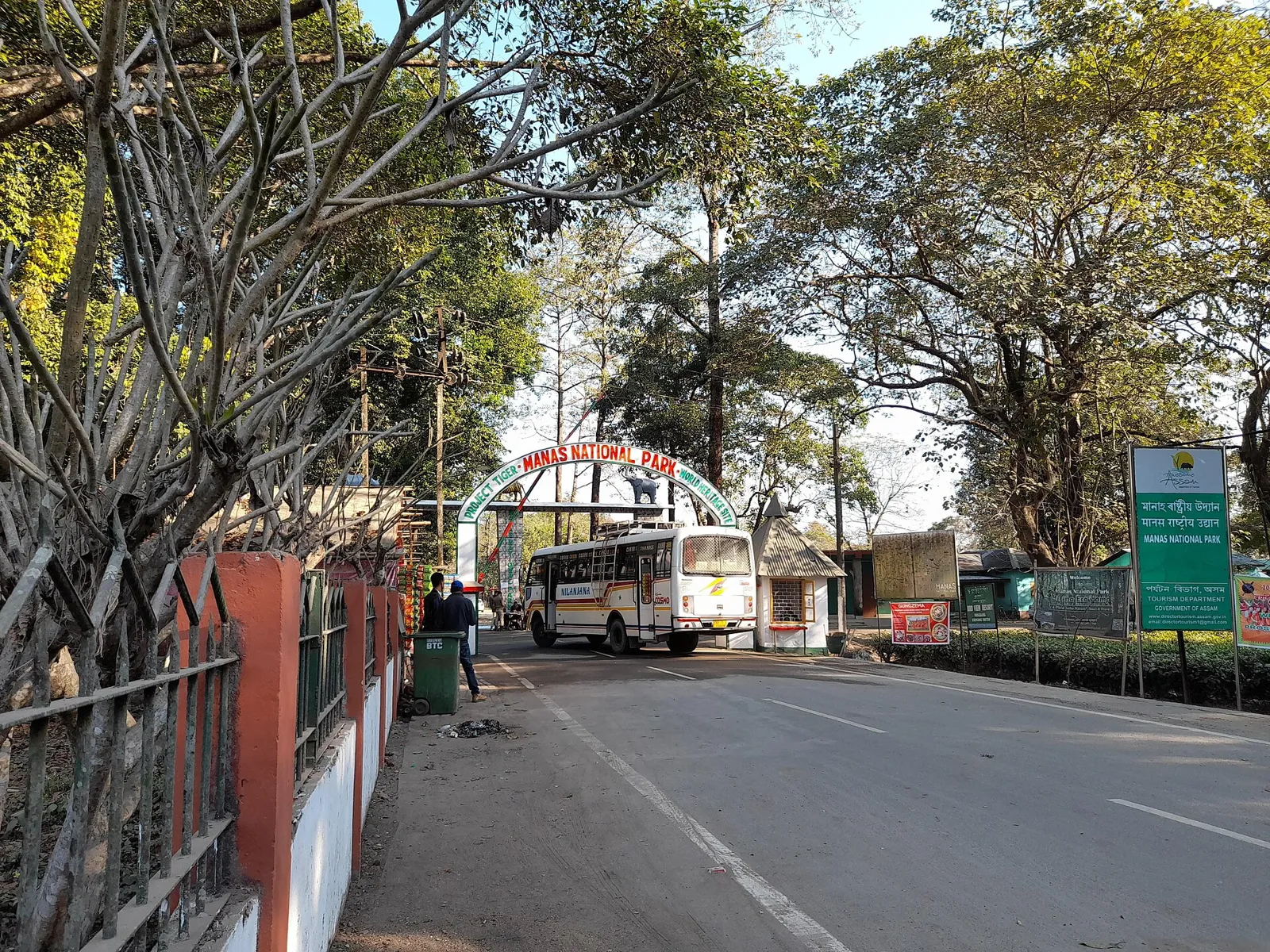
Manas National Park

34 km away · Baksa district

Manas National Park

In Assam’s Baksa district, Manas is known for varied habitats and rare wildlife; visitors come to see species such as the pygmy hog and golden langur.

Chakrashila Wildlife Sanctuary

41 km away · Kokrajhar district

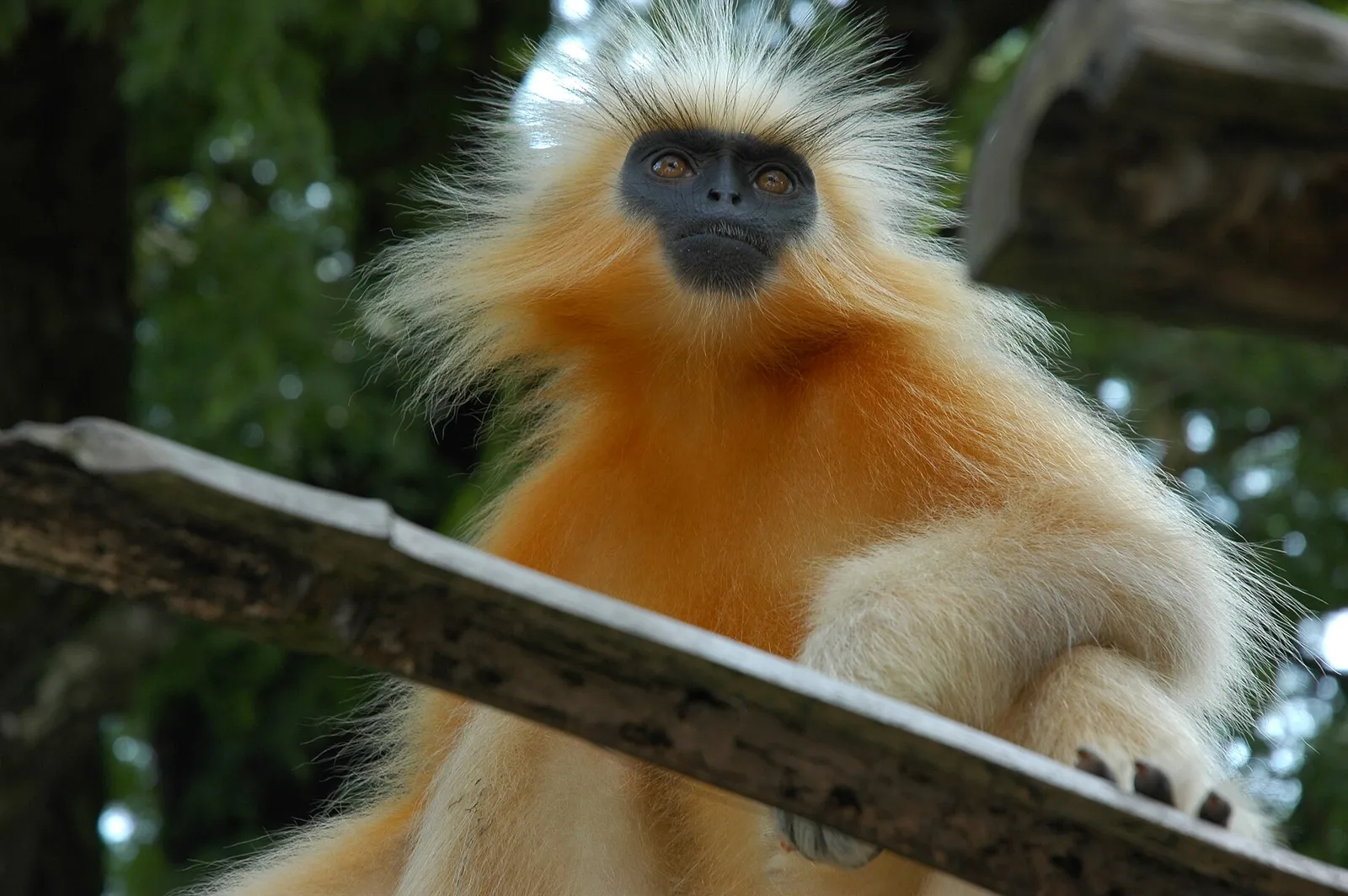
Chakrashila Wildlife Sanctuary

In Assam, Chakrashila Wildlife Sanctuary covers parts of Kokrajhar and Dhubri districts. Visitors are drawn by its golden langurs; it is the country’s second protected habitat for the species.

Sri Surya Pahar

43 km away · Goalpara district

Sri Surya Pahar

Sri Surya Pahar is an archaeological landscape in Assam, marked by remains associated with Hinduism, Buddhism and Jainism. Visitors come to see its scattered lingas, stupas, figures and evidence of an ancient settlement.

Uzan Bazaar

44 km away · Kamrup Metropolitan district

Uzan Bazaar

Uzan Bazaar is a long-established neighbourhood in Guwahati, with both homes and businesses. Visitors may come for its commercial activity and to explore an area counted among the city’s oldest settlements.

Sarthebari

54 km away · Barpeta district

Sarthebari

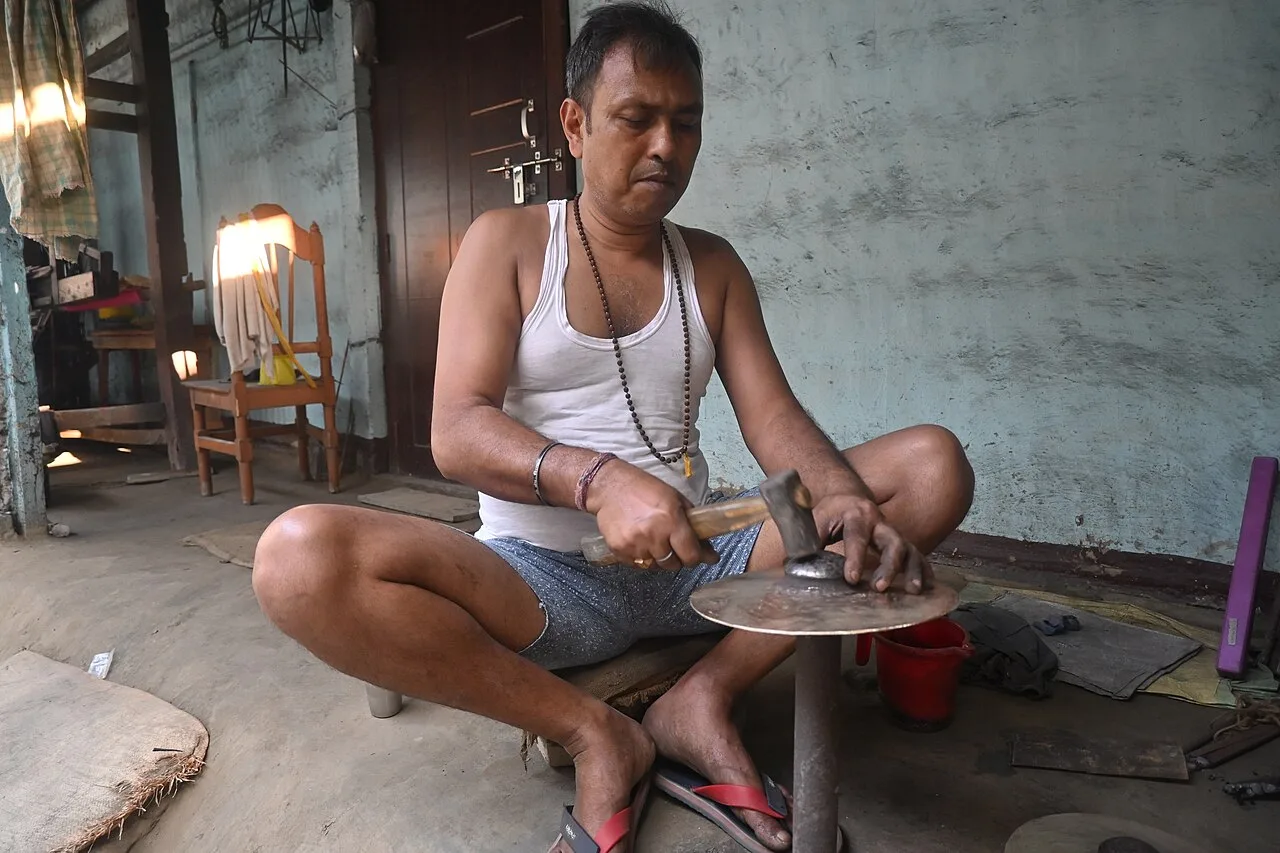
Sarthebari is a settlement in Assam’s Barpeta district, described as both a village and a town with a town area committee. Visitors are drawn by its bell-metal craft.

Asharikandi

84 km away · Dhubri district

Asharikandi

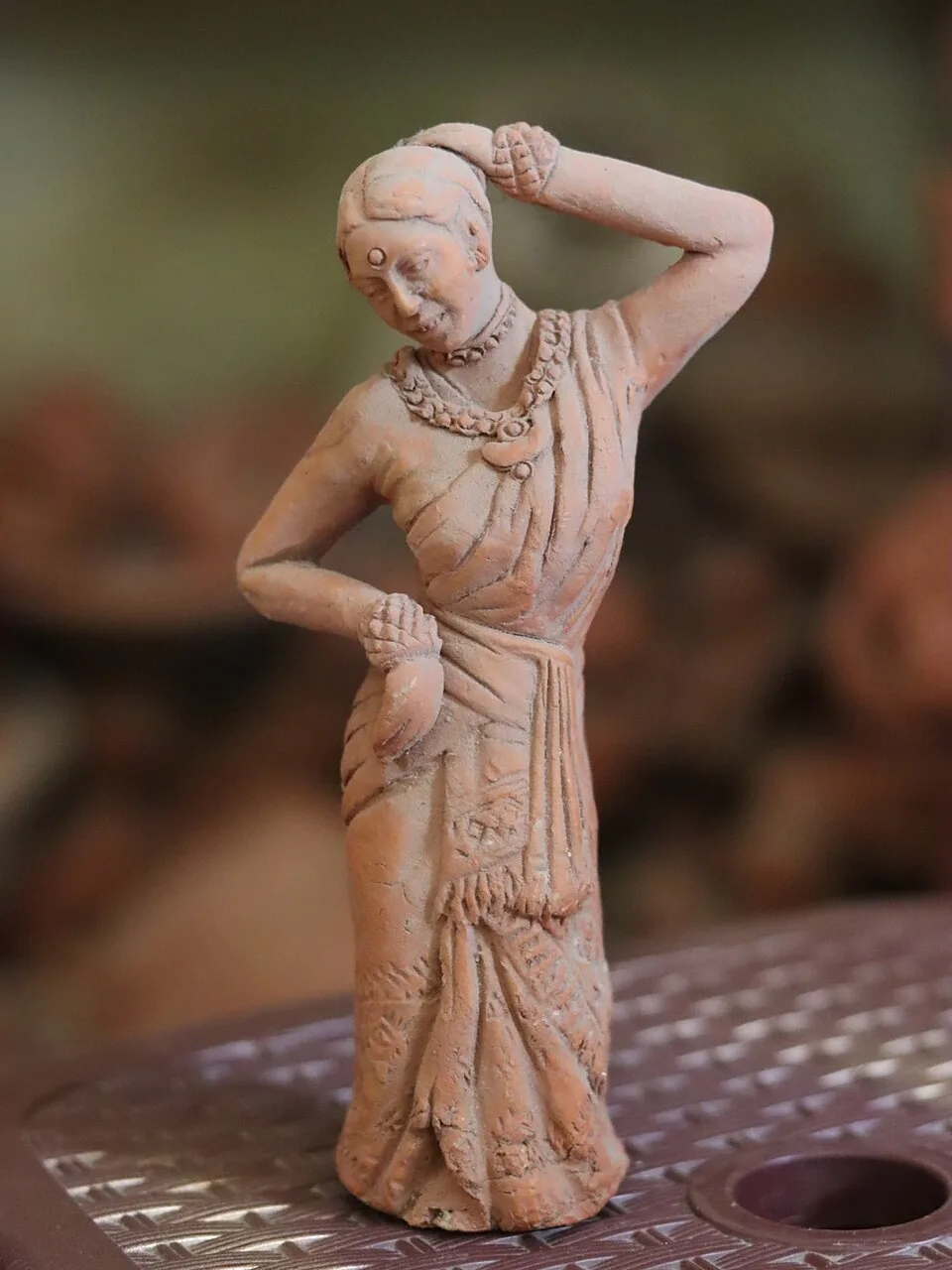
Asharikandi is a village in Assam’s Dhubri district, known for traditional terracotta and pottery. Visitors come to learn about its craft traditions and one of India’s largest concentrations of these crafts.

Hajo

86 km away · Kamrup district

Hajo

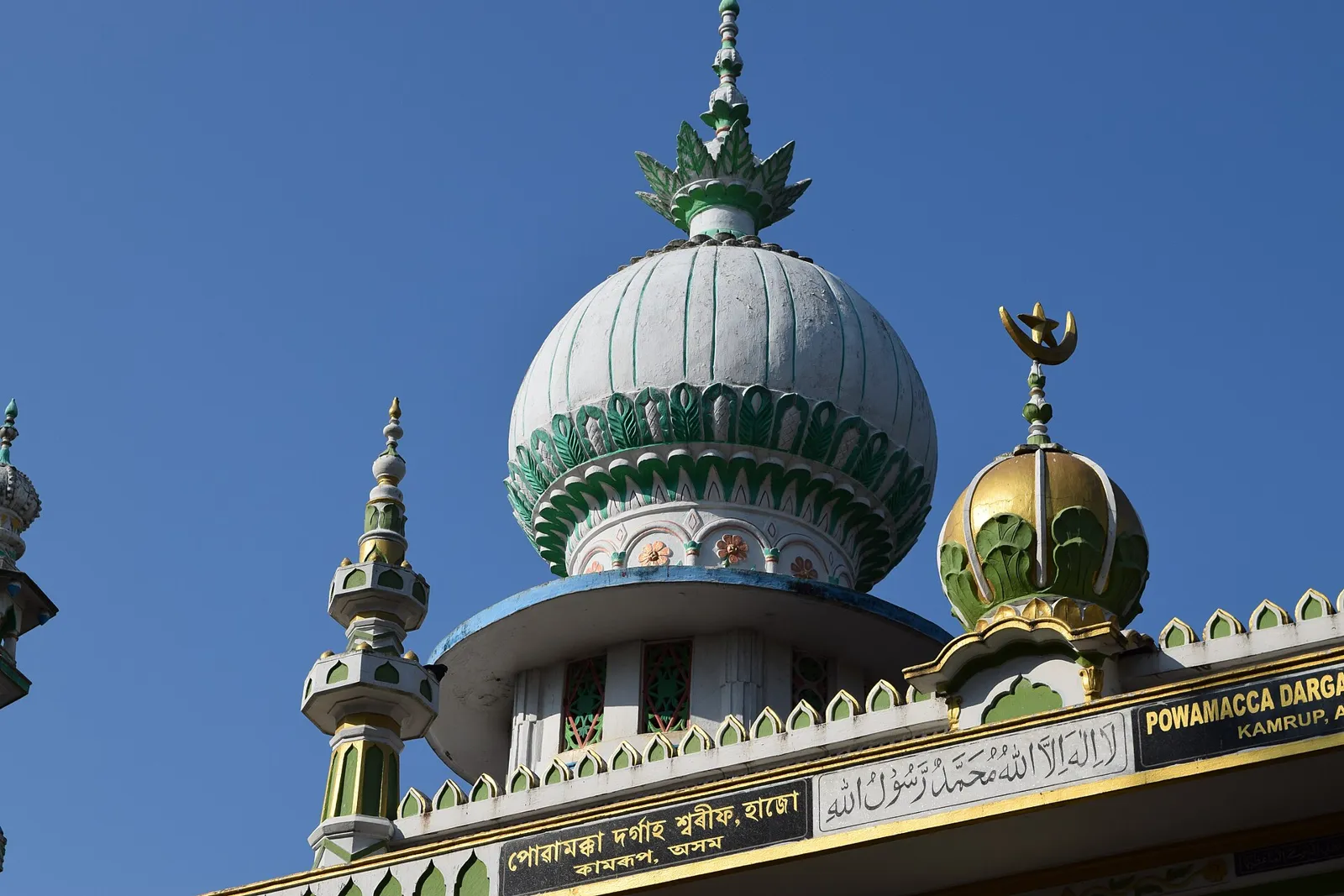
Hajo, in Assam’s Kamrup district, is an old town visited for pilgrimage sites sacred to Hindus, Buddhists and Muslims, and for its temples, monuments and tortoise-preservation tradition.

Sualkuchi

94 km away · Kamrup district

Sualkuchi

Sualkuchi is a census town in Assam’s Kamrup district, known for its handloom cottage industry. Visitors can see the historic Sidheswar Devalaya and the Gandhi Aashram beside the Brahmaputra.

Map

Bijni on the map

  1. 1Manas National Park
  2. 2Chakrashila Wildlife Sanctuary
  3. 3Sri Surya Pahar
  4. 4Uzan Bazaar
  5. 5Sarthebari
  6. 6Asharikandi
  7. 7Hajo
  8. 8Sualkuchi

Assam

Other cities to explore