
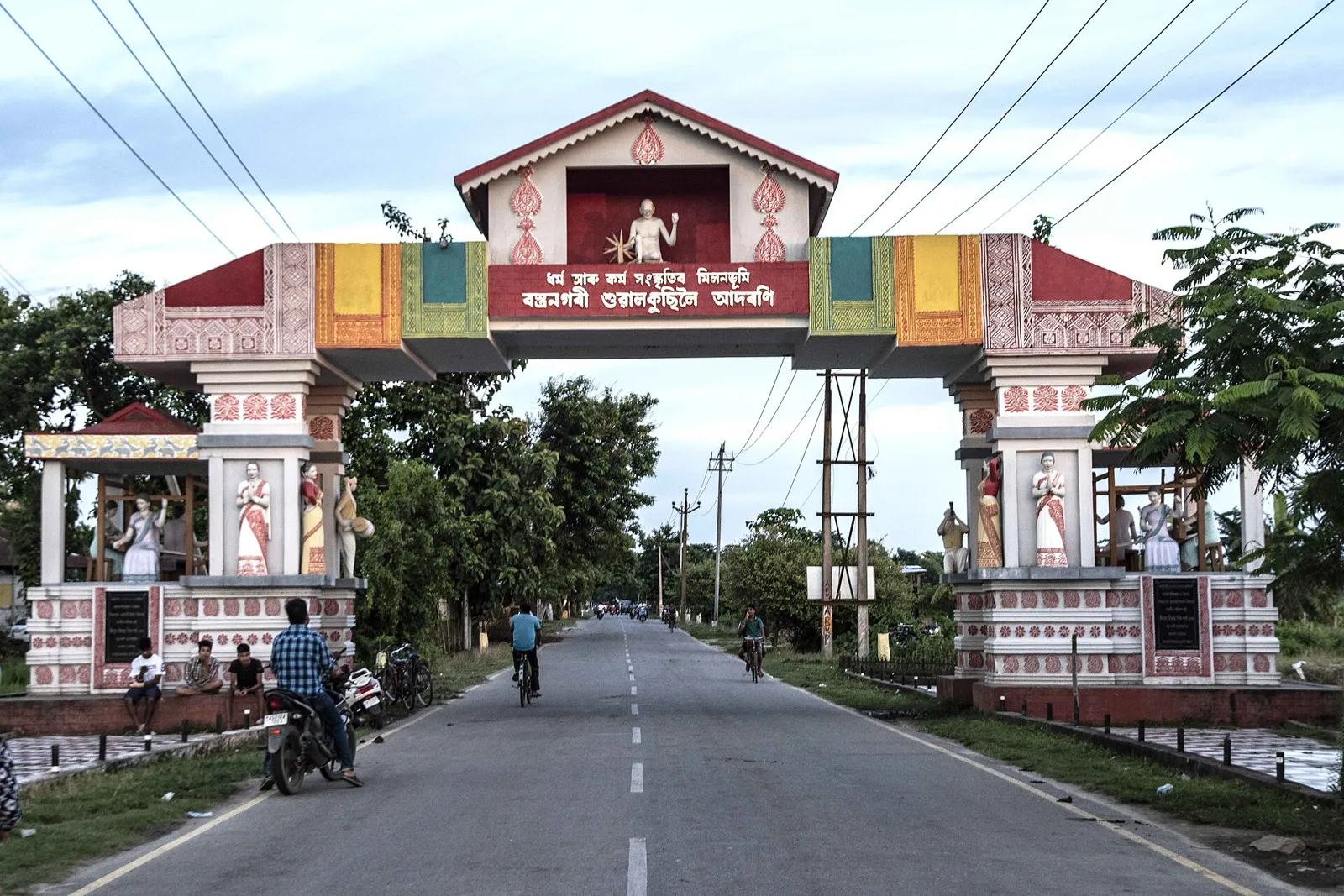
Sualkuchi
Sualkuchi is a census town in Assam’s Kamrup district, known for its handloom cottage industry. Visitors can see the historic Sidheswar Devalaya and the Gandhi Aashram beside the Brahmaputra.
Key facts · verified by Ghumoopedia editors
- Type of place
- Community & living culture
- Best time to visit
- October to April
- Nearest railway station
- Kamakhya Junction · about 10 km (straight line)
- Verified
- 21 Nov 2026
Plan a trip from Sualkuchi — a day-by-day route through places nearby.
Located on the Brahmaputra’s northern bank, Sualkuchi lies roughly 35 km from Guwahati and is also a block within Kamrup district. Its cottage-based handloom work has earned it the name Manchester of Assam. Among the town’s notable sites is Sidheswar Devalaya, an old Shiva temple dating to the reign of Ahom king Siva Singha. The grounds contain several images of archaeological interest. Gandhi Aashram is a more recently developed site by the river. Assam’s Vaishnavite satras, Ahom heritage, Bihu festivals and silk-weaving traditions shape everyday life well beyond the major monuments. The Brahmaputra plains are hot and humid from April to September, with heavy monsoon rain and seasonal floods. Winters are mild and pleasant, with morning fog along the river. The usual best time to visit is October to April. Days are short in Northeast India: the sun can set before 5 pm in winter, so plan to reach and leave Sualkuchi in daylight. Timings, fees and access arrangements must be confirmed locally. For official information, see Assam Tourism at https://tourism.assam.gov.in.
Why it matters
Sualkuchi is a census town on the north bank of the Brahmaputra in Kamrup district, best known as a centre of Assam’s handloom and silk-weaving traditions. Its many weaving households and workshops make textile production a visible part of everyday life, and the town is often called the “Manchester of Assam,” a popular nickname rather than an official designation. Assam is noted for muga, eri and pat silk; Sualkuchi is particularly associated with silk weaving and the making of traditional Assamese garments. The town also has local religious and community landmarks, including Sidheswar Devalaya.
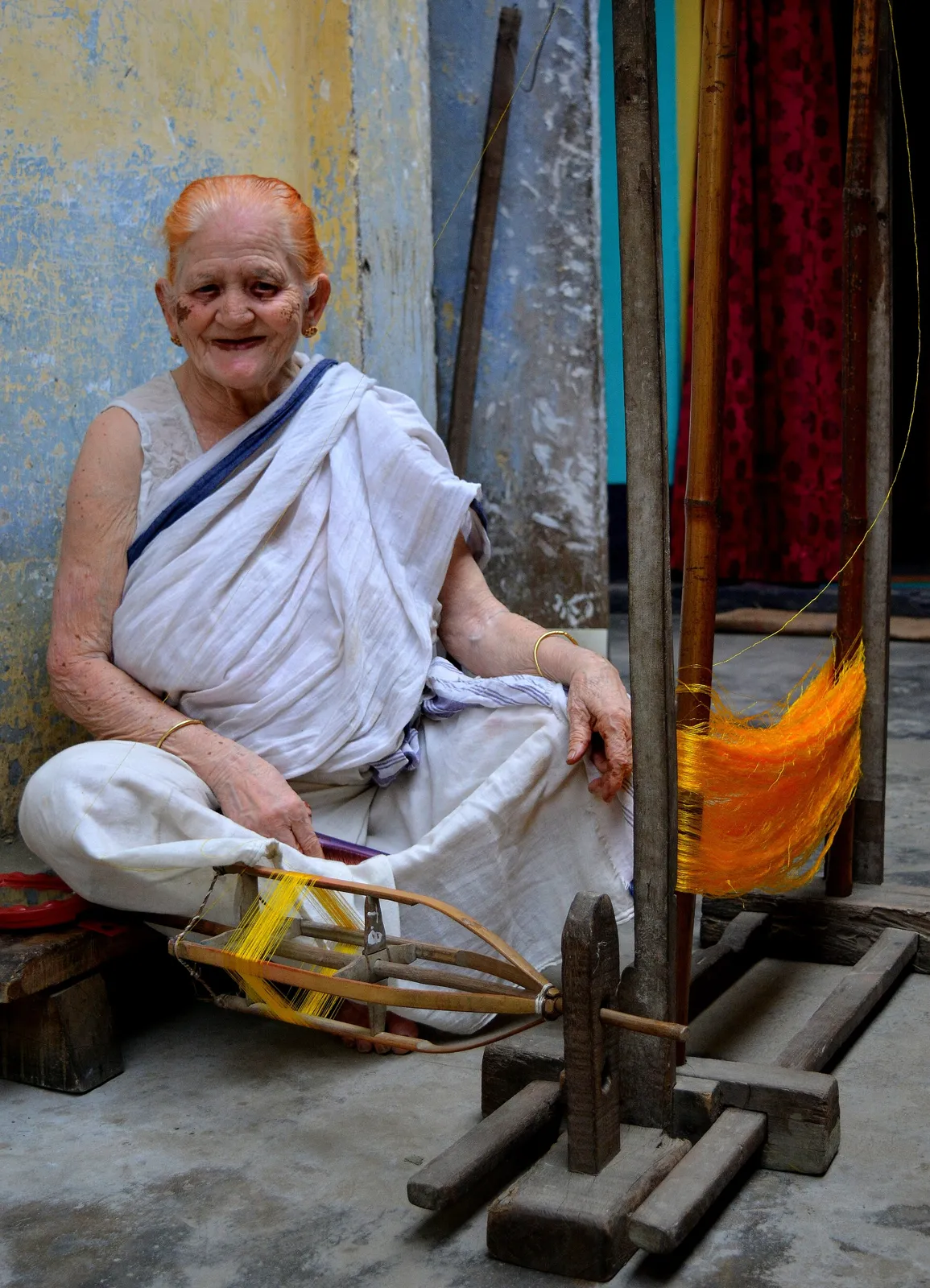
Sualkuchi’s identity is closely linked to handloom weaving, but a single, securely documented founding date for the town or its weaving industry is not established in the available account. The craft developed through generations of household and workshop production, drawing on Assam’s wider silk culture and skills passed between weavers. Today, looms remain an important part of the town’s working landscape, alongside shops and other local livelihoods. A notable historic landmark is Sidheswar Devalaya, an ancient Shiva temple traditionally associated with the reign of Ahom king Siva Singha, who ruled in the early eighteenth century. The site is also noted for images of archaeological interest; visitors should seek local guidance before assuming that every object is accessible or formally protected. Sualkuchi’s position beside the Brahmaputra has connected it with riverine movement and settlement, while modern road links have made it more accessible from Guwahati. A Gandhi Aashram has also been developed along the riverbank, though its current facilities and access arrangements should be checked locally. The town’s history is therefore best encountered through its living textile work as well as its religious and riverfront landmarks.
Origin stories & folklore
There is no single widely documented foundation legend for Sualkuchi that can be presented as established history. Local devotional belief centres in part on Sidheswar Devalaya and its dedication to Shiva; as at many old temples, worshippers may associate the site with the continuing presence or protection of the deity. Such beliefs belong to living religious practice and can vary between families and communities. Stories about the Brahmaputra also form part of the wider cultural landscape of Assam, but visitors should not assume that a general river legend originated specifically in Sualkuchi. Ask residents or a local guide whether a story is appropriate to hear or share, especially when it concerns a temple, ceremony or family tradition.
Use Sualkuchi as a base to understand local life: walk through the market area, visit community-run attractions and ask your host about nearby viewpoints and short excursions. Always ask before photographing people, homes or ceremonies. A comfortable itinerary is one main visit in the morning, a local meal at midday and a short nearby stop before an afternoon return. Use the district list on this site to find other places in Kamrup, but check the actual road route and its condition before combining stops. If a festival is on, local roads and stays can be busy — and the experience can be unforgettable. Leave no litter: many sites in Assam are protected by the communities who own them.
Suggested itineraries
Half day: Walk through the market area (about 1 hour); visit a weaving workshop by prior permission (1–2 hours); stop at Sidheswar Devalaya if open to visitors (about 30–45 minutes). Full day: Begin with a market walk; arrange a longer visit to a weaving workshop; have a local meal; visit Sidheswar Devalaya and, if access and conditions allow, the Gandhi Aashram riverfront; return to your base before dusk. Gentler option: Choose one accessible market or workshop visit, arrange vehicle drop-off nearby, and take breaks indoors rather than attempting a longer walk.
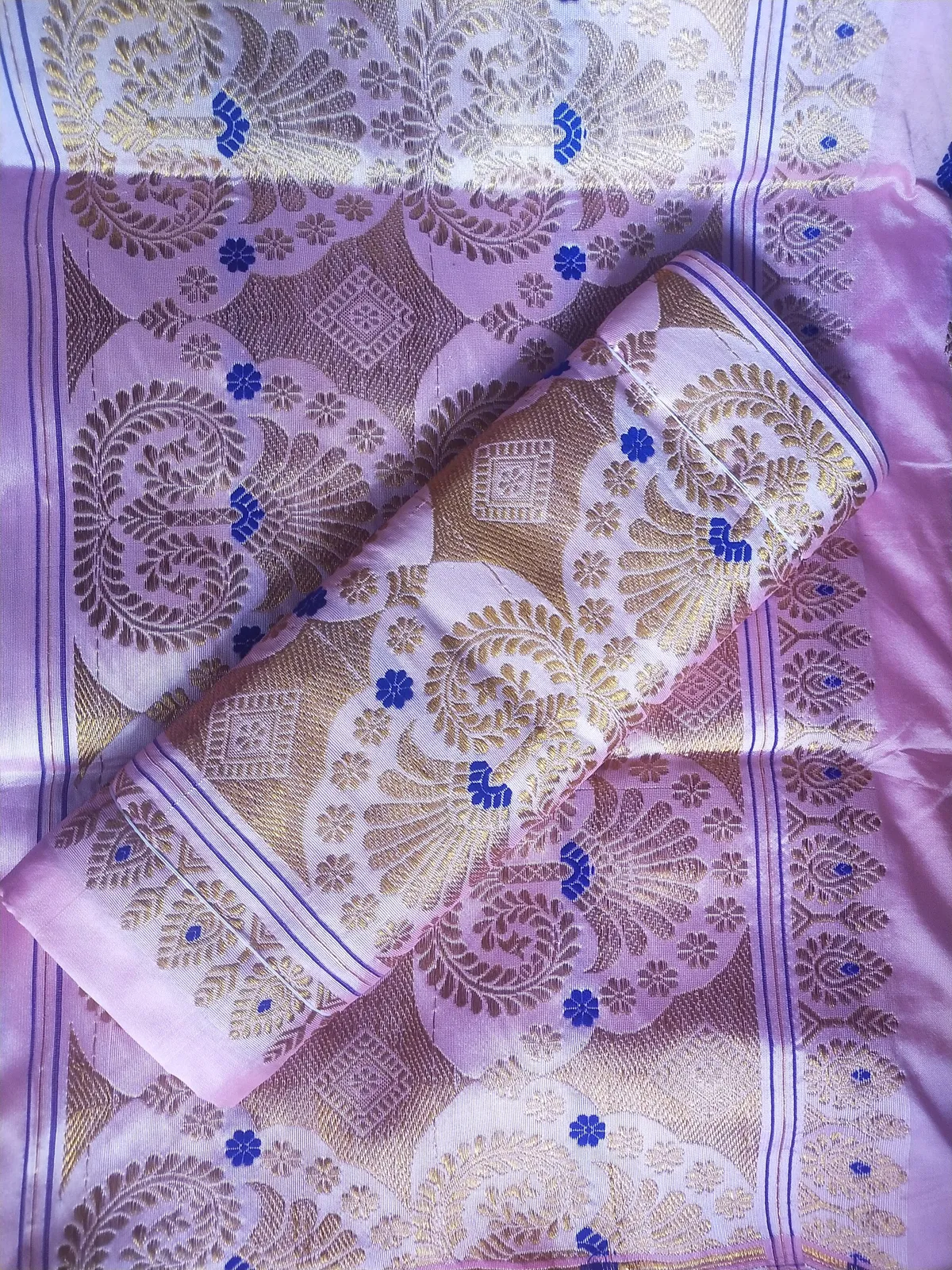
Sualkuchi’s most visible cultural tradition is weaving. Looms and textile work are part of local livelihoods, and visitors may encounter silk yarn, handwoven cloth and garments associated with Assamese dress. Bihu songs and dances are important across Assam, while devotional music and performance traditions are also part of the wider region’s cultural life. Assamese is widely used locally; other languages may be heard among residents and visitors. Customs vary between households, so ask before entering a workspace or handling textiles. A respectful visit focuses on the skill and labour involved, avoids interrupting production, and does not treat people’s homes or religious observances as public displays.
Local communities
Sualkuchi is home to residents whose livelihoods include weaving, textile trading, farming, services and small businesses. Handloom work is carried out in household and workshop settings, and the knowledge involved is sustained through local experience and family or community networks. The wider Kamrup district is socially and linguistically diverse; visitors should avoid assuming that every weaver belongs to the same community or follows the same customs. Buy directly from artisans or established local sellers when possible, ask how a textile was made, and seek permission before visiting a home-based loom. Do not photograph workers or their workspaces without consent.
Festivals & events
Bihu, especially the spring observance of Bohag Bihu, is celebrated across Assam with seasonal gatherings, music and dance; local celebrations in Sualkuchi can vary from year to year. Other Bihu observances also mark the Assamese calendar. Religious festivals may bring worshippers to local temples, including Sidheswar Devalaya, though programmes and public access are not fixed for visitors. Nearby Hajo is known for important religious sites and attracts pilgrims at festival times. Expect busier roads, markets and accommodation around major celebrations, and ask locally about suitable times to visit. Do not enter a ceremony area or photograph worshippers without permission.
Local food in Assam includes masor tenga (a tangy fish curry), khar, duck with ash gourd, pitha rice cakes, aloo pitika and, of course, Assam tea. Ask what is fresh that day; many small eateries cook a limited daily menu. Pork, beef, fish and fermented ingredients are common in tribal cuisines, so vegetarian travellers should explain their needs clearly — rice, dal, vegetables and eggs are usually possible in towns. Remote sites may have no restaurant at all. Carry water and snacks, eat a proper breakfast before long drives, and ask your accommodation for a packed lunch if you are heading out early. Try a homestay-cooked meal when you can — it is often the best local food. Choose busy, clean places and carry your packaging back to town.
Shopping & local experiences
Look for handwoven Assamese textiles and silk garments in Sualkuchi’s shops and, where visits are welcomed, buy directly from weavers or their representatives. Muga, eri and pat are Assam’s notable silks, but confirm the fibre and weave with the seller rather than relying only on labels or broad claims. Ask about care, provenance and whether a piece is handwoven. Prices and product availability vary, so compare quality and request a receipt where appropriate. Local eateries and market stalls offer a chance to try Assamese food; ask about ingredients and dietary needs. Seek permission before photographing merchandise or workshop processes.
Sualkuchi lies on the north bank of the Brahmaputra, within the broad, low-lying river plains of Assam. The river and its changing banks shape the surrounding landscape, alongside settlements, cultivated land and seasonal vegetation. Conditions are hot and humid for much of the year; the monsoon brings heavy rain and may affect riverside access or local roads. Winter is generally milder, and morning mist can occur near the river. Common birds of the plains and river corridor may be seen, but sightings depend on season and conditions and are never guaranteed. This is not a destination to visit expecting a managed wildlife reserve or extensive forest. Keep clear of unstable banks and follow local advice during high water or flood conditions.
October to April
The nearest principal railway station by straight-line distance is Kamakhya Junction, roughly 10 km away. The nearest operating airport by straight-line distance is Lokpriya Gopinath Bordoloi International Airport, Guwahati, roughly 5 km away. These figures are calculated from map coordinates, so actual road distance and travel time are longer. Guwahati is the main rail and air hub for the region, and most long-distance journeys connect through it. For the final leg, Assam State Transport Corporation (ASTC) and private Volvo/sleeper coaches link district towns; shared taxis usually leave early in the morning and depart only when full. A private taxi gives more flexibility for remote sites. When comparing train, bus and flight, count the complete door-to-door time: a flight saves the most time only if the onward road transfer is short, while an overnight train to Guwahati plus a road journey can save a hotel night. Book your return before you leave, because seats on shared vehicles and the few daily flights fill quickly. Current train numbers, timings, return services and fares are not listed here; check IRCTC and NTES for trains and the airline’s own schedule for flights. No Inner Line Permit is needed to visit Assam.
Confirm onward and return timings on IRCTC / NTES, the state bus operator or your airline before travel. A dash means current timings or fares have not been verified.
Getting around
On arrival, local buses, shared vehicles and taxis may connect Sualkuchi with Guwahati and nearby settlements; availability can vary, so confirm the return journey before travelling. Autos or other local vehicles may be useful for short trips, but do not assume they operate everywhere or at all times. The market and some weaving areas can be explored on foot, with care around traffic and active workspaces. Private taxis offer more flexibility for nearby stops. Boat services should not be assumed: river conditions, landing points and safety arrangements change seasonally. Ask locally about parking and avoid blocking narrow streets or workshop entrances.
Hours, tickets & permissions
Sualkuchi is a living town rather than a single ticketed attraction, so access arrangements differ between markets, workshops, temples and riverfront sites. Some weaving spaces are private workplaces or homes; enter only when invited or with the owner’s agreement. Religious sites may have local customs concerning footwear, dress, photography and access to particular areas. Tickets, permits or camera restrictions may apply at individual attractions, but arrangements can change. Confirm current entry rules, hours and any fees with the site’s managing authority or a trusted local contact before setting out.
Facilities
Sualkuchi has local shops and places to eat, with a wider choice of services available in Guwahati. Basic refreshments and drinking water may be available in the town, but carry water and check where it can be refilled safely. Toilets, seating and parking are not guaranteed at every temple, workshop or riverbank stop. ATMs and medical services may be available locally, but check before relying on them, particularly for a short visit. Guided visits to weaving spaces are best arranged through a local host or seller; ask in advance about access, group size and any facilities.
Accessibility
The market and town streets include uneven surfaces, traffic and possible obstructions, while some workshop visits take place in buildings not designed for step-free access. Temple grounds and riverbank areas may also have steps, rough paths or uneven ground. Wheelchair and stroller access cannot be assumed; contact a specific venue or host before visiting and ask about the approach, thresholds and toilets. Shade and seating may be limited outdoors, so plan rest stops, especially in hot or humid weather. Older visitors may find a short, vehicle-supported visit more comfortable than walking between several sites. Avoid river edges where footing is unstable.
No Inner Line Permit is needed to visit Assam. Carry a photo ID at all times; checkpoints are common. Save the emergency number 112 and your accommodation’s contact offline. Heat, humidity and sudden downpours are the main weather risks; carry water and rain protection. Respect community rules, private property and posted instructions. Avoid long road journeys after dark and during heavy rain. Check official advisories for the region before travel, and follow local guidance if access changes.
Visitor rules
Treat weaving spaces as workplaces and private homes: visit only with permission, do not touch looms, yarn or finished cloth unless invited, and follow the host’s instructions. At temples, dress respectfully, remove footwear where requested and observe any restrictions on entry. Keep noise low around worship and ceremonies. Do not enter marked or clearly private areas. Avoid littering, and take plastic and other waste away if bins are unavailable. Ask before photographing people, homes, objects or rituals. Follow local advice around the Brahmaputra, particularly during high water, and do not climb onto fragile banks or structures.
Photography
Soft morning or late-afternoon light can suit the market streets, textiles and river landscape, but weather and access affect conditions. Ask a workshop owner before photographing looms, designs or workers, and always seek individual consent for portraits. Photography inside temples, during worship or at ceremonies may be limited; follow posted notices and local instructions. Do not assume that a view from a riverbank is safe or publicly accessible. Drone use can be restricted by aviation rules, local authorities or site managers, and may disturb residents and wildlife; check current permissions before flying.
Choose a stay by the full journey to Sualkuchi, not just the district name. Main towns in Kamrup usually offer hotels, state tourism lodges and homestays with better transport, meals and medical access, while village homestays offer a closer connection to local life. In the plains and valleys, check fans or air-conditioning and mosquito nets in summer. Book in advance for weekends, festival dates and the peak season (October to April). Confirm the exact location, meals included, check-in time and cancellation terms in writing. Many homestays accept payment on arrival; avoid sending money to unverified contacts. Mobile network and digital payments can be unreliable in remote areas, so carry some cash.
Hajo, also in Kamrup district, is known for religious sites including Hayagriva Madhava Temple and is a possible separate excursion; check road conditions and local access before combining it with Sualkuchi. Guwahati offers major transport connections and a wider range of museums, markets and services. Sidheswar Devalaya and the Gandhi Aashram riverfront are local stops within Sualkuchi itself. Other Kamrup attractions may require a longer drive, so check the actual route rather than relying on straight-line map distance. Avoid planning too many stops in one day, especially during the monsoon or when returning to Guwahati before dark.
For couples, Sualkuchi rewards a slow pace: arrive early for soft light and fewer crowds, share a local meal and keep the evening free. Public displays of affection can be frowned upon in conservative communities and at religious sites, so be discreet. A homestay can make the trip memorable — confirm privacy, hot water and transport back. Keep a buffer day in your itinerary, because weather and road closures can delay plans in Assam.
Q: How much time should I allow for Sualkuchi? A: A half day can cover a market walk and one arranged weaving or heritage visit; allow longer if you want a relaxed full-day visit. Q: When is a good season to visit? A: October to April is generally more comfortable. Monsoon rain may affect roads and riverside access. Q: Is there an entry ticket for Sualkuchi? A: The town itself is not a single ticketed attraction. Individual sites or workshops may have their own access rules; confirm locally. Q: Is Sualkuchi suitable for children and older visitors? A: Yes, with planning. Streets and some venues may be uneven or busy, so choose short visits and arrange vehicle access where possible. Q: Can I stay overnight nearby? A: Accommodation options may be limited in Sualkuchi; Guwahati has a broader choice. Check current availability and transport before booking.
Be the first to share photos, stories, advice or a helpful contact for Sualkuchi.
Loading…