Why Hajo matters
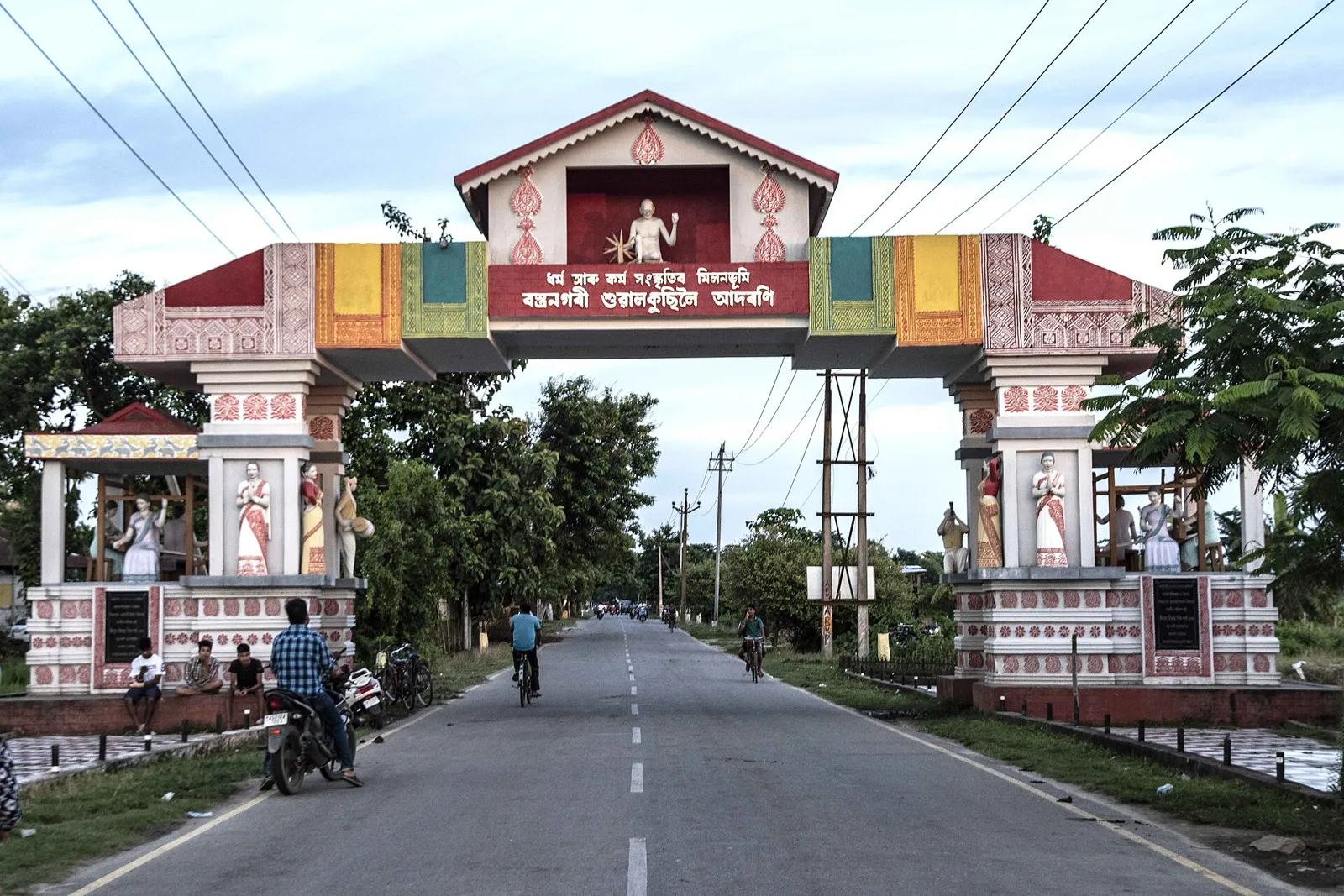
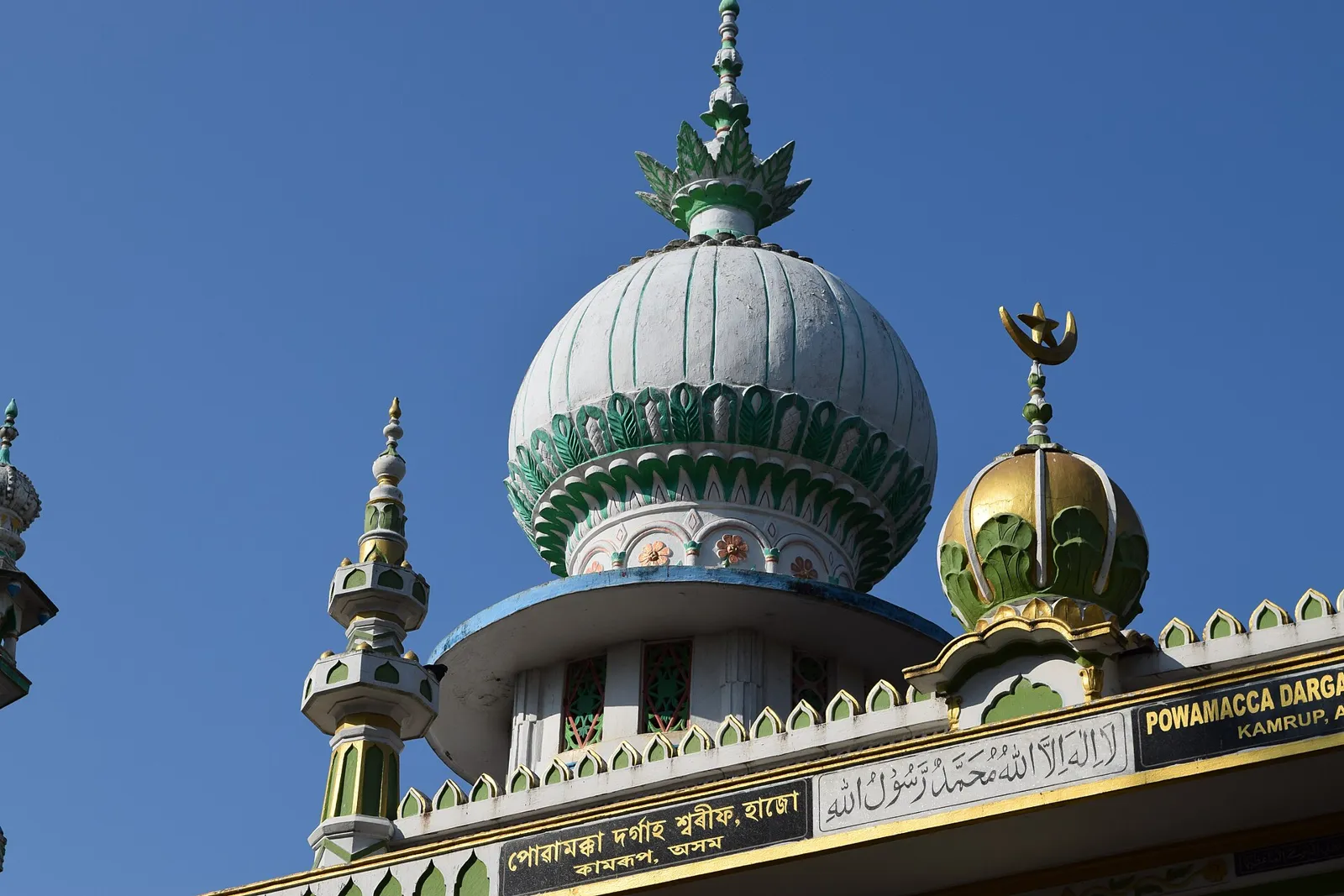
About 25 kilometres northwest of Guwahati, Hajo is a historic pilgrimage town in Kamrup district, set among low hills near the Brahmaputra. Its importance comes from the close presence of Hindu, Buddhist and Muslim sacred places. On Manikut Hill, the Hayagriva Madhava Temple is revered by Hindus and is also part of the sacred geography followed by some Buddhists from Bhutan and Tibet. Garurachal Hill holds the Poa Makkah shrine, while other hills have Shiva temples and smaller shrines.
Visitors come for worship, architecture and the sense of a long, layered history. The temple complex preserves stonework and sculpted elephants associated with early Assamese art, alongside later buildings and inscriptions. Hajo is also known for Madhab Pukhuri, a large pond near the temple, and for festivals that bring pilgrims into the town. Its setting makes it a rewarding excursion from Guwahati, but it is more than a day-trip stop: the different religious sites reveal how pilgrimage traditions have shared this landscape over many centuries.