Ghumoopedia — Explore, Discover, Experience
Sign in
Sivasagar Sivadol, near Dhakuakhana

City guide · Assam

Dhakuakhana

Dhakuakhana is a small town in Assam’s Lakhimpur district, serving as an administrative and market centre for surrounding villages. Its importance comes less from large-city attractions than from its place in the everyday life of the region: local trade, public services and farming connect the town with a largely rural hinterland.

Famous for

  • Mishing handloom weaving
  • Ali-Aye-Ligang festival
  • Mishing cultural traditions
  • Rice and fish cuisine
  • Subansiri river country

Why Dhakuakhana matters

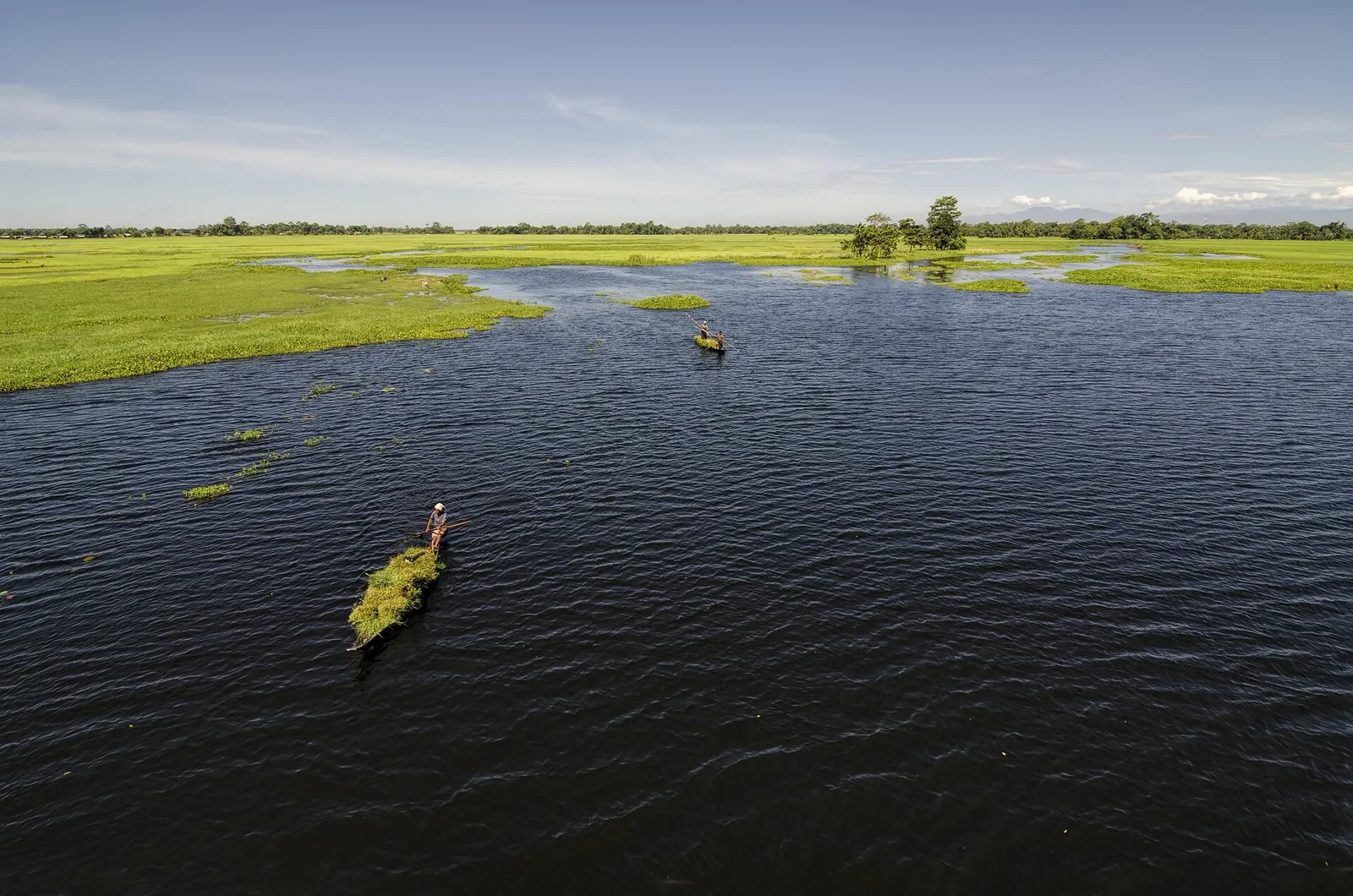
Dhakuakhana is a small town in Assam’s Lakhimpur district, serving as an administrative and market centre for surrounding villages. Its importance comes less from large-city attractions than from its place in the everyday life of the region: local trade, public services and farming connect the town with a largely rural hinterland. Paddy fields, wetlands and waterways shape the landscape and livelihoods, while seasonal floods are part of life in this low-lying part of Upper Assam.

Visitors come to experience Mishing culture, particularly its weaving, food and community celebrations, and to see a quieter side of Assam beyond its larger urban centres. Ali-Aye-Ligang, the Mishing spring festival, is a highlight when celebrated locally. The town also makes a useful base for exploring nearby villages and the wider Lakhimpur countryside. Dhakuakhana is not a major shopping or monument destination; its appeal lies in its living traditions, agricultural setting and the chance to encounter local life at an unhurried pace.
Famous for: crafts, trade & products

Dhakuakhana is best known locally for Mishing weaving. Handloom cloth made by Mishing women includes distinctive patterns and garments worn in daily life and on festive occasions. Visitors may find woven textiles through local sellers and markets, though selection and availability vary; asking about the maker and where a piece was woven can help support local artisans. The town is not a major industrial textile centre, and products associated with Assam as a whole should not automatically be assumed to have been made here.

The town’s markets serve nearby farming communities and are practical places to look for seasonal vegetables, rice, fish and everyday household goods. Local food crops and produce reflect the agricultural character of the area. Dhakuakhana is not widely identified with a specific GI-tagged product or a large handicraft industry, so it is better to treat it as a place to encounter regional goods than as a specialist shopping destination. For a more personal view of craft traditions, ask locally about village weavers or community events; access to private homes and workspaces should always be arranged with permission.

History

Dhakuakhana lies in a part of Upper Assam shaped by rivers, fertile plains and long-established rural communities. Mishing settlements are an important part of the area’s history and present-day identity; links to waterways and agriculture have influenced settlement patterns and livelihoods. The wider region was historically associated with the Ahom kingdom, though the development of the modern town should not be confused with the history of any single ruler or settlement.

After the British took control of Assam following the Treaty of Yandabo in 1826, colonial administration reshaped the region. Dhakuakhana later developed as a local administrative and trading centre serving surrounding villages. In modern times, roads and rail connections have strengthened its links with other parts of Lakhimpur and Upper Assam, while agriculture and local services remain central to the town’s role. Flooding and changes to river channels continue to influence life and development across the surrounding landscape.

Food, festivals & culture

Rice is central to everyday meals in Dhakuakhana, often served with fish, seasonal vegetables and leafy greens. Mishing food traditions include preparations based on rice and local produce; pork and fermented foods may also feature in community cooking. Apong, a traditional rice beer, is associated with Mishing cultural life. What is served varies between households and occasions, and the town is not especially known for a signature sweet or restaurant dish.

Ali-Aye-Ligang, usually celebrated in February, marks the beginning of the Mishing agricultural season and brings together music, dance and community feasting. Bihu is widely observed in Assam: Rongali Bihu in spring, Kati Bihu in autumn and Magh Bihu in winter. Assamese is widely used, alongside Mishing and other languages spoken in the area. Traditional Mishing songs and dances are important at festivals and gatherings. Hindu temples and village naamghars are part of local religious life, alongside diverse Mishing beliefs and practices.

Visiting the city

The most comfortable time to visit is generally October to April, when conditions are usually drier; heavy monsoon rain can make travel difficult and bring flooding to the region. Lilabari Airport, near North Lakhimpur, is the nearest airport. Dhakuakhana railway station provides local rail access, while North Lakhimpur is a useful rail gateway for broader connections. Check current services before travelling.

Road travel is the practical way to reach the town and explore its surroundings. Shared vehicles and local transport serve common routes, while hiring a vehicle offers more flexibility for visiting villages. Explore the town bazaar for everyday trade and food, then ask locally about Mishing weaving, nearby villages and community events. Be considerate when visiting homes or taking photographs, and arrange permission before entering private or working spaces.

Trips from the city

Nearest places to visit from Dhakuakhana

Our closest destination guides, by straight-line distance.

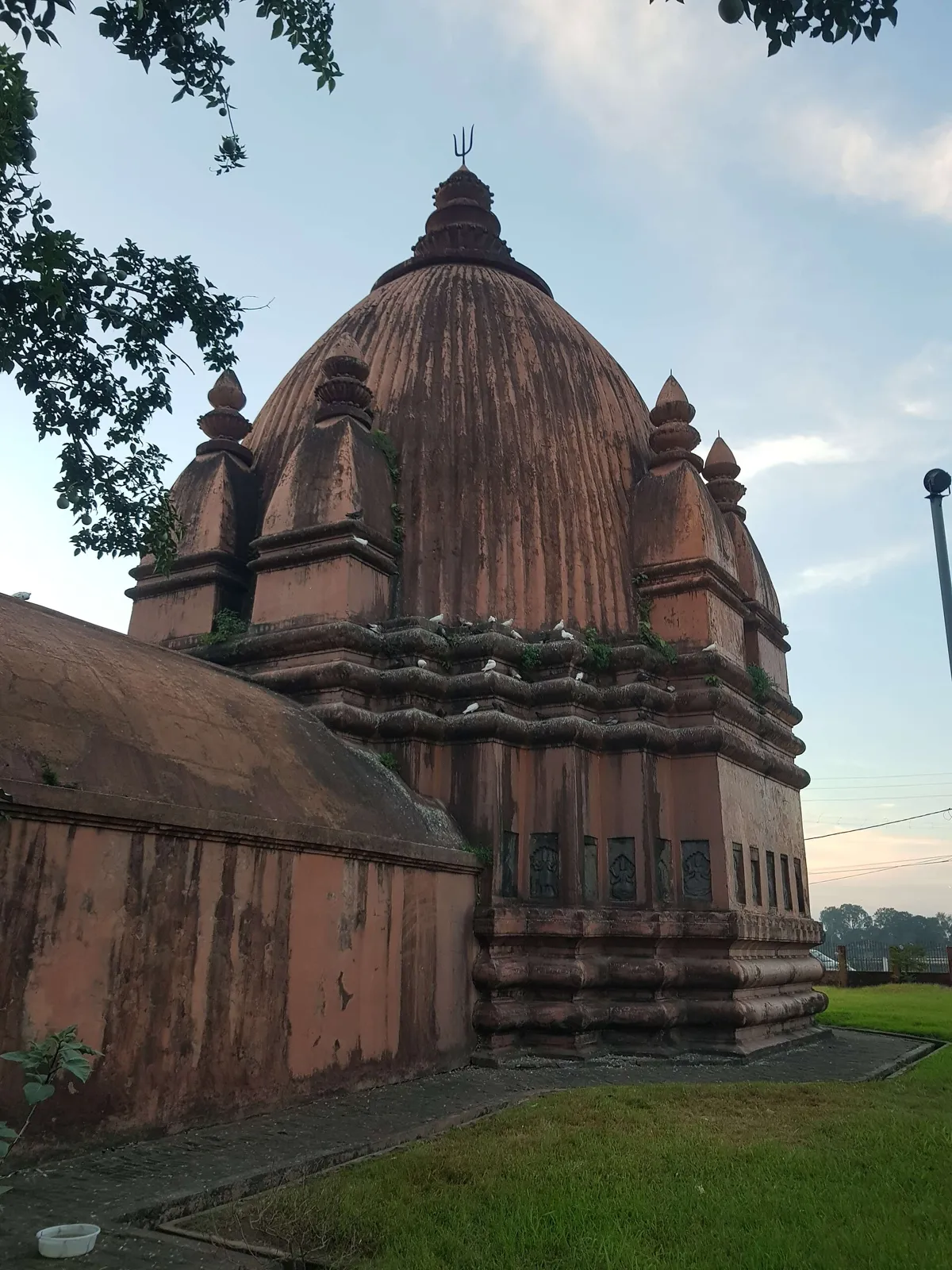
Sivasagar Sivadol

29 km away · Sivasagar district

Sivasagar Sivadol

Sivasagar Sivadol is a complex of three Hindu shrines and a museum beside Sivasagar tank in Assam. Visitors come to see its temples, including the tall Sivadol.

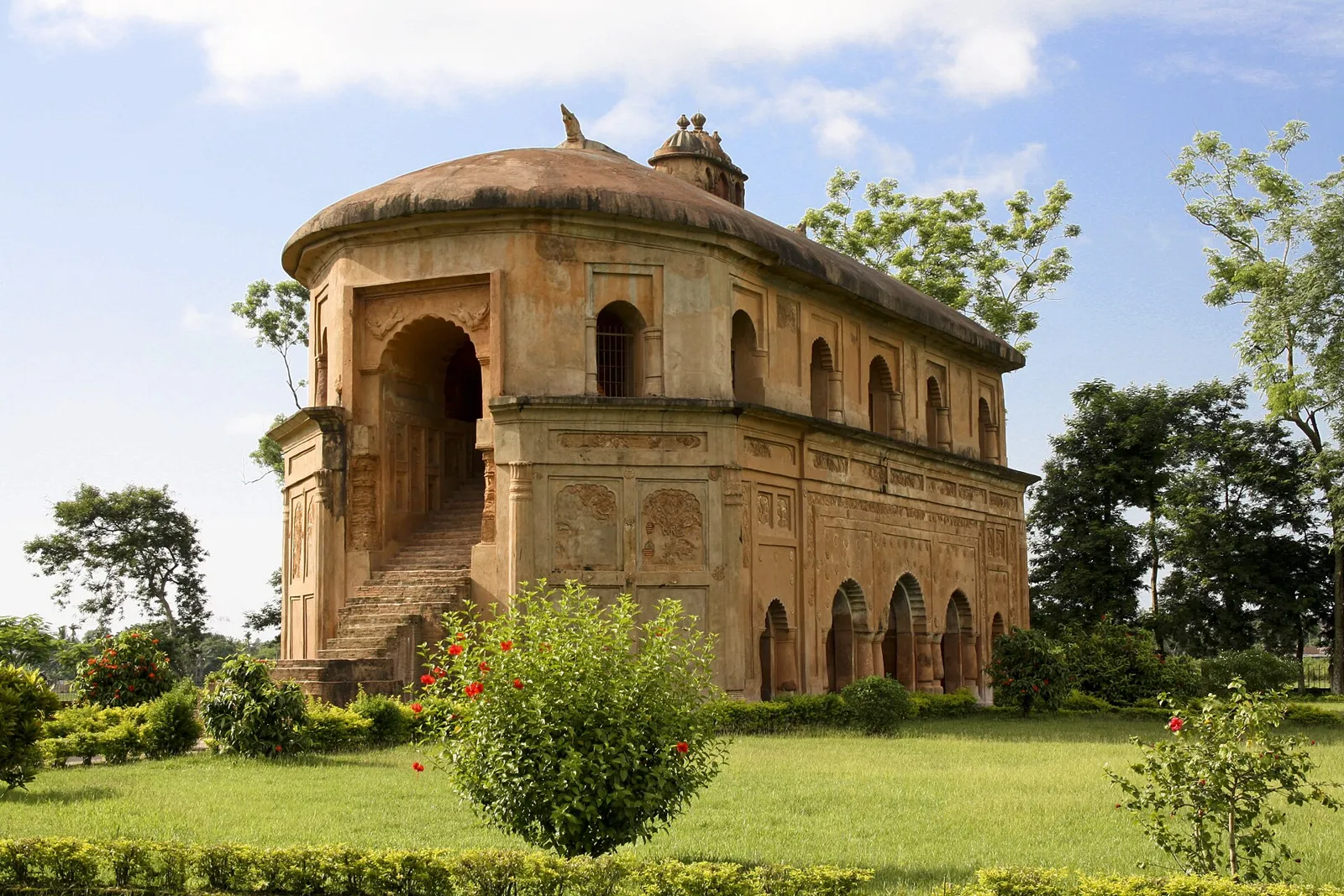
Rang Ghar

31 km away · Sivasagar district

Rang Ghar

Rang Ghar is a two-storey former royal viewing pavilion in Sivasagar district, Assam, known for its links to Ahom-era sports and Rongali Bihu.

31 km away · Sivasagar district

Talatal Ghar

Talatal Ghar is an eighteenth-century palace and military stronghold at Rangpur in Assam, and the largest monument of the Ahom era. Visitors explore its surviving ruins and underground features.

Majuli

33 km away · Majuli district

Majuli

Majuli is a river island in Assam, valued as a centre of Assamese neo-Vaishnavite culture and home to several tribal communities. Visitors reach it by ferry or boat from Jorhat.

Kareng Ghar

41 km away · Sivasagar district

Kareng Ghar

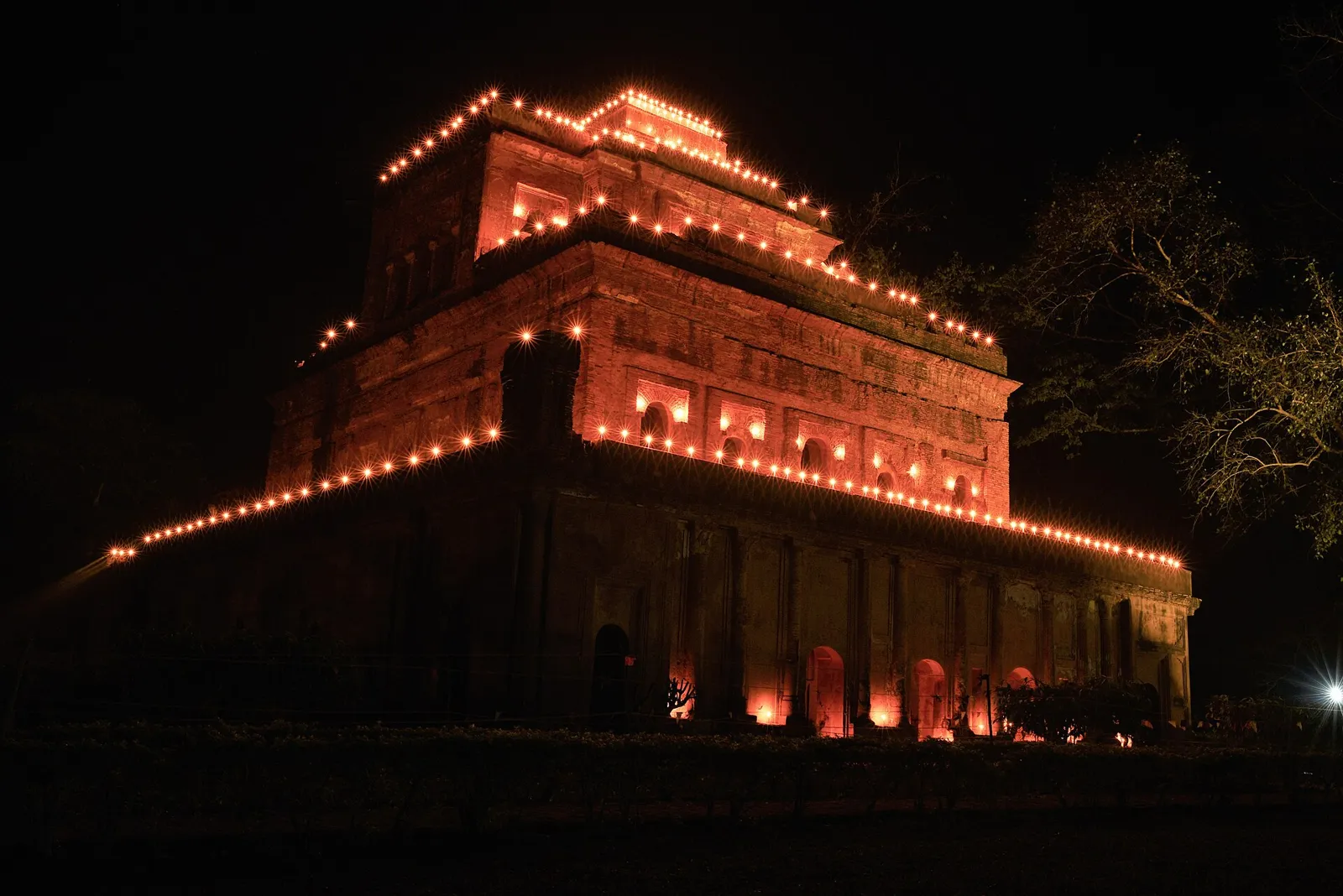
Kareng Ghar, or Garhgaon Palace, is a historic palace in Assam’s Sivasagar district. Visitors come to see its distinctive multi-level form and learn about its place in Ahom history.

Auniati Satra

44 km away · Majuli district

Auniati Satra

Auniati Satra is a Vaishnavite monastery on Majuli, connected with the Ahom dynasty and Ekasarana Dharma. People visit to learn about its devotional life, festivals and traditions of theatre, music and dance.

Charaideo

51 km away · Charaideo district

Charaideo

Charaideo is a historic Assamese town and the Ahom kingdom’s first capital. Visitors come to see its maidams, burial mounds associated with Ahom kings and royal family members.

Hoollongapar Gibbon Sanctuary

54 km away · Jorhat district

Hoollongapar Gibbon Sanctuary

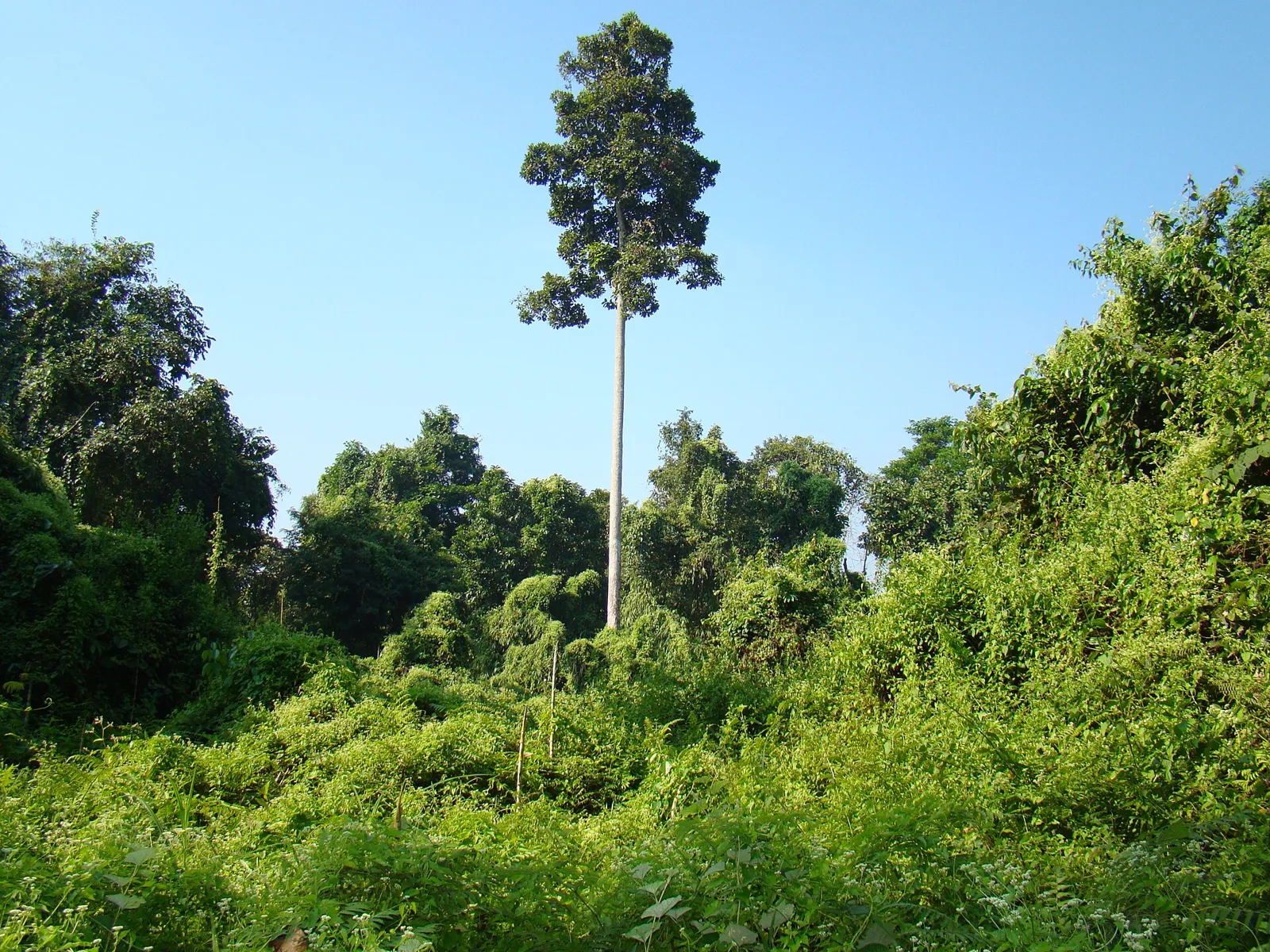
Hoollongapar Gibbon Sanctuary is an evergreen forest reserve in Assam’s Jorhat district, visited for its distinctive primates, including hoolock gibbons and Bengal slow lorises.

Map

Dhakuakhana on the map

  1. 1Sivasagar Sivadol
  2. 2Rang Ghar
  3. 3Talatal Ghar
  4. 4Majuli
  5. 5Kareng Ghar
  6. 6Auniati Satra
  7. 7Charaideo
  8. 8Hoollongapar Gibbon Sanctuary

Assam

Other cities to explore