Ghumoopedia — Explore, Discover, Experience
Sign in
Auniati Satra, near Bihpuria

City guide · Assam

Bihpuria

Bihpuria is a small town in Assam’s Lakhimpur district, set in the state’s northeastern Brahmaputra Valley. Its importance is chiefly regional: it serves nearby settlements with everyday shopping, transport links and basic services, while offering visitors a glimpse of life beyond Assam’s larger urban centres.

Famous for

  • Lakhimpur district setting
  • Local market life
  • Assamese rural culture
  • Gateway to nearby villages

Why Bihpuria matters

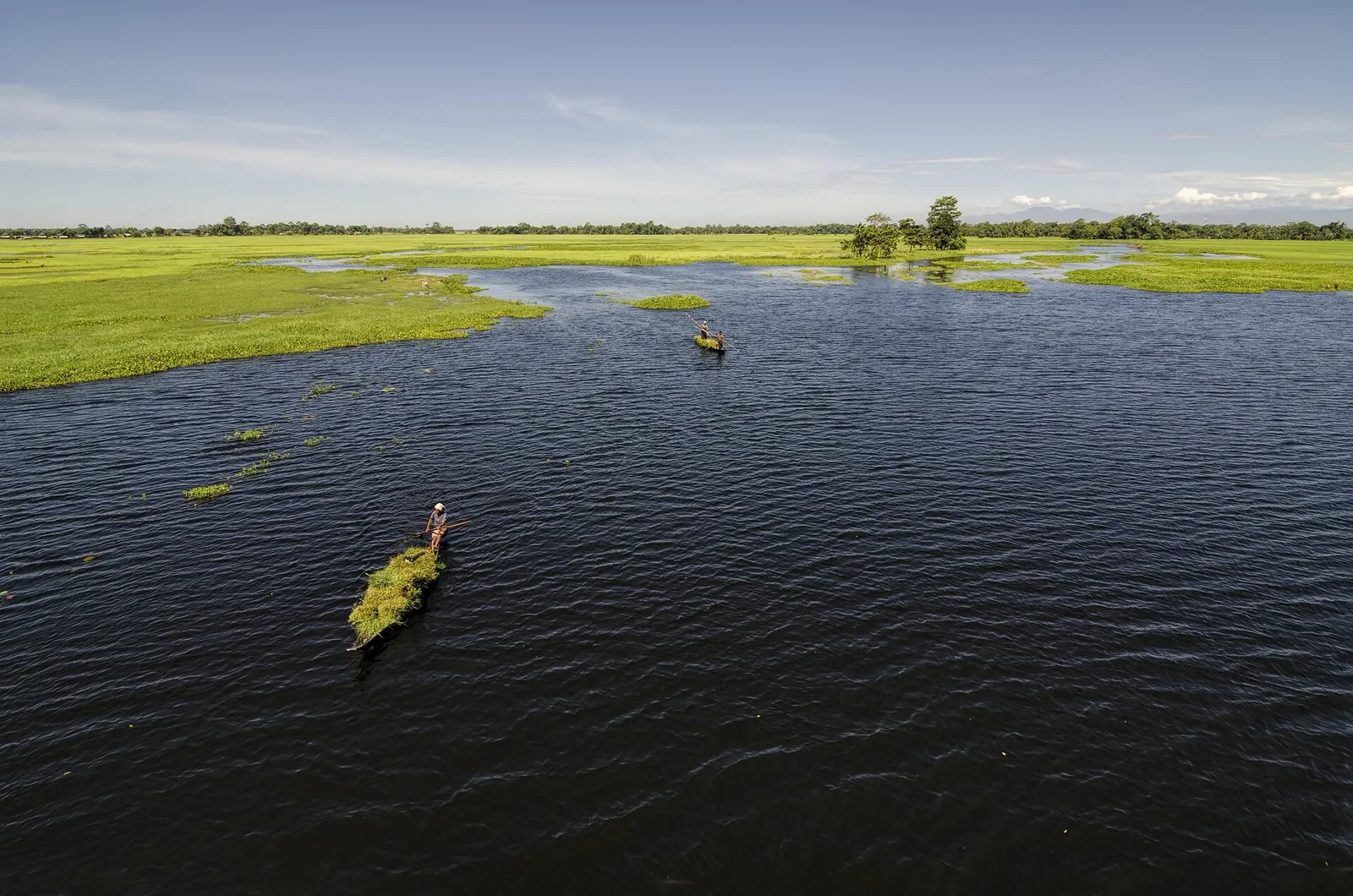
Bihpuria is a small town in Assam’s Lakhimpur district, set in the state’s northeastern Brahmaputra Valley. Its importance is chiefly regional: it serves nearby settlements with everyday shopping, transport links and basic services, while offering visitors a glimpse of life beyond Assam’s larger urban centres. The surrounding landscape of fields, villages and waterways gives the town a distinctly rural setting, shaped by agriculture and the rhythms of the seasons.

Bihpuria is best approached as a practical base for exploring this part of Lakhimpur rather than as a destination built around a single landmark or celebrated product. Its local market and streets show the everyday exchange of food, household goods and produce, while road and rail connections link it with other district centres. Visitors interested in Assamese culture can experience it through local food, seasonal festivals and community life. The town’s appeal lies in this unhurried, lived-in character and its position within a wider landscape of settlements and countryside.
Famous for: crafts, trade & products

Bihpuria’s identity is more closely tied to local trade and services than to a nationally recognised textile, craft or industrial speciality. Its market serves residents of the town and nearby villages, with everyday provisions, fresh produce and household goods forming the practical core of commerce. For visitors, browsing the bazaar is a useful way to see how the town connects its rural surroundings with district-level trade.

Assamese handloom traditions are part of the wider regional culture. In local shops or markets, visitors may come across items such as gamochas and other woven cloth, as well as bamboo or cane household wares, though these are regional crafts rather than products unique to Bihpuria. Rice, seasonal vegetables and locally sourced foods are more characteristic of everyday buying and selling than a single signature food product. There is no need to seek out a dedicated craft district: the central market streets are the natural place to look for ordinary goods and locally made items. For a broader selection of Assam’s textiles and crafts, larger district or state centres offer more specialised shopping.

History

Bihpuria’s growth is best understood through the history of the wider Lakhimpur region and its role as a centre for surrounding settlements. Before colonial rule, parts of this region were shaped by Assamese kingdoms, including the Chutia and Ahom polities. The British extended their control over Assam after the Treaty of Yandabo in 1826, bringing changes to administration, land use and trade across the region. These developments affected the district as a whole, rather than establishing a single defining historical episode for Bihpuria itself.

In more recent times, Bihpuria has developed as a small service and market town for nearby rural communities. Local commerce, public services and transport connections have been central to its growth. Its position within Lakhimpur links it to the district’s agricultural settlements and to larger centres that provide wider administrative and commercial connections. The town’s present-day character reflects this gradual regional development rather than a history centred on a major palace, monument or industrial boom.

Food, festivals & culture

Everyday food in Bihpuria reflects Assamese home cooking: rice is a staple, often served with fish, vegetables, leafy greens and lightly spiced preparations. Seasonal sweets and snacks such as pitha are associated with household celebrations and Bihu. Assamese is widely used in daily life; languages spoken in the wider district also include Mising, alongside Hindi and other languages used in commerce and travel.

Bihu is the main seasonal celebration, with Rongali Bihu in spring, Kati or Kongali Bihu in autumn, and Magh or Bhogali Bihu in winter. The festivals bring music, community gatherings and dance, including the lively Bihu dance. Mising communities in the region celebrate Ali-Aye-Ligang, usually in February or March, with traditional songs, dance and food. Hindu temples and neighbourhood places of worship are part of local community life, while prayer halls and other religious spaces reflect the area’s varied communities. Festival events are generally community-centred rather than staged as large visitor attractions.

Visiting the city

October to April is generally the most comfortable period to visit, with milder weather and less persistent rain than during the monsoon. The wet season can make countryside travel slower, though the landscape is greener. Lilabari Airport, serving the North Lakhimpur area, is the nearest airport. Bihpuria railway station is the closest rail stop; check connections before setting out, as onward travel may involve road transport.

Auto-rickshaws and shared or private vehicles are practical options for getting around town and reaching nearby settlements. Begin around the bazaar to see the everyday commercial centre, then explore residential streets and the surrounding countryside with local transport. Bihpuria works well as a modest stop or base for visiting other parts of Lakhimpur, rather than as a place with a concentrated set of major visitor attractions.

Trips from the city

Nearest places to visit from Bihpuria

Our closest destination guides, by straight-line distance.

Auniati Satra

22 km away · Majuli district

Auniati Satra

Auniati Satra is a Vaishnavite monastery on Majuli, connected with the Ahom dynasty and Ekasarana Dharma. People visit to learn about its devotional life, festivals and traditions of theatre, music and dance.

Majuli

30 km away · Majuli district

Majuli

Majuli is a river island in Assam, valued as a centre of Assamese neo-Vaishnavite culture and home to several tribal communities. Visitors reach it by ferry or boat from Jorhat.

Jorhat

42 km away · Jorhat district

Jorhat

Jorhat is an Assam city known for the Jorhat Gymkhana Club, home to Asia’s oldest golf course, and its location beside the Bhogdoi River.

Hoollongapar Gibbon Sanctuary

57 km away · Jorhat district

Hoollongapar Gibbon Sanctuary

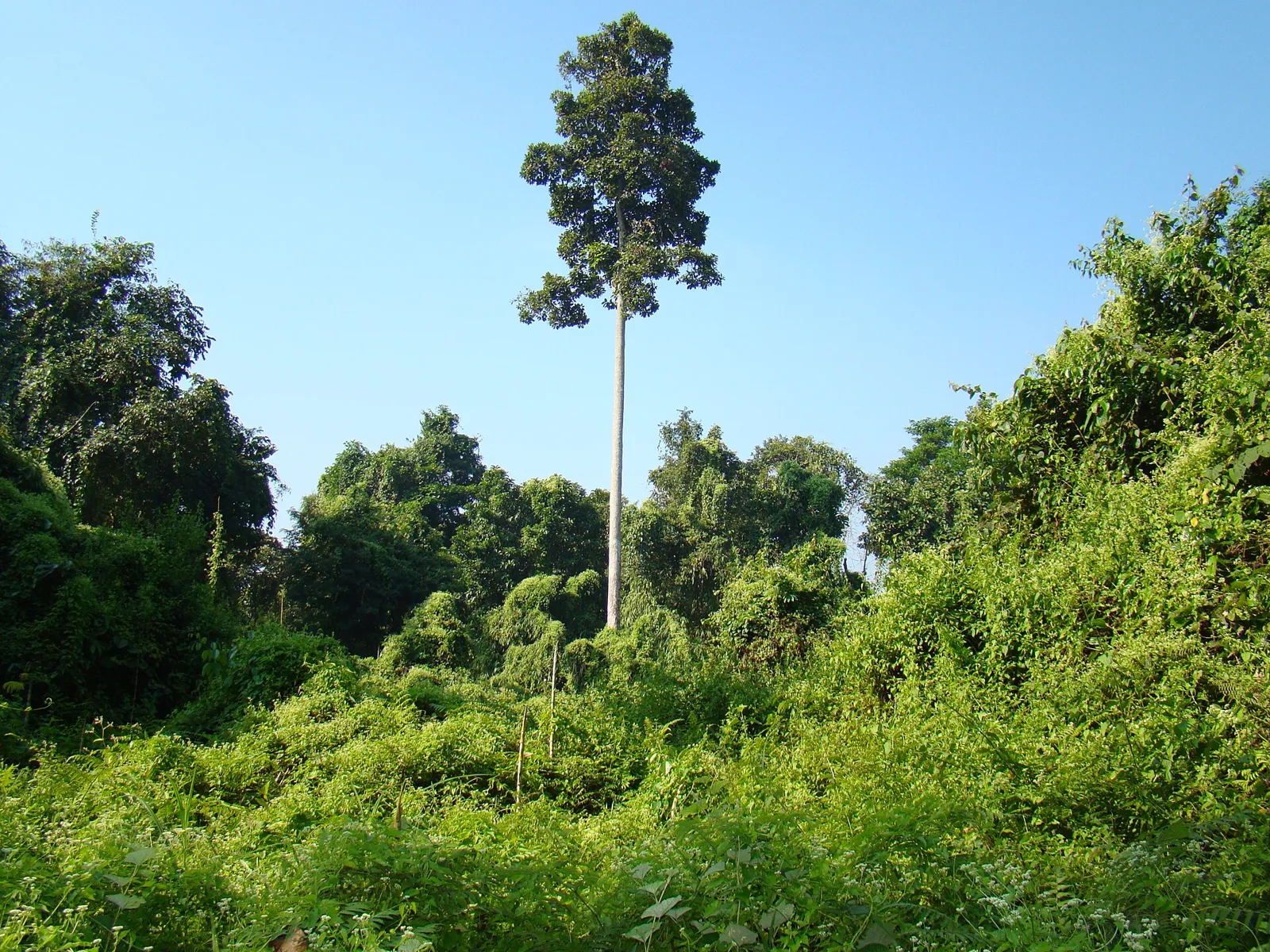
Hoollongapar Gibbon Sanctuary is an evergreen forest reserve in Assam’s Jorhat district, visited for its distinctive primates, including hoolock gibbons and Bengal slow lorises.

Kaziranga National Park

68 km away · Golaghat district

Kaziranga National Park

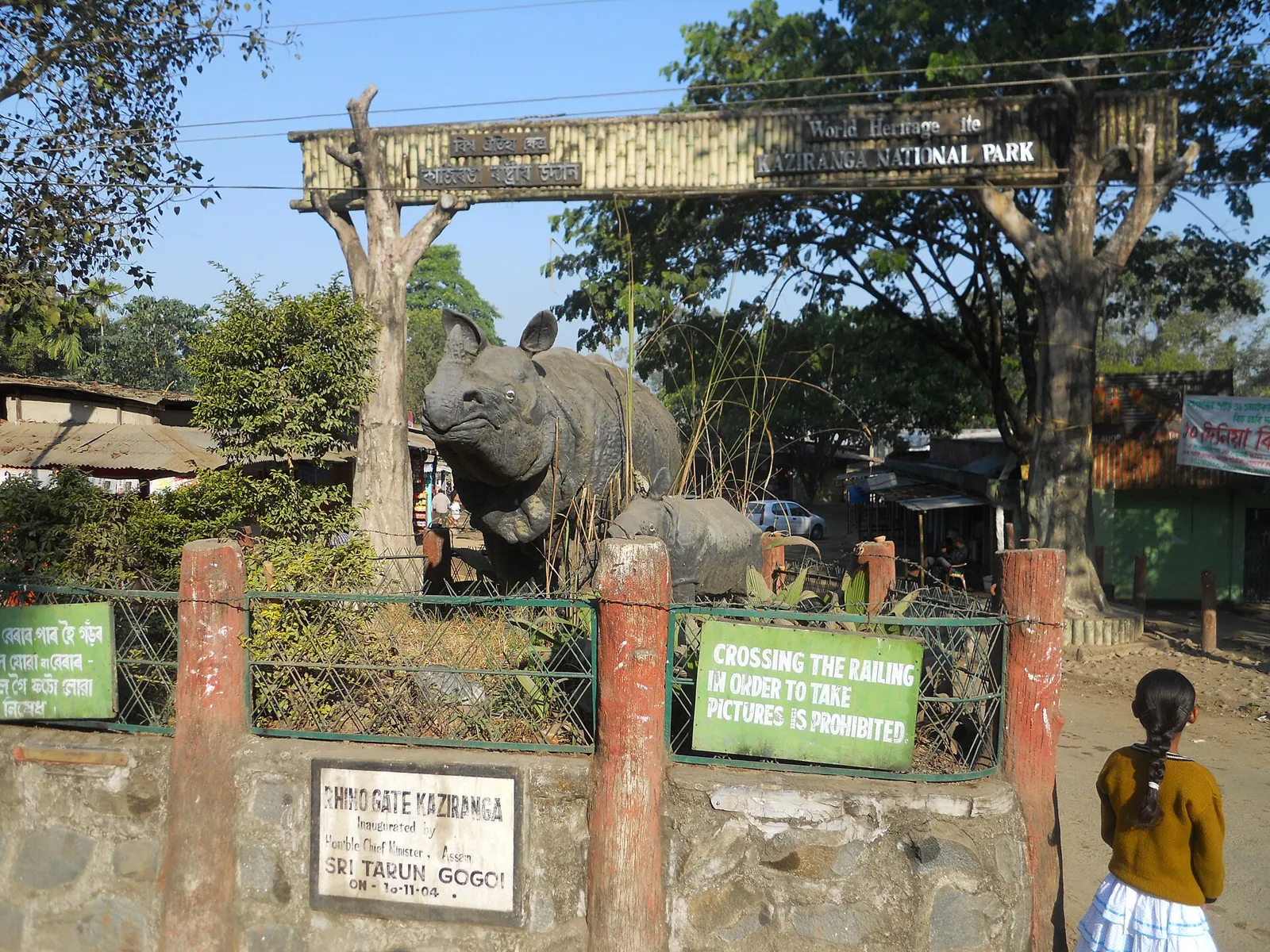
Located in Assam, Kaziranga National Park is a World Heritage Site across four districts. Visitors are drawn by its varied habitats and wildlife, including rhinoceroses, elephants and tigers.

Joysagar Tank

69 km away · Sivasagar district

Joysagar Tank

Joysagar Tank, also called Joysagar Borpukhuri, is a large historic tank in Assam’s Sivasagar district. Visitors come to learn about its historical significance.

Rang Ghar

70 km away · Sivasagar district

Rang Ghar

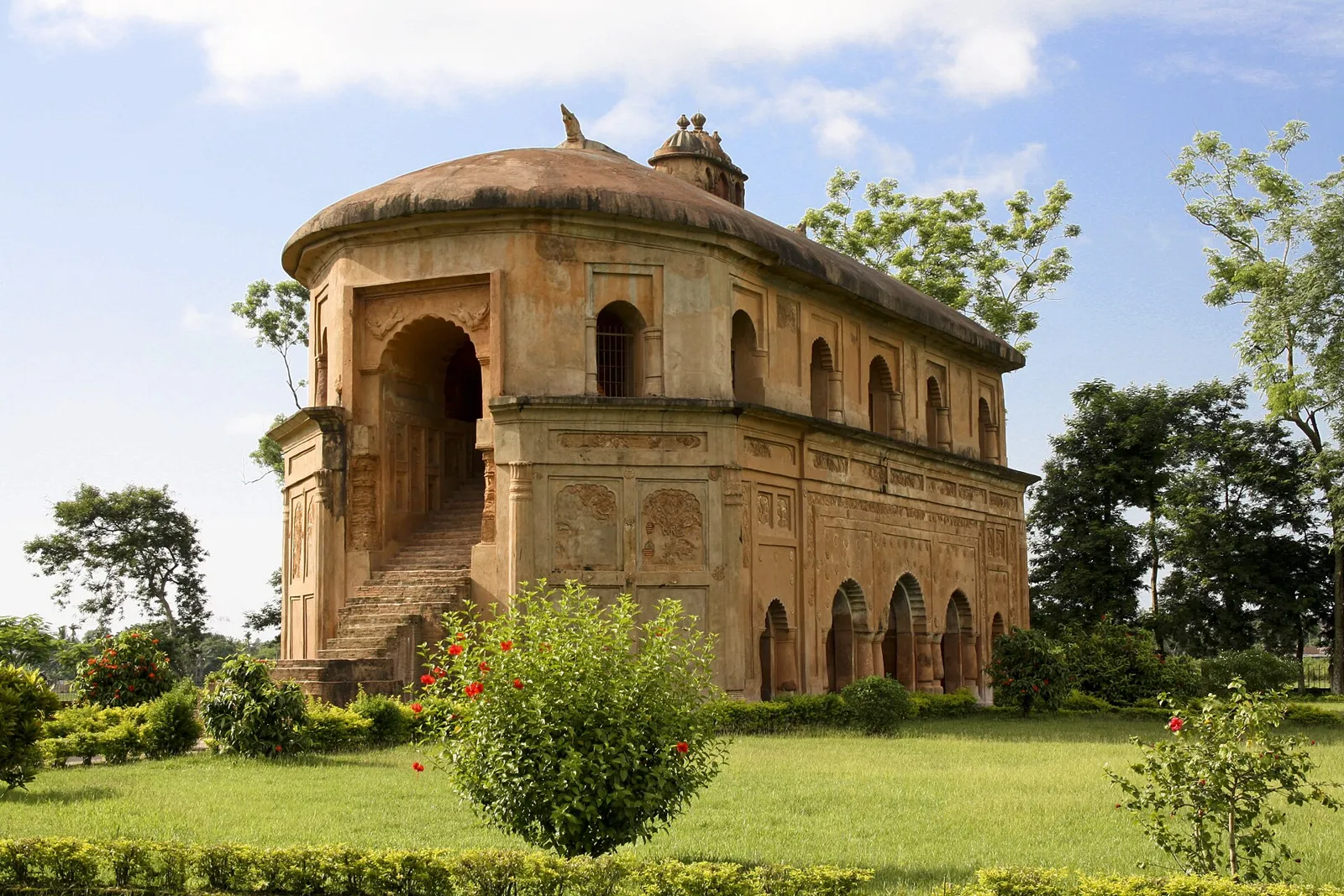
Rang Ghar is a two-storey former royal viewing pavilion in Sivasagar district, Assam, known for its links to Ahom-era sports and Rongali Bihu.

Sivasagar Sivadol

71 km away · Sivasagar district

Sivasagar Sivadol

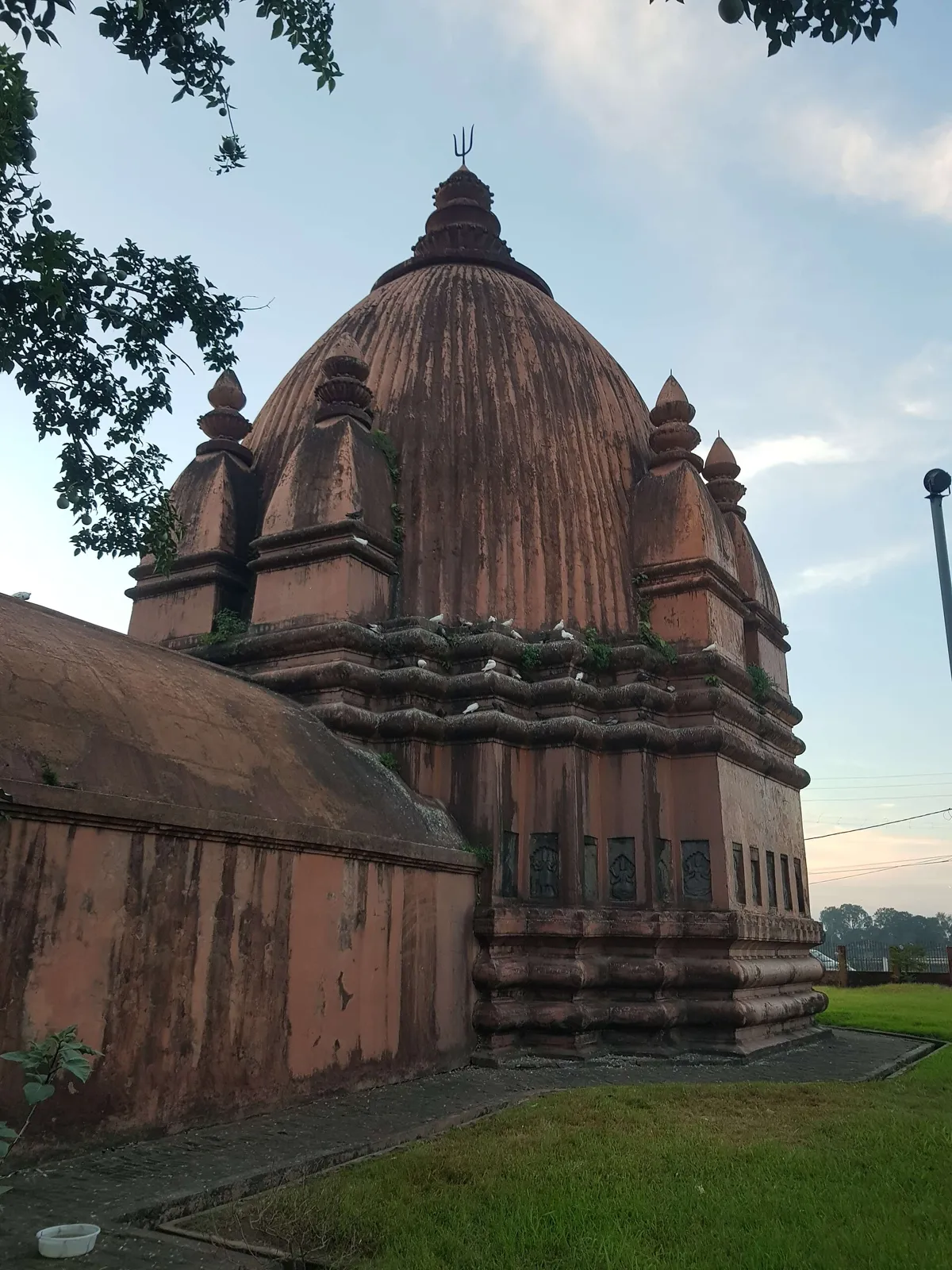
Sivasagar Sivadol is a complex of three Hindu shrines and a museum beside Sivasagar tank in Assam. Visitors come to see its temples, including the tall Sivadol.

Map

Bihpuria on the map

  1. 1Auniati Satra
  2. 2Majuli
  3. 3Jorhat
  4. 4Hoollongapar Gibbon Sanctuary
  5. 5Kaziranga National Park
  6. 6Joysagar Tank
  7. 7Rang Ghar
  8. 8Sivasagar Sivadol

Assam

Other cities to explore