Ghumoopedia — Explore, Discover, Experience
Sign in
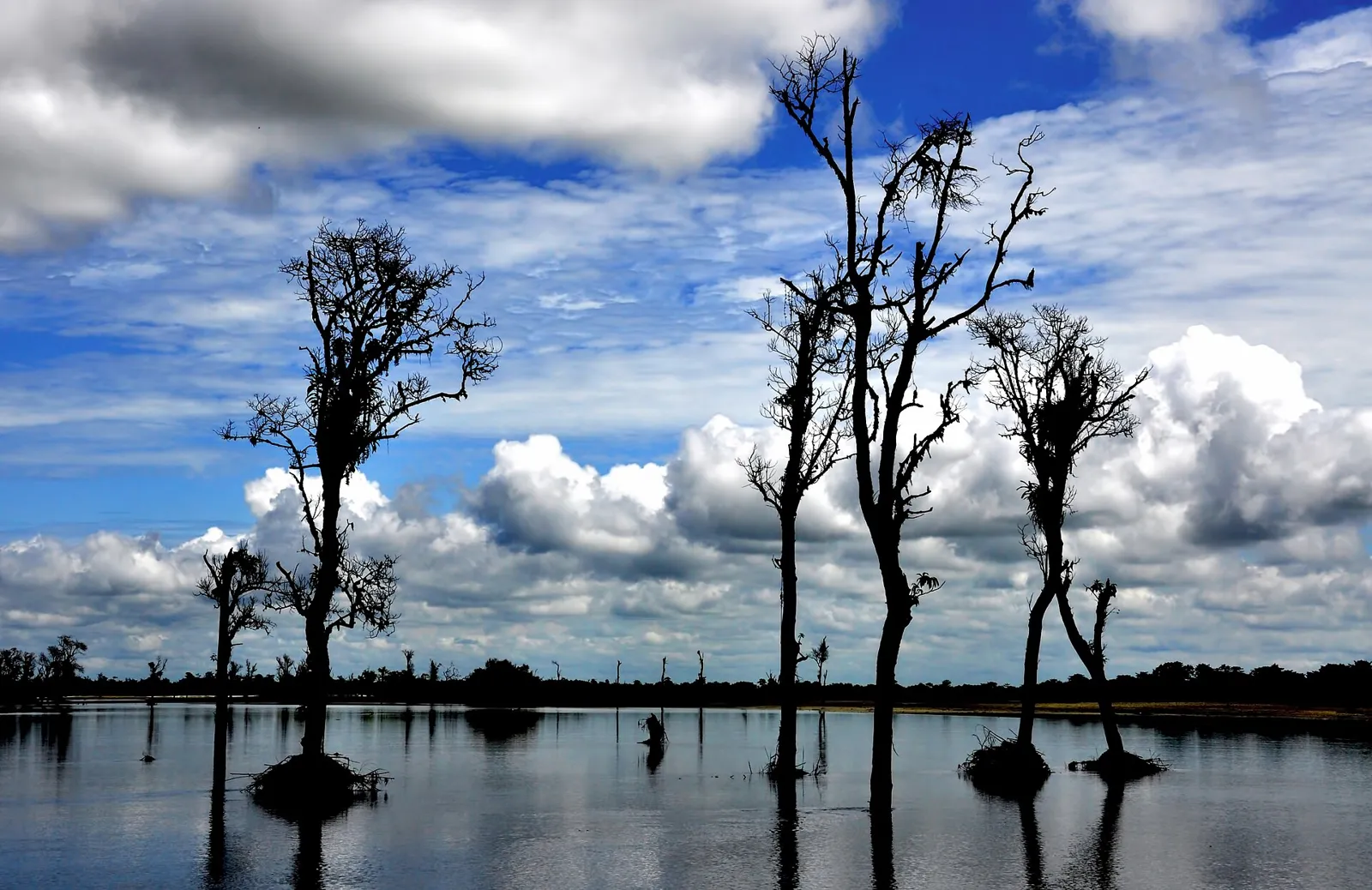
Dibru-Saikhowa National Park, near Chapakhowa

City guide · Assam

Chapakhowa

Chapakhowa is an administrative and market centre in eastern Assam, serving the Sadiya subdivision in Tinsukia district. Its importance comes less from big-city attractions than from its role connecting nearby communities with government services, local trade and transport.

Famous for

  • Sadiya subdivision headquarters
  • Gateway to the Sadiya region
  • Bhupen Hazarika Setu access
  • Chutia heritage nearby
  • Eastern Assam river landscapes

Why Chapakhowa matters

Chapakhowa is an administrative and market centre in eastern Assam, serving the Sadiya subdivision in Tinsukia district. Its importance comes less from big-city attractions than from its role connecting nearby communities with government services, local trade and transport. The town is also a practical base for exploring the wider Sadiya region, whose riverine setting and long history distinguish this corner of the state.

Visitors come for the journey as much as for the town itself: the approaches to the Bhupen Hazarika Setu, which crosses the Lohit between Dhola and Sadiya, open up views of broad waterways and low-lying countryside. Nearby Sadiya is associated with the medieval Chutia kingdom and its heritage. Chapakhowa is not especially known for a major craft, monument or resort scene; its appeal lies in its regional character, everyday markets and access to a less-visited part of Assam. Travellers should plan for a quiet small-town stay rather than a dense schedule of urban attractions.
Famous for: crafts, trade & products

Chapakhowa is not widely identified with a signature textile, handicraft, GI-tagged product or large manufacturing industry. Its commercial life is chiefly local: shops and markets serve residents and surrounding settlements with groceries, household goods, produce and everyday services. The town functions as a service centre for the Sadiya subdivision, rather than as a specialist destination for shopping.

Local food markets are the most useful places to look for seasonal produce and ingredients associated with Assamese cooking, including rice, vegetables and fish when available. Small shops may carry regional snacks and sweets, though selection varies and there is no particular confection or craft for which Chapakhowa is especially renowned. Visitors interested in Assam’s better-known weaving traditions may find a wider choice in larger towns elsewhere in the state; they should not assume that Chapakhowa has a dedicated handloom market. The wider Sadiya area is notable for its historical associations, but that heritage is not a commercial product. For locally made goods, ask in the central market about current availability rather than expecting a fixed cluster of workshops or souvenir stalls.

History

Chapakhowa’s story is closely linked to the older Sadiya region, rather than to a long-established urban centre of its own. Sadiya was an important centre of the Chutia kingdom, which ruled parts of the Brahmaputra valley before Ahom expansion. The region’s archaeological and religious heritage includes the remains associated with the Tamreswari temple. These landmarks belong to the broader Sadiya landscape and should not be confused with monuments in Chapakhowa’s town centre.

After the British took control of Assam in the nineteenth century, Sadiya became significant as a frontier and administrative outpost. The 1950 Assam earthquake and subsequent changes to rivers and transport routes reshaped the region’s connections and fortunes. Chapakhowa grew in modern times as an administrative and service centre for the subdivision, with road access gradually strengthening links to surrounding settlements. The Bhupen Hazarika Setu, opened in 2017 across the Lohit, improved road access to Sadiya and brought greater attention to this eastern part of Assam. Chapakhowa’s present-day identity is therefore largely administrative and regional.

Food, festivals & culture

Daily life reflects the varied communities of eastern Assam. Assamese is widely used, alongside Hindi and languages spoken within local communities. Rice is central to meals, often served with fish, vegetables and herbs; familiar Assamese flavours include tangy tenga preparations and khar. Pitha and larus are traditional treats, especially around festive occasions, though what is available in local shops changes with the season.

Bihu is the best-known Assamese festival cycle: Rongali Bihu is celebrated in spring, Kongali Bihu in autumn and Bhogali Bihu in winter. Community events may also mark Durga Puja and Eid, among other observances. Bihu songs and dance are part of the wider regional cultural life, while devotional singing and gatherings take place in local namghars. Hindu temples and mosques serve residents, and the historic religious sites of the wider Sadiya area offer additional context for visitors. Chapakhowa is a working town, so cultural experiences are more likely to be found through seasonal celebrations and community life than through a formal performance venue.

Visiting the city

The drier months, roughly October to April, are generally the most comfortable for a visit. Monsoon rain can make travel slower and affect local roads, so check conditions before setting out. Dibrugarh Airport at Mohanbari is a commonly used air gateway; Tinsukia Junction is the main rail connection for onward road travel. Neither is in Chapakhowa, and the final leg requires a road journey.

Within town, local shared vehicles, auto-rickshaws and hired cars are practical options, though availability can be limited. The central market and administrative area offer a feel for everyday Chapakhowa. For wider outings, explore the Sadiya approaches and the road toward Bhupen Hazarika Setu; arrange transport in advance for sites beyond town. Keep extra time for changing road and river conditions, especially during the rains.

Trips from the city

Nearest places to visit from Chapakhowa

Our closest destination guides, by straight-line distance.

Dibru-Saikhowa National Park

47 km away · Tinsukia district

Dibru-Saikhowa National Park

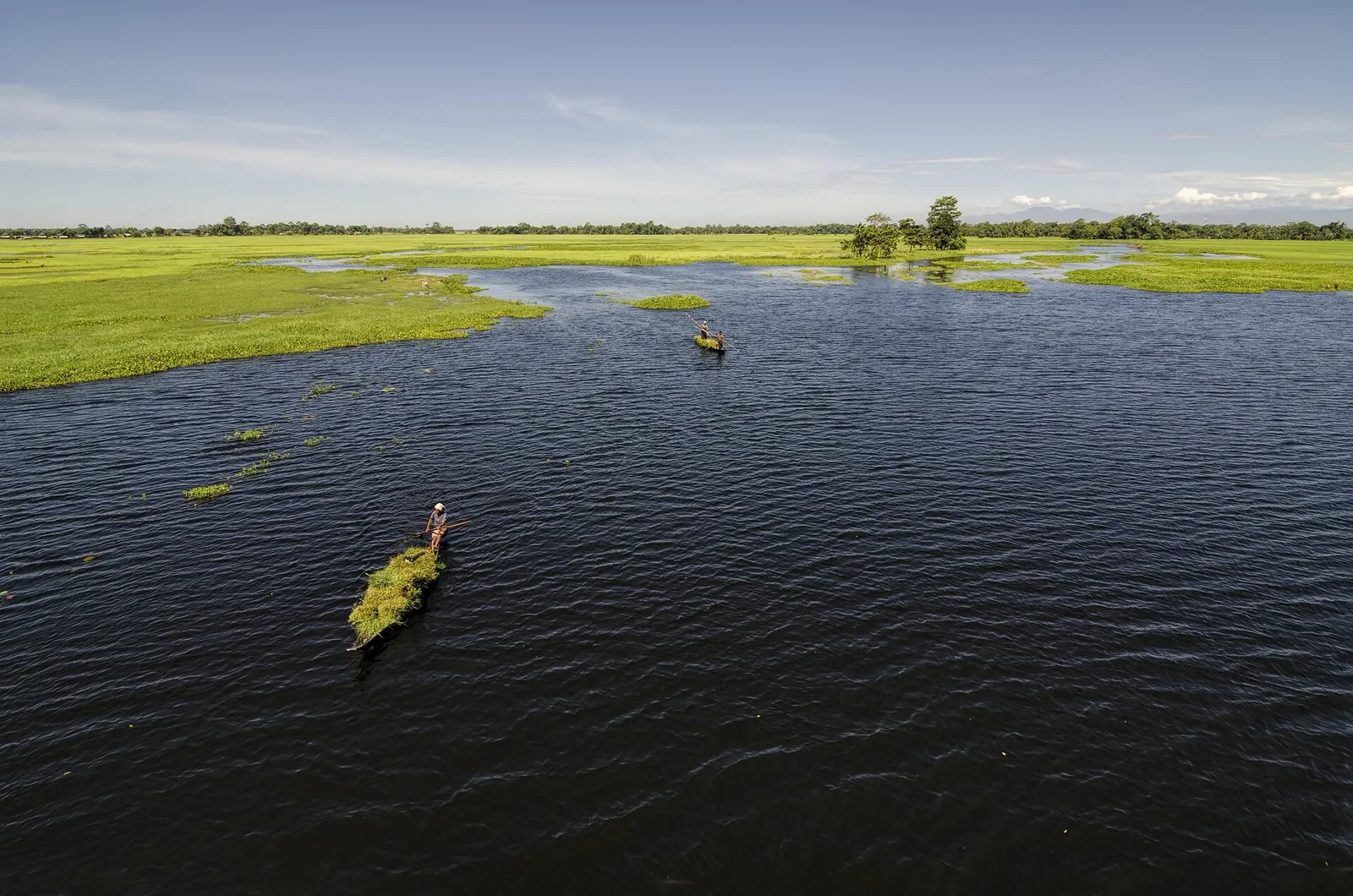
Dibru-Saikhowa National Park spans Dibrugarh and Tinsukia districts in Assam. Visitors come for its varied forest and wetland habitats, endangered species and rich fish diversity.

Digboi

61 km away · Tinsukia district

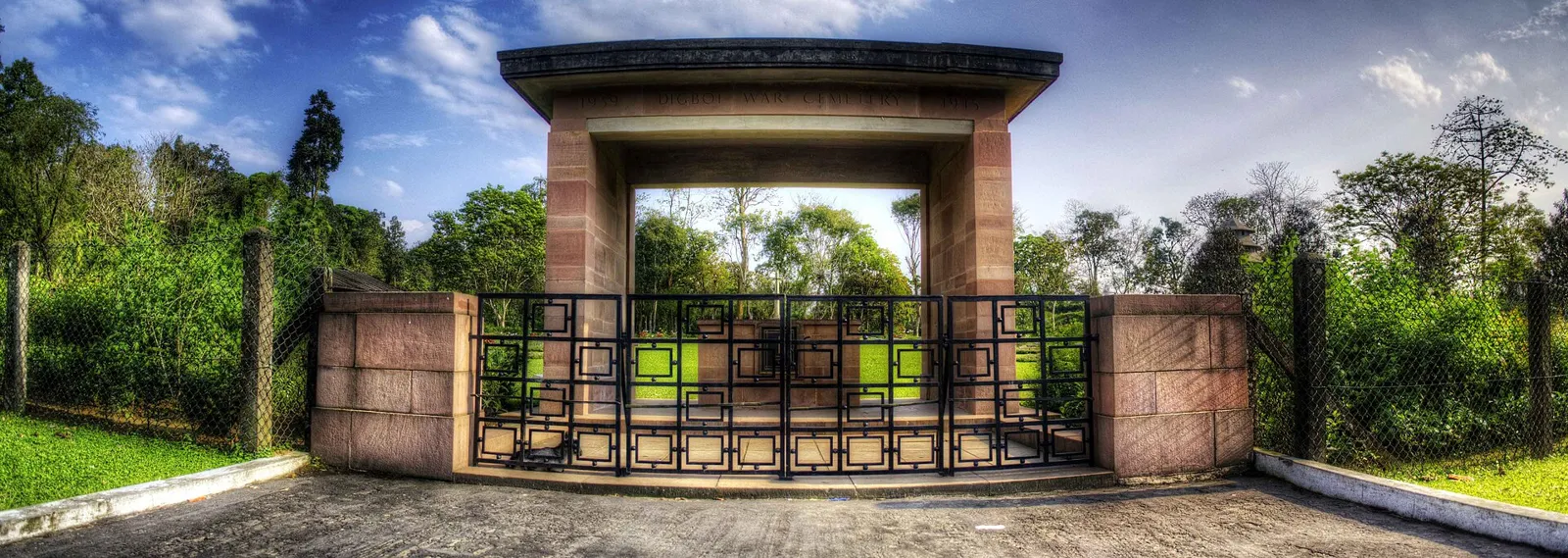
Digboi

Digboi is a city and municipal corporation in Assam’s Tinsukia district, known for its petroleum heritage. Visitors are drawn to its early oil-industry history, refinery and long-operating well.

Charaideo

139 km away · Charaideo district

Charaideo

Charaideo is a historic Assamese town and the Ahom kingdom’s first capital. Visitors come to see its maidams, burial mounds associated with Ahom kings and royal family members.

Kareng Ghar

148 km away · Sivasagar district

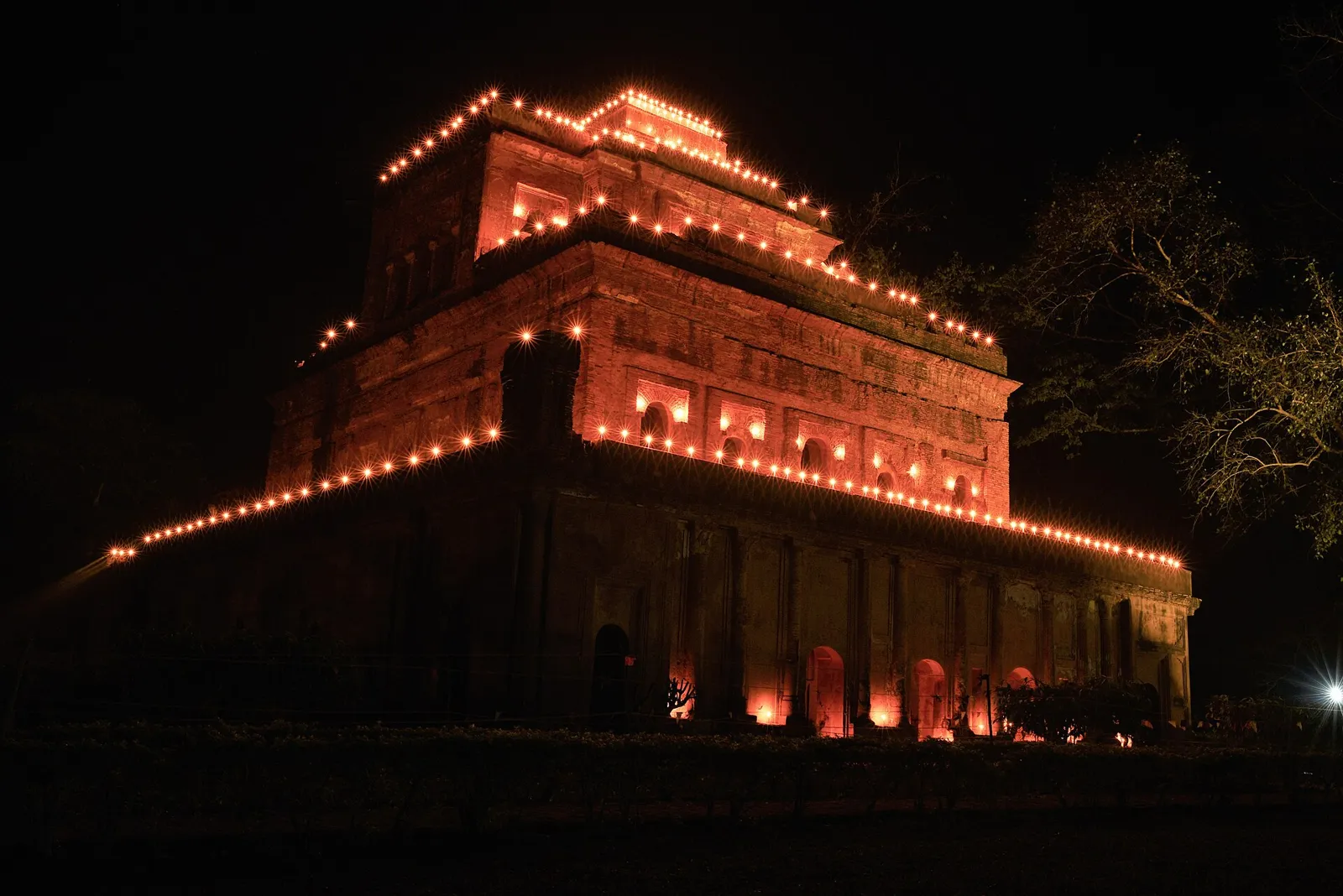
Kareng Ghar

Kareng Ghar, or Garhgaon Palace, is a historic palace in Assam’s Sivasagar district. Visitors come to see its distinctive multi-level form and learn about its place in Ahom history.

Sivasagar Sivadol

152 km away · Sivasagar district

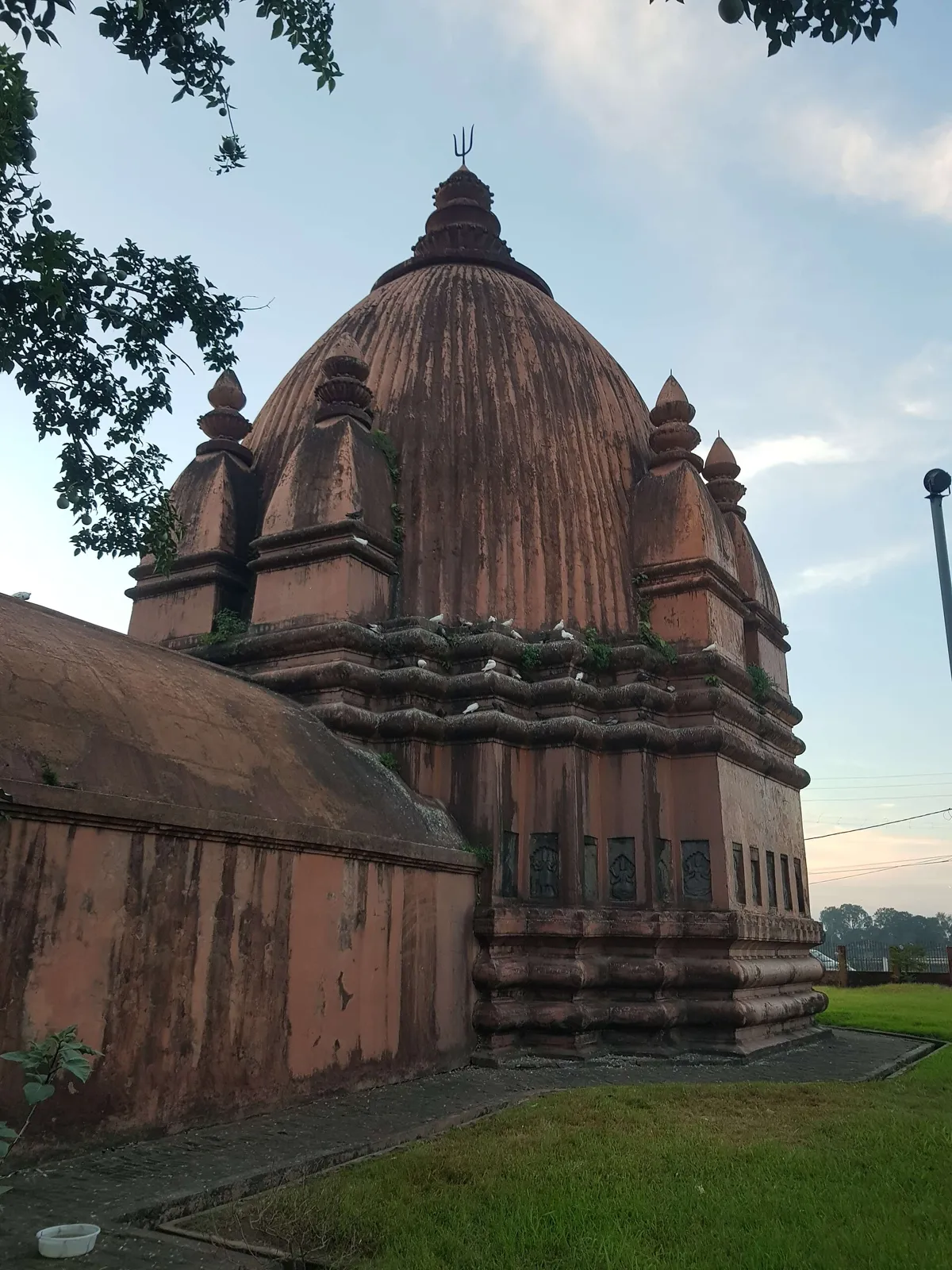
Sivasagar Sivadol

Sivasagar Sivadol is a complex of three Hindu shrines and a museum beside Sivasagar tank in Assam. Visitors come to see its temples, including the tall Sivadol.

154 km away · Sivasagar district

Talatal Ghar

Talatal Ghar is an eighteenth-century palace and military stronghold at Rangpur in Assam, and the largest monument of the Ahom era. Visitors explore its surviving ruins and underground features.

Rang Ghar

155 km away · Sivasagar district

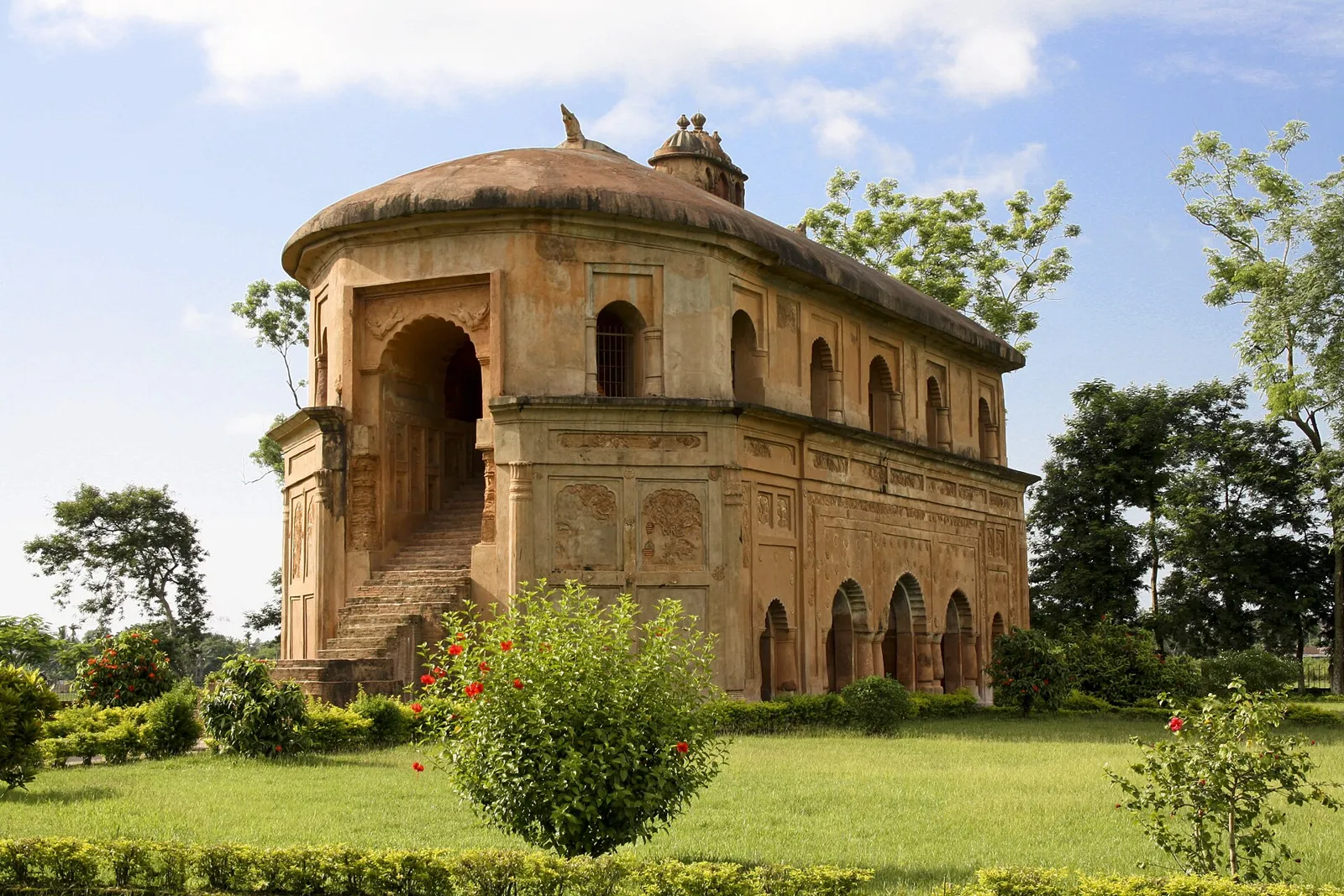
Rang Ghar

Rang Ghar is a two-storey former royal viewing pavilion in Sivasagar district, Assam, known for its links to Ahom-era sports and Rongali Bihu.

Majuli

184 km away · Majuli district

Majuli

Majuli is a river island in Assam, valued as a centre of Assamese neo-Vaishnavite culture and home to several tribal communities. Visitors reach it by ferry or boat from Jorhat.

Map

Chapakhowa on the map

  1. 1Dibru-Saikhowa National Park
  2. 2Digboi
  3. 3Charaideo
  4. 4Kareng Ghar
  5. 5Sivasagar Sivadol
  6. 6Talatal Ghar
  7. 7Rang Ghar
  8. 8Majuli

Assam

Other cities to explore