
Ghumoopedia — Explore, Discover, Experience
Sign in
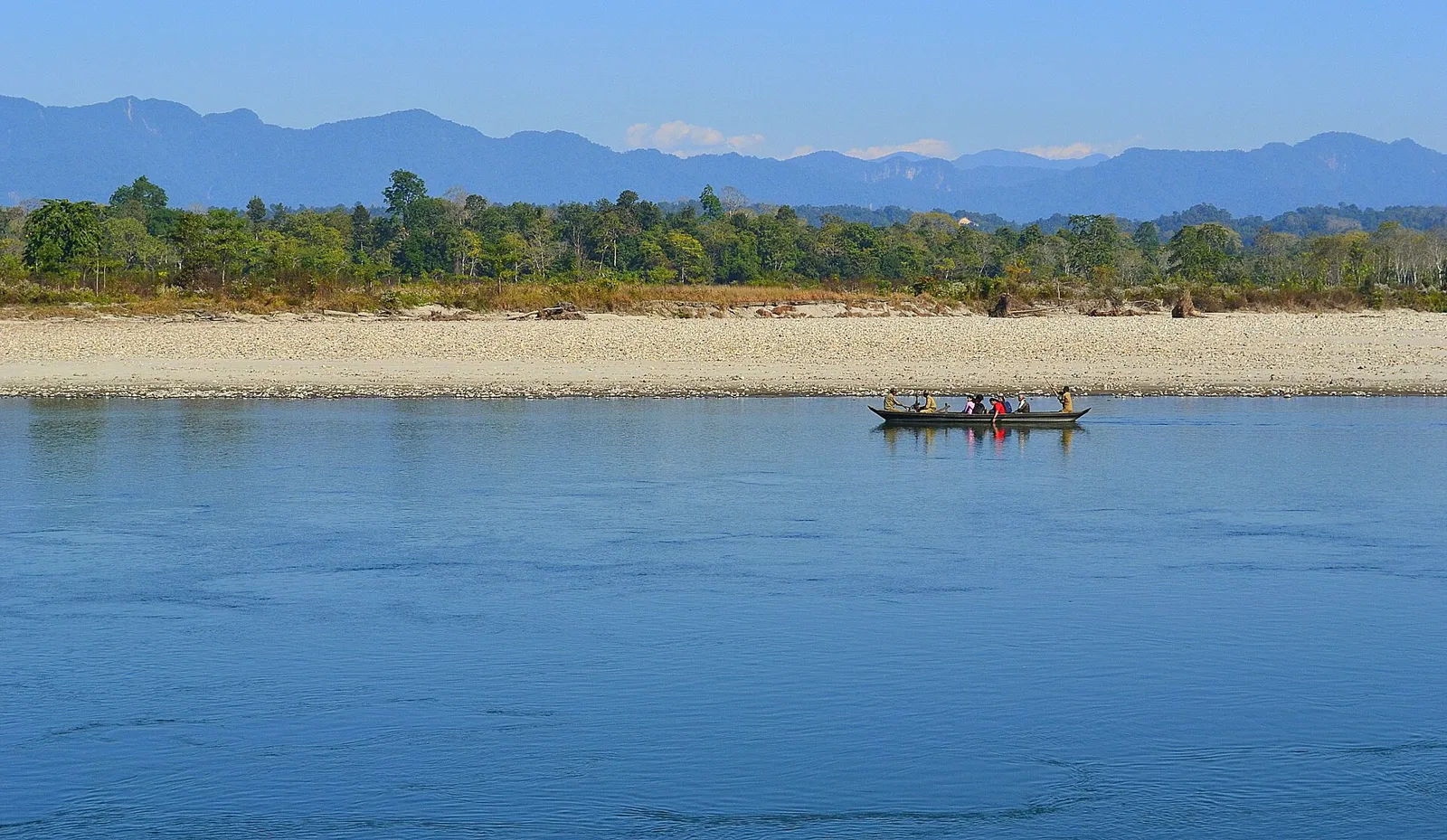
Nameri National Park, near Rangapara

City guide · Assam

Rangapara

Rangapara is a small municipal town in Sonitpur district, in northern Assam. Its importance comes less from a major monument or a specialised tourist industry than from its place in the region’s transport and tea-growing landscape.

Famous for

  • Rangapara North railway junction
  • Sonitpur tea-growing hinterland
  • Assam foothill setting
In the city
0
Nearby
1
District
Sonitpur
Plan a trip

Why Rangapara matters

Rangapara is a small municipal town in Sonitpur district, in northern Assam. Its importance comes less from a major monument or a specialised tourist industry than from its place in the region’s transport and tea-growing landscape. Rangapara North railway station connects the town with communities across Assam, while roads link it to nearby towns and the Himalayan foothills. This makes Rangapara a practical stop for travellers crossing the district, as well as a service centre for people living in surrounding settlements and tea-growing areas.

Visitors will find a working Assamese town rather than a resort destination: a local bazaar, everyday eateries and a railway station that reflects its role as a transport hub. The wider area offers access to Sonitpur’s tea country and foothill scenery, with further journeys possible towards the Assam–Arunachal Pradesh border region. Rangapara is best understood as a useful base and a glimpse of life in northern Assam, rather than as a place with a large collection of formal attractions.

Famous for: crafts, trade & products

Rangapara is not widely identified with a signature textile, handicraft, GI-tagged product or large manufacturing industry. Its local economy is connected to the needs of nearby settlements and tea-growing areas, and the town’s strongest recognisable association is its railway junction. Tea is an important product of the wider Sonitpur region, though visitors should not assume that a particular tea brand or estate is based in the town itself.

For everyday goods, snacks and household purchases, the town bazaar and shops near the central road and station are the most practical places to look. These are local markets rather than specialist craft or souvenir districts. Packaged Assam tea may be available through ordinary shops, but estate visits or purchases directly from a garden require checking locally and arranging permission where needed. Rangapara is therefore more useful as a place to buy daily provisions and sample regional food than as a destination for shopping for distinctive Assamese crafts. Travellers seeking a broader selection of handloom, handicrafts or branded tea can look in larger commercial centres in the region.

History

Rangapara’s growth is closely associated with the expansion of railways and tea cultivation in Assam. During the colonial period, rail connections supported the movement of people and goods through the tea-growing districts, helping settlements around railway junctions develop as service and trading centres. Rangapara North became an important point in the regional rail network, and the town’s position among Sonitpur’s tea areas reinforced its practical role.

The town developed around transport, local commerce and services for nearby communities rather than around a royal court or a single historic monument. Assam’s older political history belongs to the wider region; it should not be confused with a specific documented ruling dynasty of Rangapara itself. In modern times, the railway remains central to the town’s identity, alongside road links and municipal services. Rangapara continues to serve residents and travellers moving through Sonitpur, while its surrounding tea-growing landscape remains part of the district’s economic character.

Food, festivals & culture

Daily life reflects the varied communities of northern Assam. Assamese is widely used, alongside other languages spoken in the district and among residents with different regional backgrounds. Rice is a staple, commonly accompanied by fish, vegetables and local greens; sour fish preparations in the Assamese style are familiar across the region. Pitha and laru, often made for festive occasions, are among the sweets and snacks visitors may encounter, though recipes and availability vary by household and season.

Bihu is the central Assamese festival cycle: Rongali Bihu is celebrated in spring, Bhogali Bihu in winter and Kongali Bihu in autumn. Bihu songs and dances, with instruments such as the dhol and pepa, are part of the wider cultural tradition. Durga Puja, Eid and Christmas are also observed by communities across the area. Temples, mosques and churches serve local worshippers; Rangapara is better approached as a town with active community life than as a destination for a single famous shrine or festival.

Visiting the city

The cooler, generally drier months from October to April are the most comfortable time to visit. The monsoon brings heavier rain, which can affect road journeys. Tezpur Airport, also called Salonibari Airport, is the nearest airport; Rangapara North is the town’s main railway station and a useful rail connection for the district.

Auto-rickshaws and local shared vehicles are practical for getting around town, while road transport connects Rangapara with nearby settlements. The station area and central bazaar are good places to explore on foot for everyday shops and food. Tea-growing areas and foothill routes make worthwhile excursions, but access to private tea estates may require permission. Check local transport and road conditions before setting out beyond town, especially during the rainy season.

Short trips

Around Rangapara

Within about 40 km — easy half-day or day trips from the city.

Map

Rangapara on the map

  1. 1Nameri National Park

Assam

Other cities to explore