
Ghumoopedia — Explore, Discover, Experience
Sign in
Haflong, near Haflong

City guide · Assam

Haflong

Haflong is an Assam town and the administrative centre of Dima Hasao district. Visitors come to experience it as the state’s sole hill station.

Famous for

  • Assam’s hill station
  • Haflong Lake
  • Dimasa heritage
  • Jatinga bird lore
  • Dima Hasao headquarters
In the city
2
District
Dima Hasao

Why Haflong matters

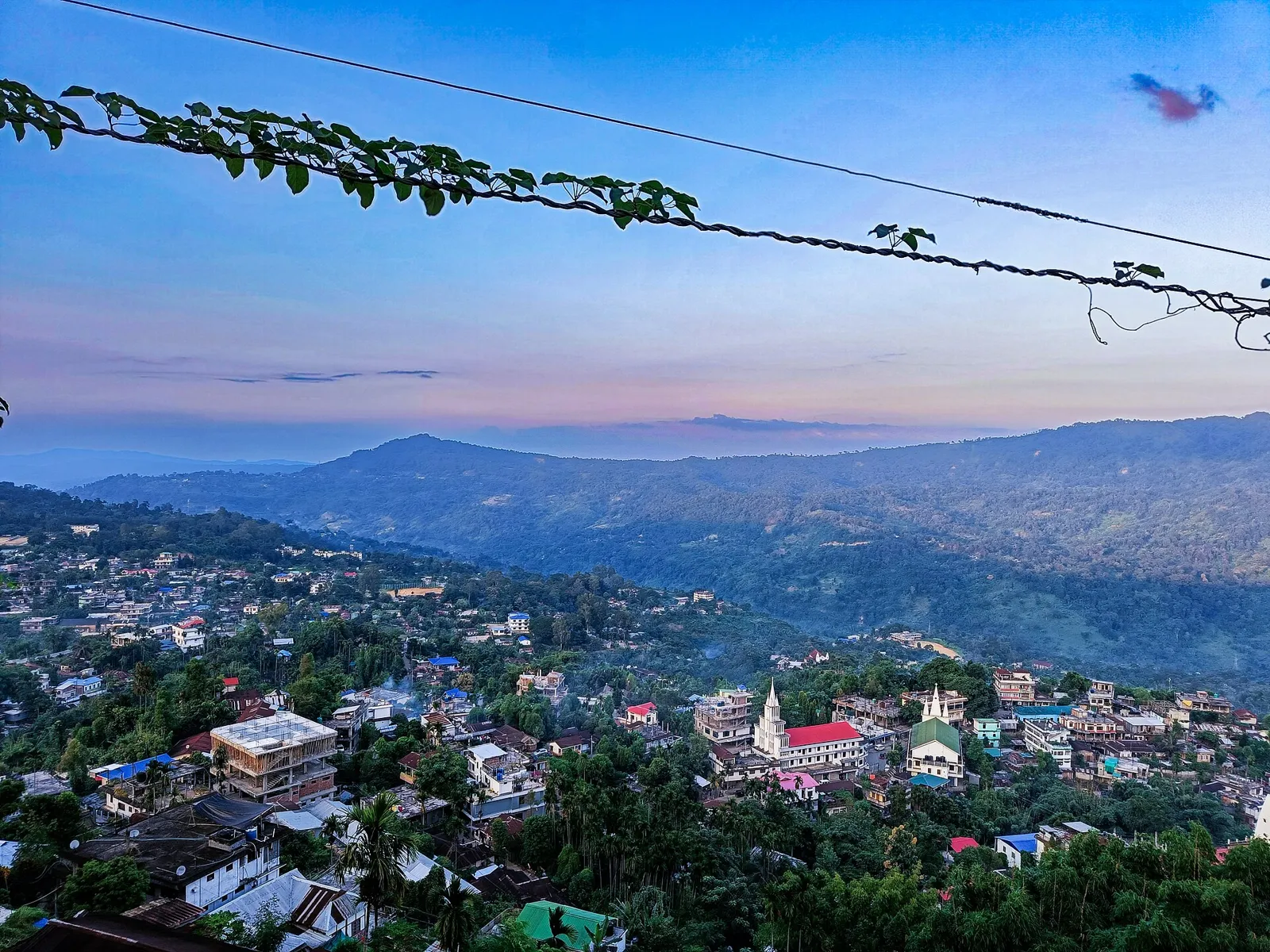
Haflong is the headquarters of Dima Hasao district and a hill town in southern Assam. Set among wooded ridges, it serves as an administrative and trading centre for the surrounding hill communities. Its relatively cool highland setting distinguishes it from much of the state, and it is widely described as Assam’s only hill station.

Visitors come for the scenery, quiet viewpoints and Haflong Lake, as well as for a glimpse of the region’s distinctive mix of communities and traditions. Jatinga, a nearby village associated with reports of seasonal bird disorientation, is another familiar name in travel accounts, though wildlife activity is neither a spectacle nor guaranteed. The town is also a useful base for exploring Dima Hasao, including its landscapes and historic sites beyond the main settlement. Haflong’s name comes from a Dimasa word meaning “ant hill,” a reminder of the strong connection between the town and the Indigenous Dimasa community. Its steep terrain and heavy monsoon rains make weather an important consideration for travel.
Famous for: crafts, trade & products

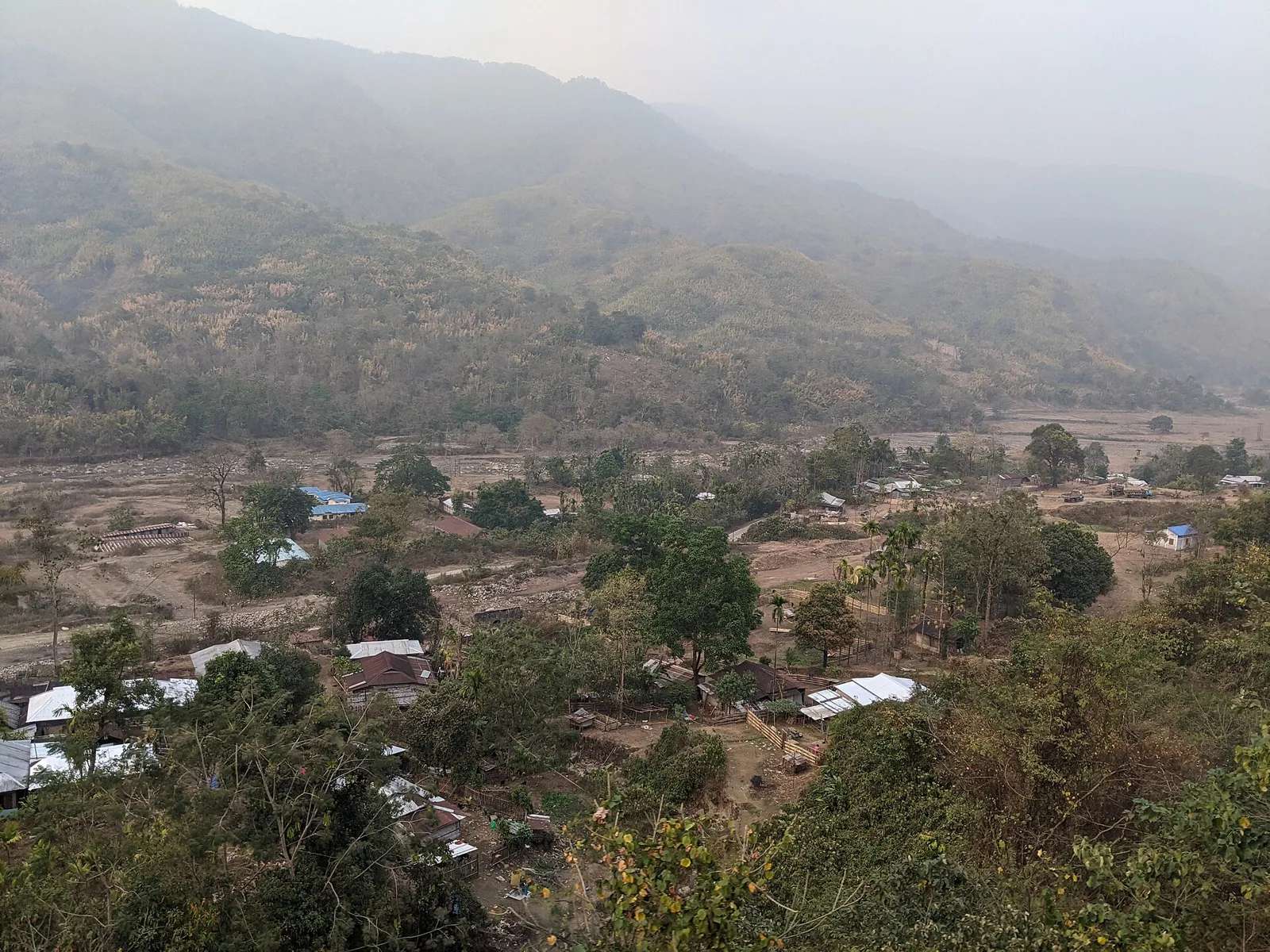
Haflong is better known for its hill setting and role as a district centre than for a large textile, manufacturing or export industry. It does not have a widely recognised local GI-tagged product. The town’s central market is the most practical place to look for everyday goods, regional produce and items brought in from villages across Dima Hasao.

Handloom weaving and bamboo and cane work are practised among communities in the wider region. Visitors may find woven cloth, household articles or small craft items through local shops and market sellers, although availability and selection vary. These are best understood as community crafts rather than a single standardised Haflong product. Market stalls also provide a window onto local foods and seasonal produce. For a more distinctive purchase, ask locally about crafts made in nearby settlements and seek out pieces sold directly by makers where possible. Haflong’s value as a place to discover regional products lies in this connection to surrounding communities, not in a specialised shopping district or a major commercial craft industry.

History

The history of Haflong is closely linked to the Dimasa people and the changing administration of the surrounding hills. The Dimasa Kachari kingdom shaped the region’s past; nearby Maibong, rather than Haflong, is remembered as an important former capital of the kingdom. The town itself developed primarily as a settlement and administrative centre in the hill tract.

Under British rule, the area was brought into colonial administration, and transport links gradually connected the hills with the Assam plains. Rail and road access later helped strengthen Haflong’s role as a service centre for the surrounding settlements. After independence, the town continued to grow as government offices and public services were established there. It became the headquarters of North Cachar Hills district, whose name was changed to Dima Hasao in 2010. Today Haflong remains the district’s principal administrative hub, while its hill-town character and links to Dimasa history give it wider significance.

Food, festivals & culture

Haflong’s everyday culture reflects the Dimasa and other communities of Dima Hasao, alongside Assamese, Bengali and wider Indian influences. Rice is a staple, commonly served with fish, pork, leafy greens, herbs and, in some local cooking, bamboo shoot. Food choices vary between households and communities. Rice cakes and pitha are enjoyed during festive periods, while the town’s eateries and market stalls offer a simple way to sample everyday regional dishes.

Busu Dima, the major Dimasa festival, is generally celebrated in winter, often around January; music, dance and community gatherings are central to the occasion. Bihu celebrations, Christmas and Hindu festivals are also observed by different communities through the year. Dimasa, Assamese and Bengali are among the languages heard locally, with Hindi and English also used. Traditional songs and dances remain important at cultural events. Places of worship include Hindu temples, churches and mosques, reflecting the town’s religious diversity.

Visiting the city

The drier, cooler months from roughly October to April are generally the most comfortable for exploring Haflong. Monsoon rain can be intense and may affect road travel, so check local conditions before setting out. The nearest airport is Silchar Airport, also known as Kumbhirgram Airport; the main rail connection is New Haflong railway station.

Taxis and shared vehicles are useful for getting around town and reaching nearby places, while walking suits the central area, though slopes can be steep. Explore the town centre and market, spend time around Haflong Lake, and seek out viewpoints for the surrounding hills. Jatinga is a nearby excursion; Maibong is another option for travellers interested in regional history. Allow extra time for journeys on winding hill roads.

Attractions

Places to visit in Haflong

Sights within about 12 km of each other, even when they fall in different districts.

Map

Haflong on the map

  1. 1Haflong
  2. 2Jatinga

Assam

Other cities to explore