
Ghumoopedia — Explore, Discover, Experience
Sign in
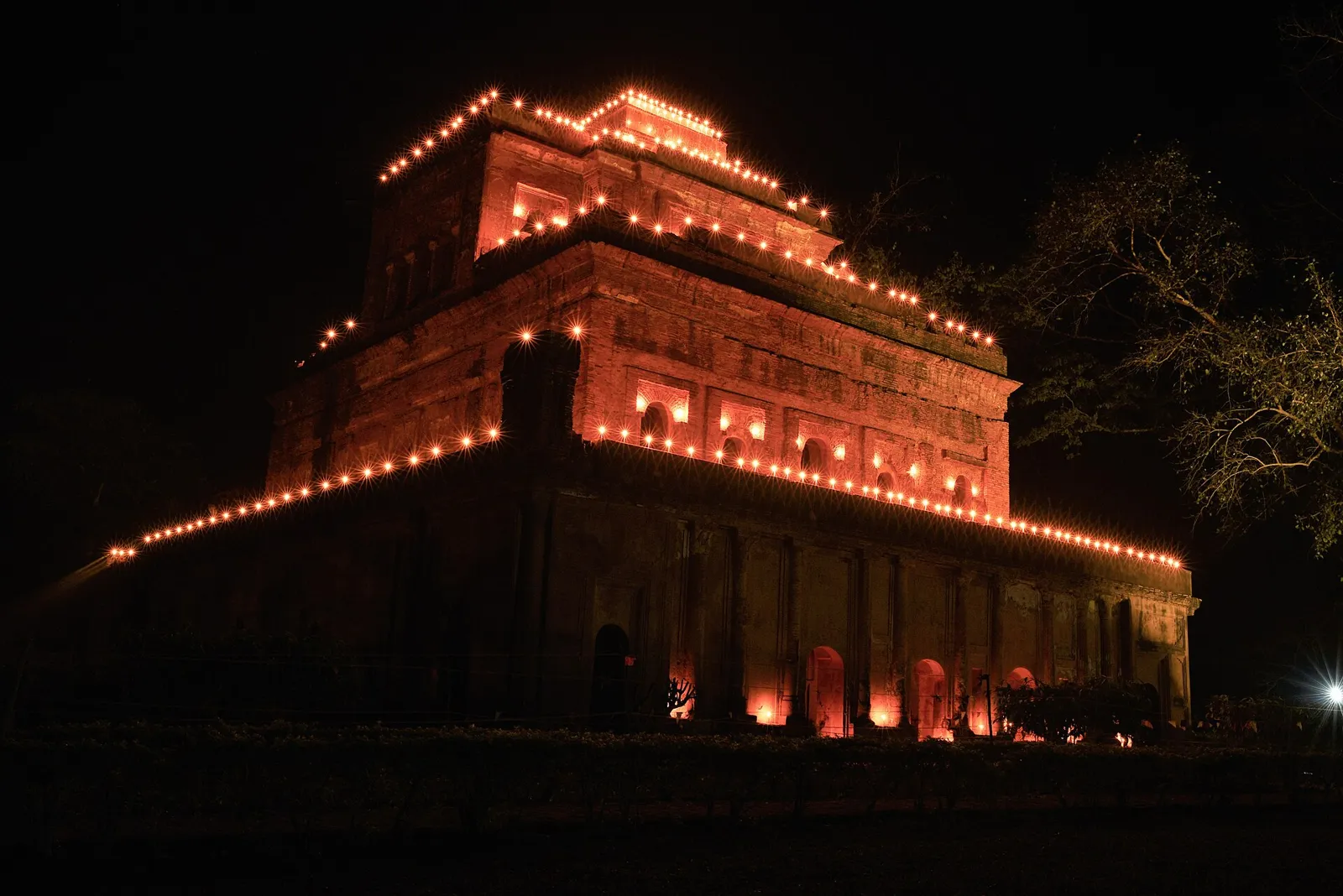
Kareng Ghar, near Nazira

City guide · Assam

Nazira

Nazira is a town in Sivasagar district, in Upper Assam, where the region’s Ahom history meets its tea-growing and energy industries. It lies close to Gargaon, an important former capital of the Ahom kingdom, and makes a useful base for visiting historic sites in the surrounding countryside.

Famous for

  • Ahom heritage near Gargaon
  • Kareng Ghar palace
  • Assam tea history
  • ONGC oil and gas
  • Dikhow River temples
In the city
1
Nearby
1
Districts
Sivasagar, Charaideo

Why Nazira matters

Nazira is a town in Sivasagar district, in Upper Assam, where the region’s Ahom history meets its tea-growing and energy industries. It lies close to Gargaon, an important former capital of the Ahom kingdom, and makes a useful base for visiting historic sites in the surrounding countryside. Nearby highlights include Kareng Ghar, the Gorokihiya Temple at Namati and the royal burial mounds of Charaideo.

Nazira’s modern identity is also closely linked to tea and the Oil and Natural Gas Corporation (ONGC), whose presence has shaped local employment and the town’s development. The area’s colonial-era tea connections are visible in the history of the Assam Company and in surviving sites associated with tea planters. Visitors come chiefly for this mix of heritage, riverine landscapes and regional history rather than for a large resort or shopping scene. Nazira is a working town, with everyday services and markets, and offers a quieter starting point for exploring Sivasagar district.
Famous for: crafts, trade & products

Nazira is associated with Assam tea and the history of tea planting in Upper Assam. The Assam Company established its headquarters here in the nineteenth century, and tea gardens in and around the town remain part of the local landscape. Tea is the most recognisable regional product for visitors; packaged Assam tea can be sought in local shops, though Nazira is not especially known as a specialist tea-retail destination.

The town is also known for ONGC, a major oil and gas institution and employer in the area. Its colony includes historic buildings and an old British-era cemetery. Unlike some Assamese towns, Nazira is not widely identified with a particular textile, handicraft or GI-tagged product. The town’s bazaar is mainly a place for residents to buy everyday goods and provisions, rather than a dedicated crafts market. For visitors interested in local heritage, the most distinctive “things to see” are the tea-era and ONGC sites, as well as nearby Ahom monuments such as Kareng Ghar and the temples around Namati—not a specific shopping quarter.

History

Nazira’s early importance grew from its position near the Dikhow River and Gargaon, a long-standing capital of the Ahom kingdom. A local tradition explains its name as “Now-Jeera,” a resting place for boats; another interpretation derives it from Tai Ahom words describing sloping land. The nearby Kareng Ghar, an Ahom royal palace associated with King Rajeshwar Singha, recalls the area’s medieval political importance. Temples around Namati also preserve links to Ahom rulers and worship.

During British rule, tea planting expanded across Upper Assam. John White Masters of the Assam Company took up residence at Nazira in 1839, and the town became the company’s headquarters. The tea-planter era left traces including a cemetery in the present ONGC colony. Nazira also had a role in the China-Burma-India theatre during the Second World War. In the modern period, ONGC’s presence has made the town an important energy and employment centre within Sivasagar district.

Food, festivals & culture

Daily life in Nazira reflects the wider culture of Upper Assam. Assamese is the principal language, alongside other languages spoken by the area’s diverse communities. Meals commonly draw on regional staples such as rice, fish, vegetables and leafy greens; khar and sour tenga preparations are familiar Assamese dishes. Pitha and laru are traditional treats, especially associated with festive gatherings, though menus and customs vary between households.

Bihu is the best-known seasonal celebration: Rongali Bihu welcomes spring and the Assamese new year, while Bhogali Bihu in midwinter centres on harvest-time feasting; Kati Bihu is observed in autumn. Bihu songs and dances are part of the region’s cultural life, with community events and family celebrations shaping the festivities. Places of worship include the Gorokihiya Temple at Namati, dedicated to Shiva, and other local temples. The area’s Ahom heritage is an important part of its cultural setting, alongside the everyday traditions of contemporary Assamese life.

Visiting the city

October to April is generally the most comfortable time to explore Nazira and nearby heritage sites; the monsoon months can bring heavy rain and make road journeys less convenient. The nearest airport is Jorhat Airport, while Simaluguri Junction is a principal nearby railway station. From either, continue by road; local taxis and auto-rickshaws are useful for getting around town, and a hired vehicle is practical for visiting sites beyond it.

Explore the town centre and bazaar for everyday local life, and the ONGC colony for tea-era history and its old cemetery. Nearby excursions include Kareng Ghar at Gargaon, the Gorokihiya Temple at Namati and Charaideo’s Ahom burial mounds. Check local access arrangements before visiting institutional or residential areas.

Attractions

Places to visit in Nazira

Sights within about 12 km of each other, even when they fall in different districts.

Short trips

Around Nazira

Within about 40 km — easy half-day or day trips from the city.

Map

Nazira on the map

  1. 1Kareng Ghar
  2. 2Charaideo

Assam

Other cities to explore