
Ghumoopedia — Explore, Discover, Experience
Sign in
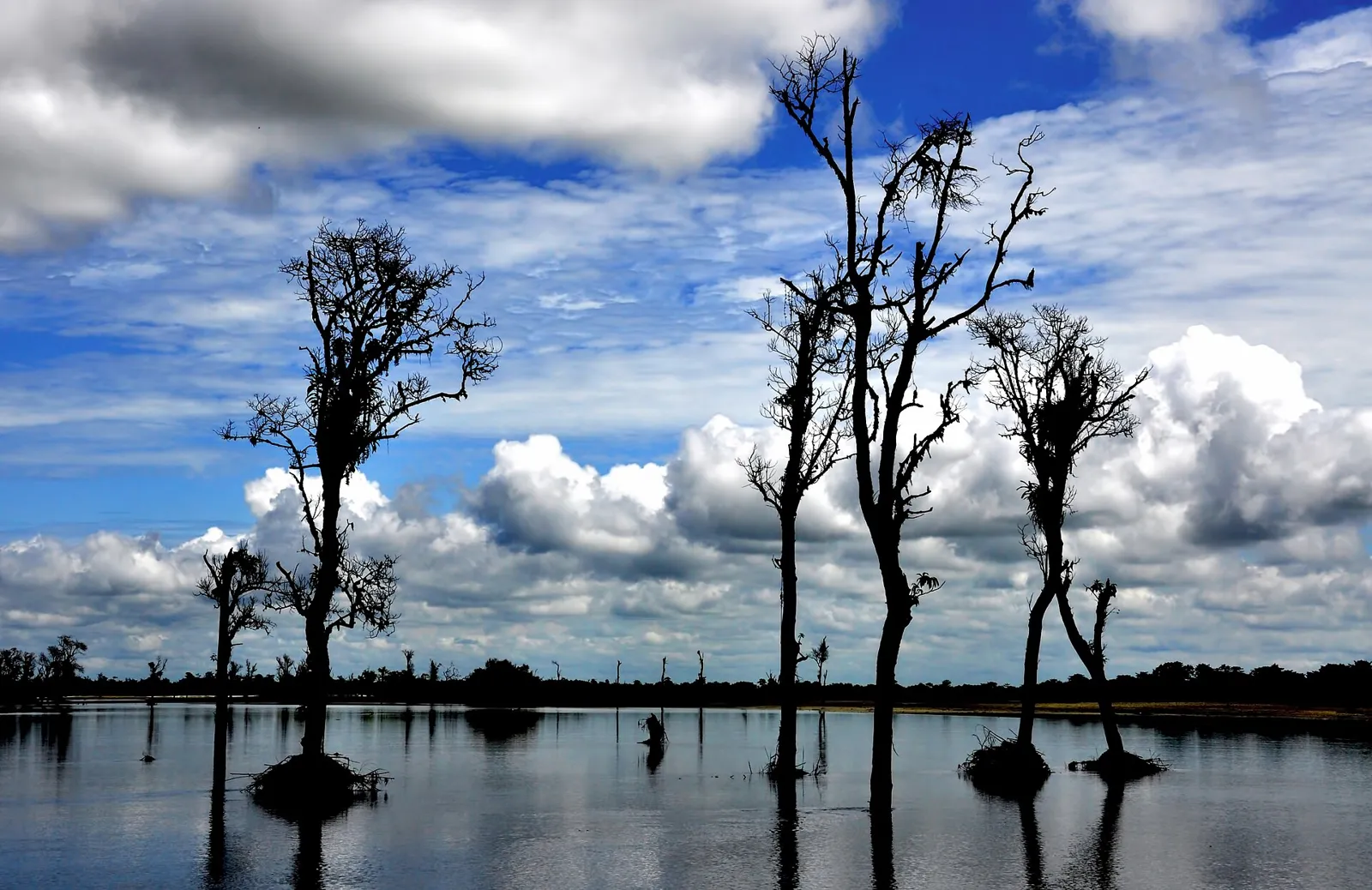
Dibru-Saikhowa National Park, near Tinsukia

City guide · Assam

Tinsukia

Tinsukia is an important commercial and administrative centre in eastern Assam. As the headquarters of Tinsukia district, it serves communities across Upper Assam and connects the tea-growing countryside with the region’s oil, coal and transport networks.

Famous for

  • Assam tea and tea gardens
  • Matak kingdom heritage
  • Moran Autonomous Council
  • Upper Assam oil and coal
  • Dibru-Saikhowa wetlands
  • Tilinga Mandir
In the city
0
Nearby
1
District
Tinsukia
Plan a trip

Why Tinsukia matters

Tinsukia is an important commercial and administrative centre in eastern Assam. As the headquarters of Tinsukia district, it serves communities across Upper Assam and connects the tea-growing countryside with the region’s oil, coal and transport networks. It is also the headquarters of the Moran Autonomous Council, which represents the Moran indigenous community. The city’s mix of businesses, markets and railway connections makes it a practical base for travelling around this part of the state.

Visitors come for more than the town itself. Tea gardens and historic industrial sites lie in the surrounding district, while Dibru-Saikhowa National Park and Maguri Beel draw wildlife watchers and birders. Tilinga Mandir, at Bordubi, is a well-known nearby place of worship. Tinsukia is also associated with Bengmara, the former capital of the Matak kingdom, giving the area a history that reaches beyond its modern industrial role. Its appeal is therefore a combination of regional history, working landscapes and access to nature.

Famous for: crafts, trade & products

Tea is among Tinsukia’s most visible regional products. Tea gardens and processing businesses operate across the district, and local shops sell Assam-grown teas for visitors to take home. Assam tea has a Geographical Indication, but that designation applies to the broader tea-producing region rather than being unique to Tinsukia. The district is also linked to the wider Upper Assam oil and coal economy, including industrial activity around Digboi and the Makum-Margherita belt.

Tinsukia is not especially known for a single town-specific textile or handicraft. Its central markets and shops are useful places to look for Assamese handloom garments, including mekhela chadors and gamosas, as well as bamboo and cane household items. GI-tagged Muga silk is an Assam product; availability in local shops can vary, so buyers should check the fabric and its origin. Market streets around the town centre offer everyday goods, regional foods and tea, while specialist tea retailers and estate outlets in the wider district are better choices for exploring local blends. These are regional products and trades, rather than a distinct Tinsukia-only craft tradition.

History

The town’s historic identity is closely tied to Bengmara, once called Changmai Pathar, which served as the capital of the Matak kingdom. The kingdom was founded by Swargadeo Sarbananda Singha, who came from the former Chutia royal family and was also known as Mezara before becoming king. He adopted the name Sarbananda Singha and issued coins bearing his name and royal title. This history remains an important part of Tinsukia’s place in Upper Assam.

During the nineteenth century, expanding British influence brought major changes to the region. Tea cultivation, oil extraction, coal mining and railway links helped transform the surrounding area and encouraged Tinsukia’s growth as a commercial centre. The town later developed as a district headquarters and as a service hub for neighbouring industrial and agricultural areas. Today it also hosts the Moran Autonomous Council, reflecting the continuing importance of indigenous political and cultural life in the district.

Food, festivals & culture

Tinsukia’s food reflects the varied communities of Upper Assam. Rice is central to everyday meals, often served with fish, seasonal vegetables and local preparations such as khar and sour tenga. Pitha and larus are familiar festive treats, especially during Bihu. Assamese food is widely available, alongside Bengali, Hindi-speaking and other regional influences in the town’s eateries and markets.

Rongali Bihu in spring, Bhogali Bihu in winter and Kongali Bihu in autumn mark the agricultural calendar with music, dancing and community gatherings. Moran, Assamese, Bengali, Hindi and English are heard in daily life, with other community languages also present. Places of worship reflect this diversity, including temples, mosques and churches. Tilinga Mandir at Bordubi, known for its many bells, is a popular nearby temple. Festivals such as Durga Puja, Eid and Christmas are also observed by local communities.

Visiting the city

The cooler, relatively dry months from October to April are generally the most comfortable for a visit. The nearest airport is Dibrugarh Airport at Mohanbari, and Tinsukia Junction is the town’s main railway station. Taxis and road services connect the town with the airport and nearby destinations; autos, shared vehicles and taxis are useful for getting around locally.

Explore the central market area for shops, food and everyday town life. For day trips, consider Bordubi and Tilinga Mandir, or arrange transport to Maguri Beel and Dibru-Saikhowa National Park for wetland scenery and wildlife. Tea-growing areas and the historic industrial sites around Digboi and Margherita are other possibilities. Monsoon rain can make travel slower, so allow flexibility when planning excursions.

Short trips

Around Tinsukia

Within about 40 km — easy half-day or day trips from the city.

Map

Tinsukia on the map

  1. 1Dibru-Saikhowa National Park

Assam

Other cities to explore