
Ghumoopedia — Explore, Discover, Experience
Sign in
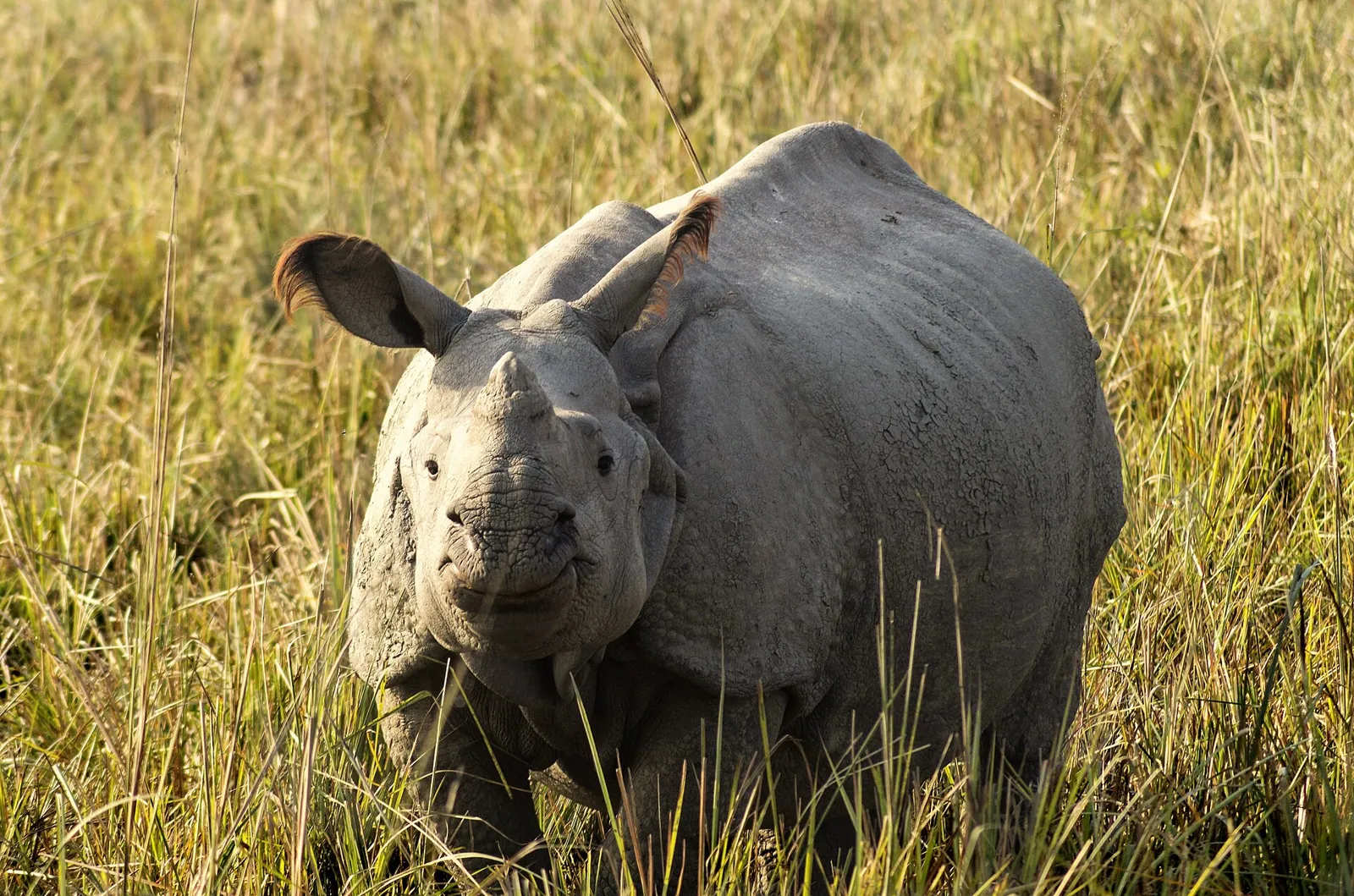
Pobitora Wildlife Sanctuary, near Jagiroad

City guide · Assam

Jagiroad

Jagiroad is a town in Morigaon district, on the southern bank of the Kolong River and about 55 kilometres east of Guwahati. Its position between the Brahmaputra Valley’s towns and the hills of central Assam gives it a practical role as a local transport and trading centre.

Famous for

  • Jonbeel Mela
  • Tiwa heritage
  • Kolong River setting
  • Tea and silk trade
  • Emerging semiconductor industry
In the city
0
Nearby
1
District
Morigaon
Plan a trip

Why Jagiroad matters

Jagiroad is a town in Morigaon district, on the southern bank of the Kolong River and about 55 kilometres east of Guwahati. Its position between the Brahmaputra Valley’s towns and the hills of central Assam gives it a practical role as a local transport and trading centre. The railway station and road connections make it a useful stop for people travelling through the district, as well as a base for visits to nearby countryside and cultural sites.

The town is associated with Tiwa heritage and with the annual Jonbeel Mela, a gathering known for its traditional exchange of goods. Visitors can explore the river landscape, local markets and the surrounding villages, or make excursions to Mayong and Pobitora Wildlife Sanctuary. Jagiroad’s identity also reflects changing industry: tea, jute and silk have shaped its commercial past, while new investment in electronics manufacturing is giving the town a growing role in Assam’s industrial plans.

Famous for: crafts, trade & products

Jagiroad’s commercial character comes from its place in the wider Morigaon region, rather than from one widely recognised local handicraft or signature fabric. Tea cultivation and trade were important during the colonial period, while jute and silk also formed part of the area’s economy. These products and Assam’s handloom traditions can be encountered through local shops and markets, though the town is not especially known as a major specialist textile-shopping destination.

Everyday shopping is centred on Jagiroad’s market areas, where residents buy food, household goods and produce from the surrounding villages. The Kolong-side landscape and nearby agricultural settlements are part of the town’s regional identity. Industrially, Jagiroad has a history of large-scale manufacturing, and an electronics and semiconductor assembly project under development has brought renewed attention to its future as an industrial centre. For visitors, the most distinctive cultural product experience is the Jonbeel Mela near Jagiroad, where Tiwa communities and traders gather for a traditional fair and exchange. It is a seasonal event rather than a year-round market.

History

The area around Jagiroad has long been home to communities including Tiwas, Kacharis and Karbis. Local histories connect it with Tiwa rulers and neighbouring small kingdoms. One account links the name to Jagi, a place associated with the flight of the medieval figure Jungal Balahu across the Kolong River; another says the town was once called Nakhola and was renamed during British rule to avoid confusion with Noakhali. The name’s precise origin is recounted in more than one way.

Under British rule, tea gardens and trade helped reshape the local economy, alongside jute and silk activity. Roads and rail links later strengthened Jagiroad’s role as a service and trading centre for Morigaon and nearby areas. The town also took part in the Assam Movement of the late twentieth century, with local protests reflecting wider concerns about identity and rights in the state. In recent decades, industrial development has remained an important part of its story, with new investment adding to the town’s regional significance.

Food, festivals & culture

Everyday food in Jagiroad reflects Assamese home cooking: rice, seasonal vegetables, pulses and locally prepared fish, often flavoured with herbs and souring ingredients. Pitha and laru are familiar festive treats, especially during Bihu. The town and surrounding district are culturally diverse; Assamese is widely used, alongside Tiwa and other languages spoken by local communities.

Rongali Bihu in spring, with music, dancing and community gatherings, is a major celebration across Assam. The Tiwa community’s Jonbeel Mela, usually held in winter around January, brings together people from nearby hills and plains for trading, performances and social exchange. Tiwa dance and folk music are among the region’s cultural expressions. Religious life includes Hindu temples and namghars, with places of worship serving as neighbourhood gathering points; the wider area is also home to other faith communities. Visitors can learn about local traditions most directly at community events and village fairs, while observing everyday life around the town’s markets.

Visiting the city

October to April is generally a comfortable time to visit, with cooler weather and less rain than during the monsoon. Winter is especially convenient for combining a stay with the Jonbeel Mela, whose dates vary. The nearest major airport is Lokpriya Gopinath Bordoloi International Airport in Guwahati; Jagiroad railway station is the town’s main rail access point. Road links connect Jagiroad with Guwahati and other towns in Morigaon district.

Auto-rickshaws and locally hired vehicles are useful for getting around. Explore the town centre and market for everyday activity, then follow the Kolong-side landscape or visit nearby villages. Jagiroad also works as a base for excursions to the Jonbeel Mela grounds, Mayong and Pobitora Wildlife Sanctuary. Check local conditions before planning rural or nature outings, particularly during the monsoon.

Short trips

Around Jagiroad

Within about 40 km — easy half-day or day trips from the city.

Map

Jagiroad on the map

  1. 1Pobitora Wildlife Sanctuary

Assam

Other cities to explore