
Ghumoopedia — Explore, Discover, Experience
Sign in
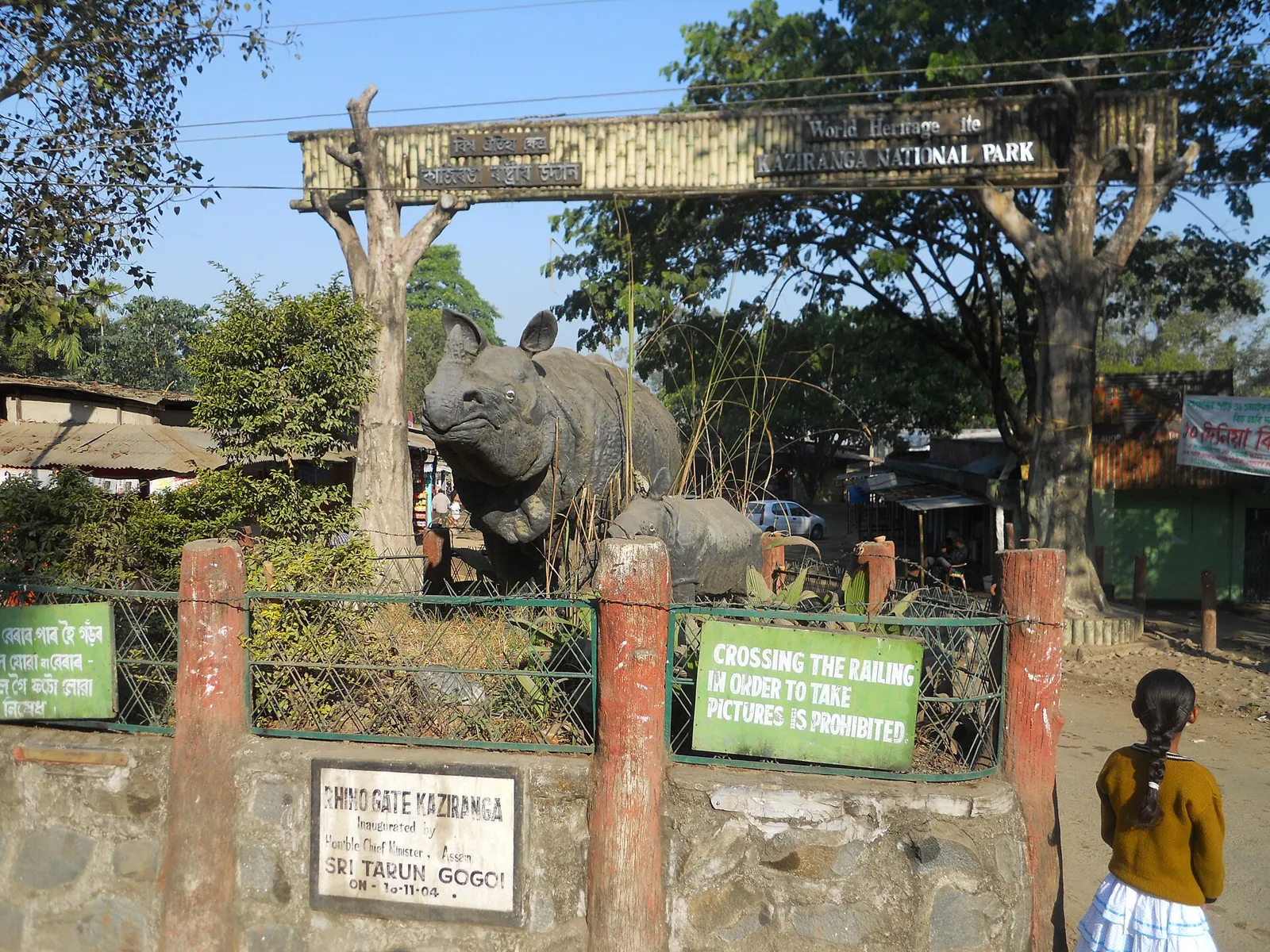
Kaziranga National Park, near Biswanath Chariali

City guide · Assam

Biswanath Chariali

Biswanath Chariali is a small town in northern Assam and the administrative headquarters of Biswanath district, established in 2015. Its location makes it a service and market centre for surrounding settlements, tea-growing areas and rural communities.

Famous for

  • Biswanath Ghat temples
  • Bharali River heritage
  • Chutia-era fort ruins
  • Assamese tea country
  • Bihu celebrations
In the city
0
Nearby
1
District
Golaghat
Plan a trip

Why Biswanath Chariali matters

Biswanath Chariali is a small town in northern Assam and the administrative headquarters of Biswanath district, established in 2015. Its location makes it a service and market centre for surrounding settlements, tea-growing areas and rural communities. The town’s name recalls Biswanath Ghat, a historic riverside place of worship and pilgrimage nearby, which is one of the main reasons visitors include the area in a journey through Assam.

Biswanath’s appeal lies in the combination of living town life and a much older landscape. The Bharali River, west of the town, has marked political boundaries across different periods, while remnants of forts associated with Chutia rulers speak to the region’s medieval past. Visitors can explore local markets and use the town as a base for trips to the ghat and nearby countryside. Assamese language and customs, seasonal festivals and the rhythms of a regional headquarters give Biswanath Chariali a character distinct from larger urban centres.

Famous for: crafts, trade & products

Biswanath Chariali is better known as a regional market and administrative centre than as a specialised manufacturing town. There is no widely recognised city-specific textile, handicraft or GI-tagged product to identify as its signature. The surrounding district is associated with tea cultivation, and tea is a familiar part of local commerce, though the town is not chiefly a destination for factory tours or branded tea shopping.

In town markets, visitors can look for everyday Assamese handloom items, including gamusas and traditional clothing, alongside household goods, fresh produce, fish and locally grown staples. Availability varies by shop and season; these are regional products rather than crafts unique to Biswanath. Small shops and market streets near the town centre are the most practical places to browse and buy provisions or textiles. For a more distinctly local experience, explore the markets at an unhurried pace and ask sellers about goods sourced from nearby villages. The town’s institutions, including district offices and local services, reflect its present-day role more strongly than any single famous industry.

History

The history of Biswanath is closely tied to the river routes and changing political boundaries of northern Assam. The Bharali, west of the town, separated the territories of the Baro-Bhuyans and the Chutia kingdom, and later formed a boundary between the Koch and Ahom kingdoms. The area therefore occupied a strategic position in a region shaped by successive powers. Ruins of fortifications, including sites known as Pratappura and Buroi, are associated with Chutia rulers and preserve traces of that earlier landscape.

In the colonial period, Assam’s administration, transport links and expanding tea economy reshaped connections between towns and the countryside. Biswanath Chariali developed as a local centre for trade and public services. Its contemporary importance grew when it became the headquarters of Biswanath district, created in 2015. Today, it serves surrounding communities while its name and nearby places continue to evoke the area’s older riverine and religious history.

Food, festivals & culture

Everyday food in Biswanath reflects Assamese home cooking: rice is central, often served with fish, seasonal vegetables and characteristic preparations such as khar or sour tenga. Pitha and laru are familiar festive treats, especially during Bihu. Menus and ingredients vary between households and eateries, but local markets offer a useful glimpse of the produce used in the region.

Bihu is the principal seasonal celebration, with Bohag Bihu in spring particularly associated with the Assamese new year, music and dance; Kati and Magh Bihu mark other points in the agricultural calendar. Durga Puja is also observed, and Hindu worship is part of local life, with Biswanath Ghat drawing visitors to its temples and religious gatherings. Assamese is widely used, alongside Bengali, Hindi and languages spoken by communities across the district. Bihu songs and dance, devotional singing and community events contribute to the town’s cultural life, which is closely connected to the wider traditions of Assam.

Visiting the city

The cooler, generally drier months from October to April are the most comfortable for exploring Biswanath Chariali and visiting Biswanath Ghat. The monsoon brings heavier rain, which can affect road journeys and riverside outings. Tezpur Airport at Salonibari is the nearest airport; Biswanath Chariali railway station serves the town by rail. From either point, road transport connects visitors to the town and surrounding area.

Auto-rickshaws and shared local vehicles are useful for getting around, while a hired car can make visits to the ghat and countryside easier. Explore the central market area for everyday town life, then set aside time for Biswanath Ghat and its places of worship. Check local conditions before travelling to riverside sites, particularly during the rainy season.

Short trips

Around Biswanath Chariali

Within about 40 km — easy half-day or day trips from the city.

Map

Biswanath Chariali on the map

  1. 1Kaziranga National Park

Assam

Other cities to explore