
Ghumoopedia — Explore, Discover, Experience
Sign in
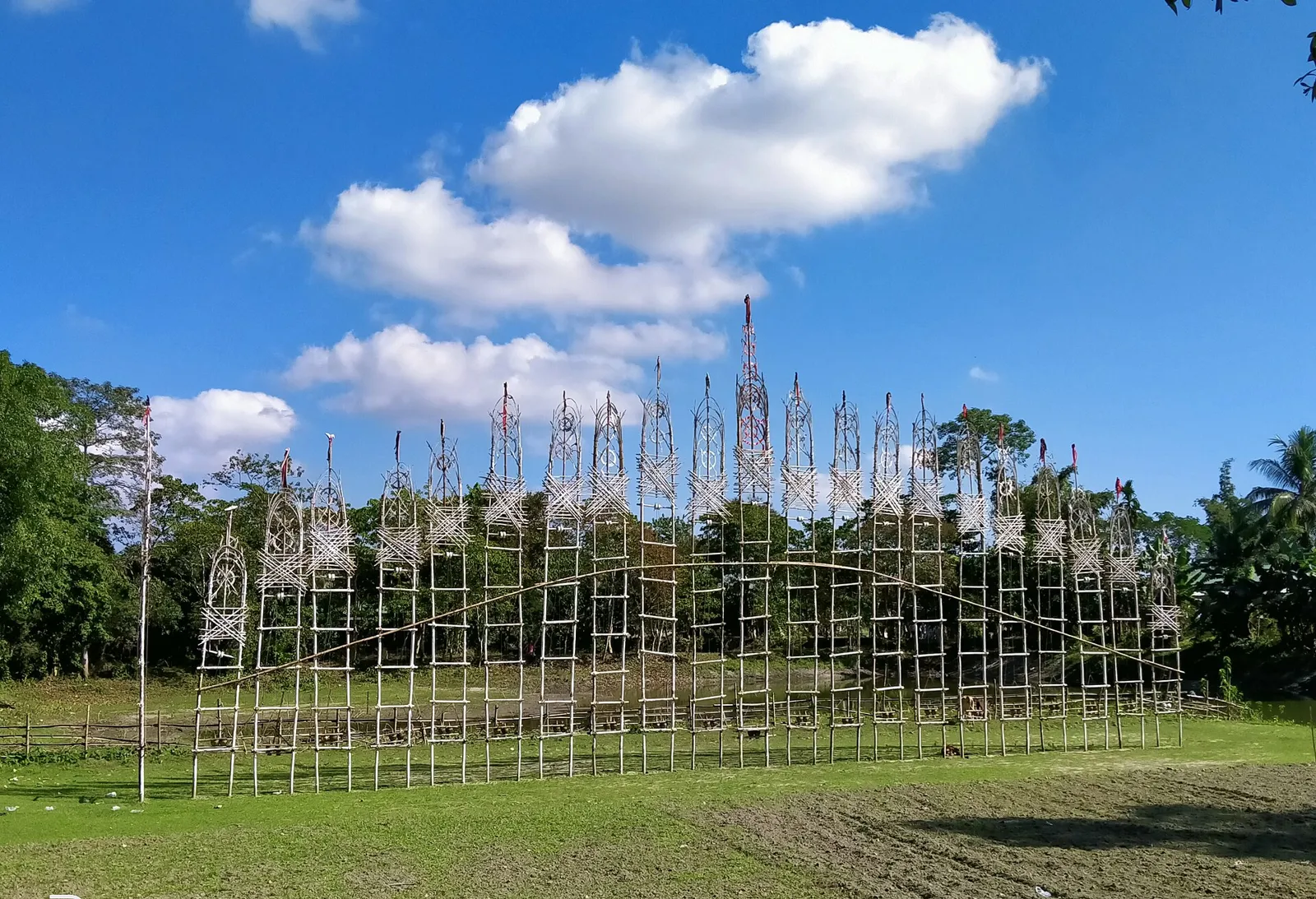
Auniati Satra, near Majuli

City guide · Assam

Majuli

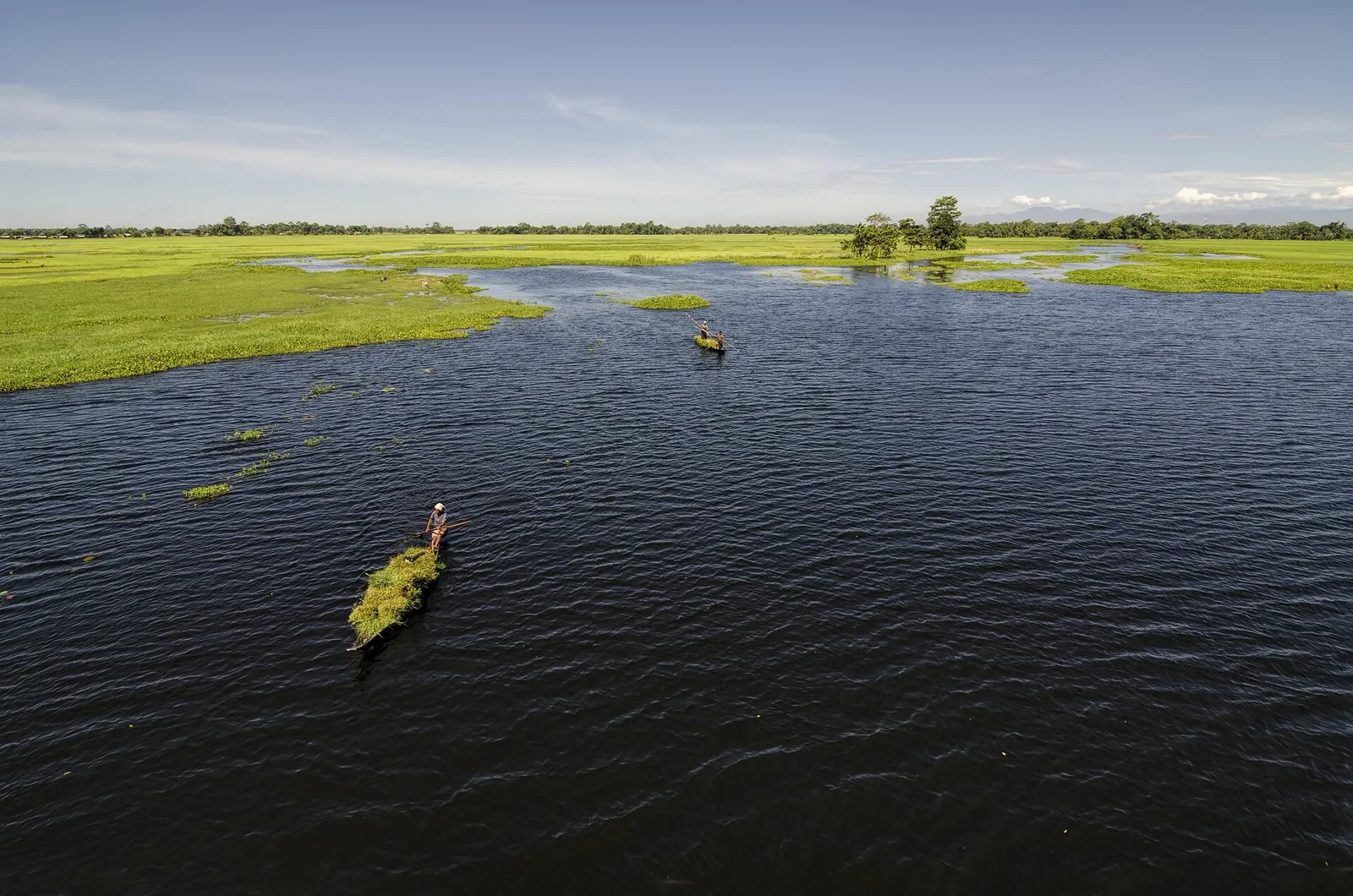
Majuli is a river island district in Assam and one of the region’s most distinctive cultural destinations. Its villages, wetlands and riverine landscapes sit within the shifting channels of the Brahmaputra, while ferry links connect the island with Jorhat.

Famous for

  • Neo-Vaishnavite satras
  • Majuli masks
  • Manuscript painting
  • Mising handloom textiles
  • Raas Mahotsav
In the city
2
District
Majuli

Why Majuli matters

Majuli is a river island district in Assam and one of the region’s most distinctive cultural destinations. Its villages, wetlands and riverine landscapes sit within the shifting channels of the Brahmaputra, while ferry links connect the island with Jorhat. Visitors come for its satras—monastic institutions that preserve Assamese neo-Vaishnavite traditions—as well as for village craft workshops, birdlife and a slower, rural pace of travel.

Majuli’s importance extends beyond tourism. It is home to Mising, Deori and Sonowal Kachari communities, whose languages, livelihoods and cultural practices contribute to the island’s diverse identity. The satras sustain traditions of devotional music, dance, theatre and manuscript art, and the island is especially animated during Raas Mahotsav. Majuli became India’s first island district in 2016. Its culture and landscape are closely linked: seasonal floods shape travel and farming, while erosion remains a serious challenge. A visit offers insight into both the cultural life of Assam and the changing ecology of the Brahmaputra basin.
Famous for: crafts, trade & products

Majuli is particularly known for its hand-crafted masks, called mukha, made for devotional theatre and performances at satras. Samaguri Satra is a well-known place to learn about mask-making and see artisans at work; visitors should ask locally about access and demonstrations. The island is also associated with manuscript painting, an art form maintained in satra settings. Majuli masks and Majuli manuscript painting have received Geographical Indication recognition.

Handloom weaving is an important part of everyday life, especially among Mising households. Woven textiles include distinctive wraps and garments, often made on household looms; small village outlets and craft centres are places to look for them. Pottery and bamboo or cane work are also found among local crafts, though availability varies by village. Rather than a single large shopping district, buying is often informal: ask at craft workshops, satras or guesthouses for nearby makers and current points of sale. Visitors can support local artisans by purchasing directly and checking how an item was made. The satras themselves are cultural institutions, not retail markets, so purchases are best arranged with local guidance.

History

Majuli’s landscape took shape through floods, sediment deposition and changes in the Brahmaputra’s course. The island and adjoining riverbanks were part of the Chutia kingdom before Ahom expansion into the region. After the Ahom conquest, the territory was administered within the Ahom kingdom; records from later Ahom rule refer to Majuli and its religious institutions. The island’s river channels continued to shift, and a major flood in the eighteenth century is associated with a substantial reshaping of the river system.

Majuli became a centre of Assamese neo-Vaishnavism in the sixteenth century, following the work of Srimanta Sankardev and the growth of satras. These institutions developed as centres of worship, learning and the performing arts, and remain central to the island’s identity. Under British rule and after Indian independence, Majuli continued as a rural and cultural heartland. Erosion and flooding have altered settlements and livelihoods over generations. In 2016, Majuli was formed as a district, bringing district-level administration to the island.

Food, festivals & culture

Food reflects Assamese and community traditions, with rice served alongside freshwater fish, leafy greens, seasonal vegetables and dishes made with local herbs. Pork and duck are eaten in some communities. Mising households are also associated with apong, a traditional rice-based brew. Menus vary between homes and guesthouses, so visitors may need to ask what is available locally.

Raas Mahotsav, usually held in November, is Majuli’s best-known festival. Satra performances retell episodes from Krishna’s life through dance, music and theatre, drawing visitors from across Assam. Ali-Aye-Ligang, the Mising spring festival, is generally celebrated in February or March with community gatherings, dance and music. Bihu is also observed. Assamese is widely used, alongside Mising, Deori and other languages spoken in the region. Devotional singing, including borgeet, and the satriya dance tradition are closely connected with the satras. Kamalabari, Auniati and Garamur are among the island’s important monastic centres; visitors should follow local guidance on customs and access.

Visiting the city

The cooler, drier months from roughly October to March are generally the most comfortable for visiting. Monsoon rains can bring flooding, changing river conditions and interruptions to ferry travel, so check local conditions before setting out. The nearest airport is Jorhat Airport (Rowriah); Jorhat Town railway station is the principal nearby station, with Mariani Junction another rail option. From Jorhat, road travel to Nimati Ghat is followed by a ferry across to Majuli. Services and landing points can vary with river levels.

On the island, hire a local vehicle or arrange transport through your accommodation; distances between villages and satras make walking alone impractical for a full visit. Explore Kamalabari and Auniati for satra heritage, Garamur for another major monastery, and Samaguri for mask-making traditions. Allow time for village visits and wetlands, and confirm access respectfully with local hosts.

Attractions

Places to visit in Majuli

Sights within about 12 km of each other, even when they fall in different districts.

Map

Majuli on the map

  1. 1Auniati Satra
  2. 2Majuli

Assam

Other cities to explore