Ghumoopedia — Explore, Discover, Experience
Sign in
Basistha Temple, near Guwahati

City guide · Assam

Guwahati

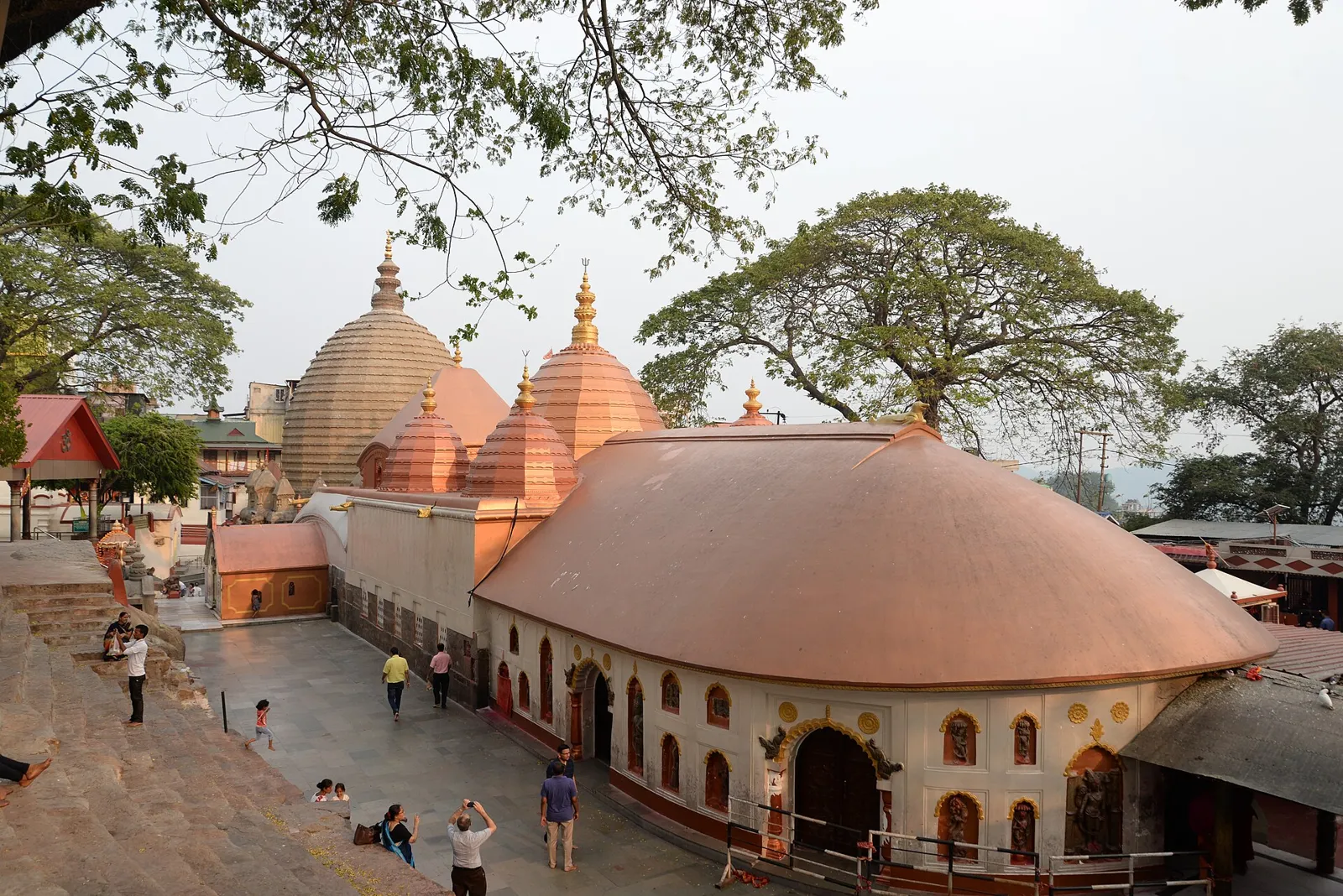
Visitors come for the Kamakhya Temple on Nilachal Hill, the city’s many other places of worship and views of the Brahmaputra. Ferries reach river islands and North Guwahati, while nearby Dipor Bil offers a contrasting wetland landscape.

Famous for

  • Kamakhya Temple
  • Brahmaputra riverfront
  • Assam silk
  • Ambubachi Mela
  • Gateway to Northeast India
In the city
5
District
Kamrup Metropolitan

Why Guwahati matters

Visitors come for the Kamakhya Temple on Nilachal Hill, the city’s many other places of worship and views of the Brahmaputra. Ferries reach river islands and North Guwahati, while nearby Dipor Bil offers a contrasting wetland landscape. The city is also a practical starting point for journeys into Assam and neighbouring states. Its markets introduce visitors to Assamese silk, tea and handicrafts, and its food and festivals offer a taste of local life. Guwahati’s appeal lies in this mix: a busy, modern centre with deep historical roots, river scenery and easy access to the wider Northeast.
Famous for: crafts, trade & products

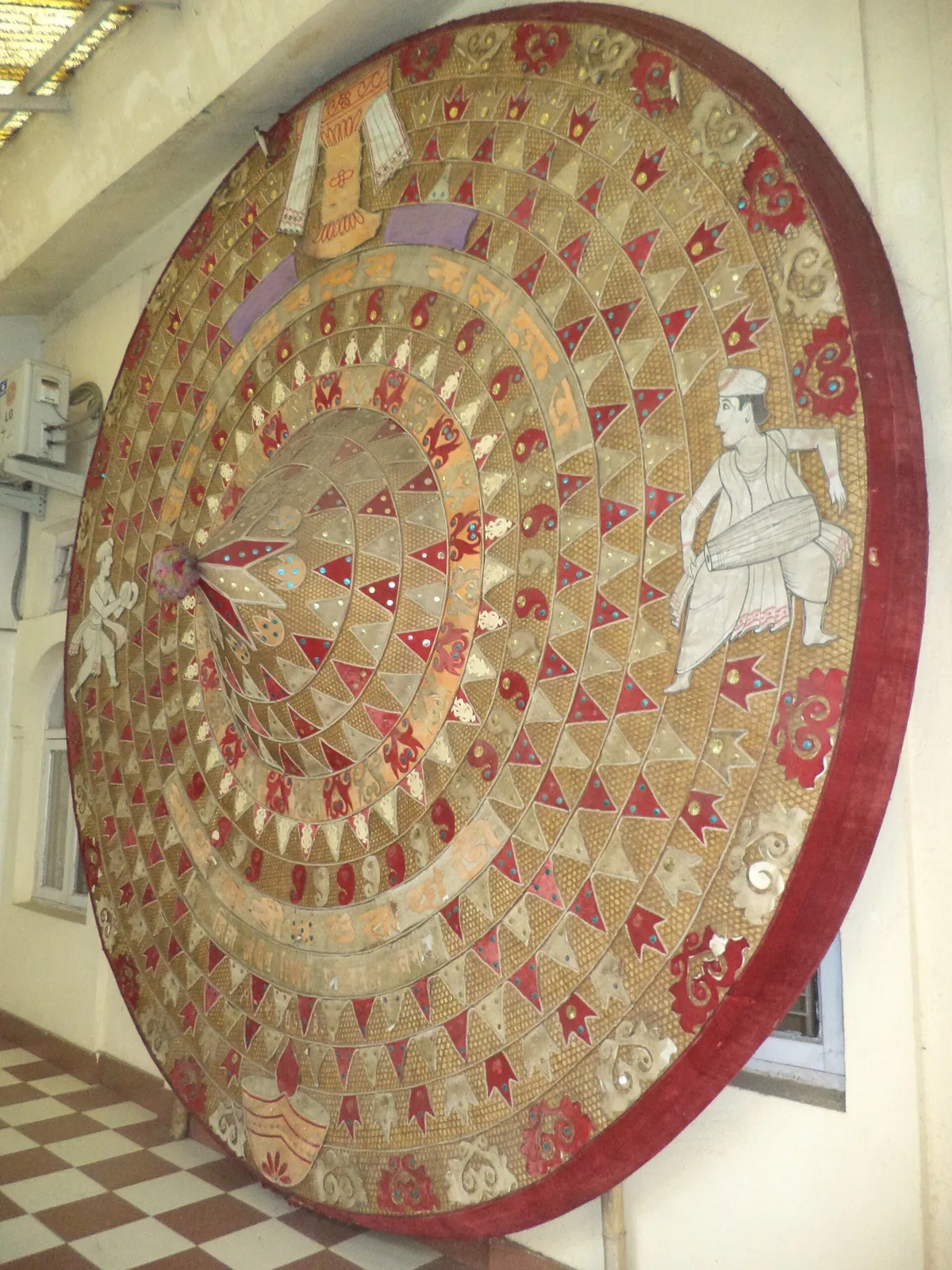
Assam tea is widely sold in the city, alongside local specialities such as Joha rice and Kaji Nemu, the state’s fragrant lemon. Handicraft stalls and shops offer bamboo and cane goods, bell-metal utensils, handwoven textiles and jaapi, the traditional conical hat. Check the maker and origin when buying: Guwahati is chiefly a trading hub, and many goods come from elsewhere in Assam. The city also has a strong institutional and industrial presence, including Gauhati University, Cotton University and the Guwahati Refinery at Noonmati.

History

After the British took control of Assam in 1826, Guwahati became the colonial administration’s headquarters, a role it held until the centre shifted to Shillong in 1874. In the twentieth century, bridges and roads strengthened its links with the rest of the region; the Saraighat Bridge, completed in 1962, was a major connection across the Brahmaputra. When Meghalaya became a separate state, Assam’s capital moved from Shillong to Dispur in 1972. Guwahati grew around this administrative centre into a major hub for transport, education and trade.

Food, festivals & culture

Bihu is the best-known festival cycle: Bohag Bihu welcomes spring around April, Kati Bihu is observed in autumn, and Magh Bihu marks the winter harvest season. Bihu songs and dance feature through the celebrations. Kamakhya Temple’s Ambubachi Mela, usually held during the monsoon, draws pilgrims from across India. Durga Puja is also celebrated widely. The city’s religious life includes Hindu temples such as Umananda and Navagraha, as well as mosques, churches and other places of worship; classical Sattriya and Assamese folk traditions add to its cultural scene.

Visiting the city

Explore the old central neighbourhoods of Pan Bazaar, Uzan Bazaar and Fancy Bazaar for markets, historic streets and river access. Paltan Bazaar is a busy transport and shopping district. Dispur and Ganeshguri offer a look at the capital’s modern civic and commercial centre, while Nilachal Hill is a major destination for Kamakhya Temple and views over the city. Allow extra travel time during rush hours and heavy rain.

Attractions

Places to visit in Guwahati

Sights within about 12 km of each other, even when they fall in different districts.

Map

Guwahati on the map

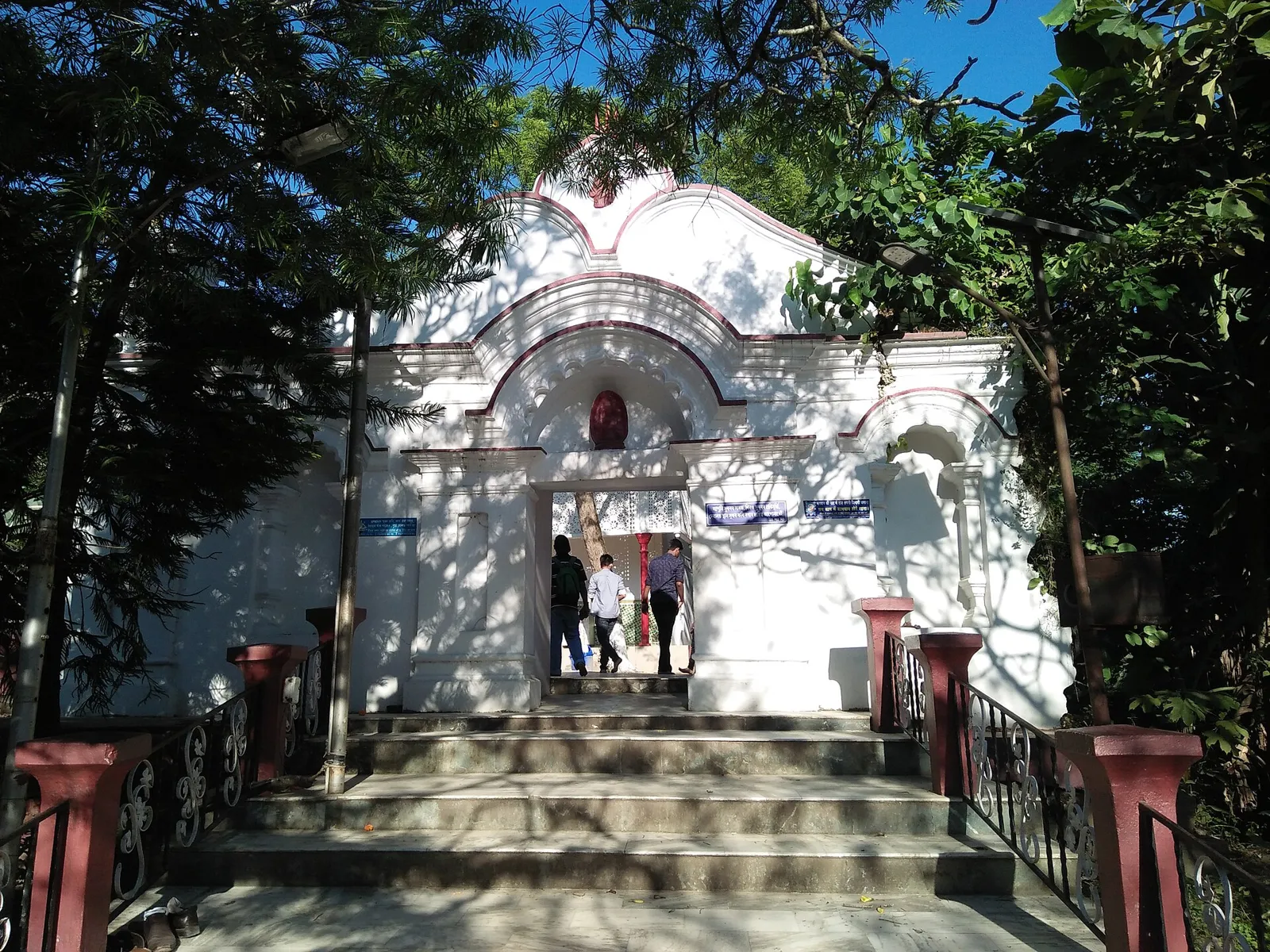
  1. 1Basistha Temple
  2. 2Dipor Bil
  3. 3Kamakhya Temple
  4. 4Srimanta Sankardev Kalakshetra
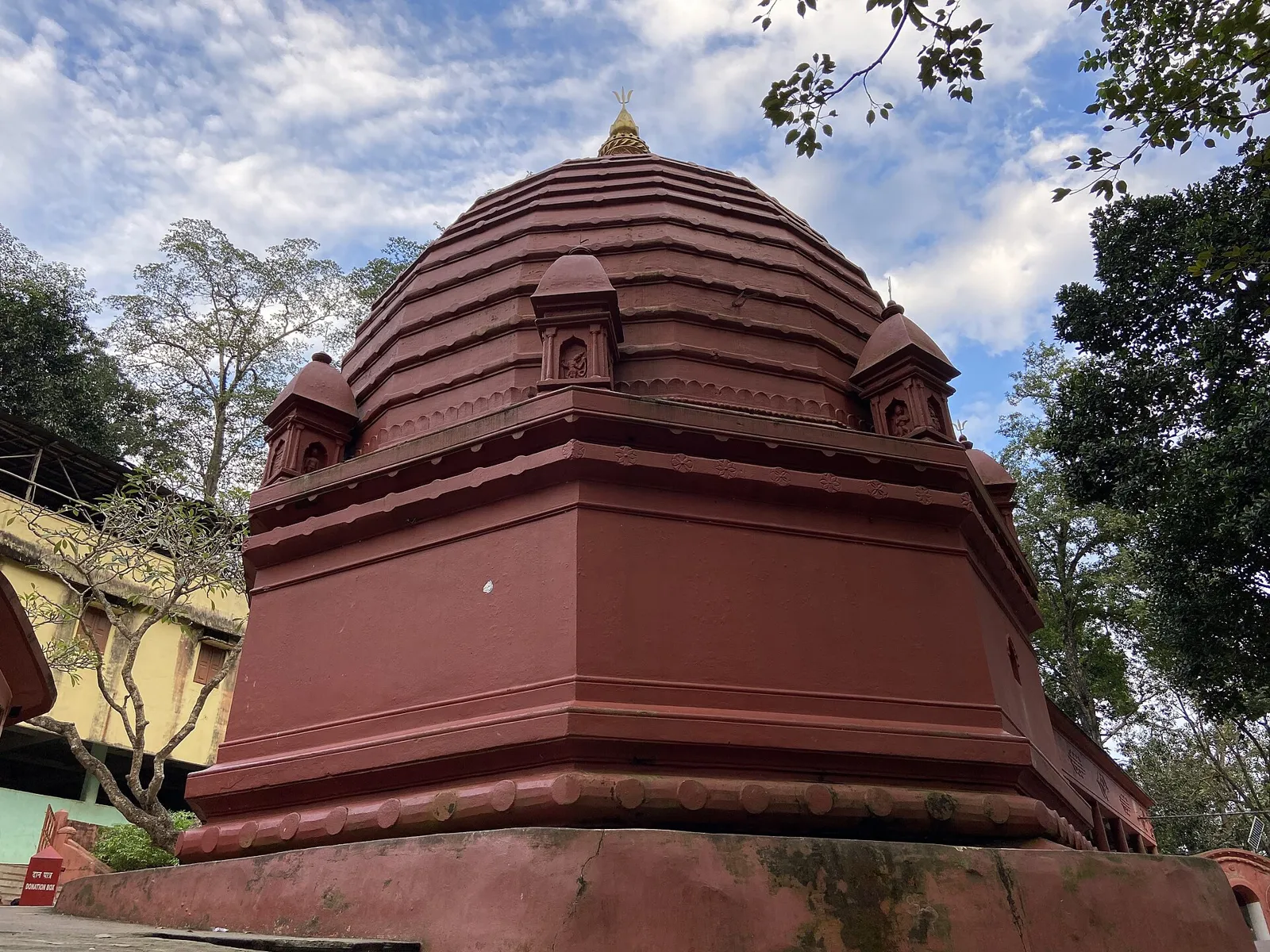
  5. 5Umananda Temple

Assam

Other cities to explore