
Ghumoopedia — Explore, Discover, Experience
Sign in
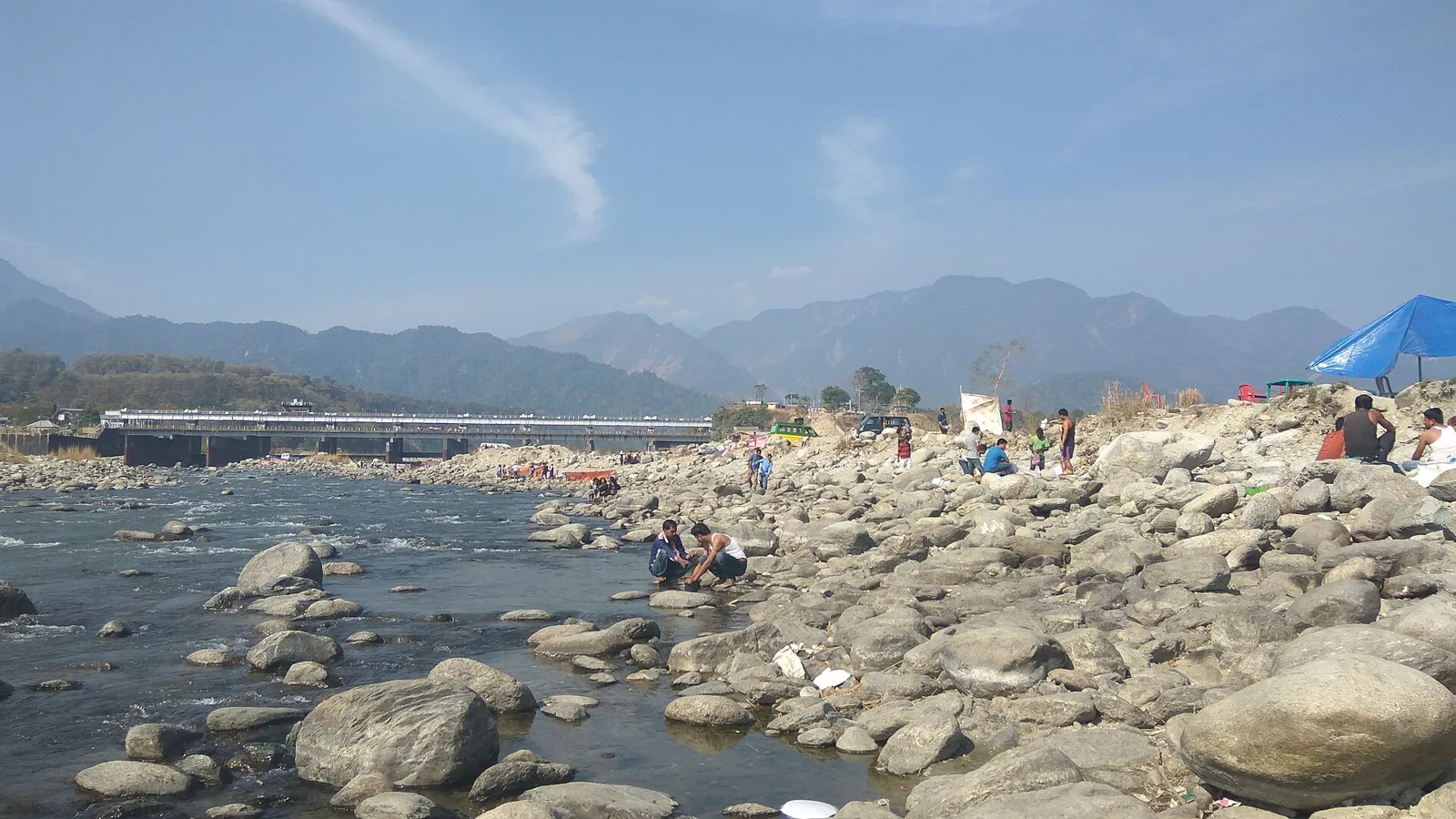
Bhairabkunda, near Udalguri

City guide · Assam

Udalguri

Udalguri is a small town in Assam and the headquarters of Udalguri district. It serves as an administrative and market centre for surrounding communities and is part of the Bodoland Territorial Region, administered by the Bodoland Territorial Council.

Famous for

  • Bodoland administrative centre
  • Bodo cultural traditions
  • Nearby wildlife landscapes
  • Tea-growing countryside
In the city
0
Nearby
1
District
Udalguri
Plan a trip

Why Udalguri matters

Udalguri is a small town in Assam and the headquarters of Udalguri district. It serves as an administrative and market centre for surrounding communities and is part of the Bodoland Territorial Region, administered by the Bodoland Territorial Council. Its importance today comes less from big-city attractions than from this regional role and its position amid the varied landscapes of northern Assam.

Visitors use the town as a base for exploring nearby countryside, tea-growing areas and natural attractions, including Orang National Park and the river scenery around Bhairabkunda. The wider district is also home to communities with strong Bodo cultural traditions, visible in local languages, handwoven dress, food and seasonal celebrations. Udalguri’s everyday markets and streets offer a modest introduction to life in the region, while trips beyond town bring views of forest, fields and foothills. It suits travellers interested in rural Assam and local culture more than those seeking a concentrated circuit of monuments or urban entertainment.

Famous for: crafts, trade & products

Udalguri is not a major textile-manufacturing or specialist shopping city. Its strongest craft connection is to Bodo handloom traditions found across the region. Traditional garments and accessories include the dokhona, jwmgra and aronai, woven in distinctive patterns and colours. These are cultural textiles rather than products of a large city-based industry; visitors can ask at local bazaars or community events about locally made pieces and their makers.

The town’s market serves residents from nearby villages, with everyday groceries, produce and household goods. Agriculture and tea cultivation are important in the wider district, but Udalguri is better regarded as a service and trading centre than as a destination for a particular packaged food or GI-tagged product. There is no widely recognised city-specific GI product or signature industrial brand to seek out. District and regional offices also give the town an administrative identity. For a more meaningful look at local crafts, ask respectfully about community weaving and cultural events rather than expecting a dedicated craft quarter or large tourist market.

History

Udalguri developed as a local settlement and trading centre serving the surrounding rural area. Its growth reflects the practical needs of a region where farming, tea cultivation and connections between villages have long shaped everyday life. During British rule, this part of Assam was administered within larger district structures; the town did not become known as a royal capital or a major colonial monument centre.

In modern times, administrative development gave Udalguri a more prominent regional role. It became the headquarters of Udalguri district and falls within the Bodoland Territorial Region, where the Bodoland Territorial Council has a role in governance. These changes helped establish the town as a centre for public administration and services as well as local commerce. Its present-day character is therefore closely tied to its district headquarters function and to the communities and settlements it serves. The surrounding landscape and cultural life remain important parts of its identity, alongside this modern administrative role.

Food, festivals & culture

Bodo traditions are an important part of cultural life in and around Udalguri, alongside Assamese and other regional influences. Bodo, Assamese, Bengali and Nepali are among the languages visitors may encounter; the language mix varies between neighbourhoods and communities. Rice is a staple, often served with vegetables, fish or meat and local herbs. Bodo dishes include onla, a rice-flour preparation, and narzi, made with fermented jute leaves. Jou, a traditional rice beer, is associated with Bodo hospitality, though customs around serving it vary.

Bwisagu, the Bodo spring festival, is generally celebrated around mid-April with music, dance and community gatherings. Bathou observances are also important to many Bodo families. Assamese festivals such as Bihu are celebrated in the wider region, with timing following the agricultural and seasonal calendar. Bodo folk music and the energetic Bagurumba dance are especially associated with festive occasions. Bathou places of worship and local temples serve community needs; visitors should dress and behave respectfully and check locally before attending ceremonies.

Visiting the city

The cooler, drier months from about October to April are generally the most comfortable time to visit. The monsoon brings heavier rain and lush scenery, but can make road travel less predictable. Lokpriya Gopinath Bordoloi International Airport in Guwahati is the nearest major airport. Udalguri railway station serves the town; confirm onward connections before travelling.

Within town, walking and local auto-rickshaws are practical for short trips, while hired vehicles are useful for countryside excursions. The town centre and bazaar offer a glimpse of everyday life, and the railway-station area is a convenient point of arrival. For nearby landscapes and attractions such as Bhairabkunda or Orang National Park, arrange transport in advance and check current access conditions locally. Treat the town as a quiet base rather than a resort destination, and allow time for travel beyond its centre.

Short trips

Around Udalguri

Within about 40 km — easy half-day or day trips from the city.

Map

Udalguri on the map

  1. 1Bhairabkunda

Assam

Other cities to explore