
Ghumoopedia — Explore, Discover, Experience
Sign in
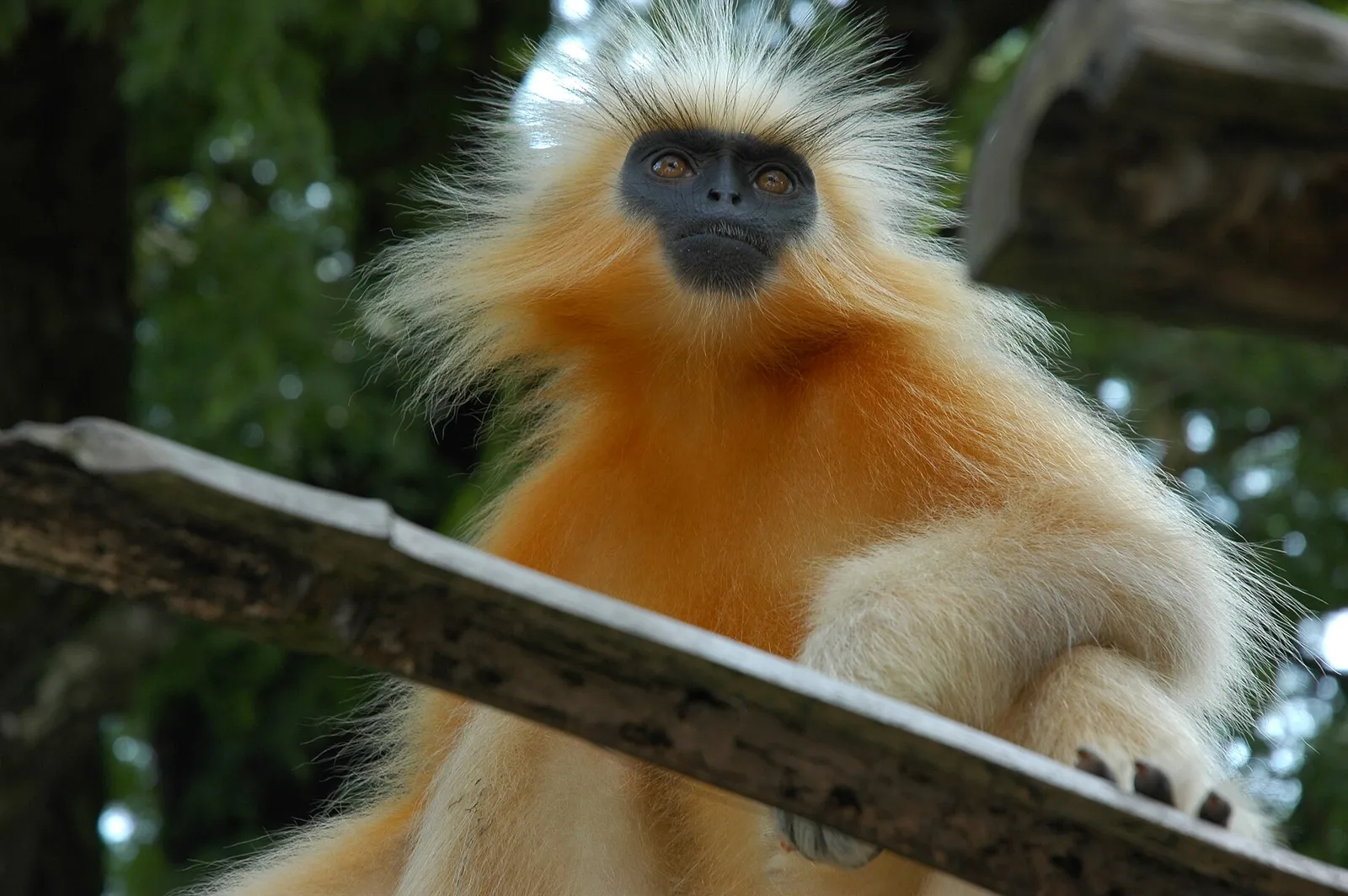
Chakrashila Wildlife Sanctuary, near Kokrajhar

City guide · Assam

Kokrajhar

Kokrajhar is an important town in western Assam and a principal administrative centre of the Bodoland Territorial Region (BTR). Its role in regional government, education and commerce makes it a key hub for surrounding communities.

Famous for

  • Bodo handloom textiles
  • Bwisagu celebrations
  • Bathou traditions
  • Bodoland administration
  • Raimona National Park gateway
In the city
1
District
Kokrajhar

Why Kokrajhar matters

Kokrajhar is an important town in western Assam and a principal administrative centre of the Bodoland Territorial Region (BTR). Its role in regional government, education and commerce makes it a key hub for surrounding communities. The town is also a meeting point for Bodo culture and the varied traditions of the wider region, reflected in its languages, markets, festivals and everyday life.

Visitors come to experience this cultural landscape and to use Kokrajhar as a base for exploring the countryside and nearby natural areas, including Raimona National Park in the district. Bodo weaving and traditional dress are among the region’s most distinctive cultural expressions; local markets and community events offer opportunities to encounter them. The town itself is practical rather than resort-like, with transport links, shops and services serving both residents and travellers. Its importance lies in this combination of regional administration, cultural identity and access to western Assam’s rural and forested landscapes.

Famous for: crafts, trade & products

Kokrajhar’s best-known craft tradition is Bodo handloom weaving. Dokhona, the traditional women’s wrap, and aronai, a narrow decorative scarf used in dress and ceremonial exchange, are prominent examples. Weavers also make other garments and household textiles, often using strong colours and woven patterns. Eri silk and other regional fibres may appear in local work, though selection varies. Bamboo and cane crafts are also part of the broader rural craft economy.

The town bazaar and local shops are practical places to look for everyday textiles and regional goods. For a wider choice, ask about artisan groups, handloom outlets or temporary sales connected with cultural events; availability can be seasonal, and not every shop carries handmade pieces. Rice, vegetables and other produce from the surrounding countryside circulate through local markets, which primarily serve nearby communities. Kokrajhar is better known as a centre for Bodo culture and administration than as a specialised manufacturing or wholesale destination. Check the maker and ask about the textile’s material and technique when buying, especially if you are seeking handwoven rather than factory-made cloth.

History

The area around Kokrajhar was historically connected with the Bhutanese kingdom. British influence expanded after the Duar Wars of 1864–65, and the territory became part of the colonial administration associated with Goalpara. Following the end of British rule, the region formed part of Assam within independent India. Kokrajhar later grew as an administrative and transport centre, helped by its position on the railway and its role in serving nearby settlements.

Kokrajhar district was created in 1983 from the former Goalpara district. In the decades that followed, Bodo political movements sought greater recognition and autonomy for the region. The creation of the Bodoland Territorial Council in 2003 gave the area an autonomous administrative structure. Under the 2020 Bodo Peace Accord, the Bodoland Territorial Area Districts became the Bodoland Territorial Region. Today Kokrajhar is a principal town of the BTR, with government offices, educational institutions and commercial services supporting the surrounding area.

Food, festivals & culture

Bodo culture is central to life in Kokrajhar, alongside Assamese and other regional influences. Bodo is widely spoken, while Assamese, Bengali and Hindi are also heard in public and commercial settings. Rice is a staple, commonly served with vegetables, fish or meat. Bodo specialities include onla, a rice-flour preparation often cooked with meat, and dishes made with leafy greens. Fermented foods and traditional rice beer are part of some community food traditions; what is served varies between households and occasions.

Bwisagu, the Bodo spring festival around mid-April, is celebrated with music, dance and gatherings. Kherai is an important Bathou religious ceremony, with timing and observance varying by community. Bagurumba dance and Bodo songs feature at cultural programmes and festivals. Bathou places of worship, as well as Hindu temples, mosques and churches, reflect the town’s diverse religious life. Visitors may encounter performances during public celebrations, but events are not held on a fixed schedule for tourists.

Visiting the city

The cooler, drier months from about October to April are generally the most comfortable for visiting. The monsoon brings heavier rain and can make road journeys into rural or forested areas less convenient. Rupsi Airport is the closest airport geographically; for a wider choice of connections, many travellers use Lokpriya Gopinath Bordoloi International Airport in Guwahati. Kokrajhar railway station is the town’s main rail station and a useful arrival point for journeys through the region.

Auto-rickshaws and shared vehicles are common ways to get around town, while taxis or arranged transport are useful for trips beyond it. Explore the central market area for shops, everyday local life and handloom goods. Debargaon, where Bodoland University is located, offers a look at the town’s wider institutional area. Raimona National Park is a longer excursion in the district; check local conditions and arrange transport before setting out.

Attractions

Places to visit in Kokrajhar

Sights within about 12 km of each other, even when they fall in different districts.

Map

Kokrajhar on the map

  1. 1Chakrashila Wildlife Sanctuary

Assam

Other cities to explore