
Ghumoopedia — Explore, Discover, Experience
Sign in
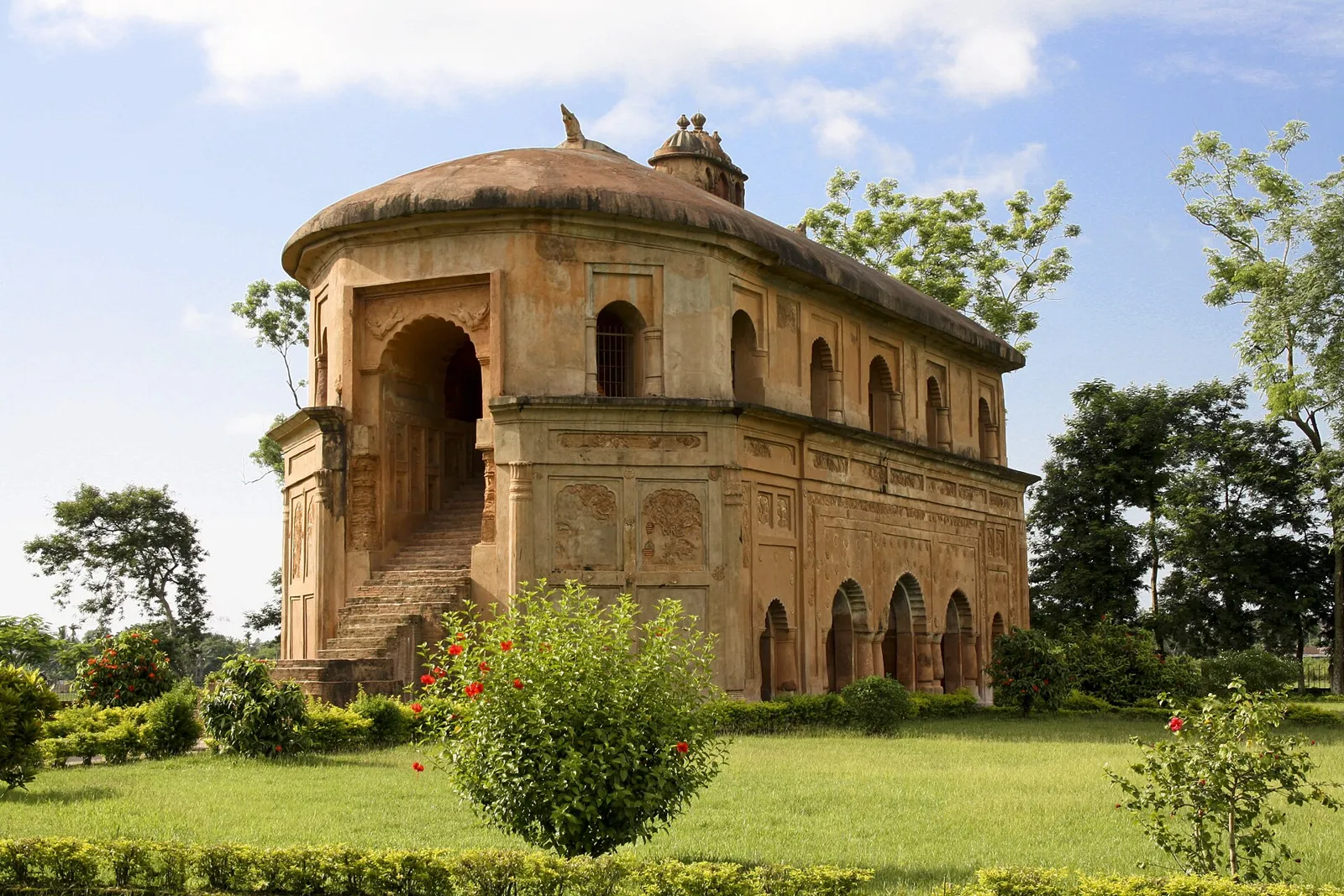
Rang Ghar, near Sivasagar

City guide · Assam

Sivasagar

Sivasagar is the headquarters of Sivasagar district in Upper Assam and one of the region’s most important places for understanding the Ahom kingdom. Its historic name, Rangpur, recalls its time as the kingdom’s capital, while the town’s landmark tank and surrounding temples, palaces and ceremonial buildings preserve a remarkable concentration of Ahom-era architecture.

Famous for

  • Ahom-era monuments
  • Sivasagar tank
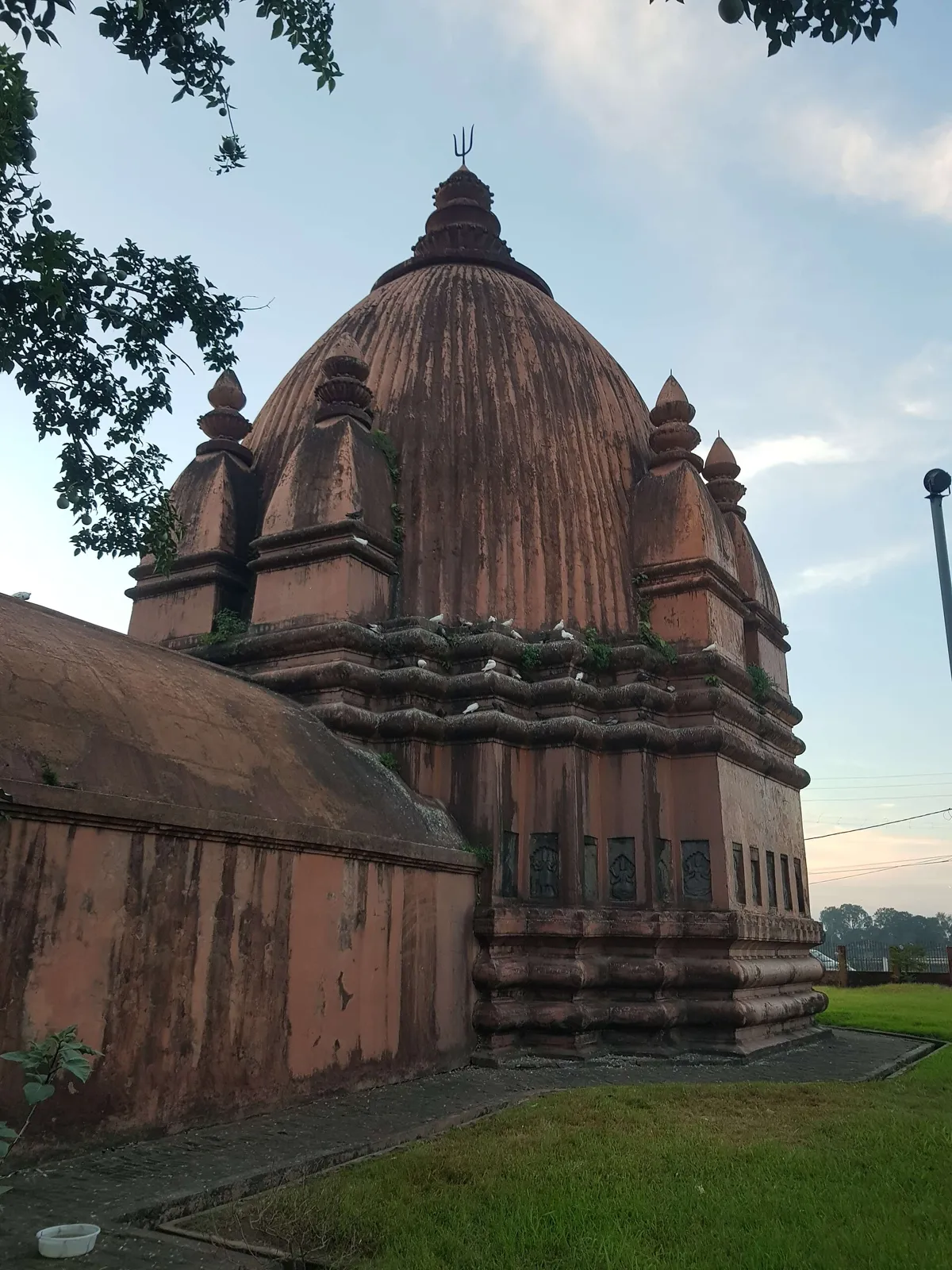
  • Sivadol temple
  • Rang Ghar pavilion
  • Tea and oil industries
In the city
3
District
Sivasagar

Why Sivasagar matters

Sivasagar is the headquarters of Sivasagar district in Upper Assam and one of the region’s most important places for understanding the Ahom kingdom. Its historic name, Rangpur, recalls its time as the kingdom’s capital, while the town’s landmark tank and surrounding temples, palaces and ceremonial buildings preserve a remarkable concentration of Ahom-era architecture. Sivadol, on the bank of Sivasagar tank, is among its best-known sights; Rang Ghar and Talatal Ghar are also major draws for visitors interested in Assam’s past.

The city matters beyond its monuments. It serves as a local centre for administration, commerce and travel, and lies in a part of Assam associated with tea cultivation and oil production. Visitors come for its heritage sites, but the town also offers a useful base for exploring the district’s landscapes and nearby tea-growing areas. Assamese language and culture are central to everyday life, alongside a strong sense of regional history. Together, its living town centre and distinctive historic landmarks make Sivasagar an important cultural destination in Assam.
Famous for: crafts, trade & products

Sivasagar is best known for its historic architecture rather than for a single locally made craft. Tea is an important regional product, and the wider area is associated with Assam tea, including Assam Orthodox Tea, a protected geographical indication. Tea is sold through shops and markets in town, while visits to working estates in the surrounding region can offer a closer look at cultivation and processing; access to estates should be arranged in advance.

Assamese handloom traditions are also part of the region’s cultural economy. Muga silk, an Assam GI product, and eri silk are found in local textiles and clothing, though Sivasagar is not principally known as a major silk-production centre. Look for Assamese garments and woven goods at town markets and specialist shops, and check the origin and material when buying. Bamboo and cane work, including household and utility items, are familiar crafts across Assam and may be available through local sellers. Tea and oil are important industries in the district, but industrial sites are not generally visitor attractions. The town’s most prominent public institutions and landmarks are linked to its role as a district headquarters and to its Ahom heritage.

History

Sivasagar grew around the political centre of the Ahom kingdom. Formerly known as Rangpur, it served as the kingdom’s capital from 1699 to 1788. The Ahoms ruled much of Assam for about six centuries, leaving temples, palaces, tanks and public buildings that remain central to the town’s identity. In the eighteenth century, Queen Ambika built the large tank now called Sivasagar tank, and Sivadol was established on its bank. The name Sibsagar developed from the association with the temple and tank.

The kingdom faced internal conflict, including the Moamoria rebellion, and was occupied by Burmese forces in the early nineteenth century. British conquest followed in 1825, with Assam annexed in 1826. Under colonial administration, the region was reorganised, and Sivasagar continued as an administrative centre. In modern times it has developed as the headquarters of Sivasagar district and as a service centre for surrounding communities. Tea cultivation and oil production have also contributed to the district’s economy, alongside heritage tourism and public administration.

Food, festivals & culture

Assamese is the main language of daily life; Hindi and English are also used in shops and public settings. The town’s cultural identity reflects Assamese traditions as well as the legacy of the Ahom kingdom. Rice is central to local meals, often served with fish, leafy vegetables and Assamese preparations such as khar, a distinctive alkaline dish, or tenga, a tangy curry. Pitha and larus are traditional rice-based treats, especially associated with festivals and family gatherings. Tea is part of everyday hospitality.

Bihu is the major seasonal festival cycle: Rongali Bihu comes in spring, Kati Bihu in autumn and Magh Bihu in winter. Celebrations include community gatherings, traditional music and dance, with dhol and pepa among the instruments associated with Bihu performance. Shivaratri draws worshippers to Sivadol, while Durga Puja is also observed in the town. Sivadol and other temples around Sivasagar tank are important places of worship as well as historic landmarks. Local religious life includes Hindu traditions and the diverse practices of Assam’s communities.

Visiting the city

The cooler, generally drier months from October to March are often the most comfortable for sightseeing. The monsoon brings heavy rain, which can affect outdoor plans. The nearest airport is Jorhat Airport, also called Rowriah Airport; Dibrugarh Airport is another option for some routes. Simaluguri Junction is the main railway station serving Sivasagar, with onward travel needed to reach the town centre.

Auto-rickshaws and taxis are useful for getting around, especially for visiting monuments spread across town; agree on the journey before setting off. The area around Sivasagar tank is a good starting point, with Sivadol and other historic structures close by. Rang Ghar and Talatal Ghar are further key stops. The town centre is useful for meals and everyday services, while nearby tea-growing areas make worthwhile excursions when visits can be arranged locally. Allow time to explore the monuments at an unhurried pace.

Attractions

Places to visit in Sivasagar

Sights within about 12 km of each other, even when they fall in different districts.

Map

Sivasagar on the map

  1. 1Rang Ghar
  2. 2Sivasagar Sivadol
  3. 3Talatal Ghar

Assam

Other cities to explore