
Ghumoopedia — Explore, Discover, Experience
Sign in
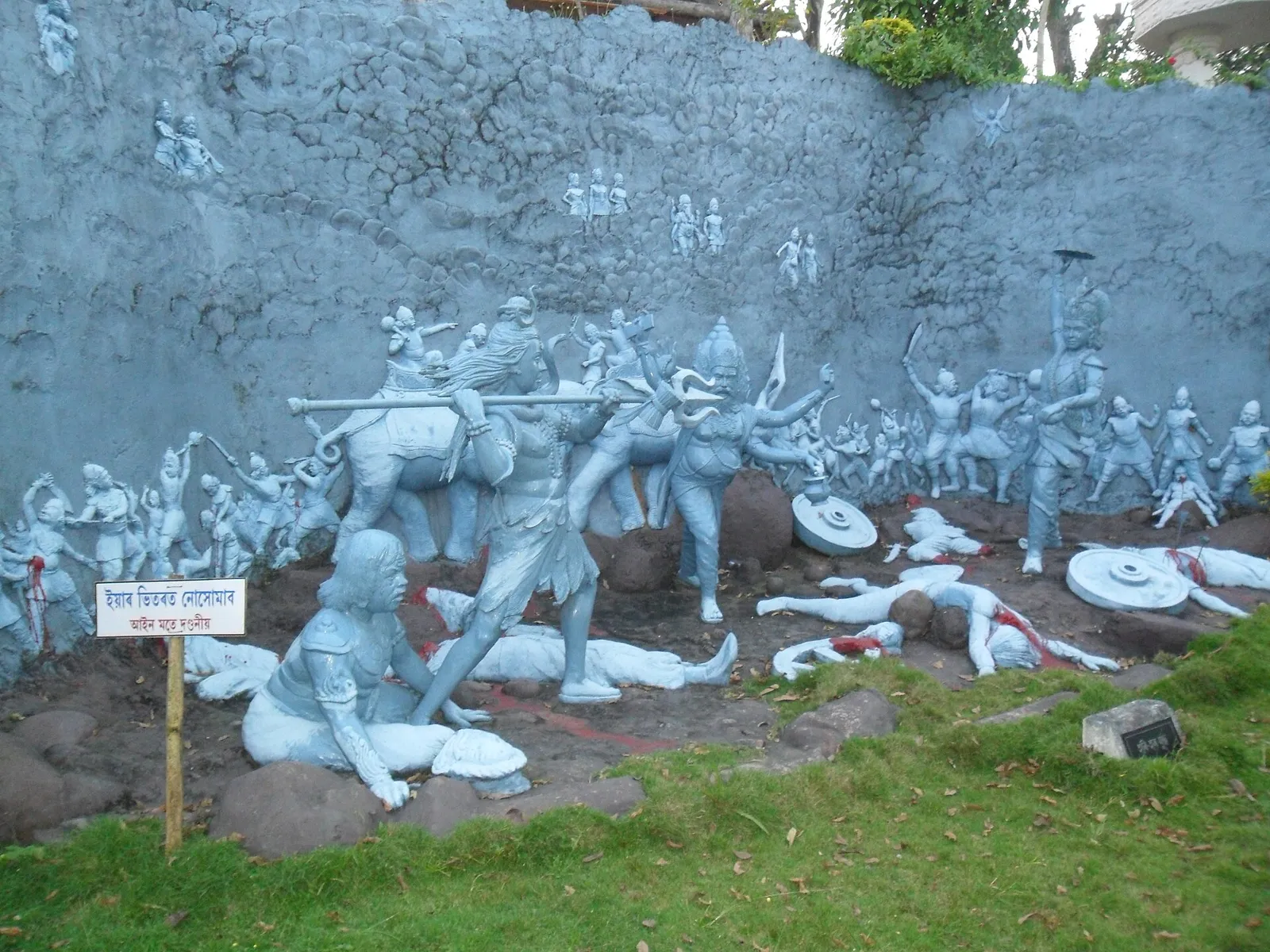
Agnigarh, near Tezpur

City guide · Assam

Tezpur

Tezpur is a key city on the north bank of the Brahmaputra in Assam, about 175 kilometres northeast of Guwahati. As an administrative, educational and commercial centre for the surrounding region, it serves as a base for exploring Sonitpur and the landscapes of northern Assam.

Famous for

  • Agnigarh hillock
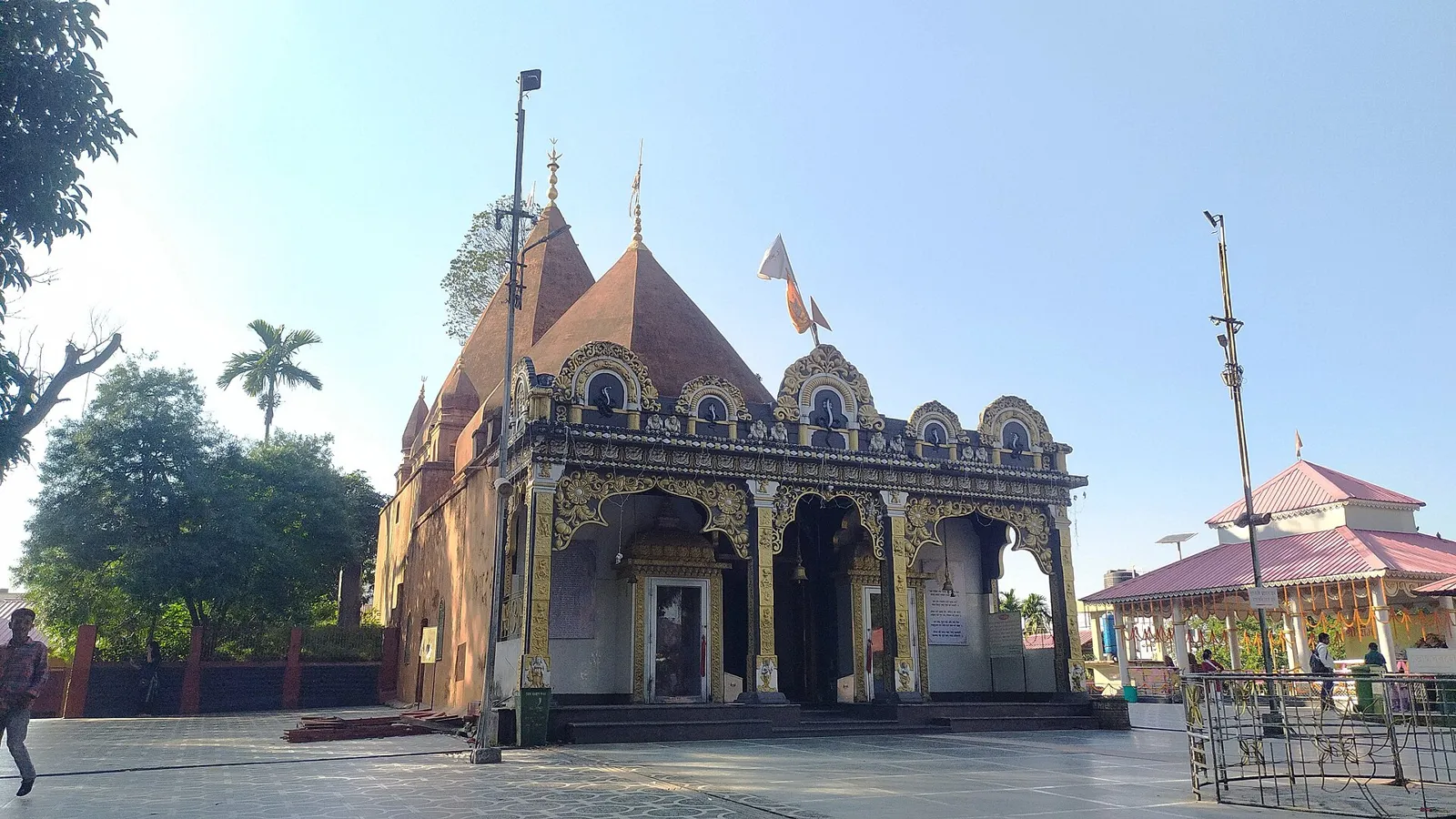
  • Mahabhairav Temple
  • Da Parbatia doorway
  • Bhairabi Temple
  • Assamese cultural heritage
  • Tezpur University
In the city
2
District
Sonitpur

Why Tezpur matters

Tezpur is a key city on the north bank of the Brahmaputra in Assam, about 175 kilometres northeast of Guwahati. As an administrative, educational and commercial centre for the surrounding region, it serves as a base for exploring Sonitpur and the landscapes of northern Assam. Its location by the river also gives the city a distinctive setting, with the Kolia Bhomora Setu linking the area across the Brahmaputra to Nagaon district.

Visitors come for a mix of ancient remains, temples, parks and stories from Assamese history and Hindu legend. Da Parbatia is noted for its carved stone doorway, while Bamuni Hills preserves sculptural ruins; Agnigarh and the Mahabhairav and Bhairabi temples add layers of religious tradition. Lakes and gardens, including Chitralekha Udyan and Padum Pukhuri, offer quieter places to explore. Tezpur is also associated with Assamese arts and literature, and its university and colleges contribute to its contemporary cultural life. Together, these qualities make it both a regional hub and a rewarding stop for heritage-focused travel.
Famous for: crafts, trade & products

Tezpur is better known for its cultural heritage, education and historic sites than for a signature textile or a distinct manufacturing industry. It is part of a region where Assamese handloom traditions remain important. In local shops and markets, visitors may find woven garments and household textiles, including products made with Assam’s silk varieties. Muga silk has a Geographical Indication for Assam, but it should be understood as a state-level craft tradition rather than a product unique to Tezpur.

Everyday markets are useful places to browse for locally made goods, seasonal produce, snacks and practical travel supplies. Bamboo and cane items, common across Assam, may also be available through local sellers, though selection varies. Assam tea is another regional product to look for in grocery and specialty shops. Tezpur’s strongest institutional associations are educational: Tezpur University and colleges serving the wider area draw students and staff from across the region. For visitors, the city’s more distinctive cultural offerings are its archaeological remains, temples, parks and connections to Assamese writers, musicians and performers, rather than a single famous shopping district or craft market.

History

Tezpur’s past reflects the changing political landscape of Assam. The area was under the Koch dynasty before becoming part of the Ahom kingdom in the 16th century. Ahom rule helped shape the region’s administration and cultural life, while accounts of medieval conflict and local legends remain part of the city’s historical identity. Archaeological remains at Da Parbatia and Bamuni Hills point to much older periods of settlement and religious architecture.

During British rule, Tezpur grew as an administrative and trading centre on the Brahmaputra’s north bank. Chitralekha Udyan, first established in the early 20th century, recalls this colonial-era civic development. In later decades, roads, educational institutions and public services strengthened the city’s role for Sonitpur and nearby areas. The Kolia Bhomora Setu, built across the river near the historic Bhomoraguri site, improved links with the south bank. Today, Tezpur combines its regional administrative role with higher education, healthcare and cultural tourism.

Food, festivals & culture

Tezpur’s food reflects Assamese home cooking: rice with fish, vegetables, leafy greens and tangy preparations such as tenga. Pitha and laru are familiar festive treats, especially during Bihu. Menus and household cooking vary, but visitors can look for Assamese dishes in local eateries and seasonal sweets in shops and markets.

Bihu is central to the cultural calendar. Rongali Bihu, in spring, brings music, dance and community celebrations; other Bihu observances follow the agricultural seasons. Assamese is widely spoken, alongside Bengali, Hindi and other languages. Assamese folk and modern music, Bihu dance and performance traditions are part of local cultural life; the city is also associated with notable Assamese artists and writers. Religious practice is visible at temples such as Mahabhairav, Bhairabi and Rudrapada, with worship and festivals drawing devotees. Tezpur’s parks, cultural venues and educational institutions provide additional settings for public performances and community events.

Visiting the city

The cooler, drier months from October to April are generally the most comfortable for exploring Tezpur. The monsoon can bring heavy rain and affect outdoor plans. Tezpur Airport at Salonibari is the nearest airport; Guwahati’s Lokpriya Gopinath Bordoloi International Airport offers broader flight connections. Dekargaon is the main railway station serving the city.

Auto-rickshaws and taxis are useful for getting around, while walking works well within individual parks and heritage sites. Explore central Tezpur for its temples, lakes and everyday markets, then visit Da Parbatia and Bamuni Hills on the outskirts. Agnigarh and Chitralekha Udyan are good stops for river views, landscaped grounds and local history. Bhairabi Temple and the Bhomoraguri area offer a wider look at the river setting and bridge connections.

Attractions

Places to visit in Tezpur

Sights within about 12 km of each other, even when they fall in different districts.

Map

Tezpur on the map

  1. 1Agnigarh
  2. 2Mahabhairav Temple

Assam

Other cities to explore