
Ghumoopedia — Explore, Discover, Experience
Sign in
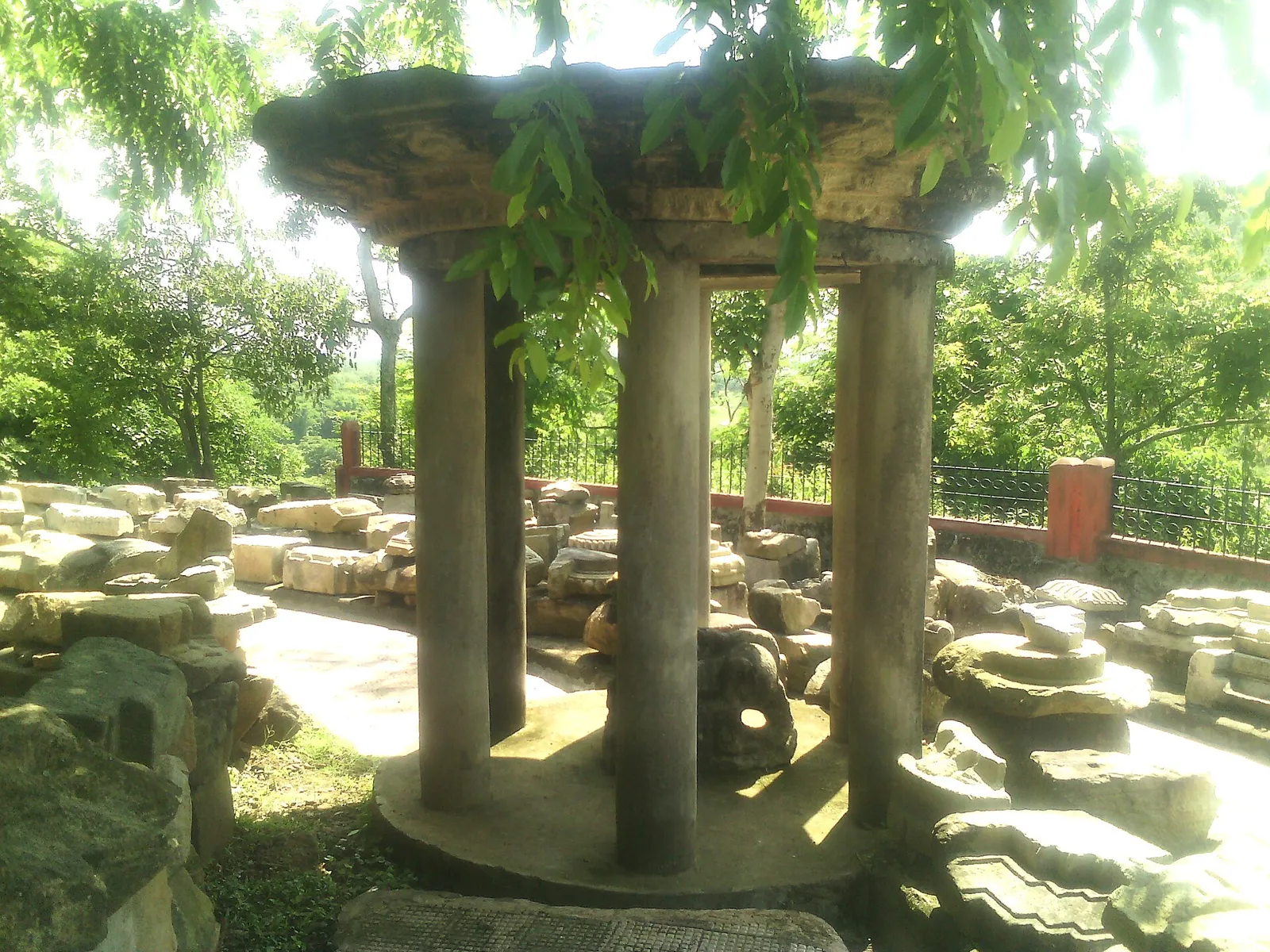
Madan Kamdev, near Rangia

City guide · Assam

Rangia

Rangia is an important railway and commercial town in Assam’s Kamrup district, serving communities across the surrounding part of Lower Assam. Its strongest regional connection is the Rangia railway division of Northeast Frontier Railway, whose headquarters are in the town.

Famous for

  • Northeast Frontier Railway division
  • Rangia Junction
  • Baralia River
  • Kamrupi cultural heritage
  • Bihu celebrations
In the city
0
Nearby
1
District
Kamrup
Plan a trip

Why Rangia matters

Rangia is an important railway and commercial town in Assam’s Kamrup district, serving communities across the surrounding part of Lower Assam. Its strongest regional connection is the Rangia railway division of Northeast Frontier Railway, whose headquarters are in the town. Rangia Junction links the area with destinations across Assam and the wider Northeast, making the city a useful stop as well as a transport hub.

The Baralia River runs through Rangia, while its markets and everyday civic life serve residents of the town and nearby villages. Visitors may come to change trains, explore the local market, or experience a town shaped by Kamrupi culture and the varied communities of the region. Rangia is not primarily a destination for major monuments or resort tourism; its appeal lies in its railway heritage, local atmosphere and position within the landscape and cultural life of Lower Assam. The nearby headquarters of the Indian Army’s Red Horn Division is another part of the town’s contemporary regional profile.

Famous for: crafts, trade & products

Rangia is better known for transport and regional commerce than for a distinctive craft or a product with a Geographical Indication tag. The railway division and Rangia Junction are its most prominent institutions, and the town’s shops and market areas serve local households and travellers. There is no widely established Rangia-specific textile, handicraft or food product to seek out as a signature souvenir.

Visitors can look in local clothing shops for Assamese garments, including mekhela chadors, and in general markets for everyday goods and seasonal produce. These are part of Assam’s wider retail and handloom culture rather than products unique to Rangia. Assamese handwoven textiles and crafts may also be found through sellers in the broader region, but availability varies. The railway station area and town market are practical places to browse for snacks, provisions and locally used goods. For a more specialised selection of crafts or handloom products, travellers may find greater choice in larger regional centres. Rangia’s most recognisable institutional connection remains the Northeast Frontier Railway division headquartered here.

History

Rangia lies within the historic Kamrup region, whose successive political and cultural histories are associated with ancient Kamarupa. In later periods, the area formed part of Kamapitha, a division of the Kamarupa kingdom, and it remains within the Kamrupi cultural region. Local folklore connects the name Rangia with “Randiya”; one popular interpretation links the words for war and giving to a remembered conflict involving Boro and Bhutanese communities. This is a traditional explanation rather than a settled historical account.

The town’s modern growth is closely tied to the expansion of railways in Assam. Its junction developed into an important point for passenger and freight movement, and the establishment of the Rangia railway division made the town a significant administrative centre for Northeast Frontier Railway. Rangia also grew as a market town serving nearby settlements and became the headquarters of Rangia subdivision. Today, municipal administration, railway activity and regional trade continue to shape its role in Kamrup district.

Food, festivals & culture

Rangia’s food reflects the everyday cooking of Lower Assam. Rice is central, often served with fish, vegetables and seasonal greens; dishes such as khar and sour tenga are familiar across Assamese kitchens. Pitha, sweets and jolpan—light snacks often eaten with tea—are especially associated with festive and family occasions. Local eateries and market stalls offer a practical way to sample everyday dishes, though menus vary.

Bihu is the best-known seasonal celebration: Rongali Bihu comes in spring, while Kati and Magh Bihu mark later points in the agricultural calendar. Durga Puja and festivals observed by Muslim, Bodo and other communities also contribute to the town’s shared calendar. Assamese and Bodo are among the languages heard locally, alongside Bengali, Hindi and other languages. Bihu songs and dances are part of the wider cultural life of Assam; community gatherings and neighbourhood celebrations are generally better ways to encounter them than expecting a regular staged performance. Hindu temples and Muslim places of worship serve local communities.

Visiting the city

The cooler, generally drier months from October to April are the most comfortable time to visit. The nearest major airport is Lokpriya Gopinath Bordoloi International Airport in Guwahati. Rangia Junction is the town’s main railway station and a major connection for travel around Assam and the Northeast.

Within Rangia, auto-rickshaws and other local transport can help with short trips; confirm the route before setting out. The station precinct and central market are useful areas to explore for daily town life, food and shopping. The Baralia River offers a point of reference through the city, though river conditions and access can vary. Rangia works well as a transport stop or base for nearby visits, but travellers seeking major attractions should plan connections to other destinations in Assam.

Short trips

Around Rangia

Within about 40 km — easy half-day or day trips from the city.

Map

Rangia on the map

  1. 1Madan Kamdev

Assam

Other cities to explore