Ghumoopedia — Explore, Discover, Experience
Sign in
Chakrashila Wildlife Sanctuary, near Bilasipara

City guide · Assam

Bilasipara

Bilasipara is a town and sub-divisional centre in Dhubri district, in western Assam. Its importance is primarily regional: it serves nearby settlements with markets, transport connections and everyday public services.

Famous for

  • Dhubri district sub-divisional centre
  • Western Assam market town
  • Assamese and Bengali cultural mix
  • Goalpariya folk-music region

Why Bilasipara matters

Bilasipara is a town and sub-divisional centre in Dhubri district, in western Assam. Its importance is primarily regional: it serves nearby settlements with markets, transport connections and everyday public services. For travellers, it can be a useful stop while exploring the lower Brahmaputra region and the towns and countryside of western Assam.

The town is not chiefly known for a single major monument, resort or nationally recognised craft. Its appeal lies instead in ordinary town life and its position within a culturally varied part of Assam, where Assamese, Bengali and regional traditions meet. Visitors may find the local markets and food more revealing than a formal sightseeing circuit. Bilasipara also offers a practical base for short journeys around the district, though road conditions and transport options can vary. Travellers seeking a quiet introduction to the region should allow time to walk through the town centre and observe its shops, places of worship and daily activity.
Famous for: crafts, trade & products

Bilasipara is best understood as a local trading and service centre rather than a specialised textile or handicraft hub. Its shops and market areas cater to residents of the town and surrounding settlements, with everyday goods and locally traded produce forming the main commercial scene. There is no widely established Bilasipara-specific saree, craft or GI-tagged product that visitors should expect to find here.

For a sense of the town’s commercial life, explore the central bazaar streets and shops around the main town area. These are the most practical places to look for routine shopping and regional snacks; selection varies, and specialist crafts may be easier to find in larger Assamese cities. The town’s wider cultural setting is associated with the music and traditions of western Assam, including Goalpariya folk music, but Bilasipara should not be presented as the sole centre of that tradition. Visitors interested in local products can ask shopkeepers about seasonal produce and goods from nearby villages, while keeping expectations modest about dedicated tourist markets.

History

Bilasipara’s history is best viewed within that of western Assam and the wider lower Brahmaputra region. The area experienced changing political influence, including that of the Koch kingdom, before coming under British administration as colonial control expanded across Assam and adjoining territories. River routes and overland connections helped link settlements in this region, while local markets served the surrounding countryside.

During the colonial period, administrative boundaries and transport networks gradually reshaped how towns in the area related to one another. Bilasipara developed as a local centre rather than as a major princely capital or colonial port. In modern Assam it became an important town within Dhubri district and the seat of a sub-division, supporting public services, education, trade and road travel for nearby communities. Its growth has continued in the pattern common to regional towns: through expanding connections with villages and neighbouring centres, rather than through a single defining industrial or monumental development.

Food, festivals & culture

Everyday food in Bilasipara reflects the mixed traditions of western Assam. Rice is a staple, commonly served with fish, vegetables, lentils and seasonal greens. Assamese and Bengali influences can both be encountered in home cooking and local eateries. Rice cakes and other pitha are especially associated with festive seasons; specific dishes and availability vary from household to household and through the year.

Bihu, celebrated at different points in the agricultural calendar, is central to Assamese cultural life, while Durga Puja and Eid are also observed by local communities. Worship at temples and mosques, alongside family and neighbourhood gatherings, forms part of the town’s religious life. Assamese and Bengali are widely relevant languages in the area, with other local speech varieties also heard. The region is associated with Goalpariya folk music, while Bihu songs and dance belong to the broader Assamese cultural landscape. Festivals are often the best time to encounter public music, food and community events, though schedules and celebrations are locally organised.

Visiting the city

The cooler, drier months from roughly late autumn through early spring are generally the most comfortable for visiting. The monsoon brings heavier rain and can make road journeys less predictable. Rupsi Airport is the nearest airport in the region, but services may be limited; Guwahati’s Lokpriya Gopinath Bordoloi International Airport is a larger alternative farther away. Bilasipara Railway Station serves the town, while road travel connects it with Dhubri and other western Assam centres.

Auto-rickshaws and shared or hired vehicles are useful for short trips, with local buses and road transport serving wider routes. Begin around the central market streets to see everyday town life, then explore nearby neighbourhoods and places of worship respectfully. Bilasipara is better suited to a low-key stop or regional base than to a tightly scheduled sightseeing visit.

Trips from the city

Nearest places to visit from Bilasipara

Our closest destination guides, by straight-line distance.

Chakrashila Wildlife Sanctuary

15 km away · Kokrajhar district

Chakrashila Wildlife Sanctuary

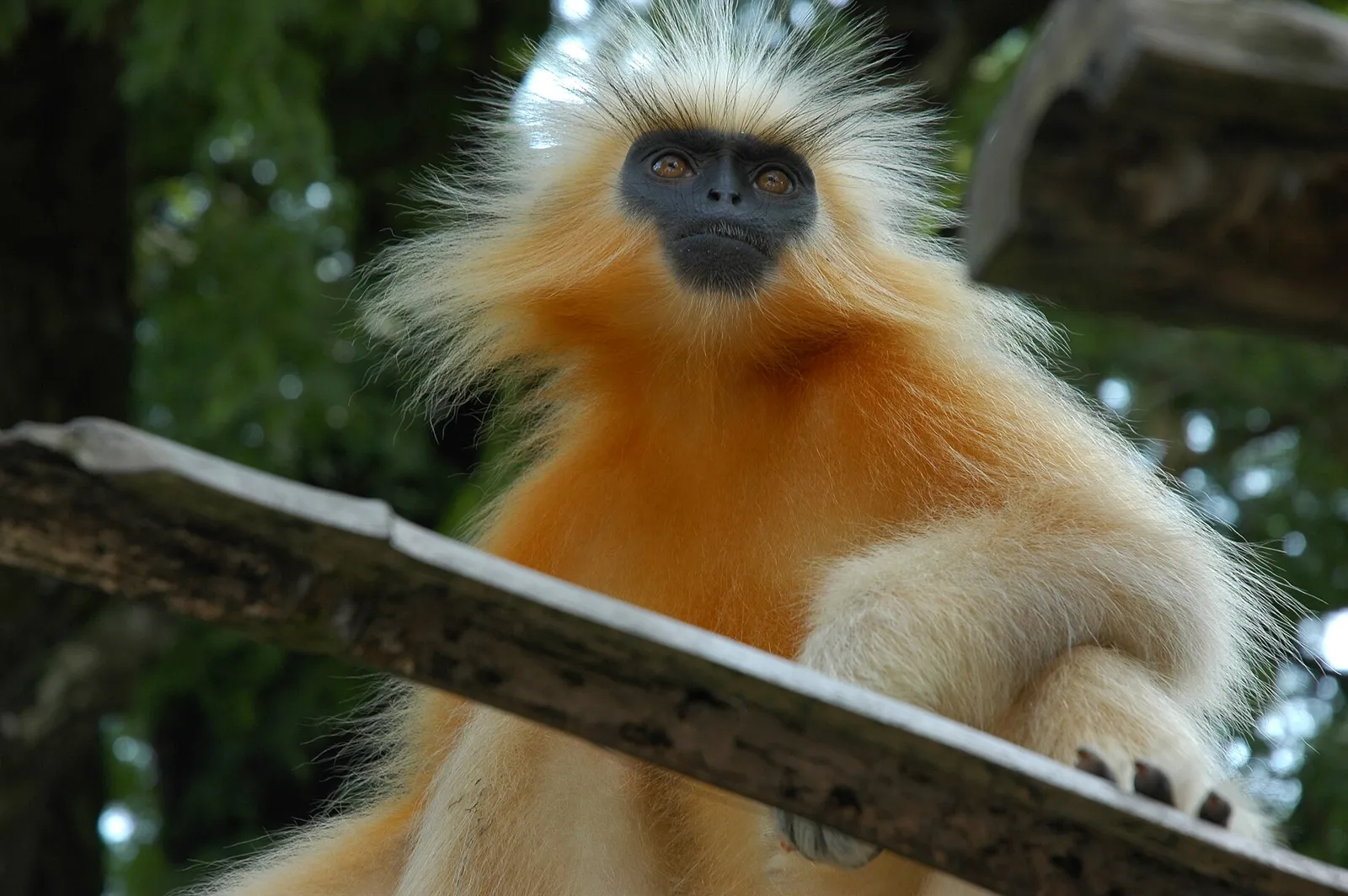
In Assam, Chakrashila Wildlife Sanctuary covers parts of Kokrajhar and Dhubri districts. Visitors are drawn by its golden langurs; it is the country’s second protected habitat for the species.

Asharikandi

29 km away · Dhubri district

Asharikandi

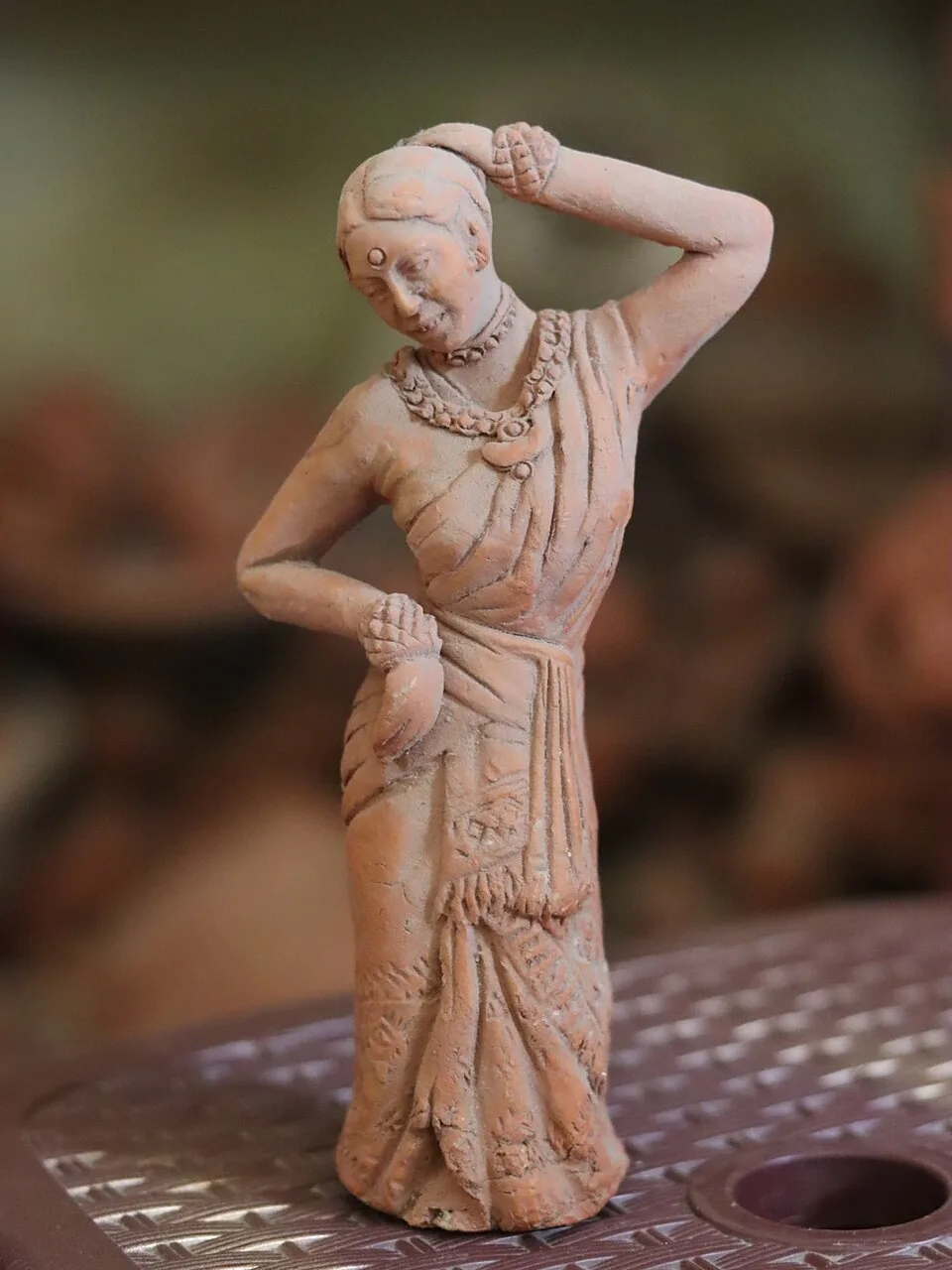
Asharikandi is a village in Assam’s Dhubri district, known for traditional terracotta and pottery. Visitors come to learn about its craft traditions and one of India’s largest concentrations of these crafts.

Sri Surya Pahar

49 km away · Goalpara district

Sri Surya Pahar

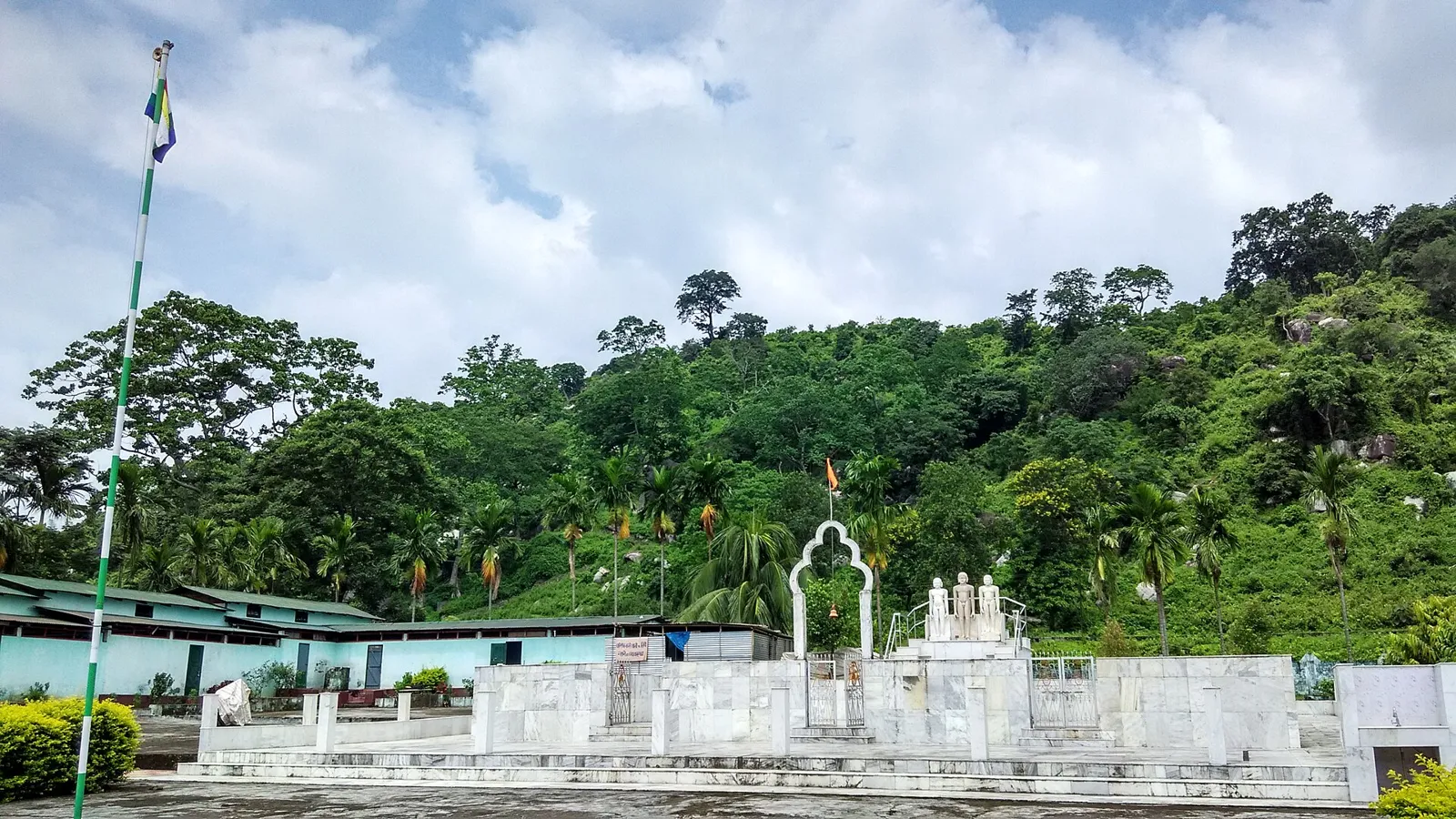
Sri Surya Pahar is an archaeological landscape in Assam, marked by remains associated with Hinduism, Buddhism and Jainism. Visitors come to see its scattered lingas, stupas, figures and evidence of an ancient settlement.

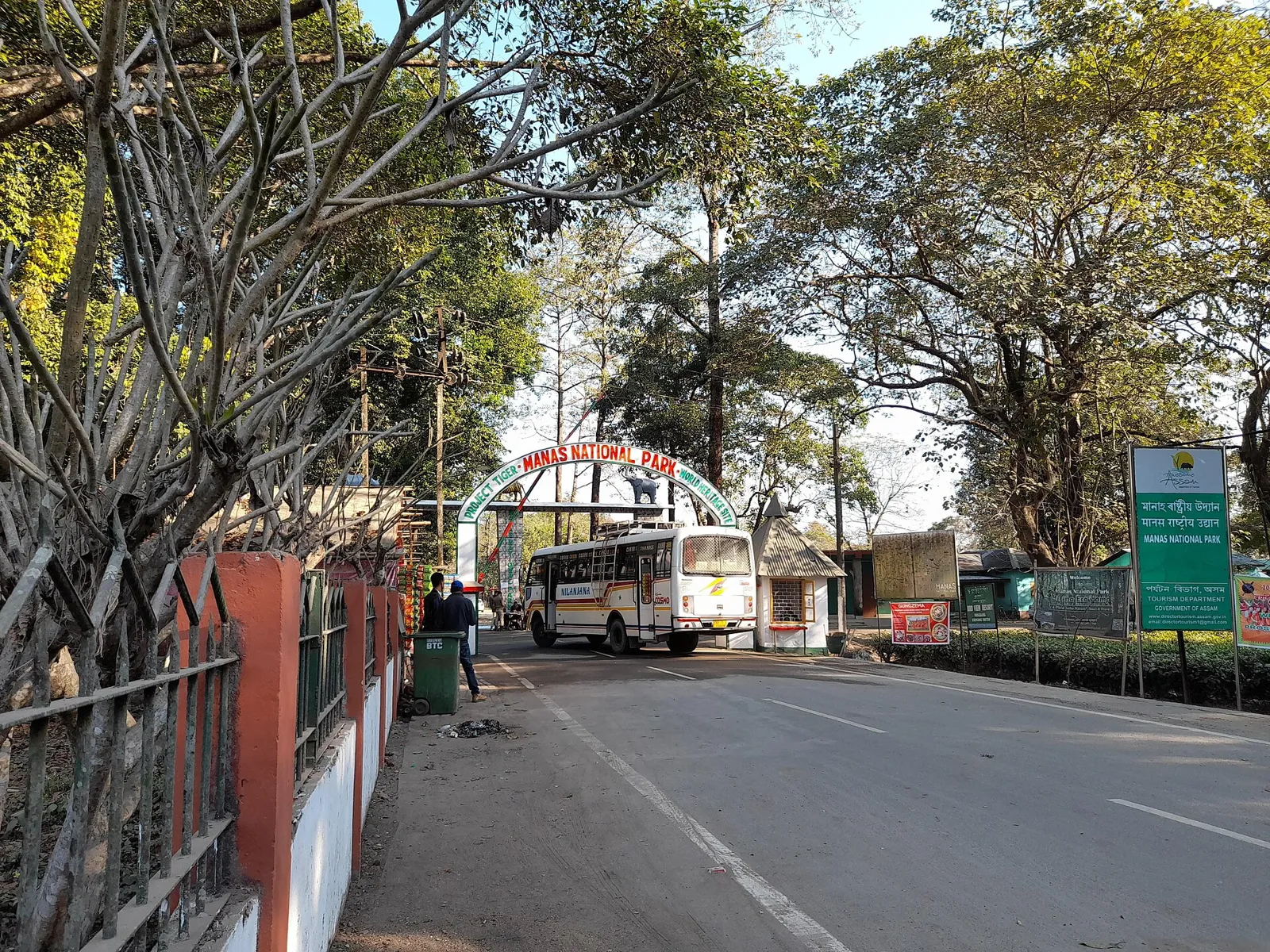
Manas National Park

88 km away · Baksa district

Manas National Park

In Assam’s Baksa district, Manas is known for varied habitats and rare wildlife; visitors come to see species such as the pygmy hog and golden langur.

Uzan Bazaar

89 km away · Kamrup Metropolitan district

Uzan Bazaar

Uzan Bazaar is a long-established neighbourhood in Guwahati, with both homes and businesses. Visitors may come for its commercial activity and to explore an area counted among the city’s oldest settlements.

Sarthebari

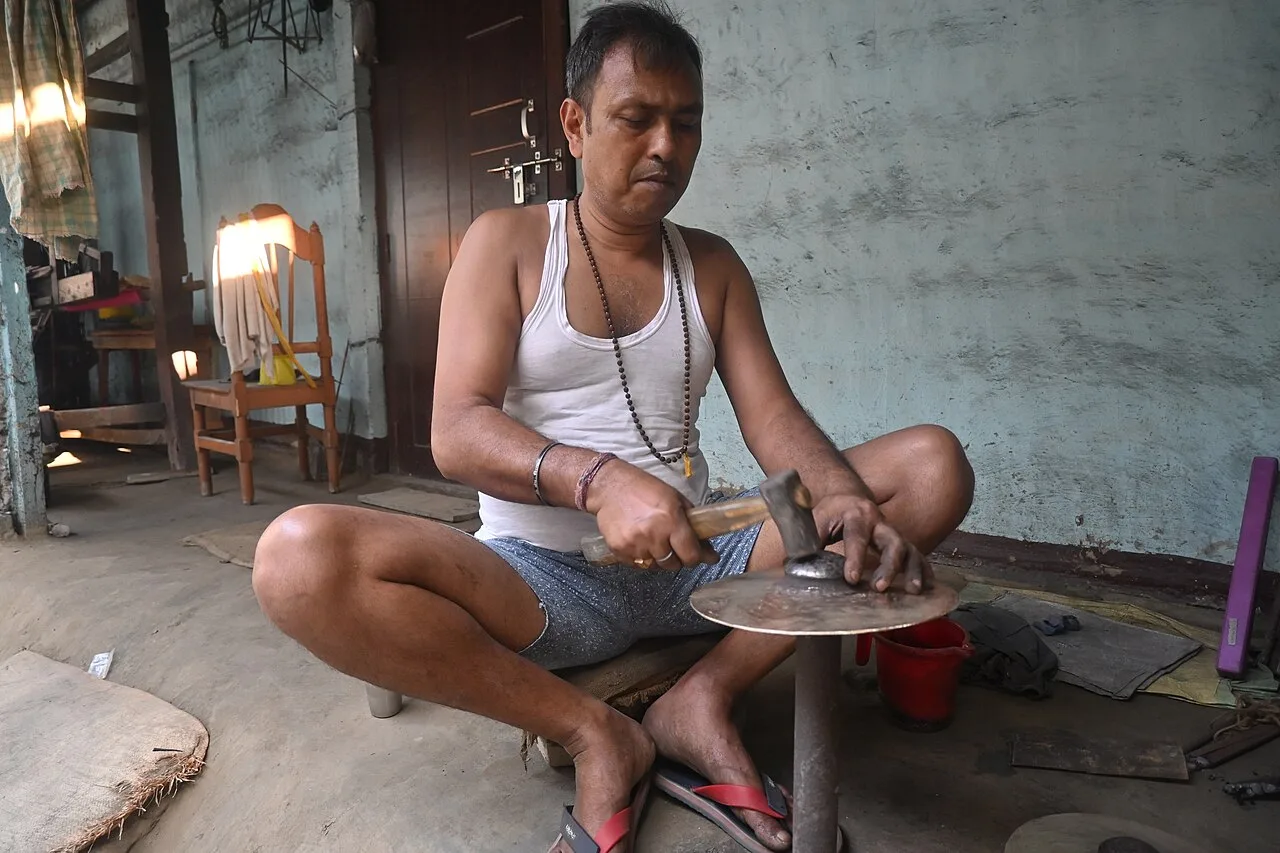
99 km away · Barpeta district

Sarthebari

Sarthebari is a settlement in Assam’s Barpeta district, described as both a village and a town with a town area committee. Visitors are drawn by its bell-metal craft.

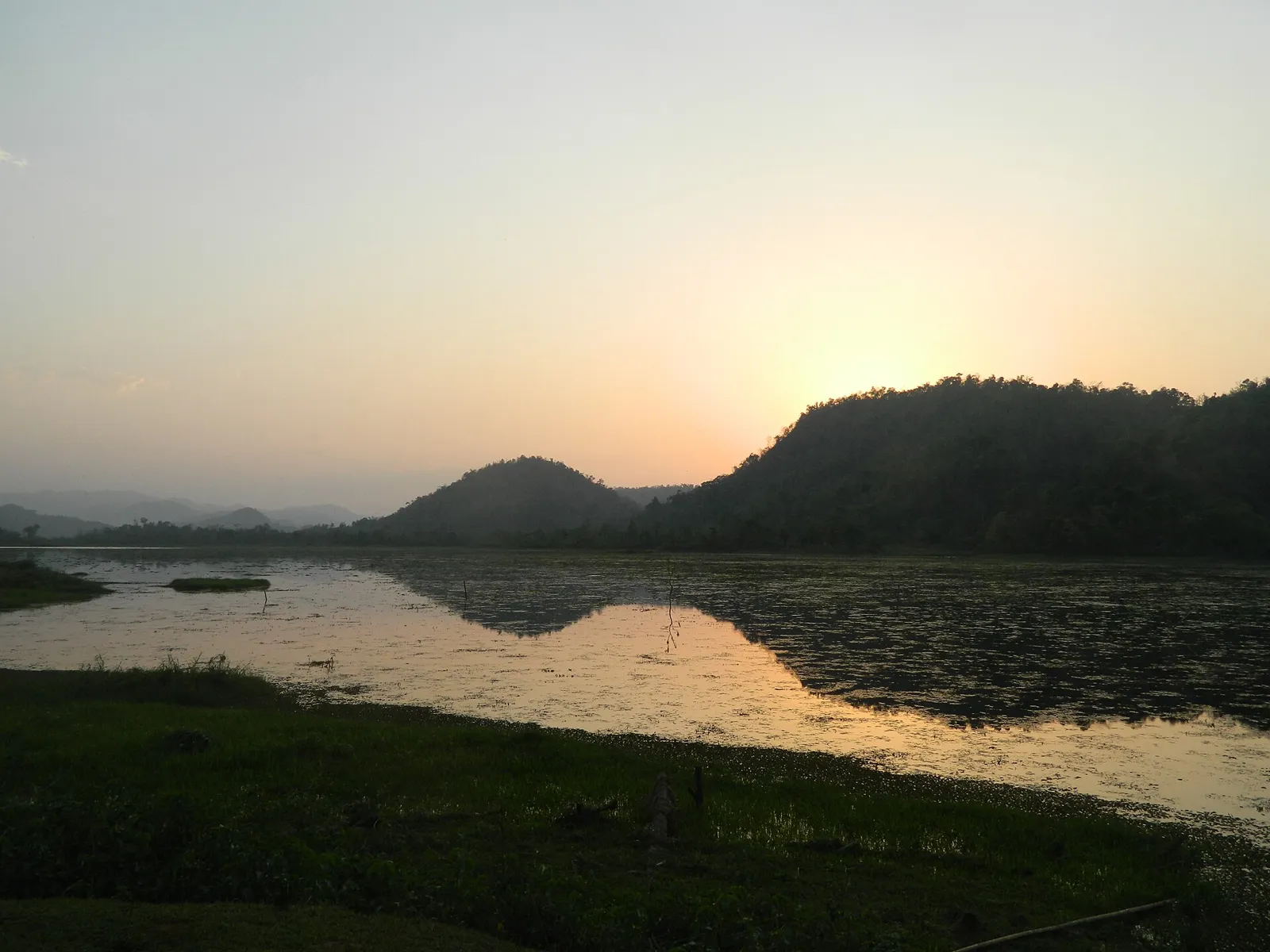
Chandubi Lake

125 km away · Kamrup district

Chandubi Lake

Within Kamrup district’s Rabha Hasong Autonomous Council, Chandubi Lake is a natural lake near the Garo Hills. Visitors come for its forest setting, winter birdlife, sightseeing and picnics.

Hajo

129 km away · Kamrup district

Hajo

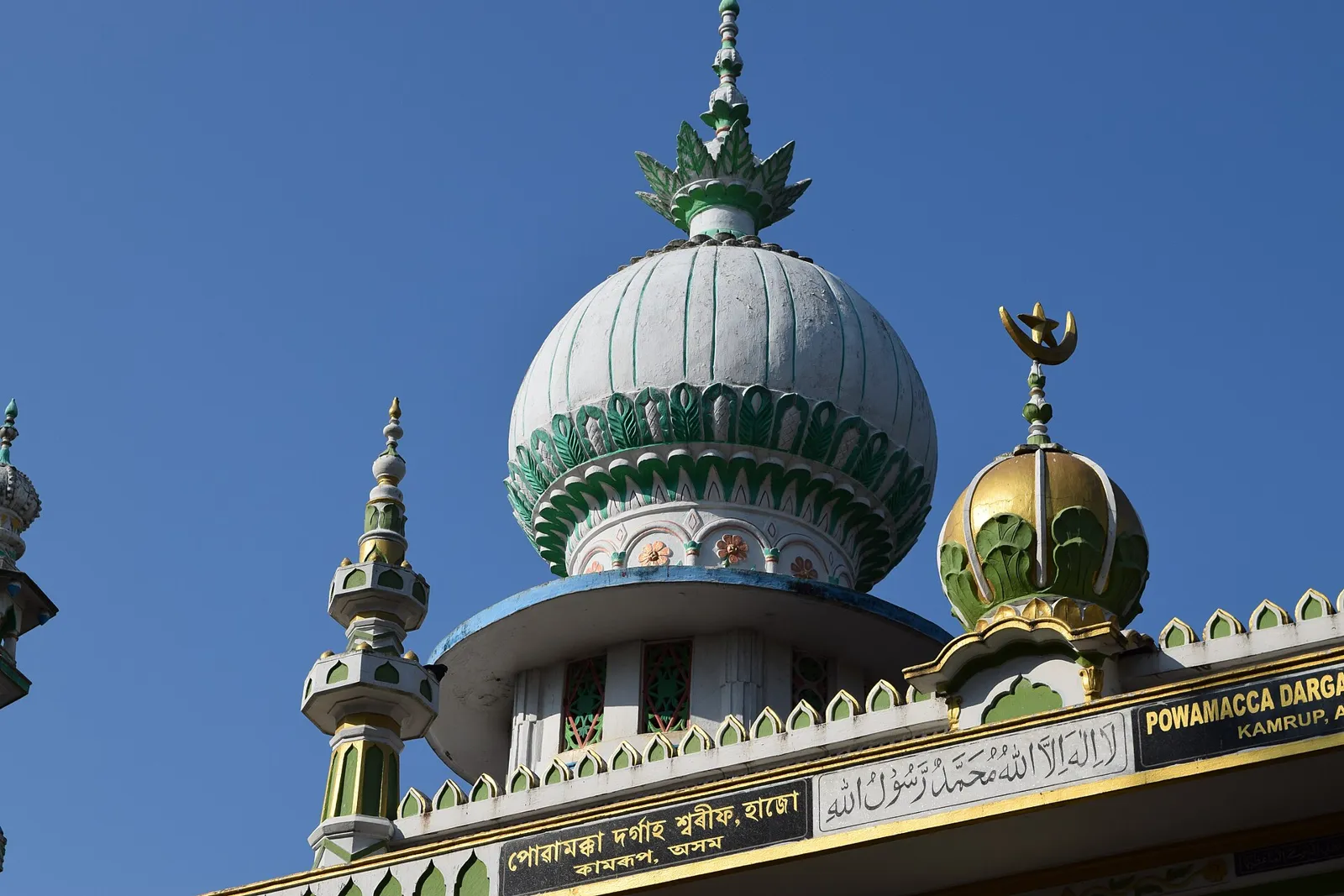
Hajo, in Assam’s Kamrup district, is an old town visited for pilgrimage sites sacred to Hindus, Buddhists and Muslims, and for its temples, monuments and tortoise-preservation tradition.

Map

Bilasipara on the map

  1. 1Chakrashila Wildlife Sanctuary
  2. 2Asharikandi
  3. 3Sri Surya Pahar
  4. 4Manas National Park
  5. 5Uzan Bazaar
  6. 6Sarthebari
  7. 7Chandubi Lake
  8. 8Hajo

Assam

Other cities to explore