
Asharikandi
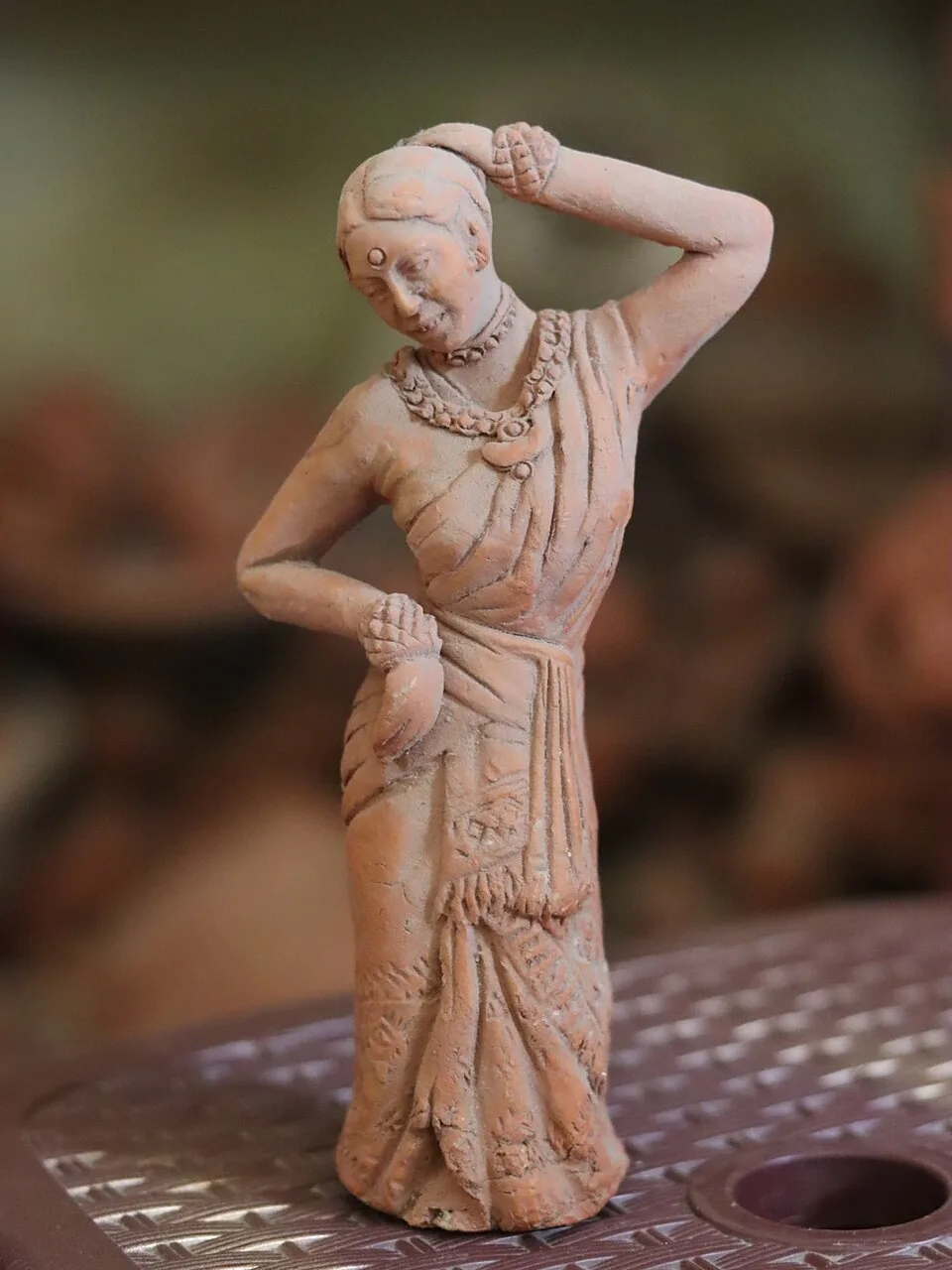
Asharikandi is a village in Assam’s Dhubri district, known for traditional terracotta and pottery. Visitors come to learn about its craft traditions and one of India’s largest concentrations of these crafts.
Key facts · verified by Ghumoopedia editors
- Type of place
- Community & living culture
- Best time to visit
- October to April
- Nearest railway station
- Kokrajhar · about 45 km (straight line)
- Verified
- 21 Nov 2026
Plan a trip from Asharikandi — a day-by-day route through places nearby.
Asharikandi is in Debitola development block, in Dhubri district, Assam, India. The village is about 14 kilometres east of Dhubri town. Guwahati, the state capital, and Borjhar Airport are approximately 190 kilometres to the west. Traditional terracotta work and pottery are closely associated with the village. Asharikandi is counted among India’s largest clusters for these crafts, making its pottery and terracotta traditions a reason for visitors to take an interest in the place. Assam’s Vaishnavite satras, Ahom heritage, Bihu festivals and silk-weaving traditions shape everyday life well beyond the major monuments. The Brahmaputra plains are hot and humid from April to September, with heavy monsoon rain and seasonal floods. Winters are mild and pleasant, with morning fog along the river. The usual best time to visit is October to April. For official information, see Assam Tourism at https://tourism.assam.gov.in.
Why it matters
Asharikandi is a village in Debitola development block, Dhubri district, best known for its living terracotta and pottery tradition. Its workshops and artisan households make it a place to encounter craft as part of daily life rather than as a display confined to a museum. Asharikandi Terracotta Craft is recognised under India’s Geographical Indications system, linking the craft’s name to its place of production. The cluster is important to Assam’s handmade craft heritage and provides livelihoods through making and selling pottery and terracotta objects. Visitors should understand that production happens in homes and small workshops, and access depends on the welcome of individual makers or cooperatives. It is not an ASI-protected monument or a ticketed heritage complex.
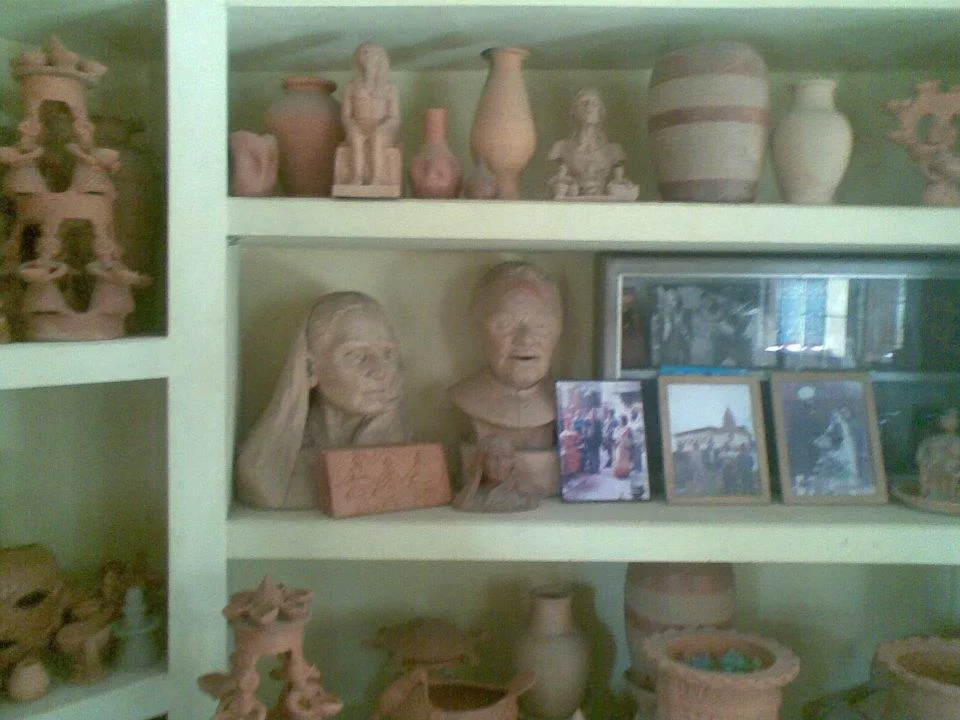
Asharikandi’s history is most clearly visible in its pottery-making households and the skills passed between generations. The village is associated with a traditional potter-artisan community, whose work developed around shaping clay into useful vessels and decorative terracotta objects. Public accounts do not establish a precise founding date or identify a single founder, so the craft’s beginnings are best described as a long-standing local tradition rather than assigned a specific century. Over time, makers have produced both everyday pottery and figurative pieces, adapting designs and products to changing household needs and markets. The craft remains centred on small-scale production, often in domestic courtyards or workshops, rather than a single central factory. Artisan groups and cooperative activity have helped connect makers with buyers and visitors. Asharikandi Terracotta Craft has received Geographical Indication recognition, which identifies the craft with its place of origin; visitors can ask makers or cooperatives how they use that recognition. This is a living craft landscape, not a historic building that has undergone a documented restoration. For detailed family histories or changes in technique, the most reliable accounts are those shared by artisans themselves.
Origin stories & folklore
No single, widely documented founding legend for Asharikandi’s pottery tradition can be confidently verified. Visitors may hear local accounts about how particular families learned the craft, how a design came into use, or how skills were handed down. These are best understood as family memories and oral tradition, not as established historical records. Ask the storyteller whether a tale is a family account, a local belief or a documented event, and avoid presenting one household’s version as the story of the whole village. The making process itself—clay preparation, shaping, drying and finishing—often provides a grounded way to learn how the craft has been sustained across generations.
The heart of a visit to Asharikandi is meeting the artisans at work. Ask to see each stage of the work, from raw material to finishing; most families work at home or in small courtyard workshops, and a single piece can take hours or days. Many households and cooperative societies welcome visitors who show genuine interest, but this is a working village, not a museum: ask before entering a home or workshop, keep visits short during busy hours, and accept that some families may be away at fairs or markets. Buying directly from the maker or a registered cooperative is the best way to support the craft. Where a product carries a Geographical Indication (GI) tag or a handloom mark, ask for it; prices for handmade work reflect the time and skill involved, so bargain gently, if at all. Some workshops offer short hands-on sessions — ask locally rather than expecting a fixed schedule.
Suggested itineraries
Half day: Arrange a local introduction; visit one or two willing artisan workshops; observe stages of making and finishing; browse for a piece directly from its maker (about 3–4 hours). Full day: Begin with an arranged workshop visit; allow time for conversations and a short demonstration if offered; take a break in or near Dhubri; return to meet another maker or cooperative and shop (about 6–8 hours). Gentler option: Arrange a vehicle close to one accessible workshop, sit for a short demonstration and conversation, and avoid trying to walk between scattered homes.
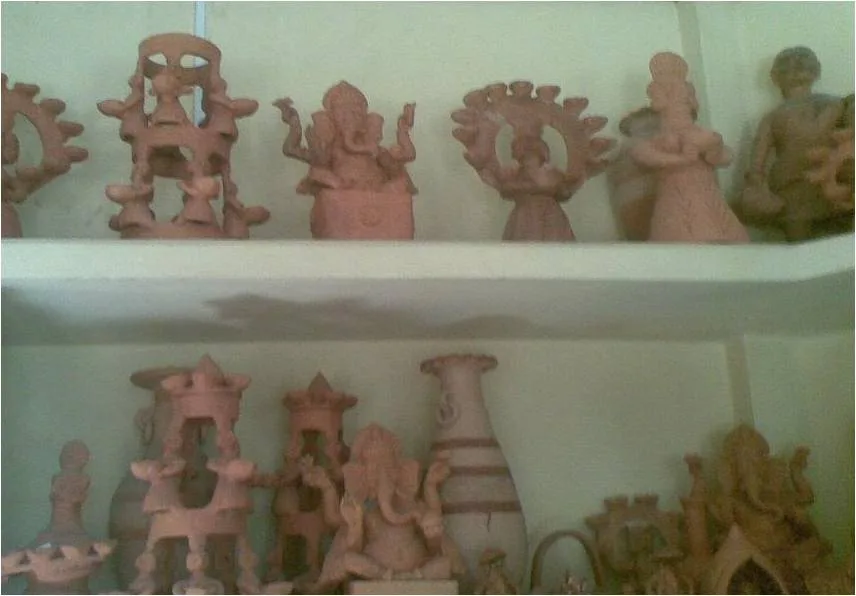
Craft is a visible part of everyday life in Asharikandi: visitors may see clay being prepared, objects shaped and pieces set aside to dry or finish. Work is often organised within households, with skills shared across generations. Assamese and Bengali are among the languages visitors may encounter in the wider Dhubri area; local speech can also vary from household to household. Assam’s broader cultural calendar includes Bihu celebrations, devotional observances and community events, though the form and scale of observance differ locally. Dress is contemporary and varied, and visitors should not assume that every household follows the same customs. A polite greeting, patient conversation and asking before entering a work area are appreciated ways to engage.
Local communities
Asharikandi’s pottery and terracotta tradition is sustained by artisan households and local makers, alongside people involved in selling, organising or supporting the craft. The work contributes to household livelihoods and connects the village with buyers, markets and visitors. Dhubri district is socially and linguistically diverse; no single community represents everyone who lives or works in the area. Visitors should ask makers how they identify their own work and community rather than assigning labels. Some artisans may be occupied with production, household responsibilities or travel to fairs and markets, so a visit is not guaranteed to include a demonstration. Buying directly from a maker or registered cooperative can support local livelihoods.
Festivals & events
Bihu is observed across Assam, with celebrations linked to the agricultural year; the scale and programme in Asharikandi can vary. Religious and community observances in Dhubri district reflect its diverse population, while local fairs and craft events may offer artisans opportunities to display or sell their work. Public celebrations can bring extra visitors and busier roads, and artisans may be away from their workshops selling at an event. Be considerate around ceremonies and ask before photographing participants.
Village food in Assam is home cooking: masor tenga (a tangy fish curry), khar, duck with ash gourd, pitha rice cakes, aloo pitika and, of course, Assam tea. Asharikandi itself may have only tea stalls and small eateries, so ask your host or guide where to eat, or arrange a home-cooked meal in advance — it is often the highlight of a village visit. Carry water and a snack if you plan to spend the whole day, and eat your main meal in the nearest town if no local option is open.
Shopping & local experiences
Look for handmade terracotta figures, decorative pieces and pottery intended for household use. Designs, finishes and sizes vary by maker, so ask about the process and how best to handle or transport a piece. Buying directly from the artisan or a registered cooperative is a practical way to support the craft. If a product is presented with a Geographical Indication label or other craft mark, ask the seller what it certifies; do not assume every handmade object carries one. Prices reflect labour and skill, so bargain gently, if at all. Local food or refreshments may be available nearby, but selection is not guaranteed; Dhubri town offers more choice.
Asharikandi lies in the low-lying Brahmaputra plains of western Assam. The surrounding landscape is largely rural, with cultivated land, settlements and seasonal changes shaped by the monsoon. The wider region has a hot, humid period from spring through the rainy season, and heavy monsoon rain can bring flooding and affect road conditions. Winters are generally mild, and morning fog may occur across the plains. This is not a designated wildlife-viewing site, and visitors should not expect a particular bird or animal sighting. Nearby wetlands and riverine habitats in the wider district can support seasonal birdlife, but conditions vary. Stay on established routes, avoid entering fields or waterlogged areas without permission, and check local advice after heavy rain.
October to April
The nearest principal railway station by straight-line distance is Kokrajhar, roughly 45 km away. The nearest operating airport by straight-line distance is Lokpriya Gopinath Bordoloi International Airport, Guwahati, roughly 160 km away. These figures are calculated from map coordinates — actual road distance is longer. undefined Asharikandi is a village, so the last stretch is by road: Assam State Transport Corporation (ASTC) and private Volvo/sleeper coaches reach the nearest town, and from there a shared auto, local bus or reserved taxi covers the final few kilometres. Village roads can be narrow and unpaved; a taxi hired for the day from the nearest town is the simplest way to combine Asharikandi with nearby sights and get back before dark. When comparing train, bus and flight, count the complete door-to-door time: a flight saves the most time only if the onward road transfer is short, while an overnight train can save a hotel night. Book your return before you leave, because seats fill quickly on weekends, festivals and holidays. Current train numbers, timings, return services and fares are not listed here; check IRCTC and NTES for trains and the airline's own schedule for flights. No Inner Line Permit is needed to visit Assam.
Confirm onward and return timings on IRCTC / NTES, the state bus operator or your airline before travel. A dash means current timings or fares have not been verified.
Getting around
On arrival in the area, local buses and shared autos may serve routes between settlements, while a reserved taxi offers more flexibility for reaching workshops and returning to Dhubri. Confirm the final road approach with your driver or host, as village roads may be narrow and sections can be uneven or unpaved. Walking is practical for short distances within the village, but workshops are spread among homes rather than arranged as one compact site. Ask before parking near a house or work area, and do not block access for residents. Arrange a return ride in advance if relying on local transport, particularly later in the day.
Hours, tickets & permissions
Asharikandi is a working village rather than a single attraction with a central entrance. There is no general village ticket or uniform visitor schedule stated here. Household workshops are private workspaces, and access depends on the family or cooperative; ask before entering and confirm arrangements locally. Some makers may be away or unable to host visitors. If a specific cooperative, exhibition space or event is your destination, check its current entry rules, fees and hours with the organiser before travelling. Carry identification for travel as appropriate, but no special visitor permit is known to be routinely required for the village.
Facilities
Asharikandi is a village, not a developed visitor complex. Toilets, drinking water, seating and food options at individual workshops are not guaranteed; ask your host and carry water, especially in hot weather. Small local shops may provide basic refreshments, while Dhubri town is the more dependable place to look for a broader choice of food, cash services and other necessities. Parking is informal and should be arranged without obstructing homes or lanes. A dedicated guide service is not assured, so arrange an introduction through a maker or cooperative where possible. Check locally for current facilities before setting out.
Accessibility
The village setting includes narrow lanes and potentially uneven or unpaved surfaces. Workshops may be inside homes or courtyards, where thresholds, steps, low seating or limited turning space can make access difficult. Distances between makers can require vehicle transfers rather than one continuous walk. Shade and places to sit are not assured, so ask the host about arrangements and plan rest breaks. Wheelchair and stroller access cannot be assumed, and wet weather may make paths harder to navigate. Older visitors or anyone with limited mobility may find a pre-arranged visit to one workshop more comfortable than attempting several stops. Confirm access directly with the household or cooperative.
No Inner Line Permit is needed to visit Assam. Carry a photo ID, some cash (card and UPI acceptance varies in villages) and a charged phone with offline maps; save the emergency number 112 and your host's contact. Heat in summer and heavy rain in the monsoon are the main weather risks; carry water, avoid midday sun and allow extra time when village roads flood. Respect local customs: dress modestly, remove footwear where asked, and always ask before photographing people, homes or rituals.
Visitor rules
Ask permission before entering a home, courtyard or workshop, and follow the host’s instructions around tools, clay and drying pieces. Wear practical footwear for uneven lanes and work areas; modest, comfortable clothing is sensible in a village setting. Do not touch unfinished or displayed objects unless invited. Keep visits considerate and brief when artisans are busy, and do not block household entrances. Use bins where available and avoid leaving plastic or other litter. There is no single set of village-wide visitor rules, so comply with any limits set by a family, cooperative or event organiser, including areas they ask visitors not to enter.
Photography
Soft morning or late-afternoon light can show the textures of clay and the details of finished work; ask artisans where they prefer visitors to stand. Photography is not automatically permitted inside a home or workshop. Always ask before photographing people, work in progress or private spaces, and respect a refusal without argument. Avoid interrupting a demonstration to take pictures, and do not handle objects for a photograph unless invited. Drone use may be subject to aviation rules and local privacy concerns; do not fly over homes or gatherings without the necessary permissions. Be especially considerate during religious or community observances.
Most visitors see Asharikandi on a day trip from the nearest town, which has the widest choice of hotels. A few villages have homestays or heritage stays; otherwise base yourself in the district town and hire a taxi for the day. Confirm the booking and the exact location before you travel, because village addresses can be hard to find.
Dhubri town is the nearest useful centre for services and can be combined with a visit to Asharikandi. In town, Gurudwara Sri Guru Tegh Bahadur Sahib is an important Sikh place of worship and a well-known local landmark; observe its visitor etiquette and ask about current access arrangements. Panbari Mosque, a historic mosque in Dhubri district, is another site visitors may consider, with respectful dress and conduct essential. Mahamaya Dham at Bogribari is a regional religious destination in the district. These places are not part of the craft village, and road conditions and access can vary; check locally before adding them to a day’s route.
For couples, Asharikandi is a chance to slow down: spend an unhurried morning with the makers, choose a piece together directly from the family that made it, share a home-cooked meal and keep the afternoon free. Stay in a nearby homestay or heritage property to make it a quiet overnight escape.
Q: How much time should I allow for Asharikandi? A: A half-day can cover an arranged workshop visit and time to browse; allow a full day if combining several makers with Dhubri or other nearby places. Q: When is a good season to visit? A: October to April is generally more comfortable for travel in Assam. Monsoon rain can affect roads, so check conditions locally. Q: Is there an entry ticket, and can I visit a workshop without arranging it? A: There is no general village ticket stated here, but workshops are private spaces. Ask a maker or cooperative in advance and confirm any current arrangements. Q: Is the visit suitable for children or elderly visitors? A: It can be, with supervision around tools and unfinished pieces. Uneven lanes and workshop thresholds may be difficult, so arrange a short, vehicle-accessible visit if needed. Q: Where can I stay nearby? A: Dhubri town is the practical nearby base to check for accommodation. Confirm availability and transport arrangements before travelling.
Be the first to share photos, stories, advice or a helpful contact for Asharikandi.
Loading…