
Ghumoopedia — Explore, Discover, Experience
Sign in
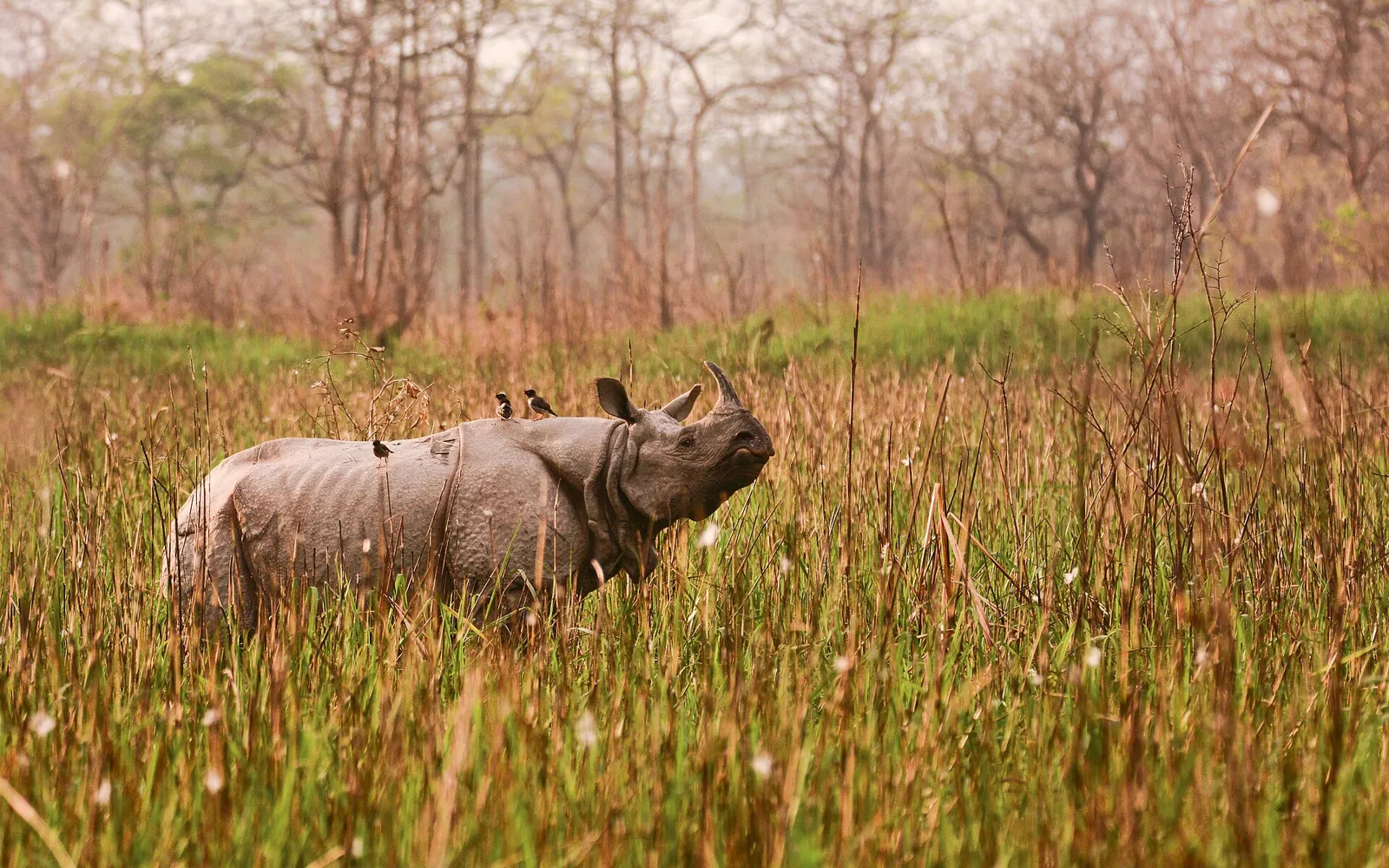
Orang National Park, near Dhing

City guide · Assam

Dhing

Dhing is a village in the northwestern part of Nagaon district, in central Assam. About 25 kilometres from Nagaon town, it serves residents of surrounding settlements for everyday shopping, services and local travel.

Famous for

  • Hima Das's home region
  • Nagaon district countryside
  • Local agricultural markets
  • Assamese Bihu celebrations
In the city
0
Nearby
1
District
Darrang
Plan a trip

Why Dhing matters

Dhing is a village in the northwestern part of Nagaon district, in central Assam. About 25 kilometres from Nagaon town, it serves residents of surrounding settlements for everyday shopping, services and local travel. Its importance is primarily regional rather than as a major tourism centre: the nearby district town provides larger institutions and services, while Dhing is part of a landscape of villages and cultivated land.

Dhing is widely associated with sprinter Hima Das, who was born in the nearby village of Kandhulimari. That connection gives the area a place in contemporary Indian sporting life. Visitors are more likely to come for family visits, local connections or a look at rural life in the Nagaon region than for a set of landmark attractions. The village’s appeal lies in its quieter setting and its position within Assam’s broader cultural and agricultural landscape. Nagaon town is a useful base for reaching Dhing and exploring the surrounding district.

Famous for: crafts, trade & products

Dhing is not widely identified with a particular textile, handicraft, GI-tagged product or large industry. Its local trade is centred on everyday needs and the surrounding rural economy. Small shops and market areas serve residents and nearby villages; the range of goods can vary, and visitors should not expect a specialised craft bazaar or a dedicated tourist market.

Assamese handloom traditions, including woven mekhela chadors and gamusas, are part of the wider state’s cultural economy, but they should not be treated as products unique to Dhing. Travellers looking for a broader selection of textiles, regional foods or crafts can explore shops and markets in Nagaon town or other larger Assam centres. Local markets in Dhing are best approached as places to observe daily commerce and find ordinary provisions, rather than as destinations for a signature souvenir. No specific Dhing-made product or recognised industrial speciality is well established in the town’s public profile.

History

Dhing’s history is best understood within that of the wider Nagaon region; the village is not widely documented as the seat of a ruling dynasty or as a centre with major surviving monuments. The area’s past reflects the changing political history of Assam, including periods of Ahom influence and the expansion of British colonial administration after the early nineteenth century. These larger shifts shaped governance and connections across the region, but detailed accounts of Dhing’s own early development are limited.

In modern times, Dhing has grown as a local settlement serving nearby villages, with markets, transport links and everyday services. Its relationship with Nagaon town remains important for access to larger facilities. The area has also gained wider recognition through its association with sprinter Hima Das, born in nearby Kandhulimari. That sporting connection is a contemporary part of Dhing’s public identity, rather than evidence of a long-established tourist or industrial centre.

Food, festivals & culture

Everyday food in Dhing reflects Assamese home cooking. Rice is a staple, commonly served with fish, vegetables and lentils; dishes such as khar and sour fish tenga are familiar across the region. Seasonal snacks and sweets include pitha and jolpan, though particular preparations vary between households. Local shops and eateries are the practical places to ask about what is being served, rather than expecting a formal food-tourism scene.

Bihu is the major seasonal celebration: Bohag Bihu comes in spring, Kati Bihu in autumn and Magh Bihu in winter. Bihu songs and dance are important parts of Assamese cultural life, alongside devotional singing and community gatherings. Assamese is widely used, with other languages also heard in the diverse Nagaon region. Residents worship at local Hindu temples and mosques; visitors should be respectful of local customs and dress modestly when entering places of worship. Dhing’s cultural life is rooted in family, village and seasonal observances.

Visiting the city

The cooler, drier months from about October to April are generally the most comfortable time to visit. The monsoon season brings heavier rain, which can affect road journeys and outdoor plans. Lokpriya Gopinath Bordoloi International Airport in Guwahati is the main air gateway for visitors travelling to the region. Dhing has its own railway station, Dhing Railway Station; check current connections before setting out. Nagaon town is the nearest larger centre for broader services and onward travel.

Within Dhing, short local journeys are usually made by road, using available local transport or private vehicles. The market and central settlement are the most practical areas to walk around and observe daily life. Visitors can also explore the surrounding countryside, while treating Nagaon as a base for district-level services and excursions. There is no extensive visitor district or cluster of established tourist attractions in Dhing.

Short trips

Around Dhing

Within about 40 km — easy half-day or day trips from the city.

Map

Dhing on the map

  1. 1Orang National Park

Assam

Other cities to explore