
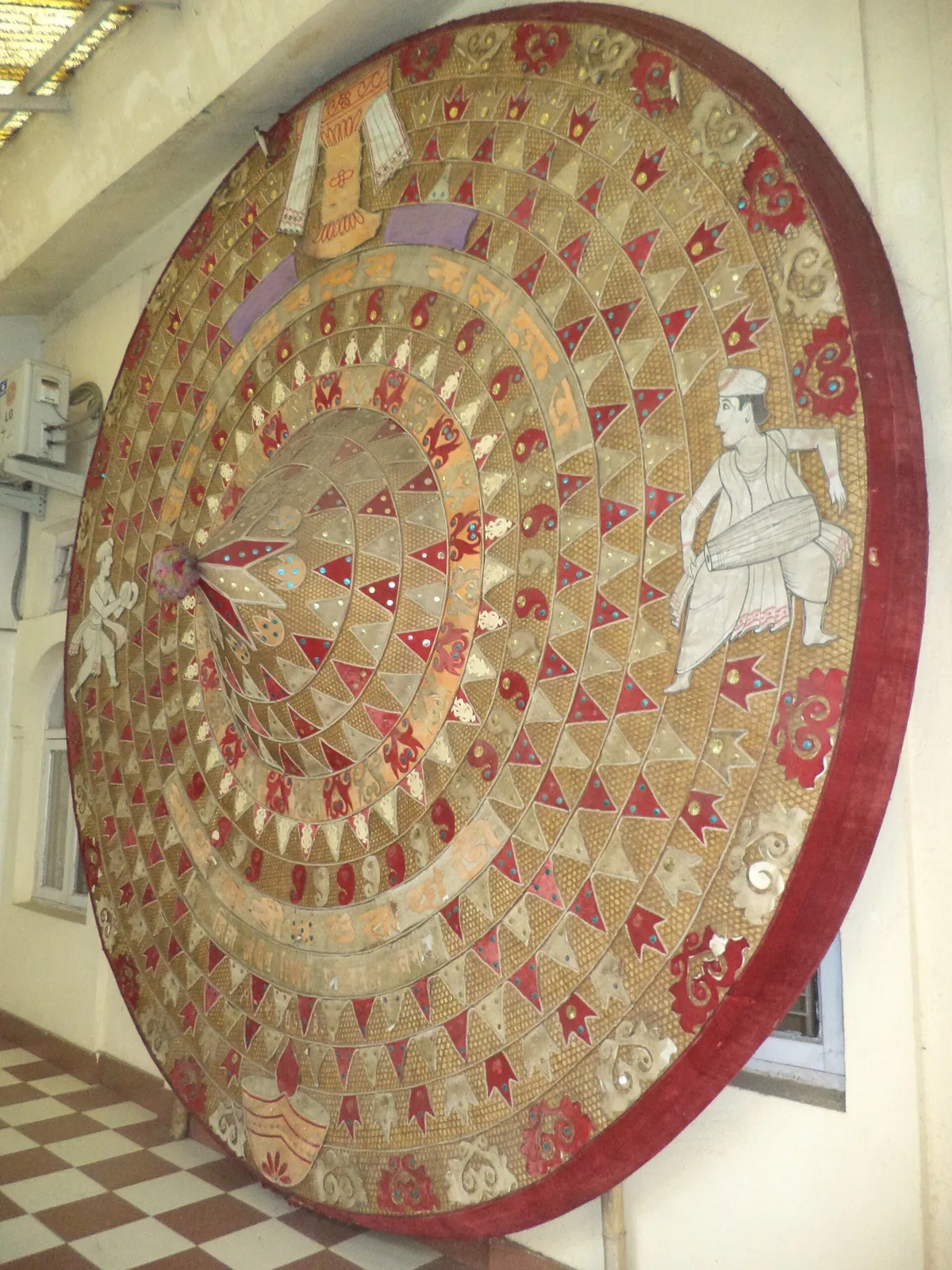
Srimanta Sankardev Kalakshetra
In Panjabari, Guwahati, Srimanta Sankardev Kalakshetra is a cultural complex where visitors explore art and heritage from Assam and the wider North-East.
Key facts · verified by Ghumoopedia editors
- Type of place
- Destination
- Best time to visit
- October to April
- Nearest railway station
- Guwahati · about 10 km (straight line)
- Verified
- 21 Nov 2026
Plan a trip from Srimanta Sankardev Kalakshetra — a day-by-day route through places nearby.
Set in Panjabari, Guwahati, within Kamrup Metropolitan district, this institution was established during the 1990s. Its name commemorates Srimanta Sankardev, the medieval poet, dramatist and reformer. The complex brings together a museum focused on culture, a library and a children's park. It also provides facilities to safeguard, present and stage cultural traditions and historical material. Its galleries feature artistic work from Assam and other parts of the North-East. Visitors will find eateries, emporiums, places for worship and open-air theatres across the grounds. Kalakshetra is the North-East’s largest cultural gathering place and a notable destination for visitors to Guwahati. The institution is arranged as several complexes. Its administration rests with an executive body selected by the Assam Government’s Cultural Department, and it is led by a director from the Assam Civil Service or Indian Administrative Service. Assam’s Vaishnavite satras, Ahom heritage, Bihu festivals and silk-weaving traditions shape everyday life well beyond the major monuments. The Brahmaputra plains are hot and humid from April to September, with heavy monsoon rain and seasonal floods. Winters are mild and pleasant, with morning fog along the river. The usual best time to visit is October to April. Days are short in Northeast India: the sun can set before 5 pm in winter, so plan to reach and leave Srimanta Sankardev Kalakshetra in daylight. Timings, fees and access arrangements must be confirmed locally. For official information, see Assam Tourism at https://tourism.assam.gov.in.
Why it matters
Srimanta Sankardev Kalakshetra is a major cultural institution in Panjabari, Guwahati, dedicated to presenting and preserving the arts and heritage of Assam and the wider Northeast. Named for Srimanta Sankardev, the medieval Assamese poet, playwright and religious reformer, it brings museum displays, a library, performance spaces and public areas together in one complex. Its galleries introduce visitors to regional art, history and cultural practices, making it a useful place to build context before exploring other parts of Assam. The institution is governed by a body selected through the Assam Government’s Cultural Department. No UNESCO World Heritage or Archaeological Survey of India protected-monument designation is claimed here; check with the managing authority for current institutional information.
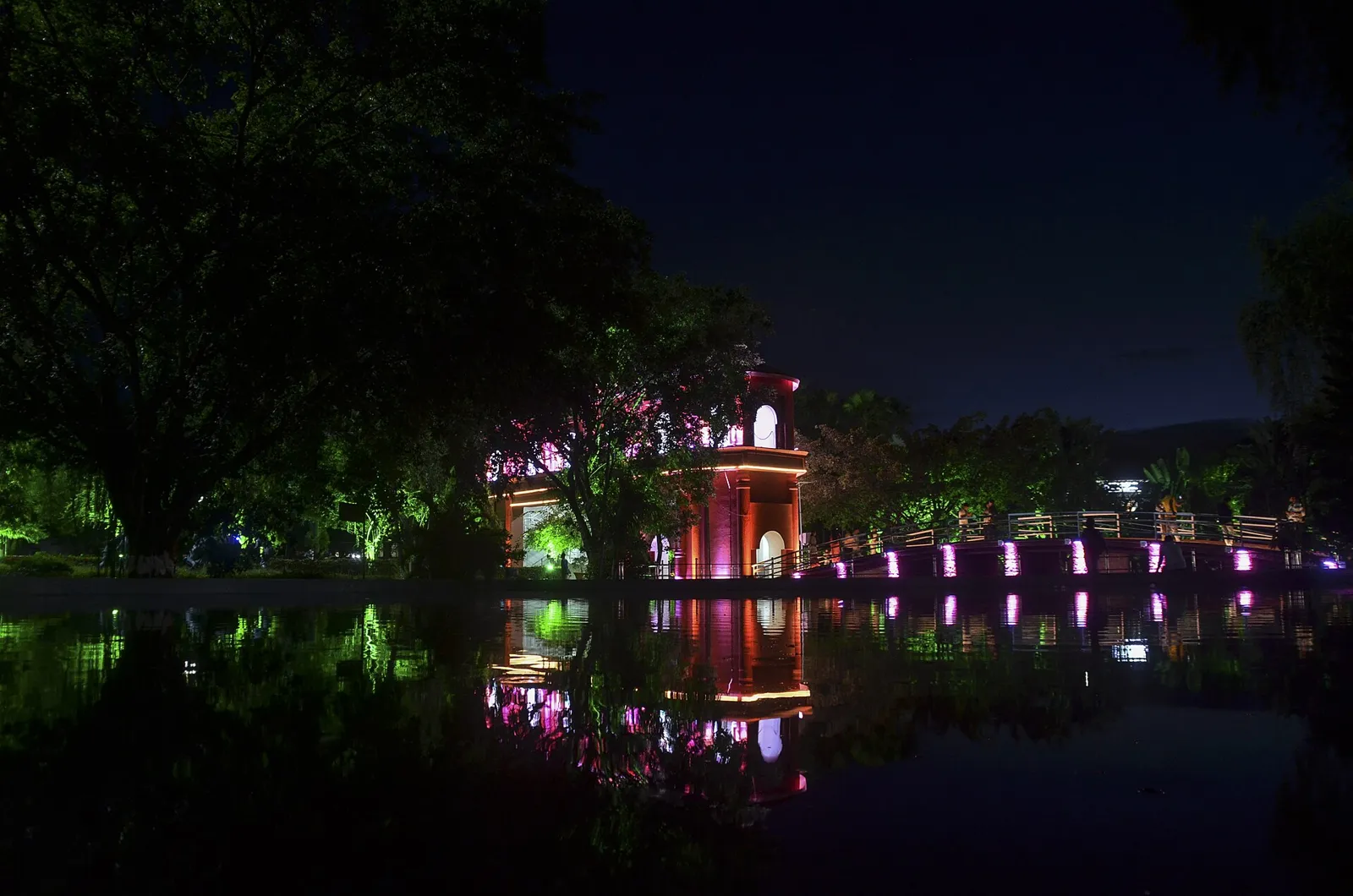
Srimanta Sankardev Kalakshetra is a modern cultural complex, developed in the 1990s in Guwahati’s Panjabari area. It was created to provide a public setting for preserving, displaying and presenting the cultural heritage of Assam and other northeastern states. The institution takes its name from Srimanta Sankardev, who lived in the fifteenth and sixteenth centuries and is remembered for his contributions to Assamese literature, devotional practice, drama and the Vaishnavite movement. The campus brings together museum and gallery spaces, a library, children’s recreation areas and venues for cultural presentation; its different facilities form several complexes rather than a single historic monument. The Assam Government’s Cultural Department selects the governing body, and the institution is headed by a director from the Assam Civil Service or Indian Administrative Service cadre. Its role has continued to include exhibitions and cultural activities as well as the care and interpretation of collections. The Kalakshetra itself dates to the late twentieth century, so its history is distinct from the older traditions it presents. Specific restoration milestones are not asserted here; visitors can ask the institution about current conservation or display changes.
Explore Srimanta Sankardev Kalakshetra slowly and read the interpretation boards or hire an authorised guide to understand its history. Check opening days and ticket counters in advance, as many monuments and museums close on one weekday and on public holidays. A comfortable itinerary is one main visit in the morning, a local meal at midday and a short nearby stop before an afternoon return. Use the district list on this site to find other places in Kamrup Metropolitan, but check the actual road route and its condition before combining stops. If a festival is on, local roads and stays can be busy — and the experience can be unforgettable. Leave no litter: many sites in Assam are protected by the communities who own them.
Suggested itineraries
Half day: Spend 2–3 hours exploring the galleries and museum, pause in the grounds, then allow time for a nearby meal. Full day: Visit the Kalakshetra for 3–4 hours, have lunch, then choose one Guwahati stop such as the Assam State Museum or Guwahati Planetarium; leave time for city traffic. Gentler option: Focus on one gallery at a time, take seated breaks, and ask at the entrance about the shortest practical route and available assistance.
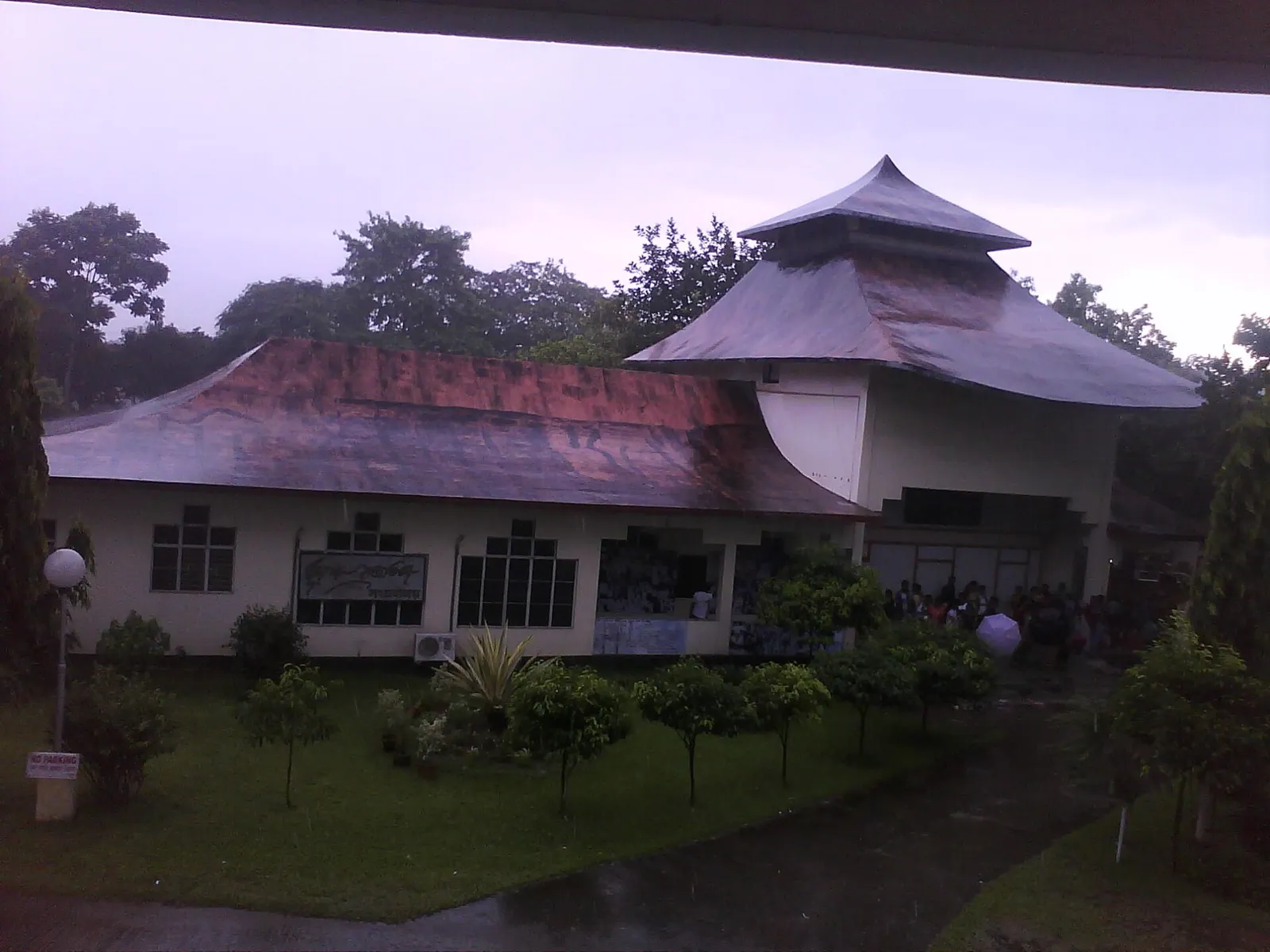
The Kalakshetra presents traditions that remain part of life across Assam and the Northeast, including devotional arts, theatre, music, dance, craft and weaving. Sankardev’s legacy is associated with the Vaishnavite satras and performance traditions such as bhaona; Bihu music and dance are also central to Assamese cultural identity. Silk weaving, including the use of muga and eri, and the wearing of the mekhela chador are visible parts of regional cultural life. Assamese is widely spoken in Guwahati, alongside other languages of Assam and the Northeast. Exhibitions and public programmes vary, so check locally for performances or demonstrations during a visit.
Festivals & events
Bihu celebrations are held across Assam, with the main spring festivities usually in April; other Bihu observances fall in different seasons. Cultural programmes connected with Bihu may take place in Guwahati, but the Kalakshetra’s event calendar varies. Ambubachi Mela, usually held around June at Kamakhya Temple, is one of the region’s best-known religious gatherings and can bring substantial crowds and traffic to parts of Guwahati. Durga Puja in autumn is widely observed in the city, with temporary pandals and busy roads. Confirm whether an event is scheduled at the Kalakshetra before planning around it, and allow extra travel time during major festivals.
Local food in Assam includes masor tenga (a tangy fish curry), khar, duck with ash gourd, pitha rice cakes, aloo pitika and, of course, Assam tea. Ask what is fresh that day; many small eateries cook a limited daily menu. Pork, beef, fish and fermented ingredients are common in tribal cuisines, so vegetarian travellers should explain their needs clearly — rice, dal, vegetables and eggs are usually possible in towns. Remote sites may have no restaurant at all. Carry water and snacks, eat a proper breakfast before long drives, and ask your accommodation for a packed lunch if you are heading out early. Try a homestay-cooked meal when you can — it is often the best local food. Choose busy, clean places and carry your packaging back to town.
Shopping & local experiences
The Kalakshetra’s emporiums may offer regional crafts and souvenirs, but stock and opening arrangements can vary. Look for Assamese handloom textiles, including gamusa and mekhela chador fabrics, and items made from bamboo, cane or other local materials. Muga and eri silk are distinctive regional products; check labels and ask about provenance before buying. Guwahati markets offer a wider choice of clothing, crafts and packaged local foods. For a food experience, try Assamese dishes at a local restaurant, checking ingredients and dietary needs with the staff. Choose responsibly made goods and avoid products made from wildlife or protected materials.
October to April
The nearest principal railway station by straight-line distance is Guwahati, roughly 10 km away. The nearest operating airport by straight-line distance is Lokpriya Gopinath Bordoloi International Airport, Guwahati, roughly 25 km away. These figures are calculated from map coordinates, so actual road distance and travel time are longer. Guwahati is the main rail and air hub for the region, and most long-distance journeys connect through it. For the final leg, Assam State Transport Corporation (ASTC) and private Volvo/sleeper coaches link district towns; shared taxis usually leave early in the morning and depart only when full. A private taxi gives more flexibility for remote sites. When comparing train, bus and flight, count the complete door-to-door time: a flight saves the most time only if the onward road transfer is short, while an overnight train to Guwahati plus a road journey can save a hotel night. Book your return before you leave, because seats on shared vehicles and the few daily flights fill quickly. Current train numbers, timings, return services and fares are not listed here; check IRCTC and NTES for trains and the airline’s own schedule for flights. No Inner Line Permit is needed to visit Assam.
Confirm onward and return timings on IRCTC / NTES, the state bus operator or your airline before travel. A dash means current timings or fares have not been verified.
Getting around
The Kalakshetra is in the Panjabari area of Guwahati. Taxis and app-based cab services can take visitors from central Guwahati or the railway and airport areas; auto-rickshaw availability depends on the route and time of day. Local buses serve parts of the city, but check the destination and final walking distance before boarding. The campus is best explored on foot, so allow time for walking between its different areas. Check locally for visitor parking and any restrictions on vehicles at the entrance. Traffic can be slow during rush periods and festival events; allow a buffer for the return journey.
Hours, tickets & permissions
Entry arrangements can vary by facility, exhibition and event. Visitors may need to obtain an entry ticket, and separate rules or charges may apply for special programmes or photography. Identification, advance booking or other conditions can be introduced for particular events; do not assume a permit or camera policy without checking. Dress respectfully, especially when visiting any place of worship within the premises. Confirm current opening days, hours, entry rules and fees with the Kalakshetra’s managing authority before travelling, as these details can change.
Facilities
The campus includes cultural galleries and museum spaces, a library, children’s park, performance venues, places of worship, emporiums and eateries, though access to individual facilities may vary. Toilets and visitor parking are usually available in or near major attractions, but check locally about their location and current condition. Carry drinking water, particularly in hot or humid weather; food and refreshments may be available on site or nearby. Guide arrangements, interpretation and ATM access should not be assumed, so arrange cash and any guide in advance if needed.
Accessibility
The Kalakshetra occupies a sizeable campus, and visiting its different complexes can involve a considerable amount of walking. Outdoor paths may include uneven surfaces, slopes or exposed sections, while galleries can have steps; conditions can vary across the grounds. Shade and places to rest may be available in some areas but are not guaranteed along every route. Wheelchair and stroller access may therefore be uneven, and visitors with limited mobility should contact the institution before arrival to ask about entrances, accessible toilets and assistance. Older visitors may find a shorter, single-gallery visit more comfortable, with frequent breaks.
No Inner Line Permit is needed to visit Assam. Carry a photo ID at all times; checkpoints are common. Save the emergency number 112 and your accommodation’s contact offline. Heat, humidity and sudden downpours are the main weather risks; carry water and rain protection. Respect community rules, private property and posted instructions. Avoid long road journeys after dark and during heavy rain. Check official advisories for the region before travel, and follow local guidance if access changes.
Photography
Outdoor views and architectural details are often easiest to photograph in softer morning or late-afternoon light, though conditions and access vary. Ask staff about photography rules before taking pictures inside galleries, at performances or near displays; restrictions may apply to flash, tripods or particular exhibits. Be considerate when photographing visitors, staff and religious activity, and seek permission for close portraits. Drone use is subject to aviation rules and local permissions, so do not fly one without confirming that it is allowed. Avoid blocking paths or disturbing events while taking photographs.
Choose a stay by the full journey to Srimanta Sankardev Kalakshetra, not just the district name. Main towns in Kamrup Metropolitan usually offer hotels, state tourism lodges and homestays with better transport, meals and medical access, while village homestays offer a closer connection to local life. In the plains and valleys, check fans or air-conditioning and mosquito nets in summer. Book in advance for weekends, festival dates and the peak season (October to April). Confirm the exact location, meals included, check-in time and cancellation terms in writing. Many homestays accept payment on arrival; avoid sending money to unverified contacts. Mobile network and digital payments can be unreliable in remote areas, so carry some cash.
Within Guwahati, visitors can consider the Assam State Museum, Guwahati Planetarium and Assam State Zoo cum Botanical Garden as separate cultural or family-oriented stops; check routes and current access before combining them. Kamakhya Temple is a significant religious site elsewhere in the city and can be especially busy during Ambubachi Mela. Umananda Temple, on Peacock Island in the Brahmaputra, is another Guwahati attraction, but reaching it involves a river crossing and separate local arrangements. These places are not all immediate neighbours of the Kalakshetra, so allow for traffic and avoid overloading a short visit.
For couples, Srimanta Sankardev Kalakshetra rewards a slow pace: arrive early for soft light and fewer crowds, share a local meal and keep the evening free. Public displays of affection can be frowned upon in conservative communities and at religious sites, so be discreet. A homestay can make the trip memorable — confirm privacy, hot water and transport back. Keep a buffer day in your itinerary, because weather and road closures can delay plans in Assam.
Q: How much time should I allow for a visit? A: Allow a few hours for the galleries and grounds; a longer visit suits visitors who want to explore several complexes at a relaxed pace. Q: When is a good season to visit? A: October to April is generally more comfortable than the hot, humid and rainy monsoon period. Check local weather and event conditions. Q: Is entry ticketed? A: Entry arrangements and fees can change, and event or photography rules may differ. Confirm current requirements with the managing authority. Q: Is the Kalakshetra suitable for children and elderly visitors? A: The children’s park and cultural displays can suit families, but the campus involves walking. Visitors with limited mobility should check access arrangements in advance. Q: Where should I stay nearby? A: Guwahati has a range of accommodation. Choose a stay based on your onward route and confirm the road journey to Panjabari before booking.
Be the first to share photos, stories, advice or a helpful contact for Srimanta Sankardev Kalakshetra.
Loading…