
District · Assam
Kamrup Metropolitan
Kamrup Metropolitan is centred on Guwahati, Assam’s largest city and an important gateway to the northeastern states.
Kamrup Metropolitan centres on Guwahati, where the Brahmaputra, wooded hills and expanding urban neighbourhoods shape the landscape. Nilachal Hill holds Kamakhya Temple, an important centre of goddess worship and Tantric traditions, while Umananda Temple occupies an island in the river. Basistha Temple adds another strand to the district’s sacred geography. Uzan Bazaar, among Guwahati’s oldest settlements, reflects the city’s longstanding residential and commercial life. Southwest of the city, Dipor Bil, also called Deepor Beel, offers a contrasting wetland landscape. The Assam State Museum beside Dighalipukhuri and Srimanta Sankardev Kalakshetra in Panjabari introduce visitors to Assam’s cultural heritage. Together, these places give the district a character that combines pilgrimage, regional culture and busy city life.
Kamrup Metropolitan is centred on Guwahati, Assam’s largest city and an important gateway to the northeastern states. The district brings together a major river, wooded hills, urban neighbourhoods and a wetland landscape. It is best known for Kamakhya Temple, a prominent centre of goddess worship and Tantric traditions, as well as Umananda Temple on an island in the Brahmaputra. Visitors can also explore the Assam State Museum and Srimanta Sankardev Kalakshetra for perspectives on regional history and culture. Dipor Bil offers a quieter contrast to the city, while Uzan Bazaar reflects Guwahati’s older residential and commercial life.
The Guwahati region formed part of the ancient kingdom of Kamarupa, whose history is associated with dynasties including the Varmans, Salastambhas and Palas. The kingdom’s influence and boundaries changed over time, and the wider region later saw the rise of other powers, including the Koch and Ahom kingdoms. Guwahati’s position on the Brahmaputra made it strategically important; the city changed hands during conflicts between the Ahoms and the Mughals before coming under Ahom control. After the First Anglo-Burmese War, the Treaty of Yandabo in 1826 brought Assam under British rule. Guwahati grew as an administrative and transport centre during the colonial period and continued to expand after Indian independence. Kamrup Metropolitan district was formed in 2003 when the former Kamrup district was divided. Its urban growth has since spread beyond the old city into surrounding neighbourhoods, while Guwahati remains the district’s principal centre.
8 destination guides · 6 on the map
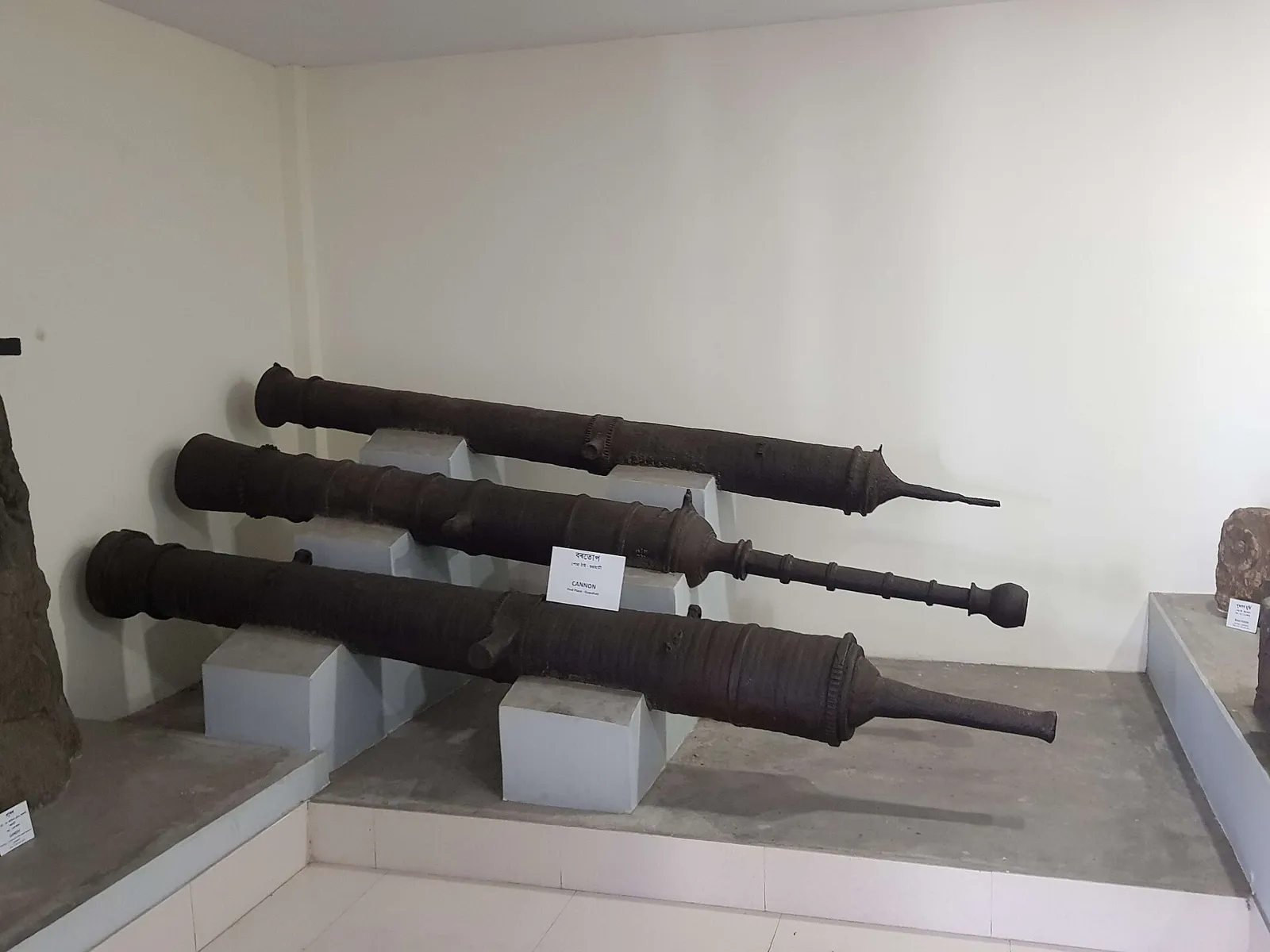
Assam State Museum
The Assam State Museum is a museum in Guwahati, founded by a research society and later taken over by the state. Visitors can learn about its founding and development as a state institution.
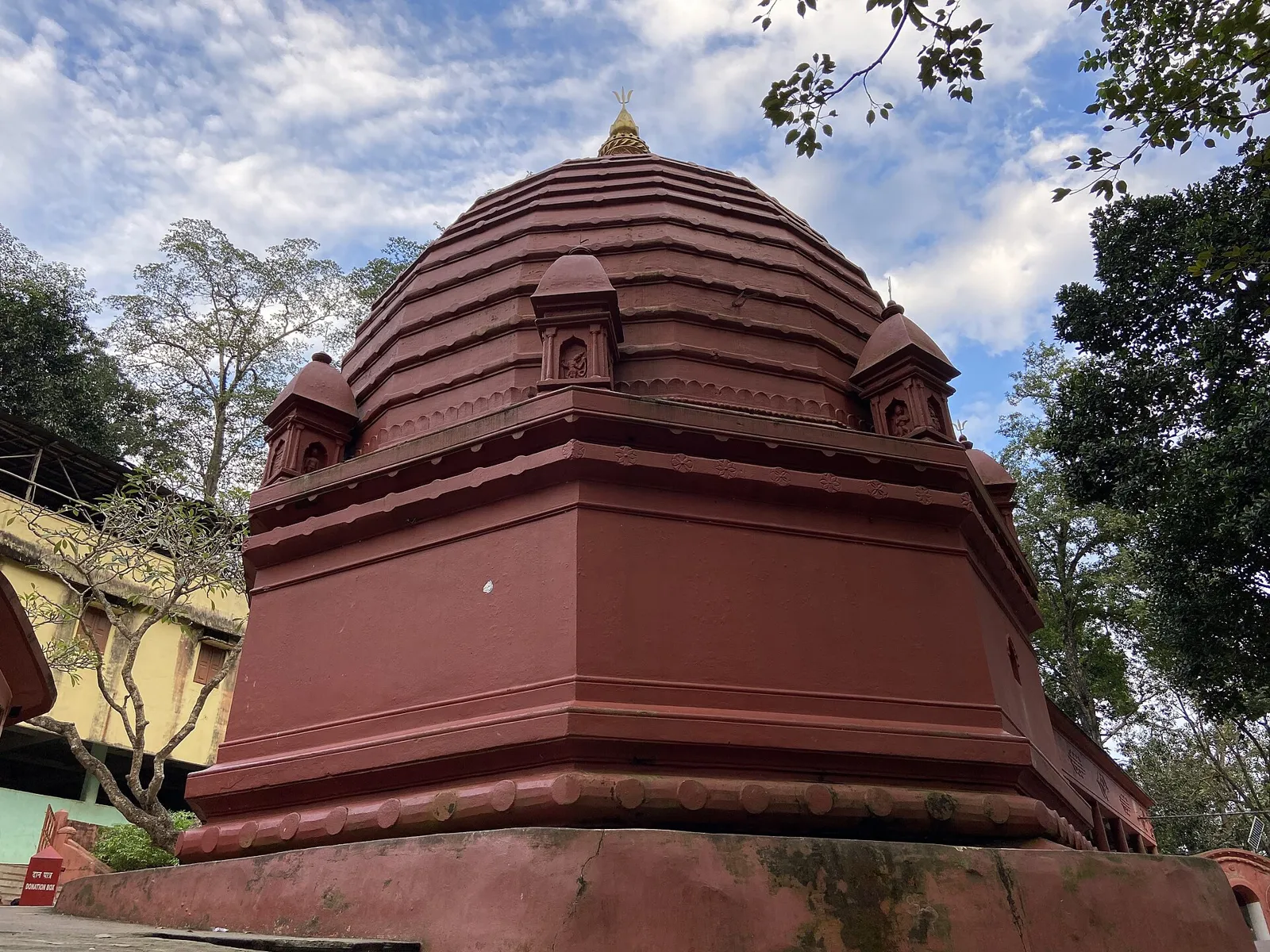
Basistha Temple
Basistha Temple is a Shiva shrine in south-eastern Guwahati, in Assam’s Kamrup Metropolitan district. People visit the temple and ashram, situated beside streams linked to the city’s river system.
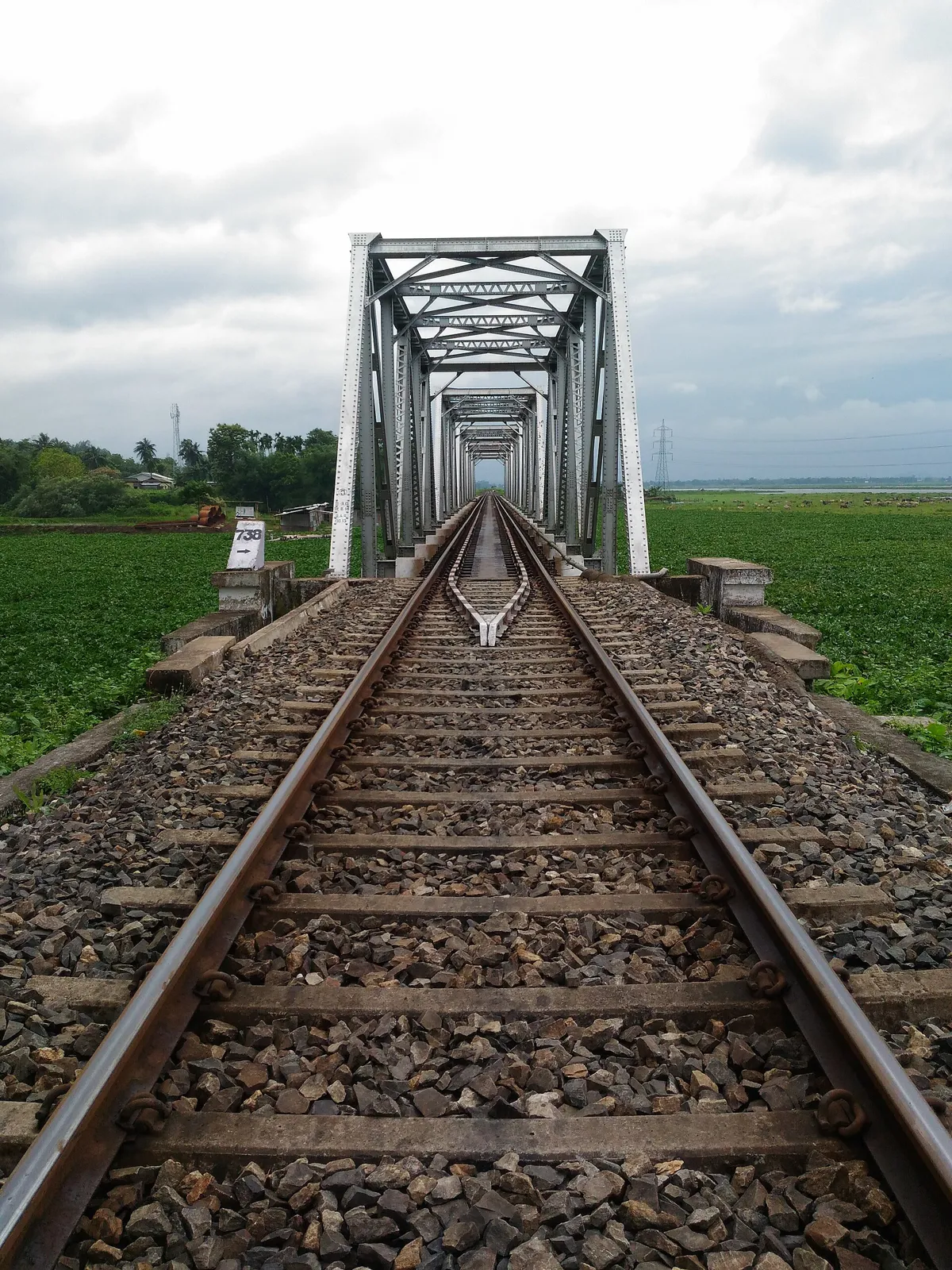
Dipor Bil
Near Guwahati, Dipor Bil is a permanent freshwater lake and protected wetland. Visitors can learn about its ecological significance through its wildlife sanctuary status and recognition under the Ramsar Convention.
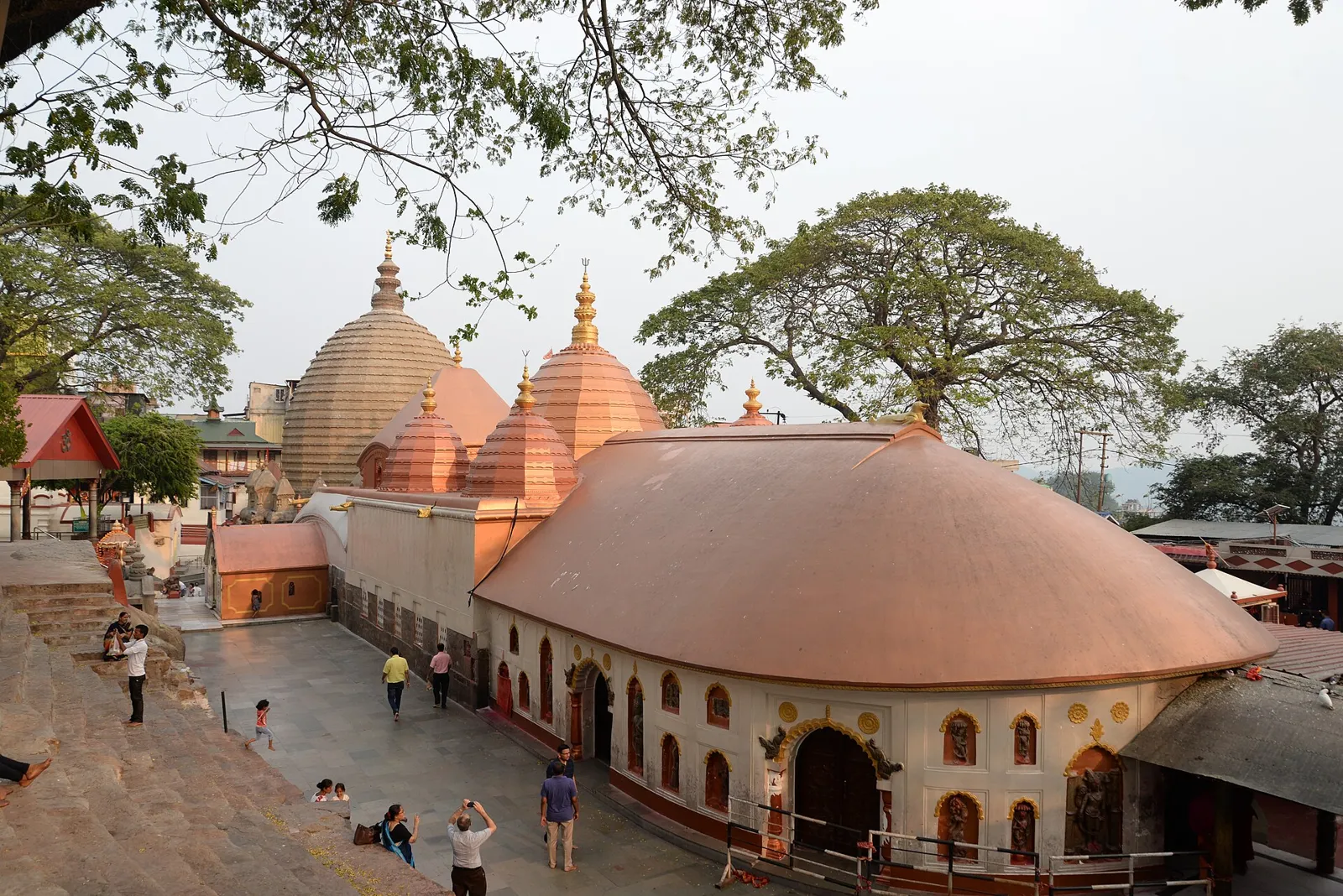
Kamakhya Temple
Kamakhya Temple is a Hindu place of worship on Nilachal Hill in Guwahati, Assam. Visitors come for its Tantric traditions, the Ambubachi Mela and its importance in the Shakta pilgrimage tradition.
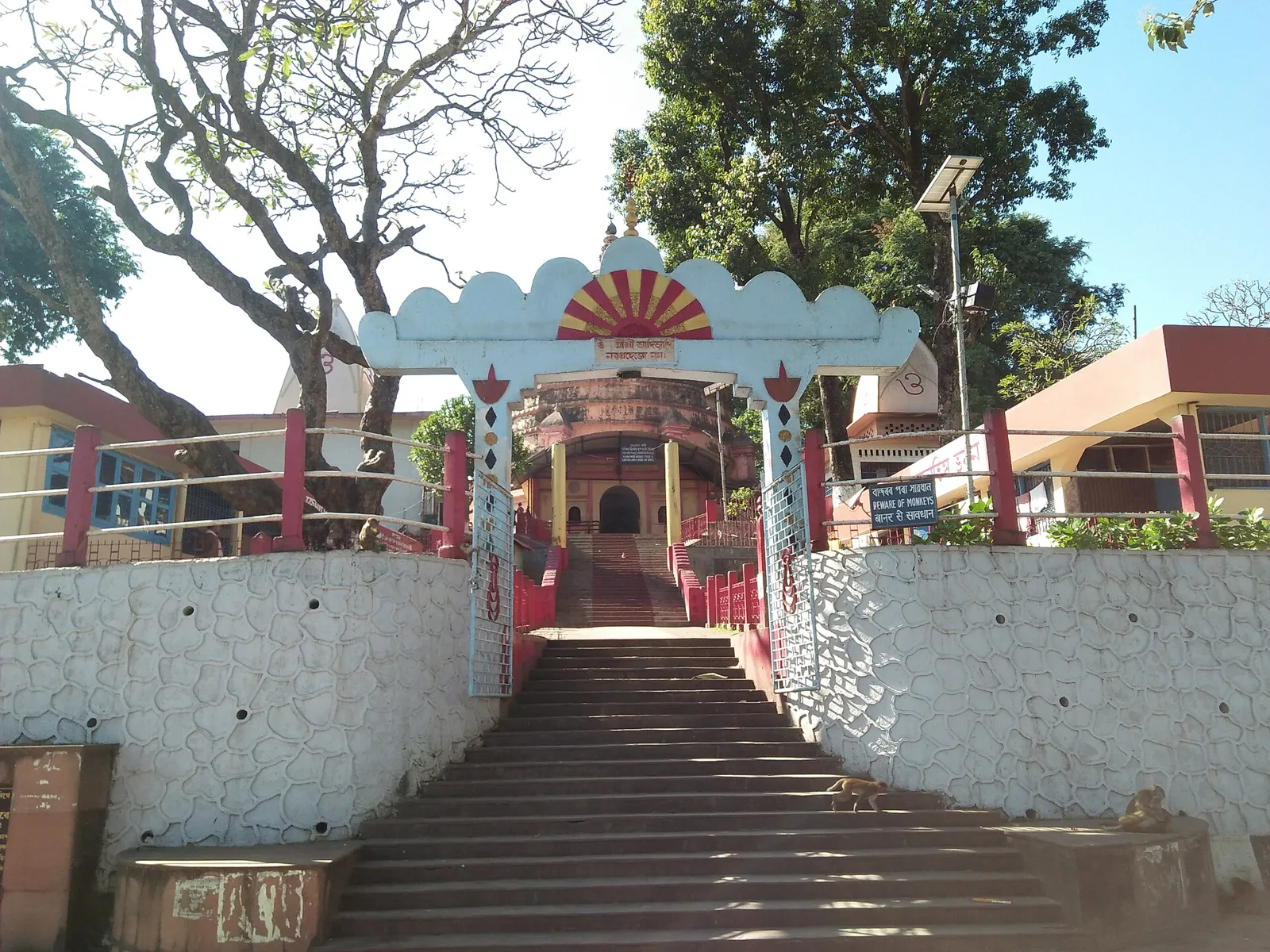
Navagraha temples
In Assam’s Kamrup Metropolitan district, the Navagraha temples are Hindu sites associated with nine celestial bodies. People visit them on pilgrimages to honour the planetary deities.
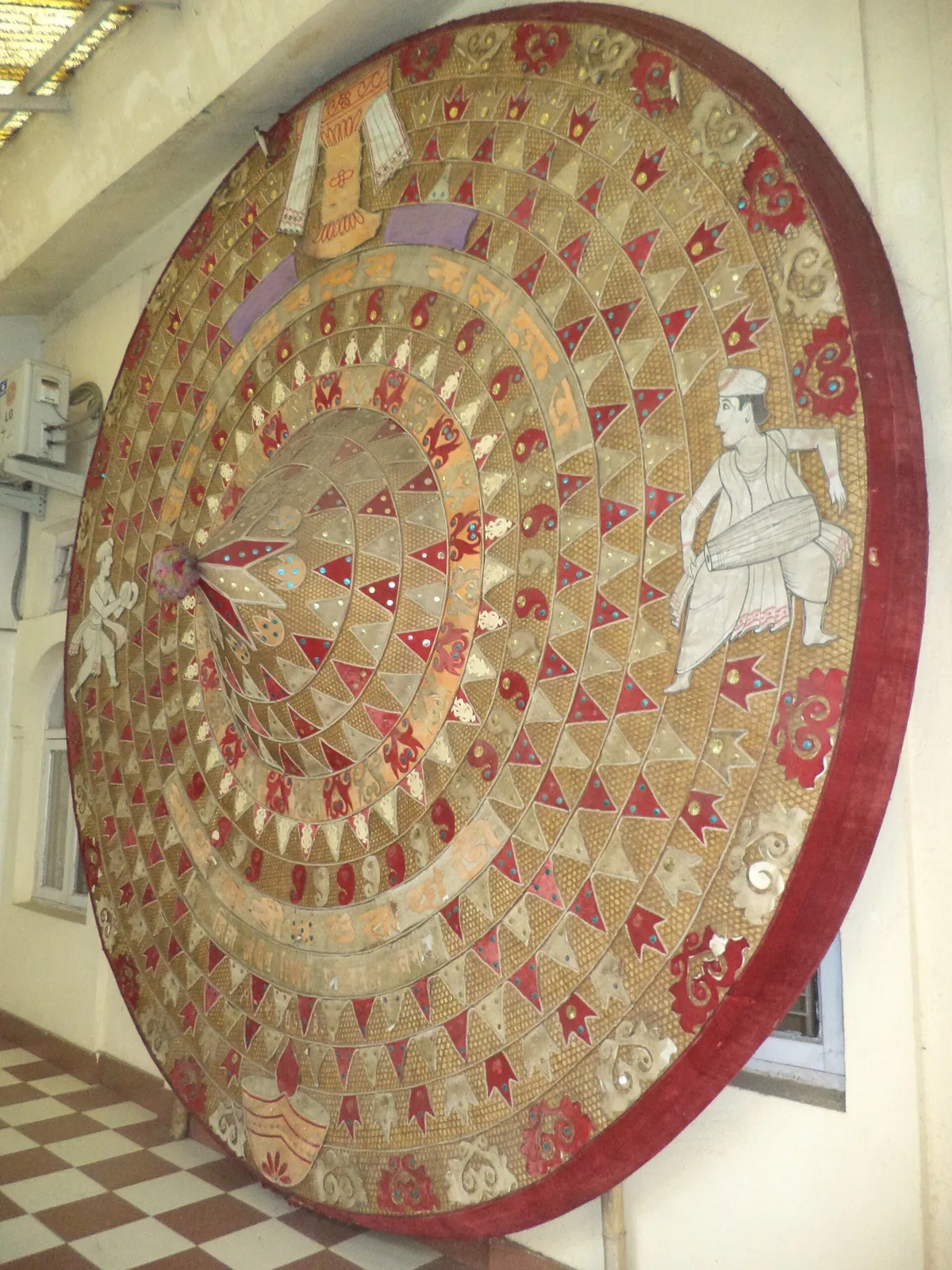
Srimanta Sankardev Kalakshetra
In Panjabari, Guwahati, Srimanta Sankardev Kalakshetra is a cultural complex where visitors explore art and heritage from Assam and the wider North-East.
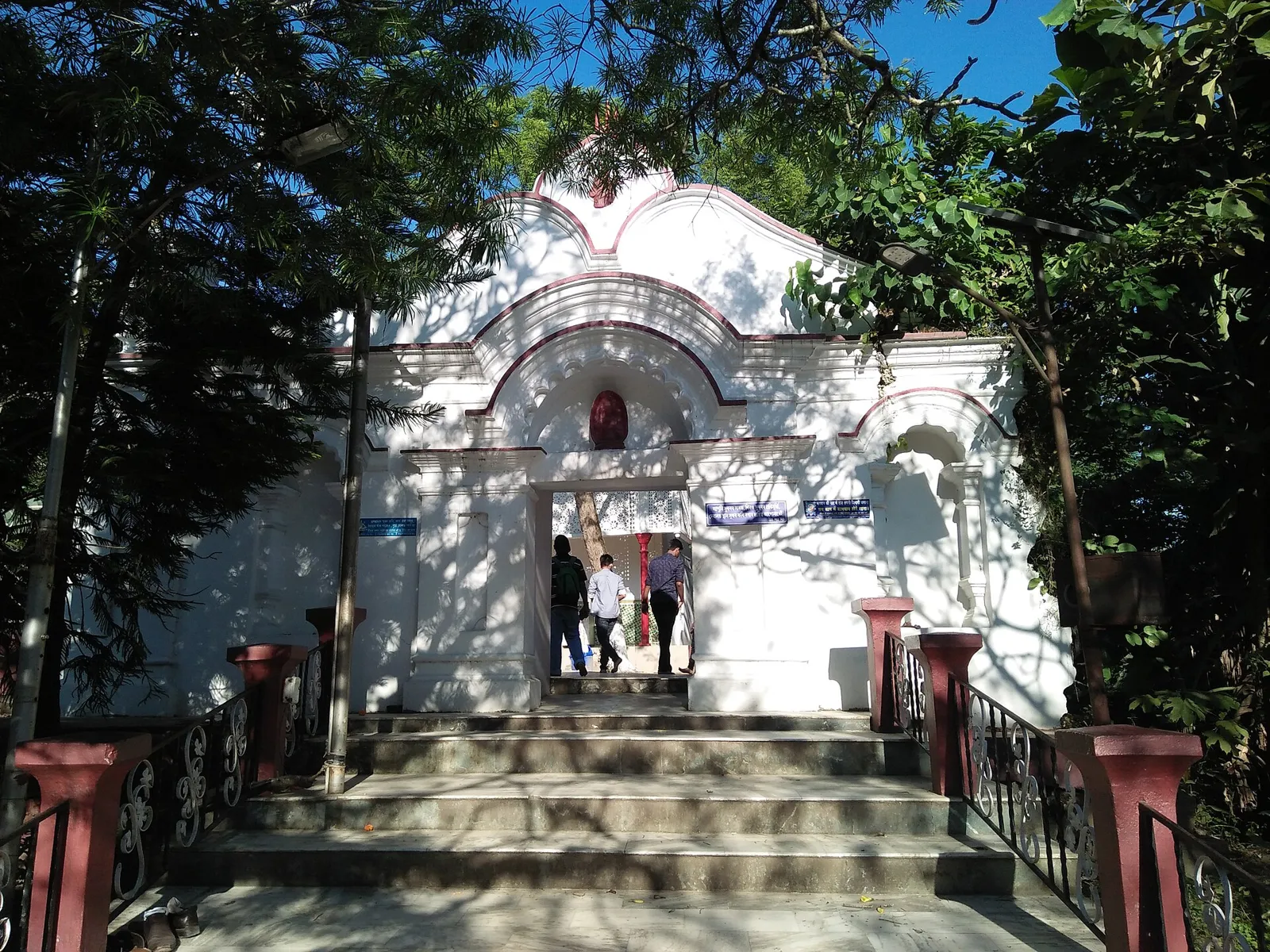
Umananda Temple
Umananda Temple is a Shiva shrine on Umananda Island in the Brahmaputra, Assam. Visitors come to see the temple and reach the island by country boat.
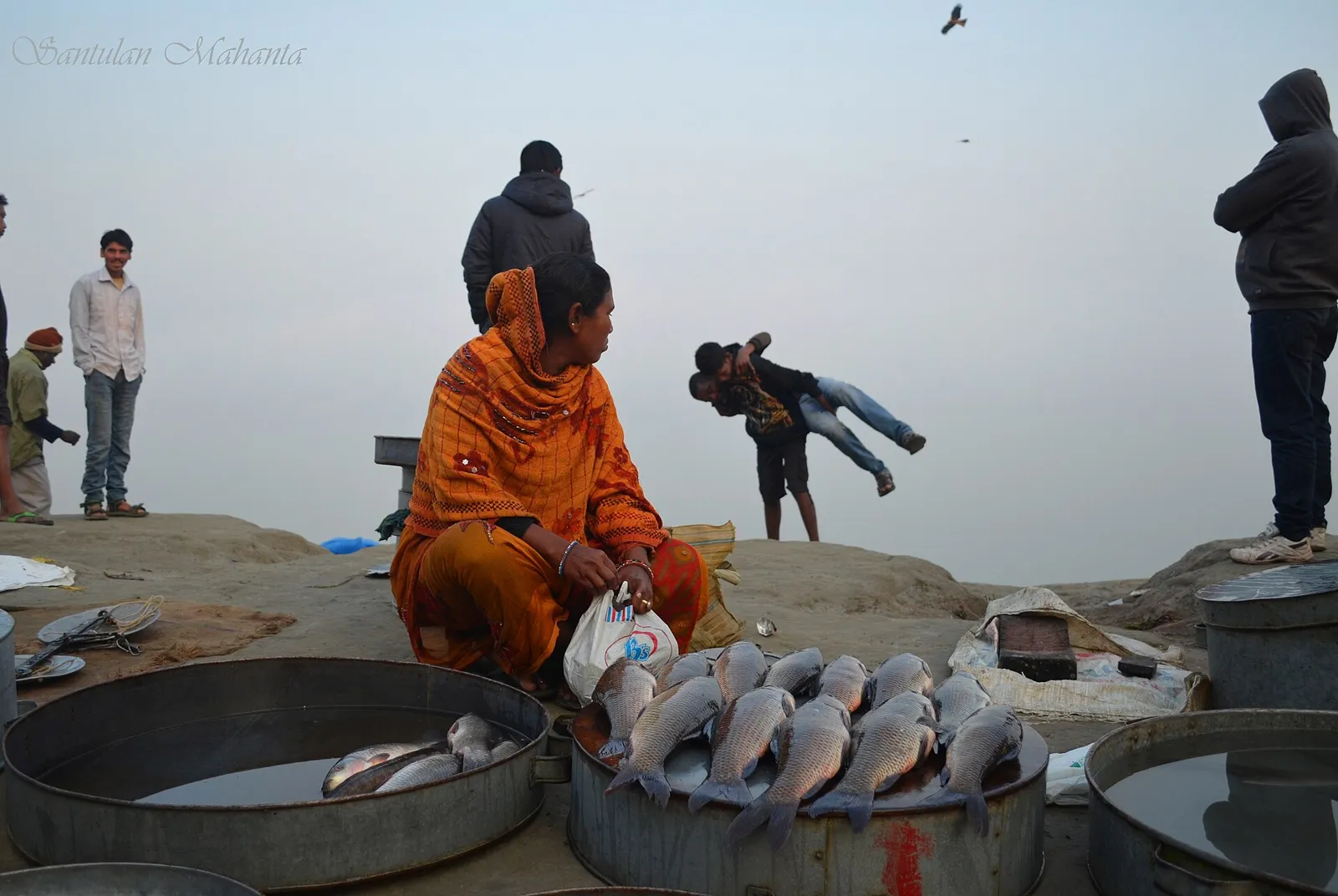
Uzan Bazaar
Uzan Bazaar is a long-established neighbourhood in Guwahati, with both homes and businesses. Visitors may come for its commercial activity and to explore an area counted among the city’s oldest settlements.
Food in Kamrup Metropolitan draws on the wider traditions of Assam rather than a single district-specific cuisine. Rice commonly anchors meals, accompanied by dal, vegetables, aloo pitika and fish preparations such as masor tenga, a tangy curry. Khar refers to alkaline preparations that are characteristic of Assamese cooking. Duck with ash gourd is another regional dish, while pitha rice cakes are associated with festive and household food traditions. Assam tea is a familiar accompaniment to snacks. Menus vary across communities and eateries; vegetarian travellers should ask about fish, meat and fermented ingredients rather than assume vegetable dishes meet their requirements.
Guwahati is a place to encounter craft traditions from across Assam, not all of which originate within Kamrup Metropolitan. Assamese handloom textiles include gamosas and mekhela chadors, with cotton and muga, eri or pat silk featuring in the wider region’s weaving traditions. Bamboo and cane work, along with brass and bell-metal utensils, also form part of Assam’s craft heritage. The Assam State Museum and Srimanta Sankardev Kalakshetra provide cultural context. When shopping, ask where an item was made and whether it is handwoven or handmade.
Ambubachi Mela, held at Kamakhya Temple during the monsoon season, is the district’s most prominent pilgrimage gathering and can bring substantial crowds and pressure on accommodation. Bihu is celebrated across Assam: Rongali Bihu in spring is especially visible in the city, while other seasonal observances are also marked. Durga Puja in autumn brings neighbourhood celebrations and busy streets. Festival dates vary by year, and the largest events can affect traffic and room availability, particularly around central Guwahati and Nilachal Hill. Booking ahead is sensible during major pilgrimage and festival periods.
In this district
The Brahmaputra runs along Guwahati, with urban neighbourhoods spreading between the river and a series of wooded hills. Nilachal Hill rises above the city, while other hill slopes and forested edges make some local journeys steep or winding. Southwest of the urban centre, Dipor Bil provides an extensive wetland setting and habitat for birds. The mix of river, hills and expanding city means travel times can vary considerably: hilltop sites need road access up slopes, river-island visits depend on boat arrangements, and wetland approaches may be affected by seasonal conditions.
Guwahati has warm, humid summers, a rainy monsoon season and generally milder, drier winters. Winter and the period after the monsoon are often the most comfortable for sightseeing; roughly October to March is a practical window for many visitors. Summer visits are possible but call for light, breathable clothing and sun protection. Pack a rain jacket or umbrella during the wet season, and carry comfortable shoes, insect repellent and a light layer for cooler evenings in winter.
Guwahati is the district’s main transport hub. Lokpriya Gopinath Bordoloi International Airport serves the city, while Guwahati railway station and Kamakhya Junction provide major rail connections. National highways connect Guwahati with other parts of Assam and neighbouring northeastern states; ASTC and private buses serve regional routes. Within the city, buses, auto-rickshaws and taxis are useful, though congestion can make journeys slow. Hilltop temples require additional travel time, and Umananda involves a boat crossing, subject to river conditions and operating arrangements. Arrange onward and return transport carefully for wetland visits or less central stops. Check current services locally.
Guwahati is the district’s main transport centre, with roads linking central neighbourhoods to Nilachal Hill, Panjabari, Basistha and the southwest approaches to Dipor Bil. City buses, shared vehicles, auto-rickshaws and taxis serve many routes, though services and traffic conditions vary. Taxis or arranged local transport can be useful for combining less central sights in one day. Reaching Umananda Temple requires a boat crossing from the riverbank, subject to current operating arrangements and river conditions.
2 days: Kamakhya Temple, Umananda Temple, Uzan Bazaar, Assam State Museum; sleep in Guwahati both nights. 3 days: Kamakhya Temple, Umananda Temple, Navagraha temples, Assam State Museum, Srimanta Sankardev Kalakshetra; sleep in Guwahati each night. 4 days: Kamakhya Temple, Umananda Temple, Uzan Bazaar, Assam State Museum, Navagraha temples, Basistha Temple, Dipor Bil, Srimanta Sankardev Kalakshetra; sleep in Guwahati each night.
Guwahati is the most practical base for all the listed destinations, with the broadest choice of hotels, guesthouses and homestays across central and newer neighbourhoods. Choose a central base for Uzan Bazaar, the museum and river access, or stay nearer Panjabari for Srimanta Sankardev Kalakshetra. Accommodation options also include some government-run properties and religious guesthouses, though facilities and booking arrangements vary. There are few reasons to change bases for these circuits; for a visit to Dipor Bil, arrange transport from the city and check the return plan in advance.
Urban traffic can be congested, and roads up the hills may be steep or winding; use care when walking near traffic and allow extra travel time. Monsoon rain can cause waterlogging and slippery paths, while wetland edges may be muddy; avoid entering unfamiliar areas or approaching wildlife. Drink safe water and take usual precautions against mosquitoes. At Umananda, follow boat operators’ guidance and check river conditions and return arrangements. Mobile coverage is generally available in the city but may be less reliable around wetland or wooded edges. No special permit is generally required for these listed city sights; confirm any current access or permit rules with official sources before travel.
- Kamrupabout 19 km
- Morigaonabout 35 km
- Barpetaabout 55 km
- Ri-Bhoi · Meghalayaabout 57 km
- Darrangabout 75 km
- West Jaintia Hills · Meghalayaabout 88 km
- Udalguriabout 91 km
- West Khasi Hills · Meghalayaabout 92 km
Straight-line distance between the centres of each district's destinations; road distance is longer.
Q: How many days should I spend in Kamrup Metropolitan? A: Two days cover several central sights; three or four days allow a more relaxed visit and time for Dipor Bil and the outer-city temples. Q: When is the best time to visit? A: October to March is often the most comfortable period. Monsoon travel is possible but rain can affect roads and outdoor plans. Q: Where is the best base for sightseeing? A: Guwahati is the practical base, with the widest accommodation choice and transport connections to the district’s sights. Q: How do I get to the district? A: Guwahati is served by Lokpriya Gopinath Bordoloi International Airport and major railway stations, with road links to Assam and neighbouring northeastern states. Q: Is the district suitable for families or elderly travellers? A: Yes, many city sights are accessible by road, but hilltop visits involve slopes and Umananda requires a boat crossing. Check access needs and conditions beforehand.
This page draws on our 8 destination guides for Kamrup Metropolitan and is updated as our team checks it.
Be the first to share photos, stories, advice or a helpful contact for Kamrup Metropolitan.
Loading…