
District · Assam
Tinsukia
Tinsukia offers a view of eastern Assam where commercial towns, tea-growing countryside, river wetlands and wooded foothills meet.
Tinsukia district lies in eastern Assam, where the Brahmaputra valley opens into a landscape of rivers, wetlands, tea gardens and wooded foothills. The Dibru-Saikhowa area is known for its floodplain habitats, while Digboi is closely associated with Assam’s early oil industry. Tea cultivation and riverine trade have also shaped the district’s economy and character. Tinsukia town is a busy commercial and transport centre for nearby communities and destinations. The district’s cultural life reflects the wider diversity of Assam, including Assamese and Indigenous traditions. Travellers can experience both working towns and rural landscapes, but conditions around rivers and remote natural sites can vary with the season.
Tinsukia offers a view of eastern Assam where commercial towns, tea-growing countryside, river wetlands and wooded foothills meet. It is best known for Dibru-Saikhowa National Park, with its floodplain habitats, and Digboi, a town closely linked to the early history of Assam’s oil industry. Tinsukia town is an important transport and trading centre for Upper Assam, making it a practical base for exploring nearby places. Tea cultivation and riverine trade have also shaped the district. Visitors can combine a working-town experience with rural and natural landscapes, while allowing for seasonal changes in access around rivers and wetlands.
The area formed part of the wider eastern Assam region in which the Ahom kingdom expanded its influence from the 13th century onward. Earlier political and cultural histories in the region also include the Chutia kingdom. After the Treaty of Yandabo in 1826, Assam came under British rule, and colonial-era tea cultivation and transport links reshaped the economy. Oil exploration around Digboi began in the late 19th century, helping establish the town as a centre of the emerging petroleum industry. The district’s modern history is closely tied to the growth of Tinsukia as a market and railway town serving surrounding tea estates and settlements. Tinsukia district was formed in 1989, when it was separated from Dibrugarh district. Its present character reflects these layers: Indigenous and Assamese traditions, plantation-era development, oil-industry history and continuing riverine livelihoods.
2 destination guides
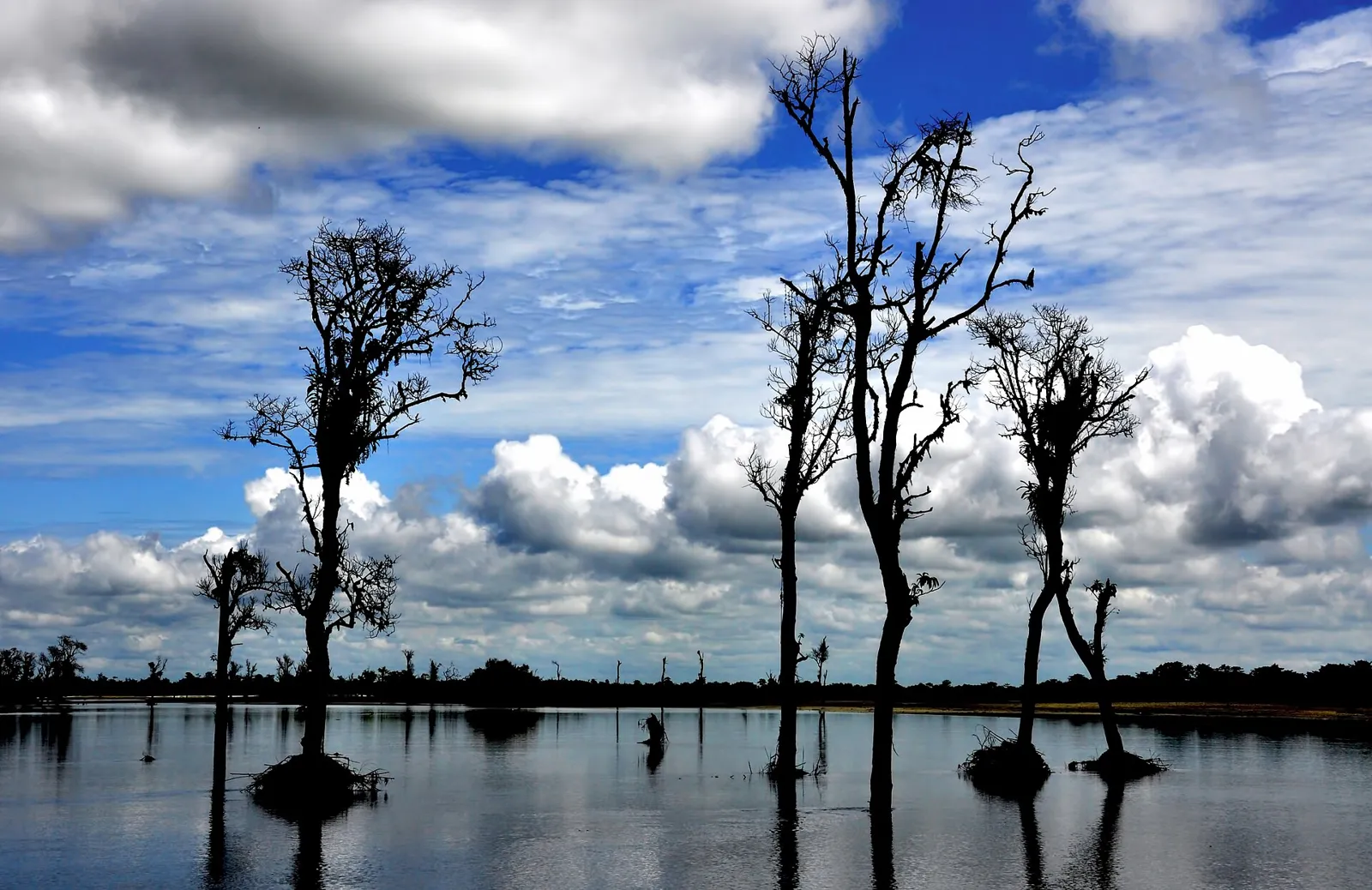
Dibru-Saikhowa National Park
Dibru-Saikhowa National Park spans Dibrugarh and Tinsukia districts in Assam. Visitors come for its varied forest and wetland habitats, endangered species and rich fish diversity.
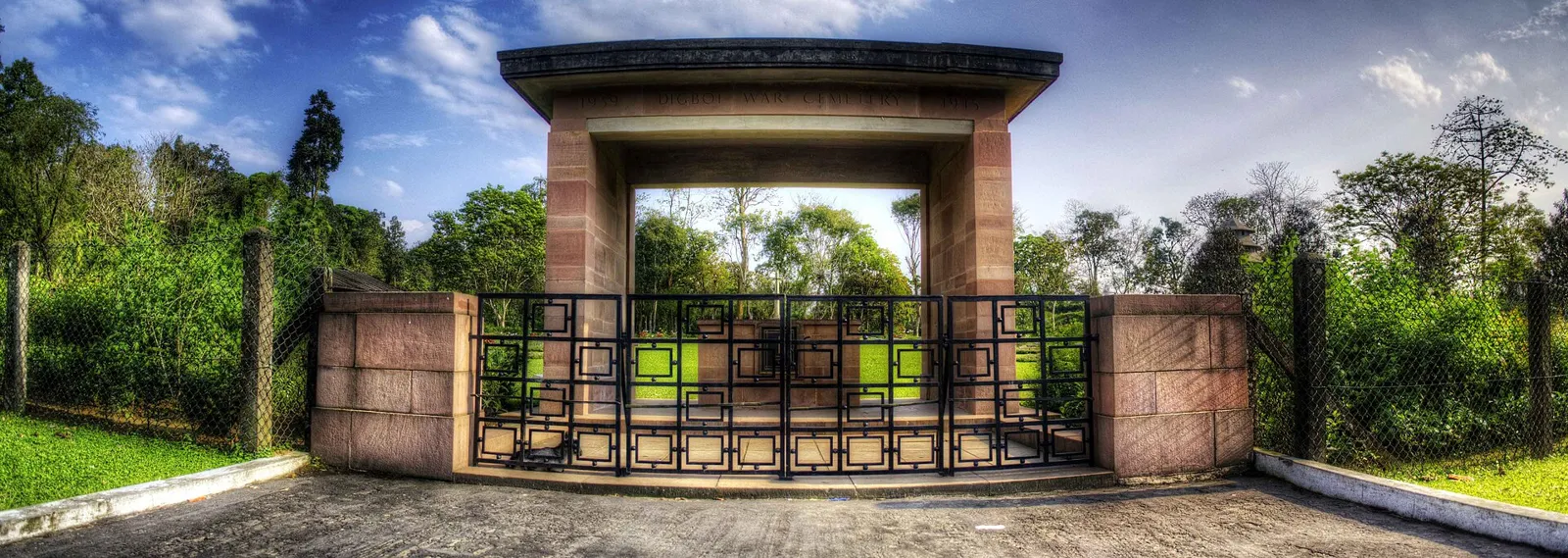
Digboi
Digboi is a city and municipal corporation in Assam’s Tinsukia district, known for its petroleum heritage. Visitors are drawn to its early oil-industry history, refinery and long-operating well.
Food in Tinsukia reflects the wider cuisine of Assam and the varied communities of eastern Assam. Rice is a staple, often served with masor tenga, a tangy fish curry, or khar, a distinctive alkaline preparation. Aloo pitika, mashed potato with seasoning, and seasonal vegetables are common accompaniments; duck with ash gourd and pitha rice cakes are also found in the region. Assam tea is part of daily life. Menus at small eateries may be limited, so ask what is freshly prepared. Fish, pork and fermented ingredients feature in some local food traditions; explain dietary needs clearly when ordering.
Handloom weaving is an important tradition across Assam, and woven garments such as mekhela chador are part of the region’s everyday and festive dress. Assam is also known more broadly for silk weaving, including muga and eri, though availability and production vary by place. In and around Tinsukia, craft traditions reflect the district’s diverse communities as well as wider Assamese influences. Visitors may find woven textiles and locally made items in town markets, but specific products are not guaranteed. Ask sellers about the material and where an item was made if its origin matters to you.
Bihu is celebrated across the district, with Bohag Bihu in spring, Kati Bihu in autumn and Magh Bihu in winter; community events can bring local crowds and busier town centres. Mising communities in the region observe Ali-Aye-Ligang, usually in February or March, while Me-Dam-Me-Phi is observed by many Ahom communities in January. Durga Puja is also marked in towns and settlements. These occasions may make some local transport and accommodation busier, particularly in Tinsukia town, so visitors should check availability when planning around festival periods.
Elsewhere in Assam
The district lies in the Brahmaputra valley, with low-lying floodplains, wetlands, tea gardens and wooded areas toward the foothills. The Dibru-Saikhowa landscape is shaped by river channels and seasonal flooding, while the broader district is linked to the Brahmaputra and its tributaries. These conditions make scenery and access change through the year: wetland routes can be affected by high water, and some natural sites need local transport arrangements. Towns and tea-growing areas are generally more straightforward to reach by road than remote riverine locations.
Tinsukia has a humid climate with a warm summer, a substantial monsoon season and a comparatively mild, drier winter. Monsoon weather, generally from June into September, can bring heavy rain, rising rivers and disruption to rural roads or wetland access. The cooler months from November to February are often the most comfortable for sightseeing, while March and April can also suit visits before the main rains. Pack light, breathable clothing for warmer days, a rain jacket or umbrella in wet months, and a light layer for winter evenings. Sturdy footwear is useful on uneven or muddy ground.
Tinsukia is served by Tinsukia Junction railway station and is within reach of Dibrugarh Airport, also known as Mohanbari Airport. Road journeys connect the district with Dibrugarh and other towns in Upper Assam; local roads lead onward to places such as Digboi and the Dibru-Saikhowa area. Buses, shared vehicles and taxis can help with travel between towns, while reaching remote park sites may require advance local arrangements. Transport options and road conditions can change, especially around river and wetland areas. Check current services locally before setting out.
Tinsukia town is the main local transport hub, with road connections to Digboi and other Upper Assam towns. Local buses and shared vehicles serve some routes; autos are useful for shorter journeys in towns, while taxis can be arranged for more flexible trips. Services and road conditions vary, especially outside town centres. Reaching Dibru-Saikhowa National Park may involve travel to a local access point and, depending on the route and season, a boat or other locally arranged transport. Confirm current access and transport options with local operators or authorities before setting out.
2 days: Digboi -> Dibru-Saikhowa National Park; sleep in Digboi on night 1 and Tinsukia town on night 2. 3 days: Tinsukia town -> Dibru-Saikhowa National Park -> Digboi; sleep in Tinsukia town on night 1, near the park access area on night 2, and Digboi on night 3. 4 days: Digboi -> Dibru-Saikhowa National Park -> Tinsukia town; sleep in Digboi on night 1, near the park access area on nights 2 and 3, and Tinsukia town on night 4.
Tinsukia town is the most practical base for rail connections, local services and trips toward Digboi. Digboi suits visitors focusing on the town’s oil-industry heritage and nearby tea-country scenery. For Dibru-Saikhowa, stay near the relevant access area only after confirming current arrangements; accommodation and services can be limited. Hotels and guesthouses are available in the larger towns, with homestays and government accommodation found in some locations. Dharamshalas may be available in town. Check facilities and availability in advance, especially during festivals or the busy winter travel season.
Rain, flooding and changing river channels can affect roads and access to wetland sites, so check local conditions before travelling and avoid entering water or isolated areas without a local guide. Wildlife is present around protected and forested areas; follow staff instructions and keep a safe distance. Use safe drinking water and take usual precautions against insects, especially in warm, wet weather. Rural connectivity can be patchy, and road travel after dark is best limited where conditions are unfamiliar. Confirm park entry rules and any required protected-area permissions with official authorities before visiting; an Inner Line Permit is not generally required for travel within Assam.
- Namsai · Arunachal Pradeshabout 54 km
- East Siang · Arunachal Pradeshabout 63 km
- Changlang · Arunachal Pradeshabout 78 km
- Lower Dibang Valley · Arunachal Pradeshabout 79 km
- Lower Siang · Arunachal Pradeshabout 80 km
- Lohit · Arunachal Pradeshabout 85 km
- Charaideoabout 90 km
- Mon · Nagalandabout 100 km
Straight-line distance between the centres of each district's destinations; road distance is longer.
Q: How many days should I spend in Tinsukia district? A: Two or three days can cover Digboi and a planned visit to Dibru-Saikhowa; allow longer if access or weather requires flexibility. Q: When is the best time to visit? A: November to February is generally comfortable, though conditions at river and wetland sites can still vary. Q: What is the best base for exploring the district? A: Tinsukia town is the most convenient general base; Digboi is useful for a visit focused on the town and its oil history. Q: How do I get to Tinsukia? A: The district is served by Tinsukia Junction railway station and is within reach of Dibrugarh Airport, with onward road connections to local towns. Q: Is Tinsukia suitable for families or elderly travellers? A: Town visits can suit many travellers, but remote park access may involve uneven ground, changing conditions and limited facilities; plan transport and assistance to suit individual needs.
This page draws on our 2 destination guides for Tinsukia and is updated as our team checks it.
Be the first to share photos, stories, advice or a helpful contact for Tinsukia.
Loading…