
District · Assam
Morigaon
Morigaon lies in central Assam, south of the Brahmaputra and within reach of the state’s largest city, Guwahati.
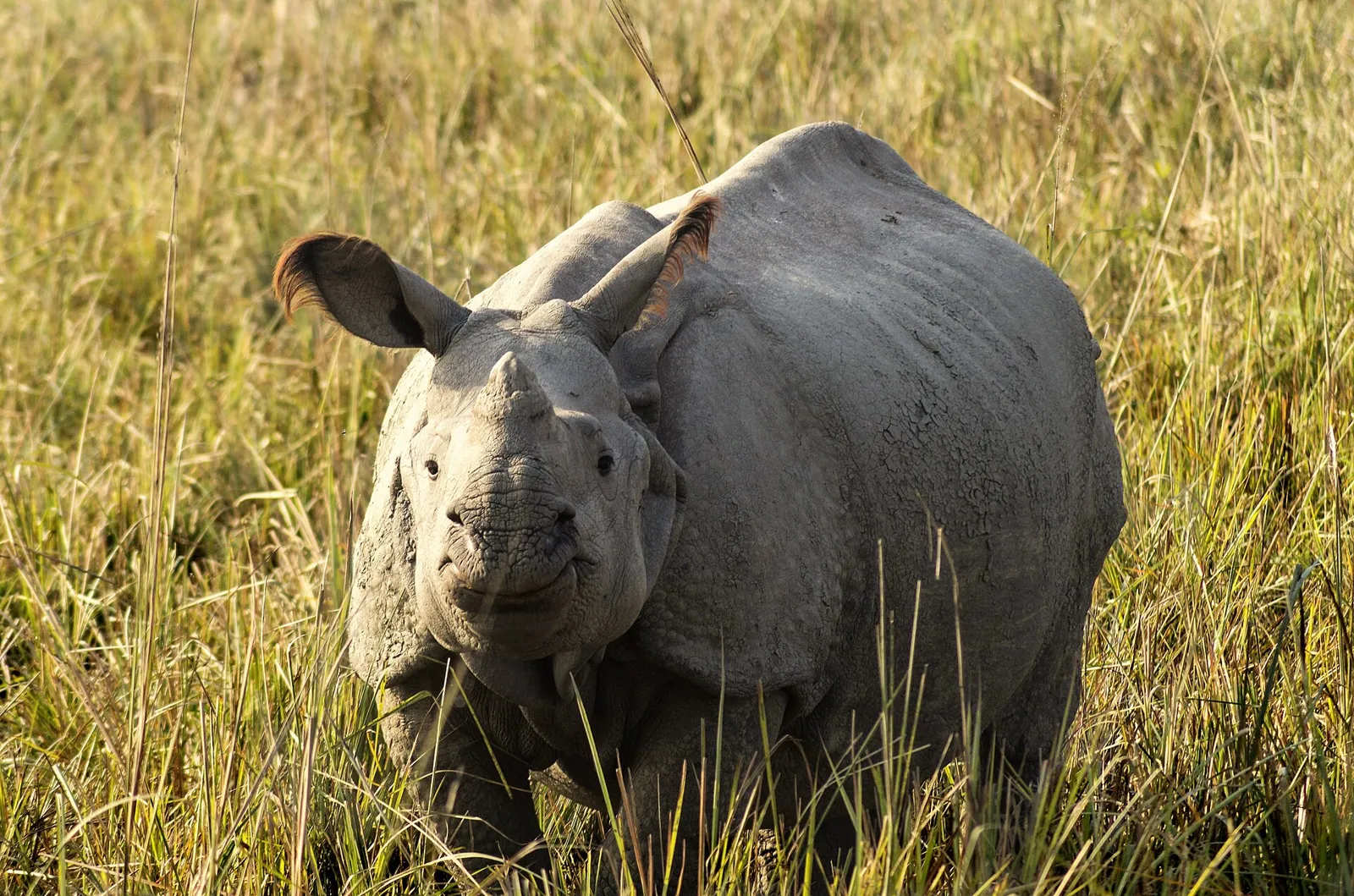
Morigaon is a district in central Assam, on the southern side of the Brahmaputra. Its landscape includes fertile river plains, wetlands and low-lying grasslands, with the Pobitora Wildlife Sanctuary known for its population of one-horned rhinoceroses. The district’s rural settlements and agricultural life sit alongside important natural habitats shaped by rivers and seasonal flooding. Morigaon became a separate district in 1989. The town of Mayong is associated with local folklore and traditions of magic, adding a distinctive cultural dimension to the area. Morigaon offers a quieter counterpoint to larger Assamese urban centres, with wildlife, village life and regional traditions closely connected to the landscape.
Morigaon lies in central Assam, south of the Brahmaputra and within reach of the state’s largest city, Guwahati. It is best known to wildlife visitors for Pobitora Wildlife Sanctuary, a compact grassland-and-wetland habitat noted for the Indian one-horned rhinoceros. The district also offers a glimpse of Tiwa cultural life, especially around the Jonbeel Mela near Jagiroad. Morigaon suits travellers seeking a wildlife visit and a quieter look at the riverine and rural landscapes of central Assam.
Morigaon’s past is tied to the wider history of central Assam. In ancient times, the area formed part of the region associated with Kamarupa, though political boundaries and local authority changed over the centuries. Tiwa (also known as Lalung) communities have a long presence here, and local polities such as the Gobha kingdom played a role in the area’s history. Ahom influence extended across parts of central Assam during the early modern period, alongside the authority of local chiefs and communities. After the Treaty of Yandabo in 1826, Assam came under British rule, and colonial administration reorganised the region. The area that is now Morigaon was administered as part of Nagaon district before Morigaon became a separate district in 1989. Morigaon town serves as the district headquarters. The district’s present identity reflects this layered history, as well as the continuing presence of Tiwa and other communities.
Morigaon’s food reflects broader Assamese cooking, with rice as a staple and fish often served with herbs, vegetables or souring ingredients. Masor tenga, a tangy fish curry, and khar, a distinctive alkaline preparation, are well-known regional dishes. Other familiar foods include aloo pitika, pitha rice cakes and seasonal vegetables; duck with ash gourd is also enjoyed in Assam. Tea is part of everyday life. Menus at small local eateries may be limited and depend on what is fresh that day. Vegetarian visitors should explain their preferences clearly, as fish and other animal ingredients are common in regional meals.
Handloom weaving is an important part of Assamese cultural life, and the wider region is known for textiles made from eri and muga silk as well as cotton. Designs and techniques vary between communities and households, so Morigaon’s craft traditions are best understood within this broader Assamese context rather than as a single district specialty. Bamboo and cane work are also practised across Assam, producing useful household objects and woven items. Visitors may encounter locally made textiles and craftwork in markets, though availability varies. Ask about the maker and materials when buying, especially where a product is described as handmade or locally produced.
Bihu is celebrated across Morigaon, with observances following Assam’s seasonal calendar: Bohag Bihu in spring, Kati Bihu in autumn and Magh Bihu in winter. Tiwa communities mark their own cultural occasions, and the Jonbeel Mela near Jagiroad is a notable regional gathering, usually held around Magh Bihu in January. Its traditional exchange activities and cultural events can draw visitors from beyond the district. Crowds and demand for nearby rooms may rise during the mela and major Bihu celebrations, so check local arrangements and book ahead if travelling then.
Elsewhere in Assam
Morigaon is largely a low-lying alluvial district shaped by the Brahmaputra and its floodplain, with rivers, wetlands and seasonal water bodies across the countryside. Pobitora’s grasslands and marshes form an important wildlife habitat. Away from the riverine flats, rural settlements and cultivated land make up much of the landscape. Monsoon rain can raise water levels and affect access on local roads, while wetland conditions may change seasonally. Travellers should allow flexibility for journeys to countryside sites and follow local advice during periods of flooding.
Morigaon has a humid monsoon climate. Summers, especially before the rains, can be hot and humid; the monsoon season brings frequent heavy showers and possible flooding or road disruption. Winter is generally cooler and drier, making it a comfortable season for travel and wildlife visits. The period from about October to April is usually the most convenient for exploring, with winter particularly pleasant, though conditions vary from year to year. Pack light, breathable clothing, a waterproof layer during the rainy season, comfortable closed shoes and insect repellent. A light layer can be useful on cooler winter mornings.
Morigaon is reached mainly by road from Guwahati and other towns in Assam. Lokpriya Gopinath Bordoloi International Airport in Guwahati is the region’s principal air gateway. Rail access is available through stations serving the wider area, including Jagiroad, while Guwahati is a major hub for long-distance rail travel. From these connections, buses, shared vehicles and hired cars can take travellers towards Morigaon and Pobitora Wildlife Sanctuary. Public transport may be less frequent for smaller villages and remote sites, where a locally arranged vehicle can be useful. Check current road conditions and transport availability locally before setting out.
Morigaon town, Jagiroad and the roads towards Pobitora are linked by regional roads, with onward travel generally by taxi, hired car or local shared vehicles. Local buses and shared autos may serve town routes, but services to smaller villages and the sanctuary area can be less frequent; confirm locally before setting out. Travellers arriving by rail at Jagiroad or by air in Guwahati can arrange road transport for the onward journey. Access within Pobitora is subject to sanctuary rules and local arrangements. Allow extra time in wet weather, when road conditions and travel speeds may be affected.
2 days: Pobitora Wildlife Sanctuary; sleep near the sanctuary on night one. 3 days: Pobitora Wildlife Sanctuary; sleep near the sanctuary on night one and in Morigaon town on night two.
For a sanctuary-focused visit, look for a lodge, guesthouse or homestay near Pobitora, where available; options may be limited and should be checked in advance. Morigaon town is a practical base for district services and road connections, while Jagiroad can suit travellers arriving by rail or visiting during the Jonbeel Mela. Accommodation is generally simpler than in larger cities, and availability varies by season and event. Confirm current facilities directly before travelling.
Follow sanctuary staff instructions, keep a safe distance from wildlife and do not enter restricted areas without authorisation. Check local advice on road access during the monsoon, when flooding and poor road conditions can disrupt travel. Carry drinking water and use treated or sealed water where its safety is uncertain; insect repellent is useful near wetlands. Mobile coverage can be inconsistent outside towns. Crowds may increase around festivals and the sanctuary, so allow extra time and keep valuables secure. Confirm current sanctuary entry rules and any required permissions with official sources before visiting.
- Kamrup Metropolitanabout 35 km
- Darrangabout 44 km
- Kamrupabout 51 km
- Ri-Bhoi · Meghalayaabout 68 km
- Udalguriabout 72 km
- Barpetaabout 84 km
- Sonitpurabout 85 km
- West Jaintia Hills · Meghalayaabout 87 km
Straight-line distance between the centres of each district's destinations; road distance is longer.
Q: How many days should I spend in Morigaon? A: Two days can suit a visit focused on Pobitora; allow three if you want a slower pace or time in Morigaon town. Q: When is the best time to visit? A: October to April is generally the most convenient period, with winter often comfortable for wildlife visits. Q: What is the best base? A: Stay near Pobitora for a sanctuary visit, or in Morigaon town for district services; Jagiroad can be convenient for rail arrivals. Q: How do I get to Morigaon? A: Travel by road from Guwahati, or take a train to Jagiroad and continue by road. Guwahati is the nearest major air gateway. Q: Is Morigaon suitable for families or elderly travellers? A: It can be, with advance transport and accommodation planning. Choose an itinerary suited to mobility needs and follow sanctuary guidance.
This page draws on our 1 destination guides for Morigaon and is updated as our team checks it.
Be the first to share photos, stories, advice or a helpful contact for Morigaon.
Loading…