
District · Assam
Dima Hasao
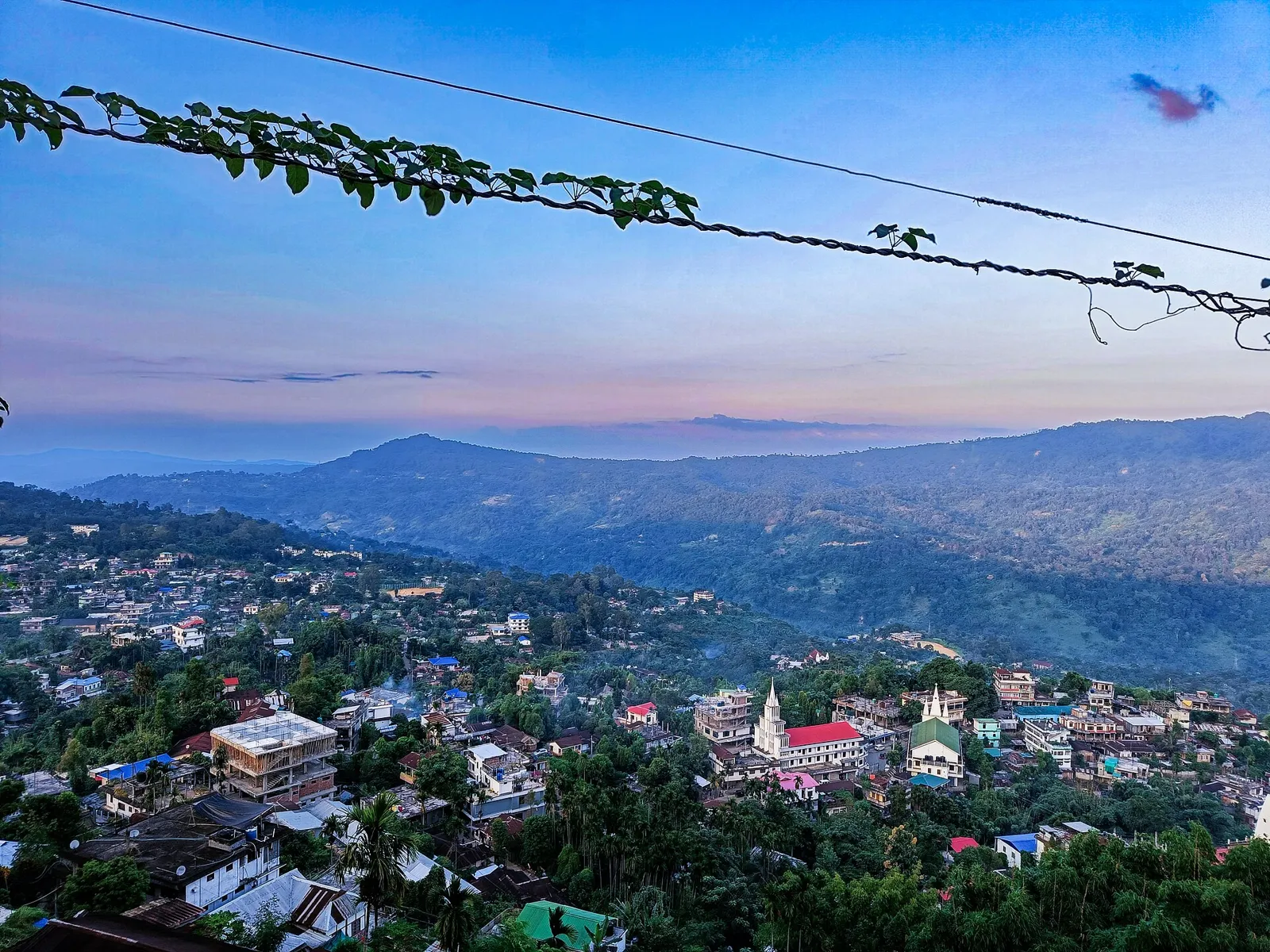
Dima Hasao is a hill district in southern Assam, offering a different pace and landscape from the state’s plains.
Dima Hasao is a hill district of southern Assam, shaped by forested ridges, valleys and settlements scattered across steep terrain. Haflong, its headquarters, is the main urban base, while villages such as Jatinga offer a quieter introduction to the surrounding hills. Formerly known as North Cachar Hills, the district has historical associations with the Dimasa kingdom and remains home to several communities, including Dimasa, Zeme Naga and Hmar people. Their languages, festivals and everyday traditions give the district a character distinct from Assam’s plains. Travel here is best approached slowly: winding roads, changing weather and dispersed villages make time and flexibility more useful than an ambitious sightseeing checklist.
Dima Hasao is a hill district in southern Assam, offering a different pace and landscape from the state’s plains. Forested ridges, winding roads and settlements spread across the hills make the journey as much about the setting as about individual sights. Haflong is the district’s main town and practical base; nearby Jatinga is known for a seasonal bird phenomenon that has attracted attention, though it is best approached as one part of a wider visit. The district is also home to several communities, including Dimasa, Zeme Naga and Hmar people. Visitors come for the hills, local cultures and a slower, less checklist-driven trip.
The district’s history is closely associated with the Dimasa kingdom, whose political centres changed over time. Maibong, in the hills, became an important centre of Dimasa rule; the kingdom’s history also connects with the wider Kachari region and its shifting centres of power. The area was not shaped by one community alone: Dimasa, Zeme Naga, Hmar and other communities have their own histories and traditions here. During the colonial period, British authority expanded into the North Cachar Hills in the nineteenth century. After the death of the Dimasa ruler Tularam Senapati in 1854, the British annexed his territory. The region later became part of Assam’s administrative system. An autonomous district council was established under the Sixth Schedule in 1952, providing a framework for local self-government in this ethnically diverse hill area. The district was long known as North Cachar Hills; its name changed to Dima Hasao in 2010. Haflong developed as its administrative headquarters.
2 destination guides
Haflong
Haflong is an Assam town and the administrative centre of Dima Hasao district. Visitors come to experience it as the state’s sole hill station.
Jatinga
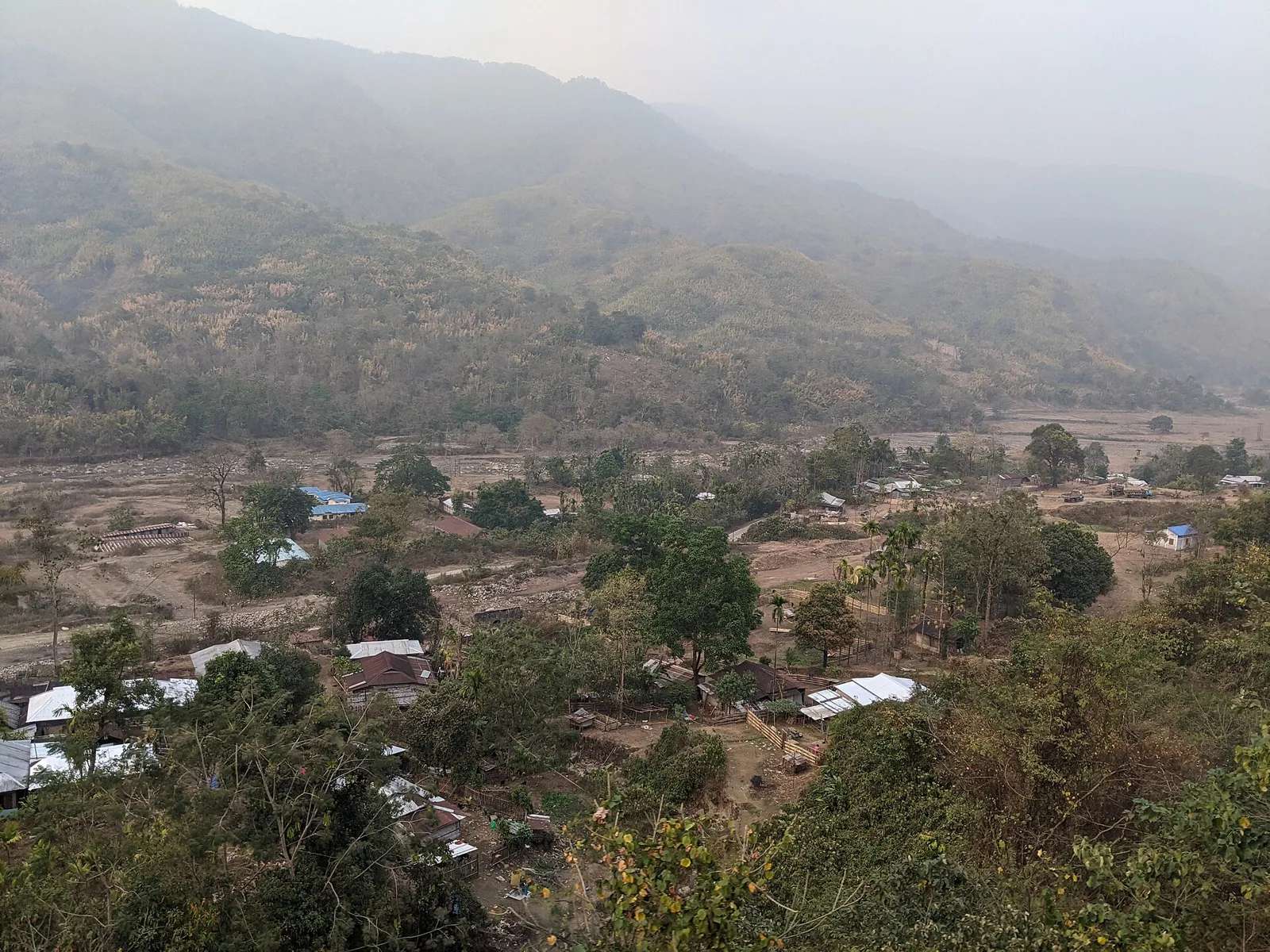
Jatinga is a village in Assam’s Dima Hasao district, known for mysterious bird deaths that have made the phenomenon a point of interest for visitors.
Food in Dima Hasao reflects its varied communities as well as wider Assamese influences. Rice is a staple, accompanied by vegetables, meat or fish, with fermented ingredients featuring in some community cuisines. Pork is common in several hill food traditions, though practices differ between households and communities. Wider Assamese dishes include masor tenga, khar, aloo pitika and pitha, but these should not be assumed to appear on every local menu. Assam tea is a familiar refreshment. Small eateries may prepare only a few dishes each day; ask what is available. Vegetarians should clarify whether broths or vegetable dishes contain meat or fish, and carry snacks when visiting remote places.
Handloom weaving is an important cultural tradition among several communities of Dima Hasao. Dimasa textiles include the rigu, a women’s wraparound garment, with colours and patterns forming part of community dress and identity. Other hill communities maintain their own weaving traditions, so textiles should not be treated as one uniform district style. Bamboo and cane work, including baskets and practical household objects, belongs to the wider craft heritage of Assam and the surrounding hills. When buying, ask who made an item and whether it was woven or crafted locally; direct purchases can help support practising artisans.
Bushu Dima, an important Dimasa festival, is generally celebrated in winter, often around January. Community festivals and church celebrations, including Christmas, are observed across the district, with customs and timing varying between communities and villages. These occasions can bring local gatherings, performances and family visits, but they do not necessarily create district-wide tourist crowds. Accommodation is limited outside Haflong, so visitors planning to attend a particular celebration should check local arrangements and book ahead where possible. Festival dates can vary by community and year.
Elsewhere in Assam
Dima Hasao is characterised by forested hills, steep ridges and narrow valleys, with villages and cultivated areas scattered across the terrain. The landscape is part of Assam’s hill country rather than its broad river plains; roads wind through the hills and can be slow even over modest distances. Rain can affect slopes and road surfaces, while mist and changing conditions may reduce visibility. Settlements are spread out, so visits often require planning around road access and local transport. The hills reward unhurried travel, but make flexible schedules especially useful.
The district has a humid, hill climate with changing conditions across the year. Summer is generally warm and can feel damp; the monsoon brings frequent rain, slippery roads and possible travel disruption. Winter is cooler and often more comfortable for road journeys and walking, though mornings and evenings can be chilly. October to March is usually the more convenient period to visit, while conditions can still vary locally. Pack layers, a waterproof jacket, shoes with good grip and protection for sun and insects. In the rainy season, carry rain gear and allow extra time for delays.
Haflong is the most practical base for exploring the district. Silchar Airport at Kumbhirgram is a nearby air gateway, while Guwahati offers broader flight and rail connections. New Haflong railway station serves the town; confirm the appropriate station when booking rather than relying on older station names. Road approaches connect the district with the Silchar side and the rest of Assam, but hill routes can be slow and vulnerable to rain-related disruption. For journeys between Haflong, Jatinga and other settlements, ask about available buses, shared vehicles or hired taxis. Allow extra time for village visits and check current services locally.
Haflong is the main base for road journeys around the district. Roads connect it with Jatinga and other settlements, but hill routes are winding and journey times can vary with weather and road conditions. Local buses and shared vehicles may serve some routes; availability and frequency can change, so ask locally before setting out. Taxis or hired vehicles offer more flexibility for village visits and stops along the way. Autos may be useful for short trips within Haflong, depending on local availability. There are no routine sightseeing boat services to rely on for getting around.
Haflong is the most practical base for short visits and for travellers relying on local transport. It has the district’s main choice of hotels and other basic accommodation. Jatinga can be visited from Haflong; options for staying in or near smaller settlements are more limited and may depend on local homestays or community arrangements. Government accommodation may be available in some places, but should not be assumed without checking in advance. Book ahead during community events and confirm facilities, meals and road access directly with the host.
Avoid rushing between settlements and check current road conditions locally, especially during the monsoon. Wear sturdy footwear on uneven paths, take water and use reliable drinking water; carry essential medicines, as services can be limited outside Haflong. Respect wildlife and do not approach or disturb birds. Mobile connectivity may be patchy in remote areas, so share plans and keep offline directions. Do not assume a permit is required or not required for every visit; check current official district and Assam guidance for any restrictions before travelling.
- Peren · Nagalandabout 66 km
- West Jaintia Hills · Meghalayaabout 88 km
- Imphal West · Manipurabout 103 km
- Imphal East · Manipurabout 105 km
- Kolasib · Mizoramabout 106 km
- Bishnupur · Manipurabout 106 km
- Dimapur · Nagalandabout 114 km
- Ri-Bhoi · Meghalayaabout 124 km
Straight-line distance between the centres of each district's destinations; road distance is longer.
Q: How many days should I spend in Dima Hasao? A: Two days can cover Haflong and a visit to Jatinga. Three or four days allow a more relaxed pace and room for weather delays. Q: What is the best time to visit? A: October to March is generally more comfortable for travel. Monsoon journeys may be slower because of rain and road conditions. Q: What is the best base for exploring? A: Haflong is the most practical base, with Jatinga reachable as a local visit. Q: How do I get to Dima Hasao? A: Reach Haflong by rail or road, or travel via Silchar Airport and continue by road. Check current connections before setting out. Q: Is Dima Hasao suitable for families or elderly travellers? A: It can suit families and mobile older travellers who are comfortable with winding roads and limited services outside Haflong. Plan gentle days and check access needs in advance.
This page draws on our 2 destination guides for Dima Hasao and is updated as our team checks it.
Be the first to share photos, stories, advice or a helpful contact for Dima Hasao.
Loading…