
District · Manipur
Imphal West
Imphal West brings together the capital city of Manipur and the cultivated Imphal Valley, making it a practical introduction to the state’s history and everyday life.
Imphal West lies in the Imphal Valley, where the urban landscape of Manipur’s capital meets cultivated plains and views towards surrounding hills. Its character combines royal history, public institutions and busy neighbourhood markets. Kangla, the historic fortified palace complex, offers an introduction to Manipur’s political and cultural past, while the Manipur State Museum presents artistic, historical and cultural collections. At Ima Market, also called Nupi Keithel or Khwairamband Keithel, women vendors sustain a distinctive commercial tradition in the city centre. Together, these places make the district a useful starting point for understanding the wider state, with everyday trade and living traditions as important to a visit as its monuments.
Imphal West brings together the capital city of Manipur and the cultivated Imphal Valley, making it a practical introduction to the state’s history and everyday life. Kangla Fort recalls the former royal centre of Manipur, while the Manipur State Museum provides context through its collections. Ima Market, also called Nupi Keithel or Khwairamband Keithel, is known for its longstanding tradition of women vendors. Beyond these landmarks, busy neighbourhoods and public institutions show how the state’s political, commercial and cultural life is concentrated in and around Imphal. The district is a useful base for exploring the wider valley.
Imphal West’s history is closely tied to the kingdom of Manipur and the Ningthouja dynasty, whose rulers made Kangla a royal and political centre. The kingdom developed its own court traditions, religious practices and systems of governance, while maintaining relationships and, at times, conflicts with neighbouring powers. Burmese occupation in the early nineteenth century brought a period of upheaval remembered as the Seven Years’ Devastation. Manipur’s rulers later regained authority with British support, and the Anglo-Manipur War of 1891 brought the kingdom under stronger British control. Manipur remained a princely state during the colonial period and joined India in 1949; it became a full state in 1972. Imphal grew as the administrative and commercial centre of the valley. In 1997, the former Imphal district was divided into Imphal West and Imphal East. Kangla, public institutions and the central markets reflect different layers of this political and urban history.
3 destination guides
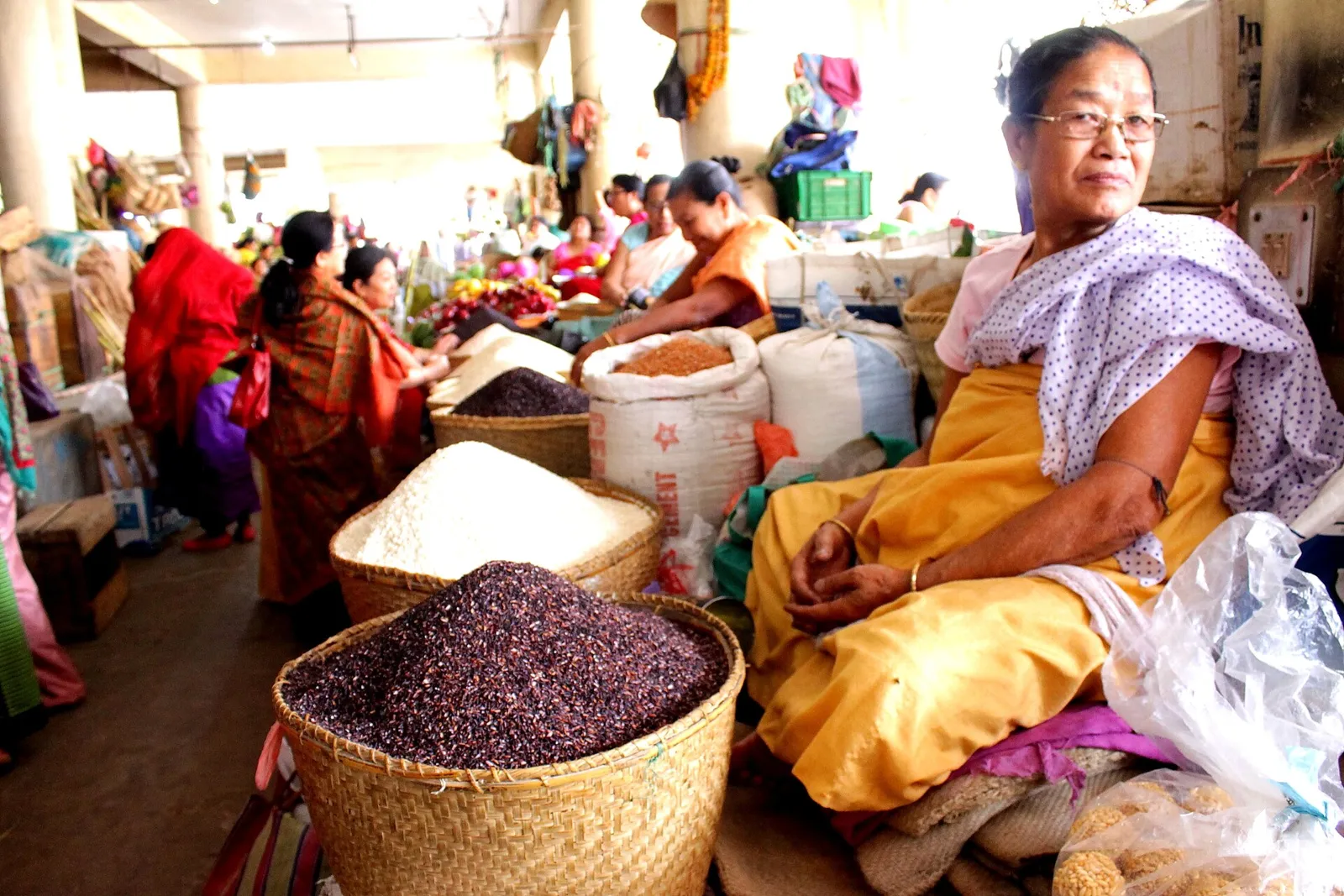
Ima Market
In central Imphal, Ima Market is a marketplace run exclusively by women, also known as Nupi Keithel and Khwairamband Keithel. Visitors come to see its many sellers and wide selection of goods.
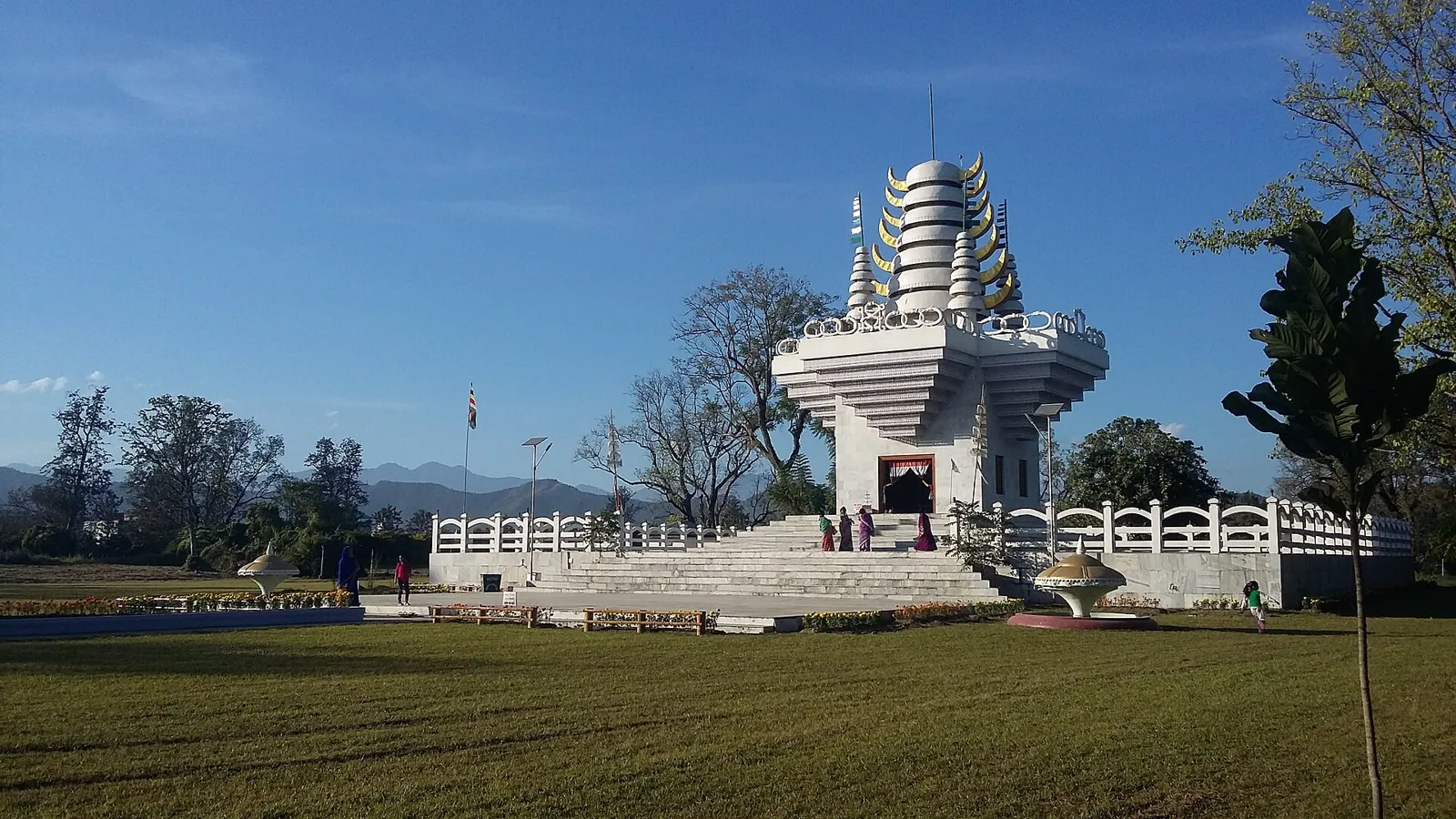
Kangla Fort
Kangla Fort is a historic royal complex in Imphal, Manipur, linked to the Meitei kings of the Ningthouja dynasty. Visitors come to see its palace buildings and cultural features.
Manipur State Museum
Located in Imphal West, the Manipur State Museum brings together objects connected with art, culture, history and science. Visitors can explore its collections and galleries devoted to natural history, ethnology and archaeology.
Food in Imphal West draws on the wider traditions of the Manipur Valley and neighbouring communities. Look for eromba, a mash of vegetables with fermented fish, singju salad, and kangshoi, a light vegetable stew. Chak-hao kheer uses Manipur’s aromatic black rice. Rice anchors many meals, while fish and fermented ingredients contribute distinctive flavours; meat preferences vary across communities. Small eateries may prepare only a limited daily selection, so ask what is fresh. Vegetarian travellers should specifically check for fish, fermented fish and meat-based additions, even in vegetable dishes. Carry drinking water and snacks when travelling beyond central Imphal.
Imphal West provides access to Manipur’s wider handloom and craft traditions, particularly through Imphal’s markets. Woven textiles include phaneks, traditional wraparound garments, and innaphis, shawl-like wraps worn by women. Patterns, materials and weaving practices vary across the state’s communities, so avoid treating every textile as a single uniform tradition. Bamboo and cane work are also established regional crafts, used for baskets and everyday household objects. Ima Market is a useful place to browse textiles and ask sellers about their origin, material and whether they are handwoven.
Yaoshang, celebrated around February or March, is a major Manipuri festival, with neighbourhood gatherings, traditional activities and increased movement around Imphal. Lai Haraoba, a ritual festival honouring local deities, is held at different times of year according to local tradition. Ningol Chakouba, usually in autumn, brings families together and can add to travel demand. The statewide Sangai Festival, usually held in November, features cultural programmes and events in and around Imphal. Festival periods can make public spaces busier and rooms harder to find, so visitors should check local event information and arrange accommodation ahead where possible.
The district occupies part of the broad, fertile Imphal Valley, with a largely level urban and agricultural landscape. The Imphal and Nambul rivers and smaller waterways pass through or near settled areas, while surrounding hills frame views across the valley. The district is more built-up than the forested uplands elsewhere in Manipur; hill roads and forest areas generally lie beyond the central city. Flat terrain makes movement between Imphal’s main sights comparatively straightforward, though busy streets, drainage and waterlogged roads can affect journeys during heavy rain. The valley’s geography also means road travel to other parts of the state may involve winding routes over or around hills.
Imphal has a seasonal climate. Spring and summer, broadly from March into May, can feel warm, while the monsoon, usually from June into September, brings frequent rain, damp conditions and possible disruption to road travel. Autumn is generally a transition to clearer, drier weather. Winter, from around November to February, is cooler, especially in the mornings and evenings. October to March is often a comfortable period for sightseeing, though festival dates and conditions vary. Pack light clothing for warmer days, a light warm layer for winter evenings, comfortable walking shoes and rain protection if travelling during the monsoon. Check forecasts and local conditions before setting out.
Imphal International Airport is the main air gateway for Imphal West. Jiribam is a railway access point in Manipur, but reaching Imphal from there involves a substantial onward road journey; map proximity is not a reliable guide to travel time. Guwahati is another major regional hub for connecting journeys. Road approaches to Imphal include routes through Nagaland and from the Assam side via Jiribam. Within the city, taxis, auto-rickshaws and locally available shared transport can help link sights. Road access and transport availability can change with weather and security conditions. Check current services locally.
Imphal is the main hub for getting around Imphal West, and its central sights can generally be linked by road. Taxis, auto-rickshaws and locally available shared transport serve the city, while local buses operate on some routes; availability and routes may vary. Walking can work for short central stretches, but traffic, weather and pavement conditions may make a vehicle more practical. For journeys beyond the city, road connections reach other parts of the valley and onward routes towards the hills. Ask locally about current services, road conditions and any disruptions before travelling; transport availability can change.
2 days: Kangla Fort → Manipur State Museum → Ima Market; sleep in Imphal for the night. 3 days: Ima Market → Kangla Fort → Manipur State Museum; sleep in Imphal after nights one and two.
Imphal is the most convenient base for both short circuits, with accommodation options that commonly include hotels, guesthouses and some homestays. Staying centrally can make it easier to reach Kangla Fort, the Manipur State Museum and Ima Market by local transport. Options and standards vary, so confirm facilities and location directly before booking. Government accommodation may be available in the wider region, but availability and eligibility can differ. Dharamshalas are not a dependable assumption for every traveller; check locally if seeking this type of stay.
Check current official travel advisories and local news before and during a visit, as security conditions and road access can change. Rain can leave roads wet or waterlogged, and journeys beyond the valley may be affected by landslides or other disruptions. Use treated or sealed drinking water and take ordinary precautions in crowded markets and public areas. Mobile connectivity is generally more available in the city than in remote areas, but it can be interrupted. Wildlife is not usually a concern on central city visits. Indian visitors may require an Inner Line Permit to enter Manipur; confirm current requirements through official sources before travel. Do not assume other permits are required without checking.
- Imphal Eastabout 2 km
- Bishnupurabout 35 km
- Ukhrulabout 54 km
- Kohima · Nagalandabout 92 km
- Peren · Nagalandabout 97 km
- Dima Hasao · Assamabout 103 km
- Phek · Nagalandabout 106 km
- Dimapur · Nagalandabout 124 km
Straight-line distance between the centres of each district's destinations; road distance is longer.
All districts of Manipur
Q: How many days should I spend in Imphal West? A: Two days can cover the three listed sights at a measured pace; a third day allows more time for the city and local arrangements. Q: When is the best time to visit? A: October to March is often comfortable for sightseeing, though winter evenings can be cool and festival periods may be busy. Q: What is the best base for these sights? A: Imphal is the most practical base, with local transport links to the district’s main attractions. Q: How do I get to Imphal West? A: Imphal International Airport serves the city. Road journeys are also possible, but routes and services can change; check current conditions before travelling. Q: Is Imphal West suitable for families or elderly travellers? A: Yes, the main sights are in and around the city, but walking surfaces, crowds and transport access vary. Plan rest breaks and check accessibility locally.
This page draws on our 3 destination guides for Imphal West and is updated as our team checks it.
Be the first to share photos, stories, advice or a helpful contact for Imphal West.
Loading…