
District · Nagaland
Phek
Phek offers a view of southeastern Nagaland shaped by Chakhesang village life, farming and mountain travel.
Phek lies in the hills of southeastern Nagaland, where forested slopes, cultivated valleys and terraced fields shape the landscape. Created from the former Kohima district in 1973, it has a strong Chakhesang cultural presence, with village life and agricultural traditions central to its character. Pfütsero, a high-altitude town within the district, offers a cool hill setting and a base for exploring the surrounding countryside. Travel here is best approached slowly: winding roads connect settlements, and village visits reward respectful conversation rather than hurried sightseeing. Administrative boundaries matter when planning a trip: Lake Shilloi, often associated with older accounts of Phek, is now in Meluri district.
Phek offers a view of southeastern Nagaland shaped by Chakhesang village life, farming and mountain travel. Its hills, cultivated valleys and terraced fields make the journey between settlements part of the experience, while Pfütsero provides a cool highland base for exploring the surrounding countryside. Travellers come for a slower-paced visit focused on landscape and local culture rather than a dense circuit of major attractions. Phek is also a useful setting for understanding Nagaland’s varied hill districts. Lake Shilloi is often linked with older accounts of Phek, but it is now in Meluri district and should be planned as a separate excursion.
Phek’s history is closely connected with the Chakhesang Naga communities, whose village-based societies developed distinctive customs, farming practices and local forms of leadership. The area was not part of a single regional dynasty or centralized kingdom; village histories and relationships shaped much of its past. British colonial administration expanded into the Naga Hills in the late nineteenth century, bringing the region within a system of political control that differed from earlier village life. After India’s independence, the area remained part of the Naga Hills administrative region and later of Assam. Nagaland became a separate state in 1963. Phek was created as a district in 1973 from the former Kohima district, giving the southeastern area a separate administrative identity. Its boundaries and administration have since changed; notably, Lake Shilloi, once commonly associated with Phek in travel accounts, is now in Meluri district. Cultural practices, oral histories and village institutions remain important to how the region’s past is understood.
2 destination guides
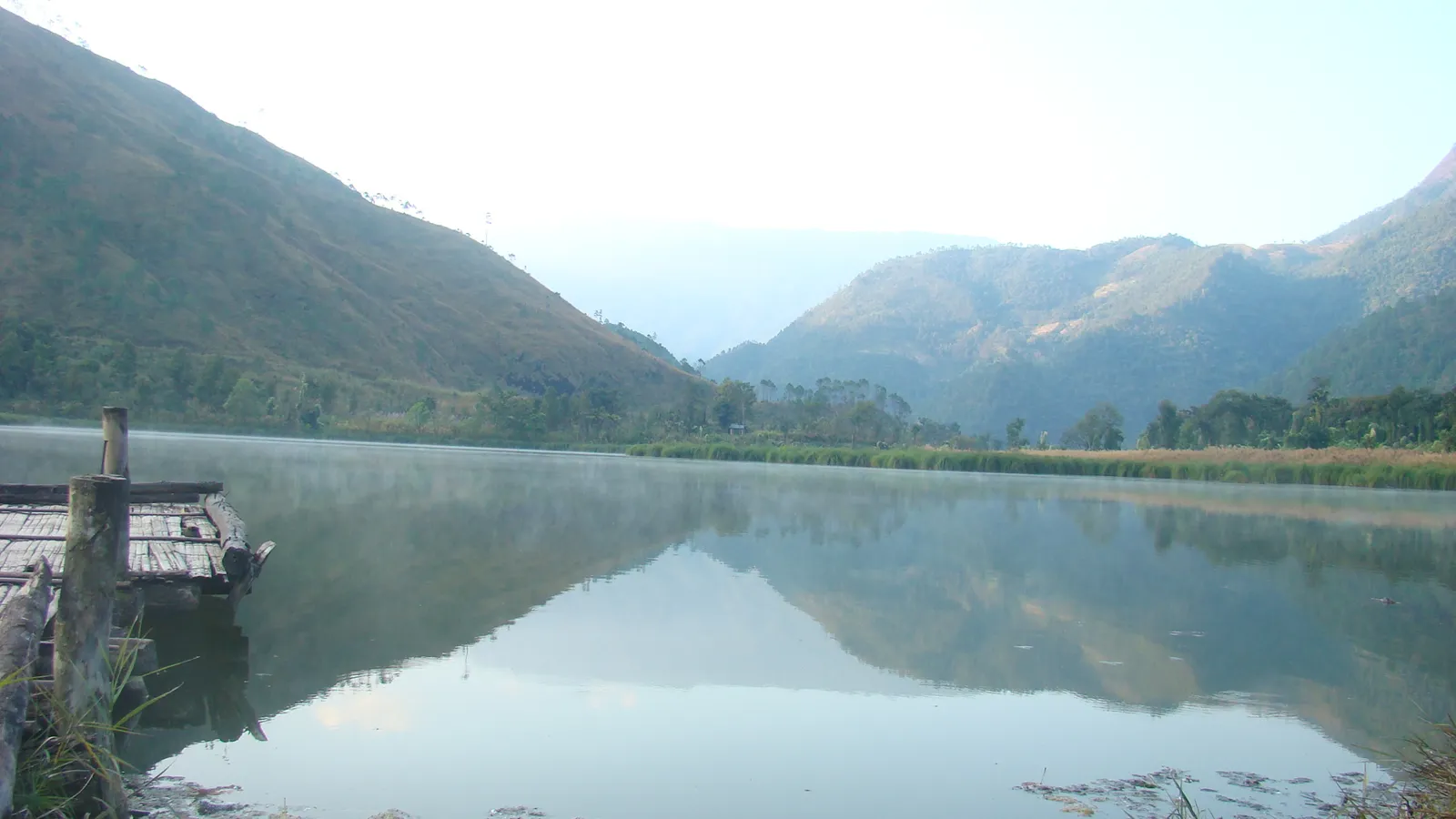
Lake Shilloi
Set in Nagaland’s Meluri District and associated with Phek district, Lake Shilloi is the state’s largest natural lake. Visitors come to see the lake and its pine-forested valley.
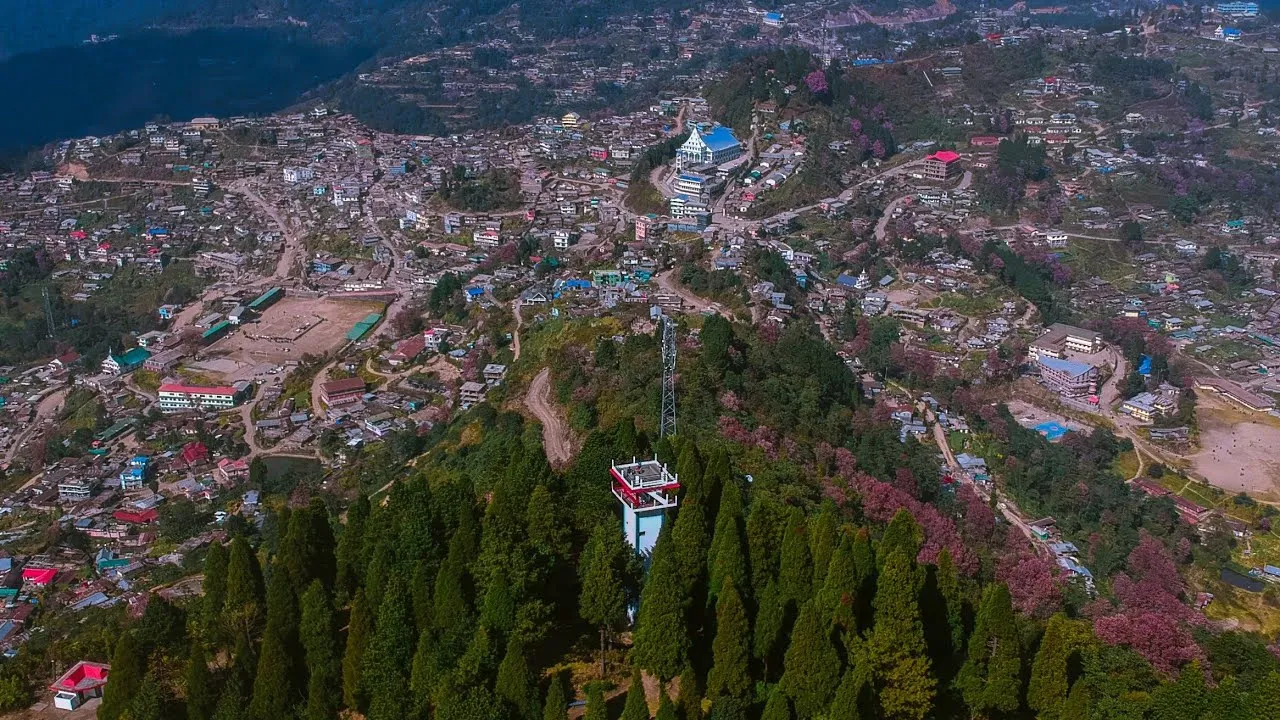
Pfütsero
Pfütsero is a town in Nagaland’s Phek District, known for its fruit trade, including kiwi, avocado and persimmon transported along National Highway 29.
Food in Phek draws on Chakhesang traditions and the wider cuisines of Nagaland. Rice anchors meals, accompanied by seasonal greens, meat and preparations using bamboo shoots or fermented ingredients. Across the state, familiar foods include smoked pork with bamboo shoot, axone or fermented soybean, galho rice porridge and fiery king chilli relishes; availability varies by household and eatery. Small establishments may serve only what has been cooked that day. Vegetarian travellers should ask clearly about meat stocks and fermented additions. Carry drinking water and snacks when heading beyond towns, where eating options can be limited.
Chakhesang textile traditions are an important part of Phek's cultural life, with woven shawls and other garments carrying patterns associated with community identity. Across Nagaland, handweaving, including work on backstrap looms, remains a significant tradition. Bamboo and cane are also used regionally for baskets, carrying containers, mats and everyday household objects. When buying locally, ask who made an item and whether its motifs have a particular meaning. Village makers and local sellers can help distinguish handmade work from factory-produced souvenirs.
Chakhesang communities celebrate traditional festivals that mark agricultural seasons, community life and rites of renewal. Sükrün is generally observed in February, while Tsükhenye is usually associated with May; practices and observances can vary between villages. These occasions may include customary ceremonies, shared meals and cultural gatherings, but they are not uniform public events in every settlement. Visitors should ask locally before attending and follow village guidance on photography and participation. Festival periods can bring more visitors to particular villages and make rooms or transport less readily available, so arrange plans ahead where possible.
Elsewhere in Nagaland
Phek is a hilly inland district of forested slopes, ridgelines, cultivated valleys and terraced fields. Settlements are spread across uneven terrain, and roads wind through the hills rather than following direct routes. Seasonal streams and rivers form part of the wider landscape, though travel plans are shaped more by steep roads and weather than by water transport. Forest and farmland often sit close to villages. Rain can make road surfaces difficult and slow journeys, while clear weather opens views across the surrounding hills. Lake Shilloi lies beyond the present district boundary, in Meluri district.
Phek has a hill climate with a milder summer, a wet monsoon season and cool winter conditions. Summer is generally a comfortable time for village visits, though showers can occur. The monsoon brings frequent rain, cloud and the possibility of disrupted or slower road travel. Winter is often clearer and cooler, especially in higher places such as Pfütsero, and evenings can feel cold. The drier months from autumn into winter and early spring are often the most convenient for travel, subject to local conditions. Pack layers, a warm outer garment, comfortable shoes with good grip, rain protection and any personal medicines. Check forecasts and road conditions before setting out.
Dimapur Airport and Dimapur railway station are established gateways for reaching Phek district. From Dimapur, onward travel is by road, commonly through Kohima, with connections towards Pfütsero and Phek town. Guwahati is another major regional rail and air hub for longer journeys. Hill roads make travel slower than map distances suggest, and rain can affect conditions. Shared taxis, hired vehicles and available bus services provide onward transport, but smaller villages may require advance arrangements. Confirm any applicable Nagaland entry permit requirements before travelling, and check current services locally.
Road is the practical way to move around Phek. Pfütsero and Phek town are connected by hill roads, with onward routes to villages and other settlements; journey times can vary with weather and road conditions. Shared taxis and hired vehicles are commonly used, while bus services may be available on some routes. Local availability can be limited, particularly for smaller villages, so arrange onward transport in advance rather than relying on frequent services. Autos are not a dependable option across the district. There is no useful sightseeing circuit by boat. For Lake Shilloi, make separate arrangements because it is in Meluri district.
2 days: Pfütsero; sleep both nights in Pfütsero, using it to explore nearby countryside at an unhurried pace. 3 days: Pfütsero, then Lake Shilloi as an extension into Meluri district; sleep the first night in Pfütsero and the second in the Meluri area, after confirming road and lodging arrangements.
Pfütsero is the most practical base for a short visit centred on the district’s highland setting and nearby countryside. Phek town can suit travellers whose plans focus on that part of the district or who need to coordinate onward road travel. Accommodation options in the area are limited compared with larger towns and may include modest hotels, guesthouses or homestays; availability varies by place and season. Government lodges may be available in some locations, but confirm access and booking arrangements directly. For a Lake Shilloi extension, arrange a separate stay in the Meluri area rather than assuming it is within Phek.
Hill roads are winding and can be slow or slippery, especially during monsoon rain; avoid rushing and check current conditions before longer drives. Carry water and use treated or sealed drinking water where its source is uncertain. Wear sturdy footwear on uneven village paths, and do not approach wildlife or enter forest areas without local guidance. Mobile coverage can be patchy outside larger settlements, so share plans and prepare for limited connectivity. Services may be sparse in smaller villages. Indian visitors from outside Nagaland should confirm current Inner Line Permit requirements through official channels before travel; check any other applicable entry rules with the relevant authorities. Ask permission before photographing people or village ceremonies.
- Kohimaabout 45 km
- Zunhebotoabout 48 km
- Kiphireabout 50 km
- Ukhrul · Manipurabout 57 km
- Wokhaabout 64 km
- Mokokchungabout 82 km
- Dimapurabout 89 km
- Imphal West · Manipurabout 106 km
Straight-line distance between the centres of each district's destinations; road distance is longer.
All districts of Nagaland
Q: How many days should I spend in Phek? A: Two days can suit a short visit based in Pfütsero. Allow an extra day or more for a slower village-focused trip or a separately planned Lake Shilloi extension in Meluri district. Q: When is the best time to visit? A: The drier months from autumn into winter and early spring are generally convenient. Monsoon travel can be slower and more weather-dependent. Q: What is the best base for visiting Phek? A: Pfütsero is a practical base for a short visit. Phek town may suit plans centred on the district’s southern areas or onward road connections. Q: How do I get to Phek? A: Dimapur is an established air and rail gateway. Continue by road, commonly via Kohima, and confirm current onward transport locally. Q: Is Phek suitable for families or elderly travellers? A: It can suit travellers comfortable with winding hill roads and uneven paths. Choose a relaxed itinerary, check accommodation and transport in advance, and consider individual mobility needs.
This page draws on our 2 destination guides for Phek and is updated as our team checks it.
Be the first to share photos, stories, advice or a helpful contact for Phek.
Loading…