
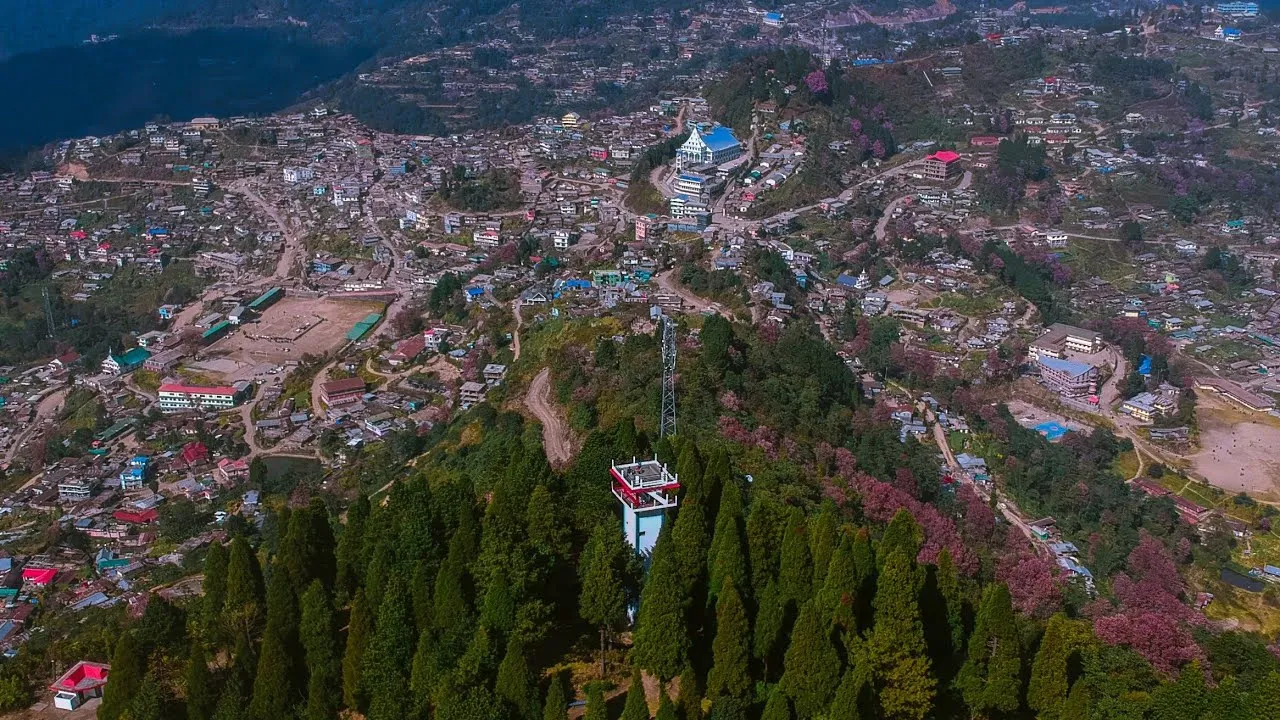
Pfütsero
Pfütsero is a town in Nagaland’s Phek District, known for its fruit trade, including kiwi, avocado and persimmon transported along National Highway 29.
Key facts · verified by Ghumoopedia editors
- Type of place
- Destination
- Best time to visit
- October to May; early December for the Hornbill Festival
- Nearest railway station
- Dimapur · about 70 km (straight line)
- Nearest airport
- Dimapur Airport · about 65 km (straight line)
- Verified
- 21 Nov 2026
Plan a trip from Pfütsero — a day-by-day route through places nearby.
Located in Nagaland’s Phek District, Pfütsero is a town whose population is mainly made up of Khezhas and Chokris. The town has commercial importance, with trade centred partly on fruit crops. Kiwi, avocado and persimmon are among the produce traded there. These fruits are shipped using National Highway 29, linking the town’s produce trade with transport along the highway. Nagaland’s many Naga tribes each have their own language, festivals and village councils. The Hornbill Festival at Kisama is held in early December, and the state enforces liquor prohibition. Kohima and the hill districts are cool, with cold winter nights; Dimapur in the plains is warmer and humid. The monsoon brings heavy rain from June to September. The usual best time to visit is October to May; early December for the Hornbill Festival. Days are short in Northeast India: the sun can set before 5 pm in winter, so plan to reach and leave Pfütsero in daylight. Timings, fees and access arrangements must be confirmed locally. For official information, see Nagaland Tourism at https://tourism.nagaland.gov.in.
Why it matters
Pfütsero is a town in Phek District and an important local centre for trade and everyday services. Its market connects surrounding communities with produce buyers and transport routes; the existing guide identifies kiwi, avocado and persimmon among the crops traded here and notes the town’s link with National Highway 29. The town is inhabited mostly by Khezhas and Chokris, giving it a place within Nagaland’s diverse Naga communities. For visitors, Pfütsero is best understood as a lived-in market town and a base for learning about local life, rather than as a monument or ticketed attraction.
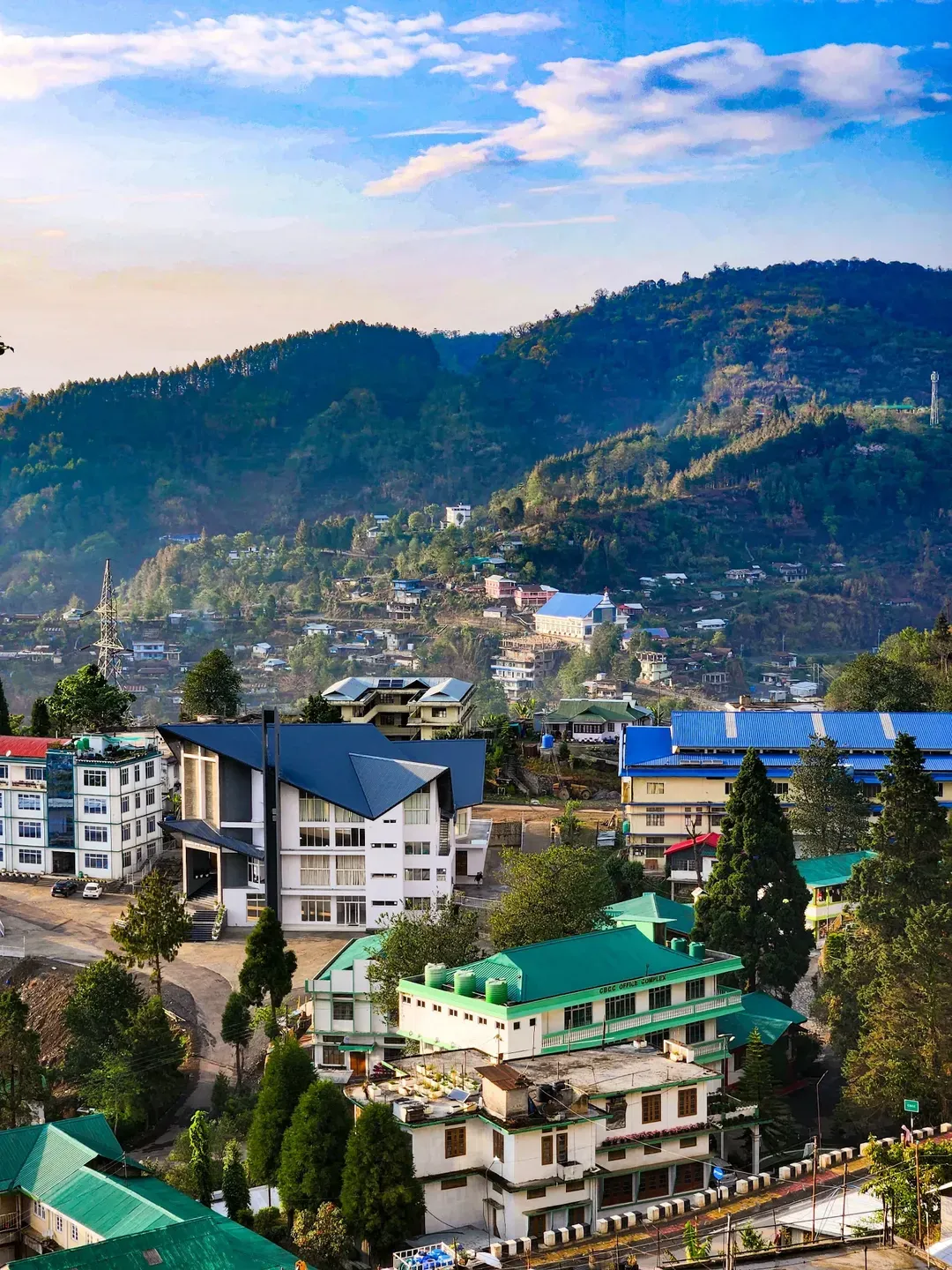
A reliable foundation date or detailed written history for Pfütsero is not established in the available reference material, so a precise founding story should not be assumed. Its history is best approached through the communities who live here and the town’s role in the surrounding area. The existing guide describes Pfütsero as inhabited mostly by Khezhas and Chokris, communities with their own languages and local traditions within Nagaland’s wider Naga society. Pfütsero has become commercially important as a market and trading centre. Fruit crops including kiwi, avocado and persimmon are associated with trade in the town, and the guide notes transport links via National Highway 29. These activities connect local growers and residents with wider markets and make the town useful as a service centre for nearby settlements. Such development reflects changing livelihoods and transport connections rather than a single documented historical event. Visitors should not expect a preserved historic quarter or a named monument with a well-documented building history. Community knowledge is the most appropriate source for local accounts of settlement, customary practices and change. Ask residents respectfully, and treat oral histories as community perspectives rather than as officially verified dates.
Use Pfütsero as a base to understand local life: walk through the market area, visit community-run attractions and ask your host about nearby viewpoints and short excursions. Always ask before photographing people, homes or ceremonies. A comfortable itinerary is one main visit in the morning, a local meal at midday and a short nearby stop before an afternoon return. Use the district list on this site to find other places in Phek, but check the actual road route and its condition before combining stops. If a festival is on, local roads and stays can be busy — and the experience can be unforgettable. Leave no litter: many sites in Nagaland are protected by the communities who own them.
Suggested itineraries
Half day: Walk through the market area (1–2 hours), have a local meal (about 1 hour), then visit a community-recommended nearby viewpoint or short excursion (1–2 hours). Full day: Explore the market in the morning (1–2 hours), speak with a local host about community life (about 1 hour), pause for lunch (about 1 hour), then take one locally recommended nearby excursion and return to town well before dark (2–3 hours). Gentler option: Spend 1–2 hours near the market, rest over lunch, and make only a short vehicle-based stop suggested by your host.
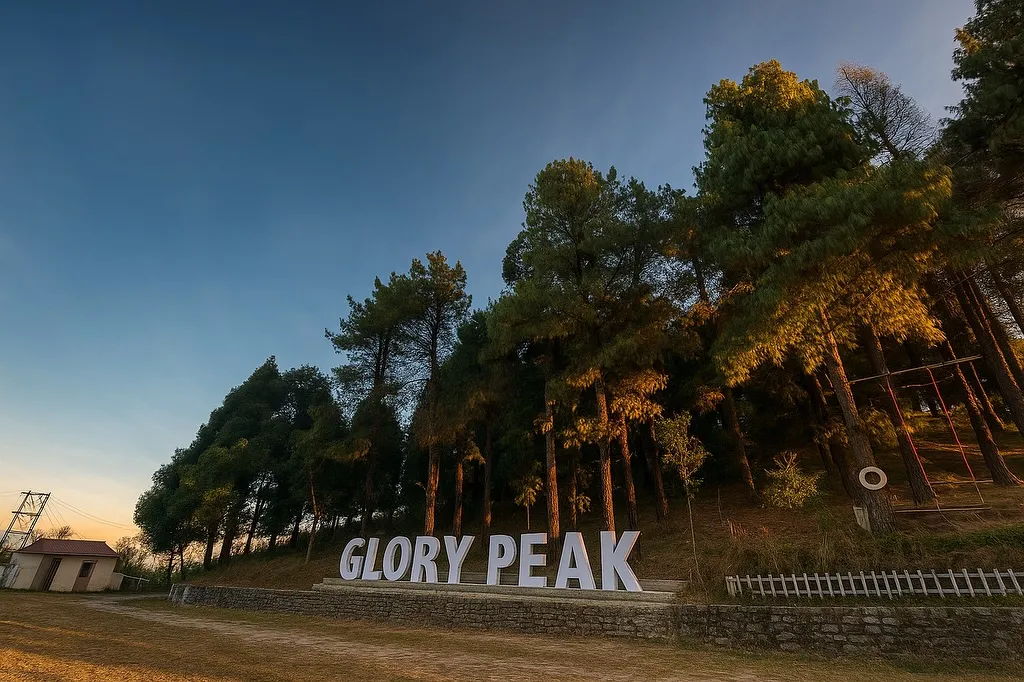
Pfütsero is home mainly to Khezha and Chokri people. Khezha and Chokri languages are part of daily community life; English or Nagamese may also be used in some public and trading contexts, though this varies. As elsewhere in Nagaland, customs and community life are shaped by local institutions and village-level practices, so visitors should follow their host’s guidance rather than assume one rule applies everywhere. Music, dance and traditional clothing may be part of community gatherings and celebrations, but they are not performances on demand. Ask before joining an event or photographing people, homes, religious spaces or ceremonies. A market visit offers a respectful glimpse of everyday exchange and local produce.
Festivals & events
Festival calendars vary by community and village. Chakhesang communities in the wider area observe seasonal festivals, including Sükrünye, usually in February, and Tsükhenyie, usually in May; confirm locally whether celebrations are open to visitors and where they are being held. The Hornbill Festival takes place at Kisama, near Kohima, in early December and is a wider Nagaland event rather than a Pfütsero town festival. Festival periods can increase demand for transport and accommodation, and local roads or community spaces may be busier than usual. Follow invitations and local guidance, and do not enter ceremonies or photograph them without permission.
Local food in Nagaland includes smoked pork with bamboo shoot, axone (fermented soybean), galho rice porridge, king chilli (raja mircha) relishes and seasonal greens. Ask what is fresh that day; many small eateries cook a limited daily menu. Pork, beef, fish and fermented ingredients are common in tribal cuisines, so vegetarian travellers should explain their needs clearly — rice, dal, vegetables and eggs are usually possible in towns. Remote sites may have no restaurant at all. Carry water and snacks, eat a proper breakfast before long drives, and ask your accommodation for a packed lunch if you are heading out early. Try a homestay-cooked meal when you can — it is often the best food in the hills. Choose busy, clean places and carry your packaging back to town.
Shopping & local experiences
The market is a practical place to look for everyday goods and seasonal local produce. The existing guide identifies kiwi, avocado and persimmon as crops traded through Pfütsero; availability depends on the season and harvest. Ask vendors about the origin of produce and buy directly where appropriate. Locally made crafts or textiles may be available from individual sellers or at community events, but do not assume a particular item is always stocked. Ask before handling goods or photographing a stall, and carry reusable bags. Trying food from a local eatery can be a simple way to experience the town’s everyday market life.
October to May; early December for the Hornbill Festival
The nearest principal railway station by straight-line distance is Dimapur, roughly 70 km away. The nearest operating airport by straight-line distance is Dimapur Airport, roughly 65 km away. These figures are calculated from map coordinates — hill roads in Nagaland wind a lot, so actual road distance and travel time are usually much longer. Guwahati is the main rail and air hub for the region, and most long-distance journeys connect through it. For the final leg, Nagaland State Transport (NST) and shared taxis from Dimapur and Kohima link district towns; shared taxis usually leave early in the morning and depart only when full. A private taxi gives more flexibility for remote sites. When comparing train, bus and flight, count the complete door-to-door time: a flight saves the most time only if the onward road transfer is short, while an overnight train to Guwahati plus a road journey can save a hotel night. Book your return before you leave, because seats on shared vehicles and the few daily flights fill quickly. Current train numbers, timings, return services and fares are not listed here; check IRCTC and NTES for trains and the airline’s own schedule for flights. Indian visitors who are not residents of Nagaland need an Inner Line Permit, available online through Nagaland’s official ILP portal. Foreign nationals must check the current Protected Area Permit and registration requirements.
Confirm onward and return timings on IRCTC / NTES, the state bus operator or your airline before travel. A dash means current timings or fares have not been verified.
Getting around
On arrival, ask your accommodation or local host about shared taxis, private taxis and current road conditions. Shared vehicles generally connect district towns, but departure arrangements can depend on demand; confirm locally rather than relying on a fixed schedule. A private taxi is more flexible for nearby excursions. Within Pfütsero, the market and central streets may be explored on foot, though slopes and uneven surfaces can make walking tiring. Do not assume that auto-rickshaws or frequent local buses are available. Check where a driver can safely wait or park, and arrange a return ride before visiting quieter places outside town.
Hours, tickets & permissions
Pfütsero is a town, not a single gated attraction, so access rules depend on the place you visit. Public streets and market areas may be accessible without a formal ticket, while community-run attractions or event venues may have their own entry, photography or visitor arrangements. Some community spaces may require advance permission or a local host. Carry identification for travel and accommodation checks, and dress respectfully, especially near religious or ceremonial spaces. Confirm current opening arrangements, any fees and photography rules with the relevant managing authority or community before setting out.
Facilities
Pfütsero has town services and places to eat, but the range of visitor facilities can vary. Food and basic shopping are usually available around the market; ask locally about drinking water and whether it is safe untreated. Toilets, public parking, guides and ATMs may be limited or not easy to locate, so check with your accommodation before travelling. Carry essentials, including any medicines you need, and do not assume a community-run site has staff or facilities throughout the day. For a guided visit, arrange a local host in advance where possible.
Accessibility
Pfütsero is a hill town, and roads, paths and market lanes may be sloped, uneven or affected by rain. Walking distances can be adjusted, but there may be little shade and few places to sit away from shops or accommodation. Older visitors or anyone with limited mobility may find a short, vehicle-based visit more manageable than a walking circuit. Ask your host to check the surface and approach to any viewpoint or community attraction before setting out.
Indian visitors who are not residents of Nagaland need an Inner Line Permit, available online through Nagaland’s official ILP portal. Foreign nationals must check the current Protected Area Permit and registration requirements. Carry a printed and digital copy of your permit and a photo ID at all times; checkpoints are common. Save the emergency number 112 and your accommodation’s contact offline. Altitude sickness is possible above about 2,500 m: ascend gradually, rest on arrival, drink water and turn back if you develop a severe headache, breathlessness or confusion. Respect community rules, private property and posted instructions. Avoid hill road travel after dark and during heavy rain, when landslides are more likely. Check official advisories for the region before travel, and follow local guidance if access changes.
Photography
The market and surrounding hills can be pleasant to photograph in soft morning or late-afternoon light, subject to weather and visibility. Ask residents before photographing them, their homes, shops or private property; always seek permission before photographing ceremonies, religious spaces or community events. Photography rules at community-run attractions may differ, so check with the host or managing community. Avoid blocking market activity while taking pictures. Drone use can require permissions and may be restricted; do not fly one without confirming the applicable rules and obtaining local consent. Respect requests not to photograph.
Choose a stay by the full journey to Pfütsero, not just the district name. Main towns in Phek usually offer hotels, state tourism lodges and homestays with better transport, meals and medical access, while village homestays offer a closer connection to local life. At altitude, check heating, hot water and power backup, and expect cold nights for much of the year. Book in advance for weekends, festival dates and the peak season (October to May; early December for the Hornbill Festival). Confirm the exact location, meals included, check-in time and cancellation terms in writing. Many homestays accept payment on arrival; avoid sending money to unverified contacts. Mobile network and digital payments can be unreliable in remote areas, so carry some cash.
Phek town, the district headquarters, can be considered as part of a wider Phek District journey; check the road route and conditions before combining it with Pfütsero. Chizami is another place in the district that visitors may include in a locally planned trip. Khezhakeno, a village in Phek District associated with local Naga history and tradition, may also be of interest; ask locally about access and a suitable host. These are not necessarily quick side trips, and mountain-road travel can take longer than map estimates suggest. Confirm current road conditions, community access and accommodation before setting out.
For couples, Pfütsero rewards a slow pace: arrive early for soft light and fewer crowds, share a local meal and keep the evening free. Public displays of affection can be frowned upon in conservative communities and at religious sites, so be discreet. A homestay can make the trip memorable — confirm privacy, hot water and transport back. Keep a buffer day in your itinerary, because weather and road closures can delay plans in Nagaland.
Q: How much time should I allow for Pfütsero? A: A half day can cover the market and one short local stop; a full day allows a slower visit and a nearby excursion. Q: When is a good season to visit? A: The existing guide recommends October to May. The monsoon, usually June to September, brings heavy rain; conditions vary, so check locally. Q: Is there an entry ticket for the town? A: Pfütsero is a town, not a single ticketed attraction. Community-run places or events may have their own access arrangements; confirm before visiting. Q: Is the visit suitable for children and older people? A: It can be, but hilly and uneven routes may be tiring. Choose short walks, allow rest breaks and arrange vehicle access where possible. Q: Can I stay in Pfütsero? A: Accommodation options may be limited or vary seasonally. Check availability locally in advance, especially during festival periods.
Be the first to share photos, stories, advice or a helpful contact for Pfütsero.
Loading…