Ghumoopedia — Explore, Discover, Experience
Sign in
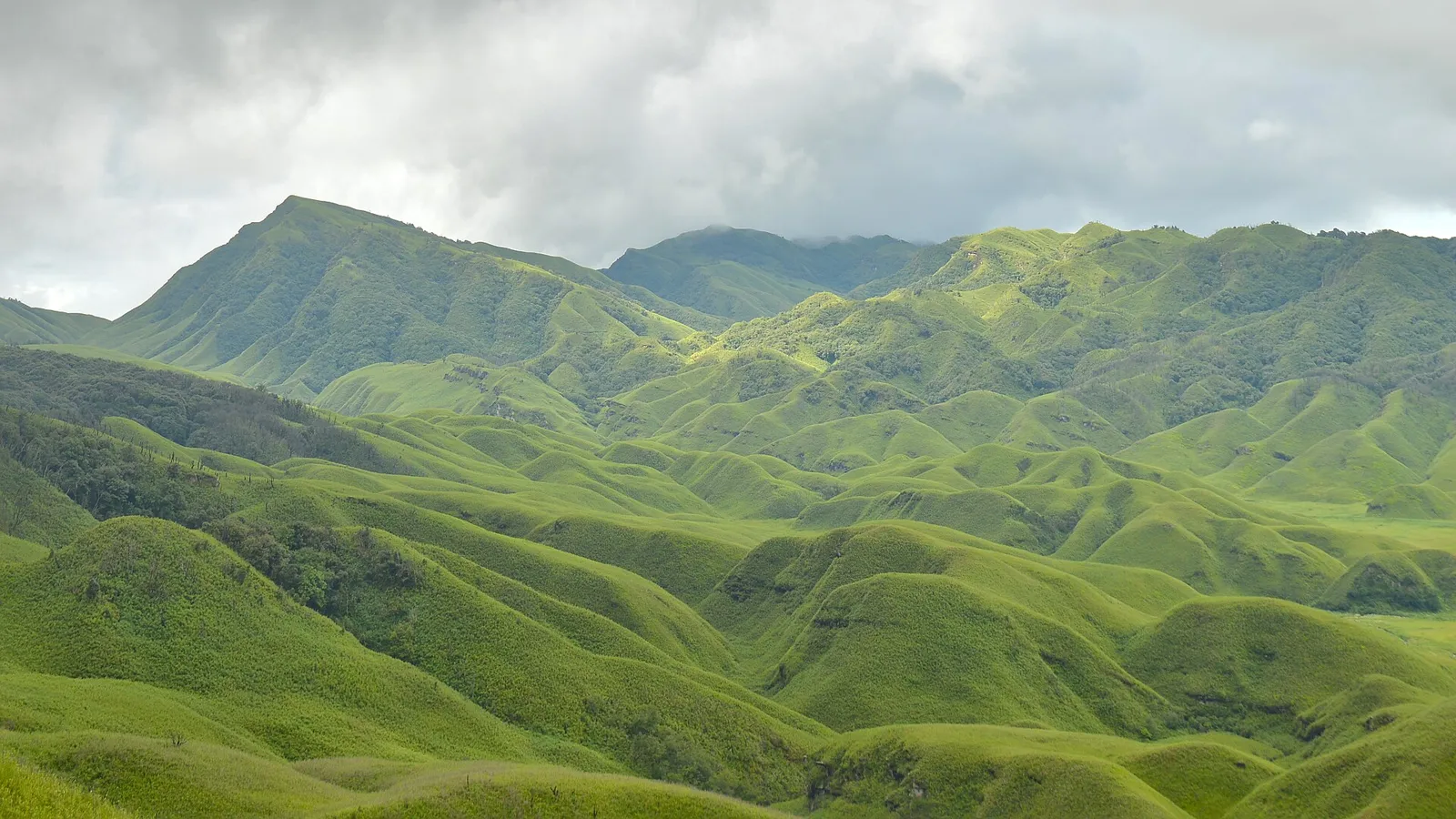
Dzukou Valley, Nagaland

State · Northeast India

Nagaland

Hill villages of many Naga peoples, Dzükou valley and the Hornbill Festival.

Capital
Kohima
Districts
10
Destinations
26
Plan a trip in Nagaland

Overview

Understanding Nagaland

Culture

Morung traditions and handwoven shawls.

Food

  • Smoked pork with bamboo shoot
  • Galho

Festivals

  • Hornbill Festival
  • Sekrenyi
  • Moatsu

Experiences here

  • Tribal
  • Mountain
  • Festivals
  • Heritage

Verified by the Ghumoopedia editorial team on 21 Nov 2026. Written and reviewed by Ghumoopedia's editors. Timings, fees and permits can change, so check them with the managing authority shortly before you travel.

The complete guide

Nagaland: a traveller's guide

Why visit

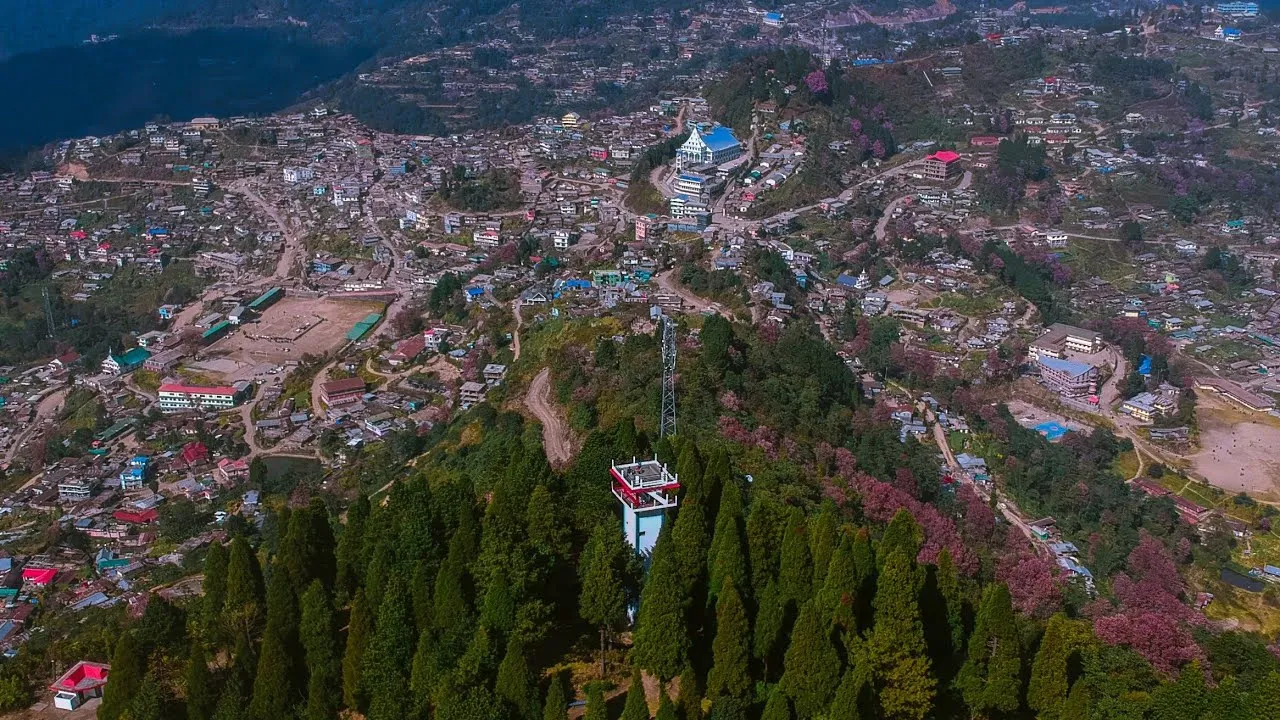
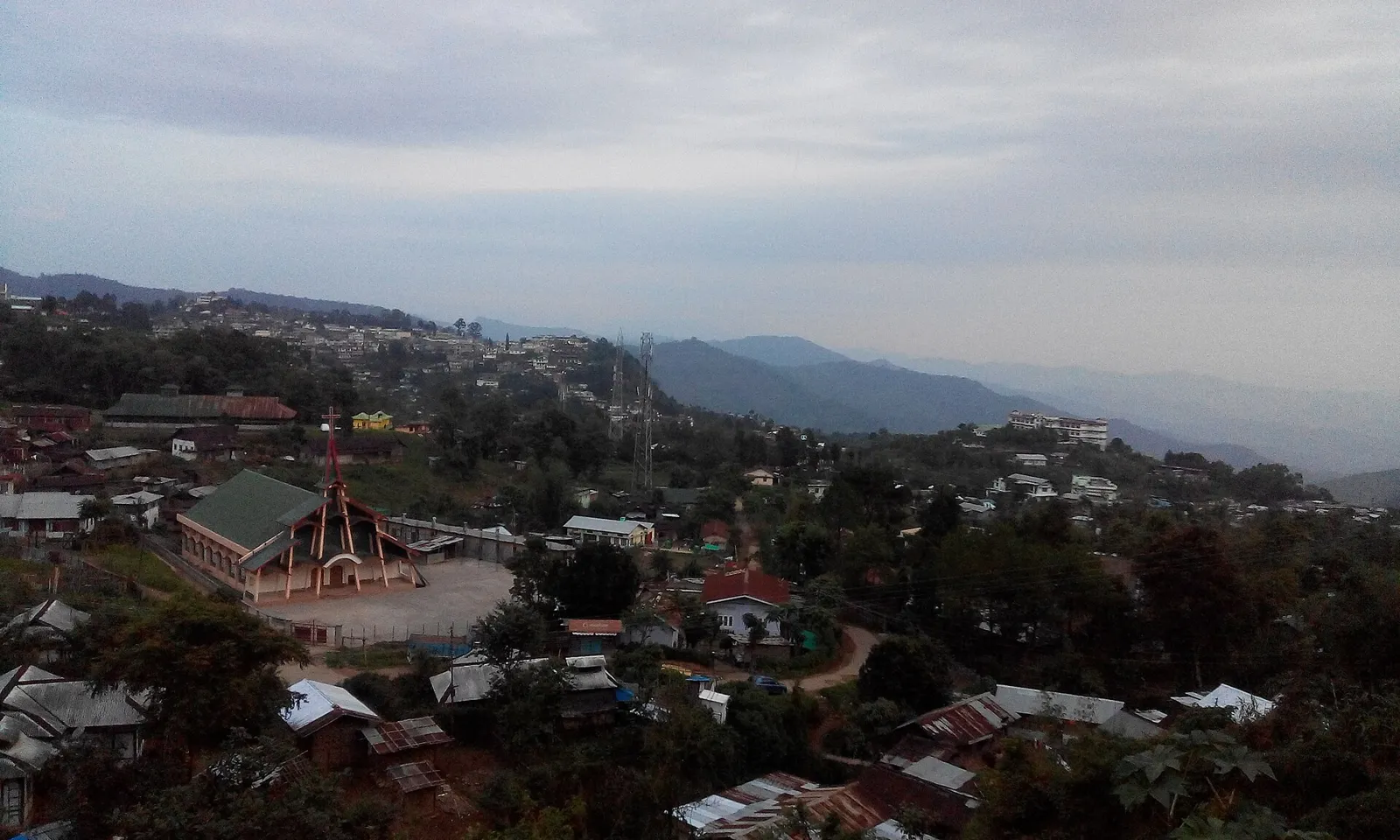
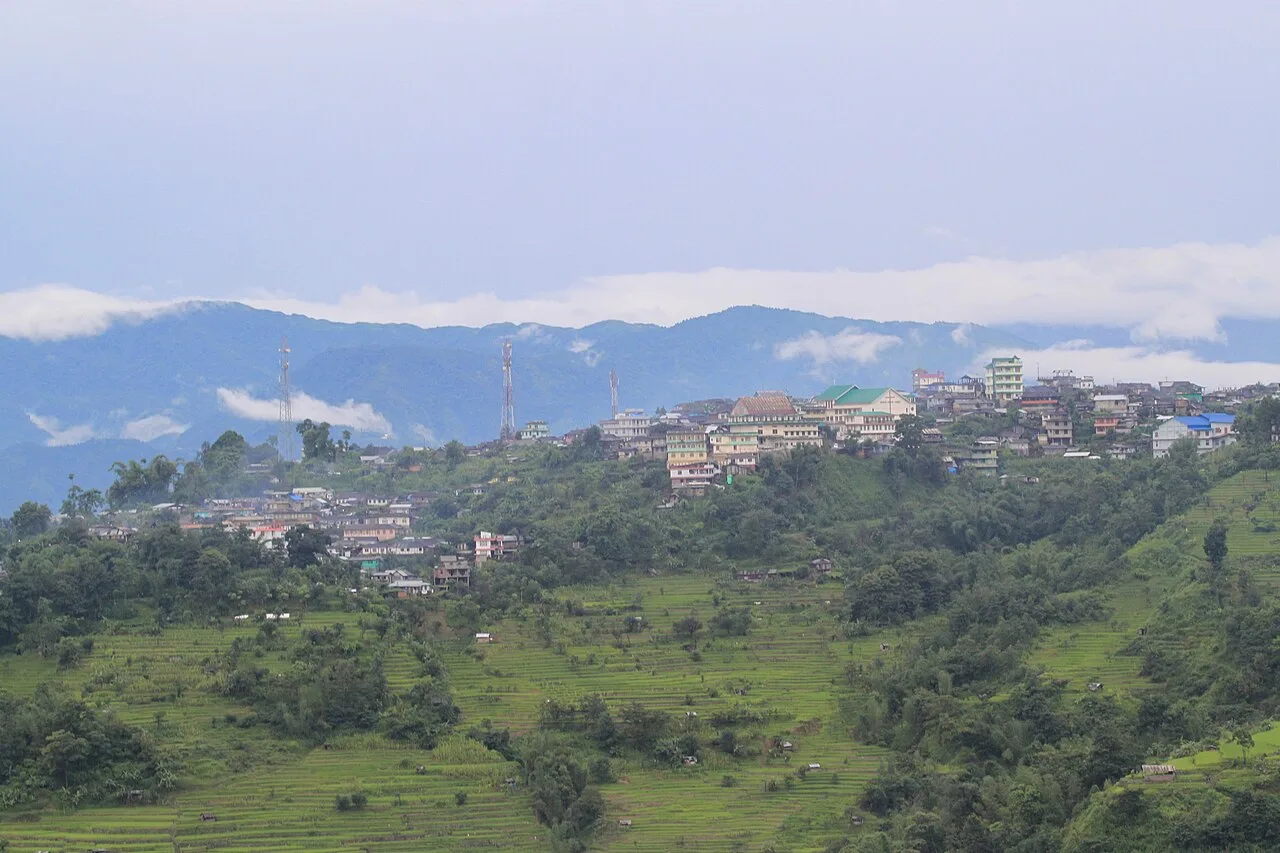
Nagaland is a destination for travellers drawn to mountain scenery, village life and living cultural traditions. Its hills rise along India’s far north-eastern frontier, where communities with distinct histories and customs make each part of the state feel different. Kohima offers a base for exploring the surrounding Angami villages and the Second World War memorials; Khonoma is known for its community-led conservation, while Kisama Heritage Village hosts the annual Hornbill Festival. Beyond the capital, routes lead to Ao villages near Mokokchung, Konyak country around Mon and Lungwa, and the forested highlands near Mount Saramati. Dzukou Valley, shared with Manipur, is a celebrated trekking landscape of open grassland and seasonal flowers.

The state suits slow, locally guided journeys more than hurried sightseeing. Travellers can combine hikes and village stays with markets, museums, historic sites and regional food, while allowing time for long, winding road journeys. Those interested in textiles, oral histories, music and festivals will find a rich cultural experience, but should approach communities with respect and curiosity rather than treating traditions as performances. Nagaland’s infrastructure and visitor facilities vary by location, so flexibility is valuable. A trip can focus on Kohima and nearby destinations, or extend over several days to more remote districts where scenery and encounters reward careful planning.
Landscape & climate

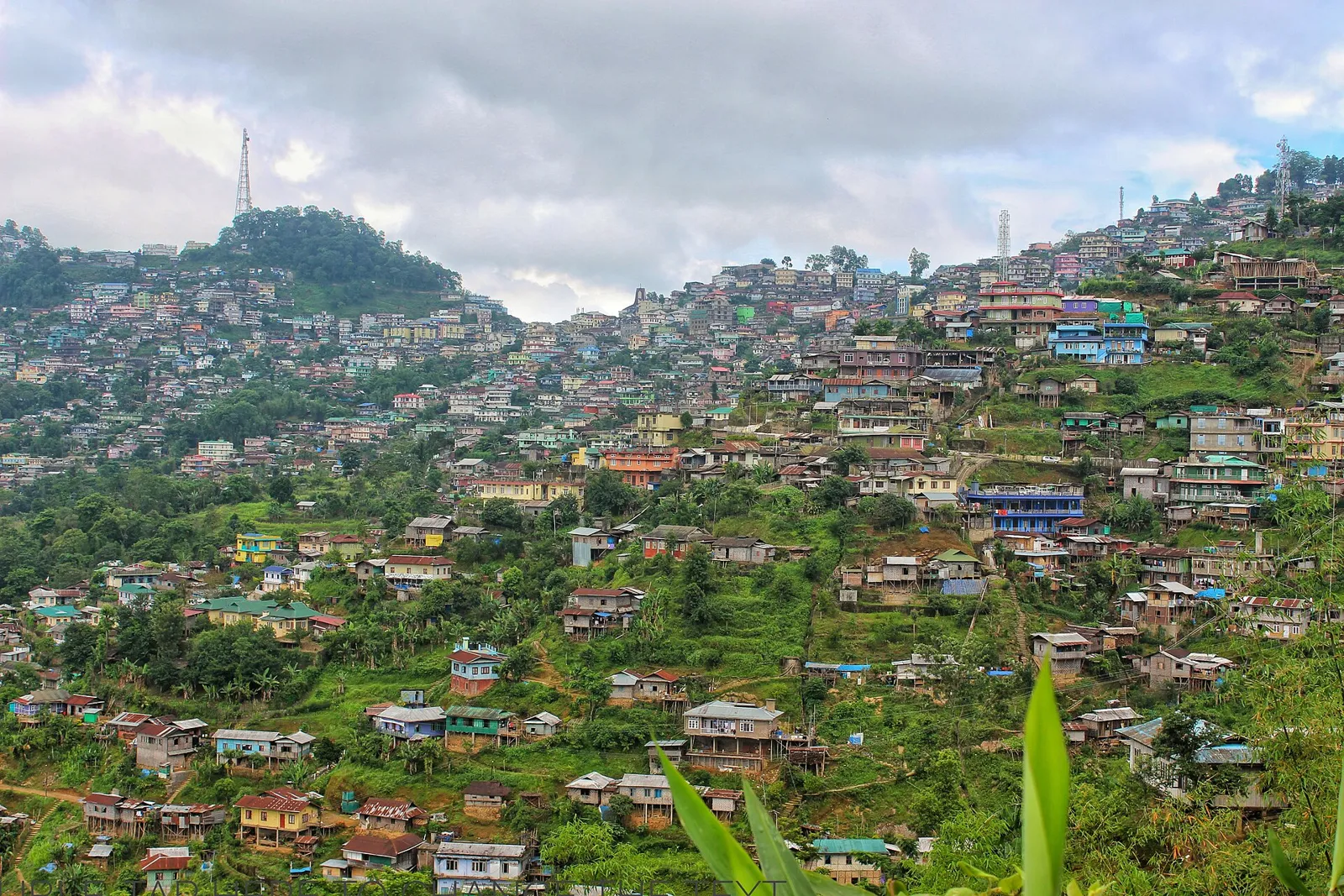
Nagaland is an entirely landlocked state of ridges, valleys and steeply sloping settlements in the eastern Himalayan hill system. The Naga Hills and ranges associated with the Patkai and Barail form much of its terrain; elevations climb toward Mount Saramati on the Myanmar border and Mount Japfü south of Kohima. In the south, Dzukou Valley spreads across the Nagaland–Manipur border as a high, open basin ringed by hills. The landscape shifts from cultivated slopes and forested ridges to river valleys and subtropical lowlands around Dimapur. Important rivers and tributaries include the Doyang, Dhansiri, Dikhu and Tizu, which drain different parts of the state.

Forests include broad-leaved and evergreen growth, bamboo and, at higher elevations, patches of temperate vegetation. Farming and settlement patterns shape the hillsides, while road travel often crosses exposed ridges and narrow valleys. Nagaland has a monsoon-influenced climate: rains are heaviest broadly from late spring through early autumn, and can make trails slippery or disrupt road journeys. Winters are generally cooler and drier, especially in Kohima and higher villages; lower Dimapur is warmer. Spring brings fresh growth and flowers, while autumn often offers clearer skies after the rains. Conditions vary sharply with altitude and from one valley to another, so forecasts for a town should not be assumed to describe a trekking route or a distant district.

History & heritage

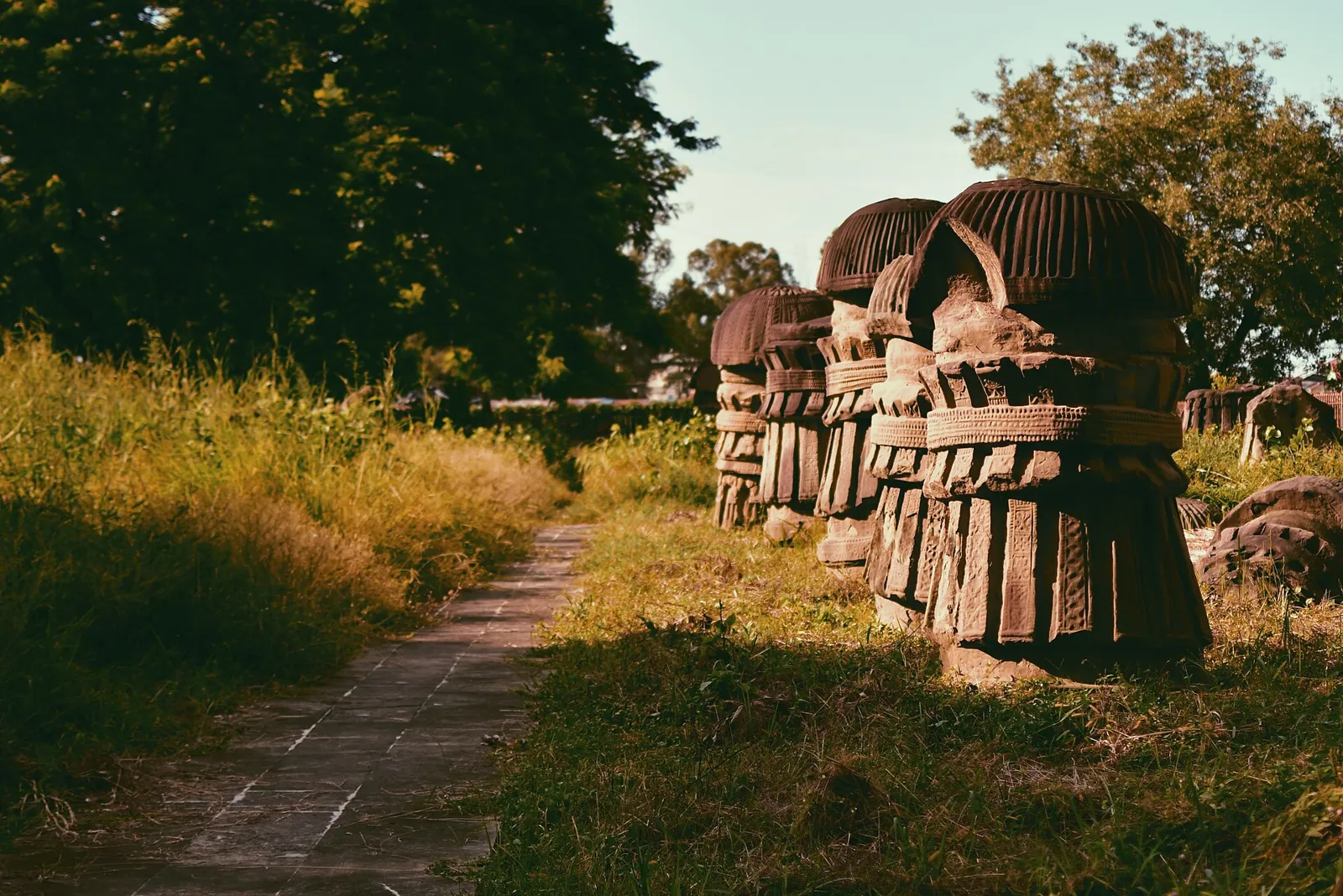
Nagaland’s history is best understood through the varied histories of its many Naga communities, rather than through a single kingdom or linear political tradition. For generations, villages and village confederations governed local affairs through their own institutions, customary laws and relationships with neighbouring communities. Oral histories, migration traditions and distinctive village practices remain important sources of identity. In the Dimapur area, the Ruins of Kachari Rajbari preserve evidence of a medieval Kachari political centre, linking the region to wider histories of the Brahmaputra valley. Trade, exchange and occasional conflict connected hill communities with surrounding plains and with one another, but the character of those relationships differed across places and periods.

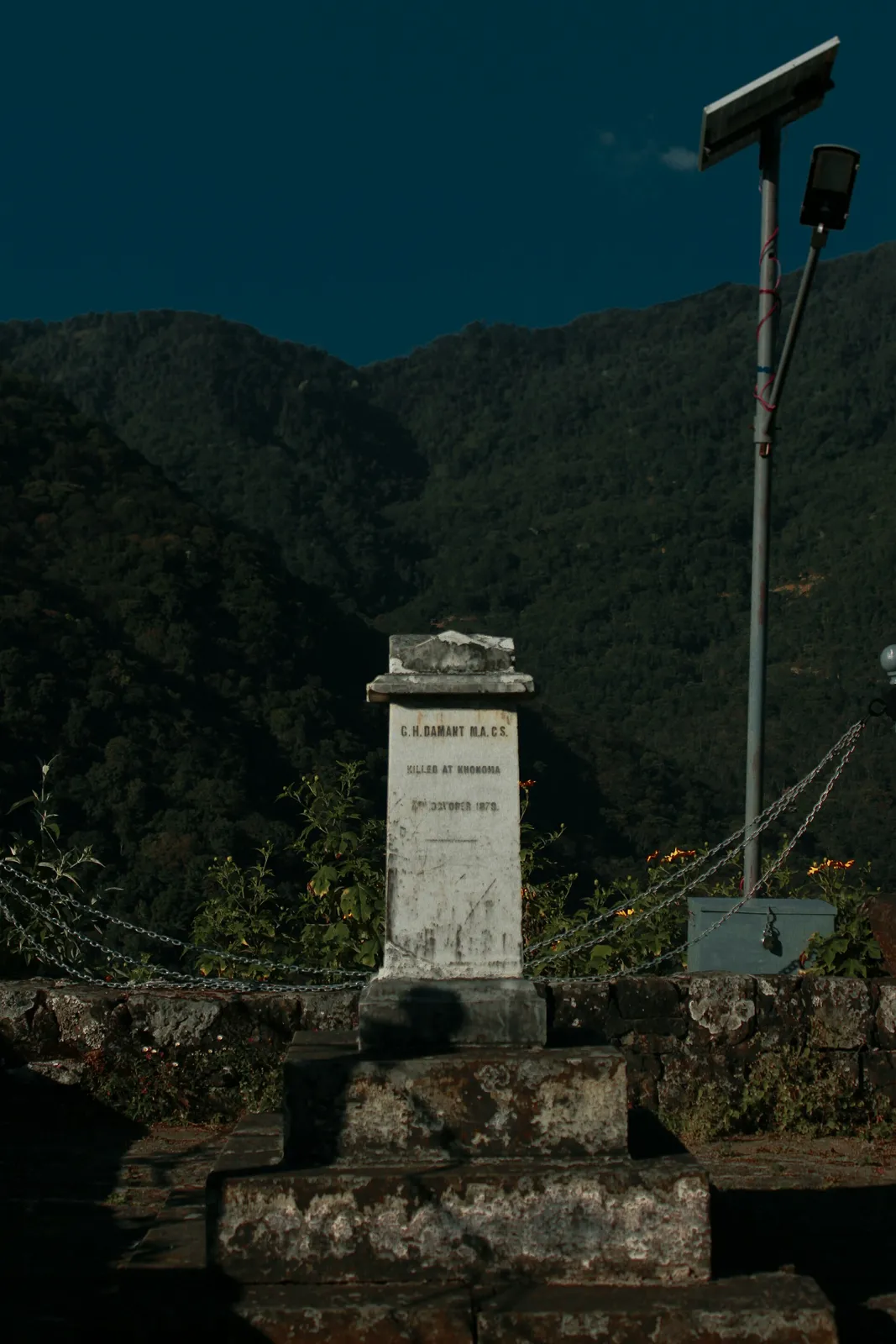
British expansion into the Naga Hills gathered pace in the nineteenth century, and the area was administered as part of Assam under colonial rule. Colonial contact did not erase local authority or the diversity of village life. Naga political organisation developed in the twentieth century, including the Naga Club, founded in 1918, and its 1929 memorandum to the Simon Commission, which expressed concern about the region’s political future. The Second World War brought intense fighting to the Kohima area in 1944; the Kohima War Cemetery commemorates Allied soldiers who died in the campaign. The period after Indian independence saw a prolonged and complex Naga political movement, with continuing efforts toward peace and political settlement.

Nagaland became a state of the Indian Union on 1 December 1963, with Kohima as its capital. Article 371A of the Constitution provides special protections concerning Naga religious and social practices, customary law, and ownership and transfer of land and its resources, subject to its terms. Statehood and constitutional safeguards form part of a modern history that continues to be shaped by community aspirations, political dialogue and change. Museums, memorials and village visits can offer context, but local perspectives are diverse; no single account represents every Naga community.

Culture, people & festivals

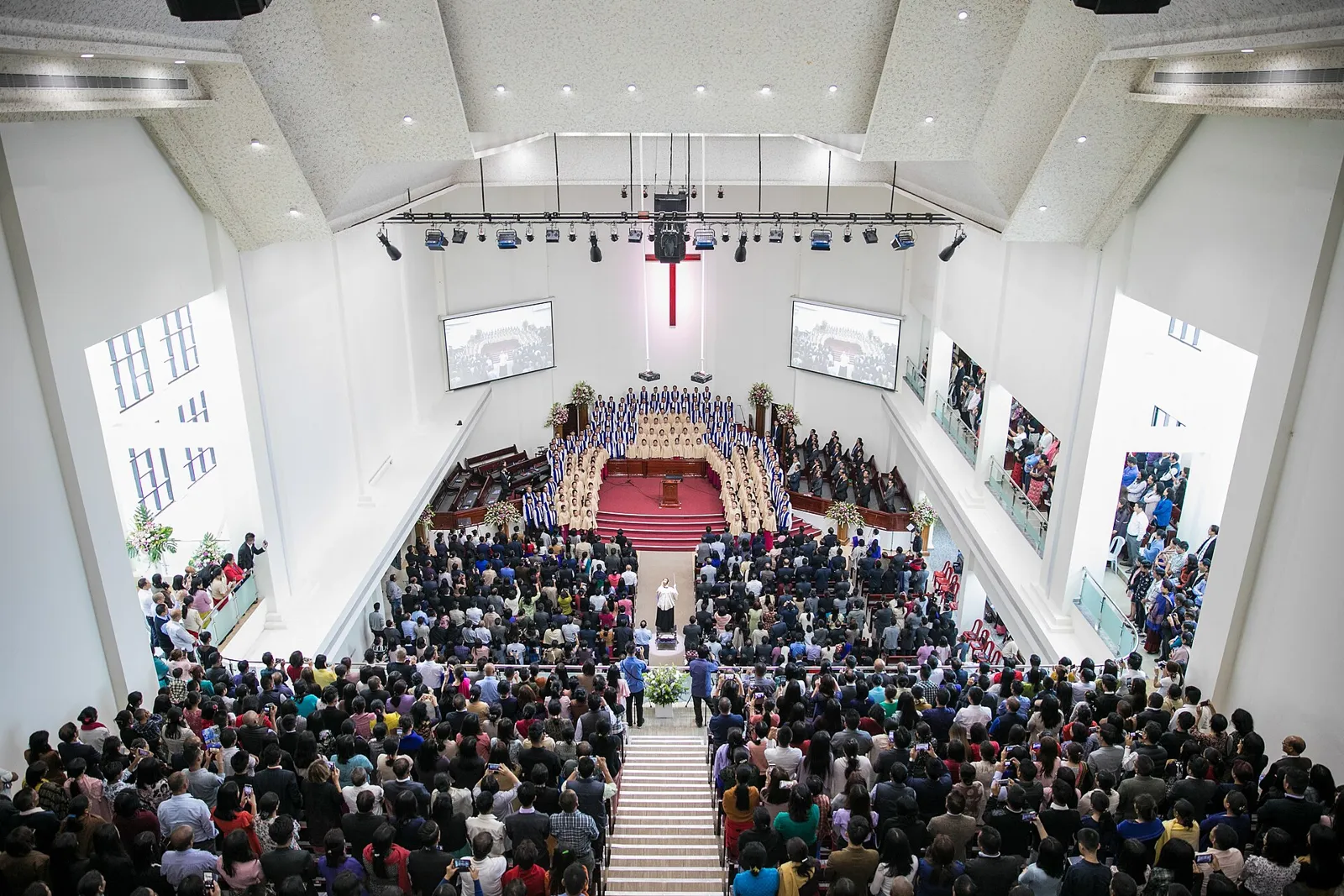
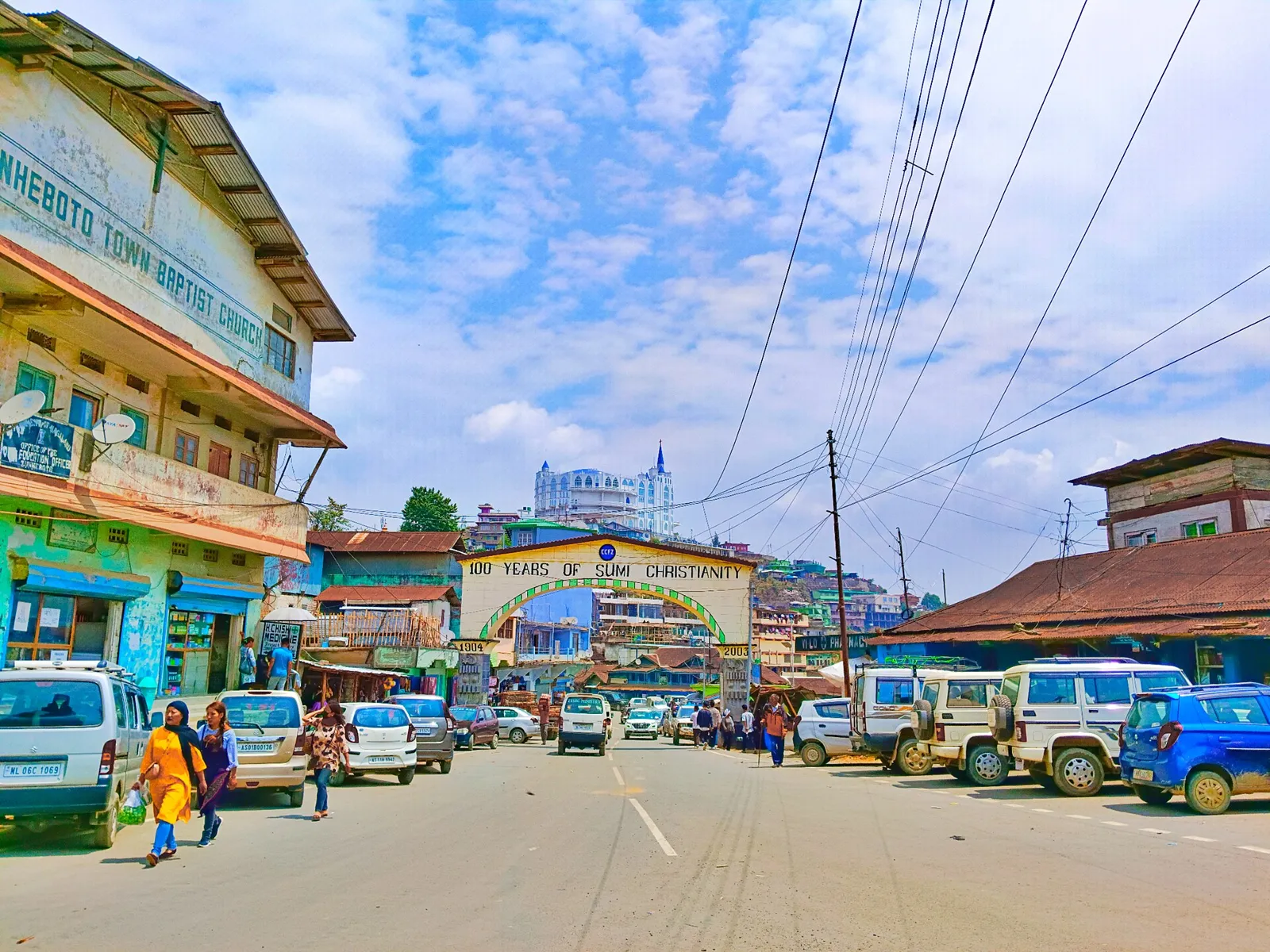
Nagaland is home to many Naga peoples, including Angami, Ao, Chakhesang, Konyak, Lotha, Sumi and other communities, each with its own histories and cultural expressions. Local languages belong chiefly to the Tibeto-Burman language family, and English is the state’s official language. Nagamese, an Assamese-based contact language, is widely used in everyday communication, alongside Hindi in some settings. Christianity is the predominant faith, while customary practices and local identities remain significant; beliefs and observances vary between individuals and communities. Morung traditions are associated with youth education, community life and the transmission of knowledge, although their forms have changed over time. Choral singing, contemporary music, folk songs, dance and storytelling all feature in cultural life.

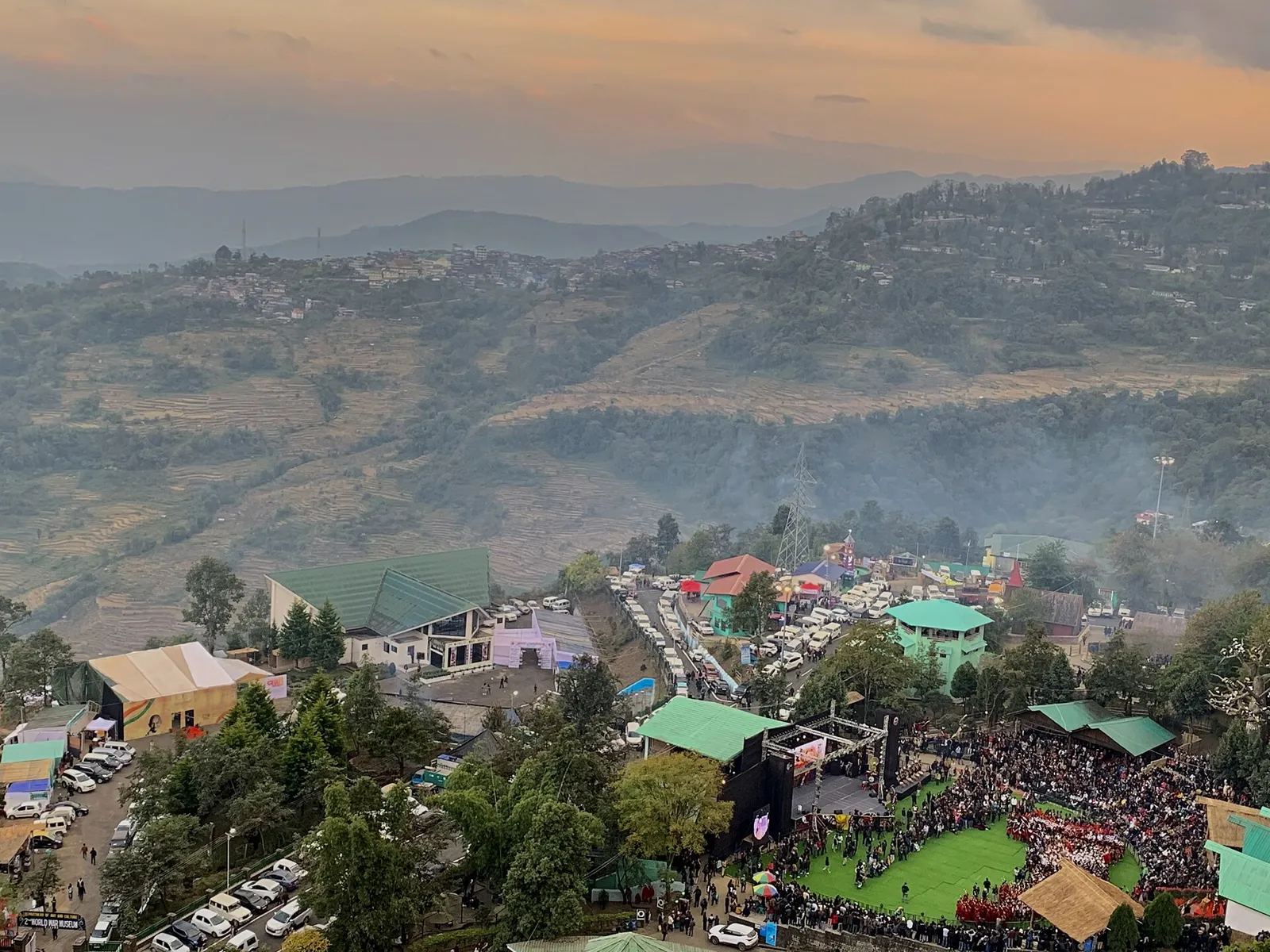
The Hornbill Festival, held in December at Kisama Heritage Village near Kohima, brings performances, crafts and food from across the state together, but it is not a substitute for visiting communities on their own terms. Sekrenyi, observed by Angami communities, is usually held in February; Ao communities celebrate Moatsu in May, after sowing. Other community festivals include Aoling among the Konyak, commonly in April, and Tuluni among the Sumi, generally in July. Dates and observances can vary, so check locally before planning around a festival. Visitors should ask before photographing people or ceremonies and follow hosts’ guidance. Traditional shawls, dances and designs carry community-specific meanings; they are not interchangeable symbols of one uniform culture.

Food & flavours

Rice is the central staple in Nagaland, commonly served with vegetables, greens, meat and pungent condiments. Smoked pork with bamboo shoot is a well-known dish: bamboo shoot may be fresh, dried or fermented, and the balance of smoke, chilli and sourness varies from cook to cook. Galho is a comforting rice-based preparation cooked with vegetables and sometimes meat, rather like a soft, savoury one-pot meal. Pork is widely eaten, while chicken, fish and other ingredients appear according to household preference, availability and community practice. Fermented soybean, often called axone or akhuni, adds a deep savoury flavour to stews and chutneys; anishi, made from fermented taro leaves, is another distinctive ingredient in some regional cooking.

Food differs across districts and communities, and home-style meals are often simpler and more seasonal than festival menus. Greens, beans, squash, herbs and locally grown chillies contribute freshness and heat. Naga Mircha, a notably hot chilli, is used sparingly or served as a condiment; Naga tree tomato brings a tart, aromatic note to chutneys and sauces. Fish and vegetables are important in places with access to rivers, gardens and local markets. Rice cakes and other preparations made from sticky rice offer a gentle sweetness, though dessert traditions are less prominent in many everyday meals than savoury dishes. Travellers can ask about chilli strength and fermented ingredients, and should mention dietary restrictions clearly, since recipes and preparation methods vary.

Crafts, textiles & what to buy

Handwoven textiles are among Nagaland’s most recognisable crafts. Shawls, wraps and cloths often use bold bands, geometric motifs and contrasting colours, but patterns and their meanings are specific to communities and, in some cases, to customary status or occasion. The Chakhesang shawl, woven by Chakhesang artisans in the Phek region, has GI recognition. Weaving remains a skilled practice as well as a source of income, and visitors can look for work through local cooperatives, craft centres and reputable shops rather than assuming every design is generic souvenir fabric. Ask makers about the cloth’s origin, materials and whether it is handwoven.

Other craft traditions include basketry, bamboo and cane work, wood carving, beadwork, and the making of tools and musical instruments. Availability varies by place; Dimapur and Kohima have the broadest selection of shops, while village visits may offer a closer connection to producers when arranged respectfully. Nagaland’s GI-recognised products also include Naga Mircha and Naga Tree Tomato, agricultural products rather than handicrafts, and their cultivation and sale support local producers. Choose items with clear provenance, buy directly when practical, and check current rules before carrying seeds, plants, wildlife products or antique-looking objects across borders or out of the country.

Getting there & getting around

Dimapur is Nagaland’s principal air and rail gateway. Dimapur Airport has domestic connections, while Dimapur railway station links the state to the wider Indian rail network; it is the main railhead for most visitors travelling onward by road. Kohima has no commercial airport or rail station, and journeys from Dimapur to the capital follow the National Highway 29 through hilly terrain. National Highway 2 is another important east–west route through Kohima toward Manipur and Assam. Road conditions, traffic, weather and occasional works can make journey times unpredictable, so build in generous travel days. Visitors approaching from outside the region may also compare flight connections through nearby state capitals, while checking onward transport and border arrangements.

Shared taxis and hired cars are common ways to travel between towns, and local taxis or other locally available transport serve shorter journeys. Public transport options and frequency are more limited in remote areas. Some village roads are narrow or unpaved, and destinations such as Dzukou Valley, Mount Japfü, Khonoma, Lungwa and villages in Mon district may require a combination of road travel and walking. For trekking, arrange suitable local guidance and confirm the route and conditions before setting out. Drivers familiar with hill roads are especially useful, and self-driving visitors should be comfortable with steep gradients and changing surfaces. Check current road access and transport arrangements locally; do not assume that a destination’s presence on a map means direct or year-round vehicle access.

When to go & travel tips

October to April is generally the most comfortable period for many road trips, with December bringing the Hornbill Festival at Kisama. Spring is rewarding for fresh growth and seasonal flowers, while higher routes and Dzukou Valley are best approached with current trail advice. The monsoon months bring lush scenery but also heavy rain, slippery paths, landslides and possible road delays. Winter evenings can be cold in Kohima and the hills, whereas Dimapur is usually milder. Conditions differ by elevation and district, so choose dates around the specific places you plan to visit rather than treating the state as one climate zone.

Pack layers, a waterproof jacket, sturdy footwear and a torch; trekkers should carry water, weather protection and any needed medicines. Indian citizens travelling from outside Nagaland generally need an Inner Line Permit; requirements and exemptions can change, so confirm the latest rules through official Nagaland government sources before departure. Foreign visitors should also verify current registration and travel requirements with official authorities. Seek permission before entering homes, photographing people or recording ceremonies, and follow local guidance on dress, sacred spaces and festival conduct. Keep plans flexible, share trekking intentions with someone, and avoid travelling on unfamiliar mountain roads after dark where possible.

Highlights

Where to begin

City by city

Cities & hubs of Nagaland

Every sight is grouped under its city — places within about 12 km together, day trips within 40 km alongside — even across district lines. Open a city to see its attractions.

See every city, town and village of Nagaland

More cities of Nagaland

Away from the cities — 7 more places by district

District discovery

Nagaland: 10 districts covered

Open a district to see its destinations and neighbours. More districts are added as our team writes them.

10 of 10 districts have destination guides

Destinations

Every guide in this state

Open a district to see its cities and towns, villages and places to see.

Chümoukedima1 place

Places to see

Dimapur2 places

Cities & towns

Kiphire2 places
Kohima10 places
Mokokchung3 places

Cities & towns

Mon2 places

Cities & towns

Villages

Peren2 places
Phek2 places

Cities & towns

Places to see

Wokha1 place

Places to see

Zunheboto1 place

Cities & towns

Festivals & fairs

The calendar here

Full calendar

1 Dec 2026 – 10 Dec 2026

Hornbill Festival

Naga Heritage Village, Kisama, near Kohima · Tribal

The Naga peoples' gathering of dance, song, food and craft.

ConfirmedNagaland

Festivals of Nagaland through the year

Usual season and where each is best known. Exact dates follow local calendars — linked festivals have dated guides.

  • Hornbill Festival1–10 DecemberKisama, Kohima district.
  • SekrenyiFebruaryAngami.
  • MoatsuMayAo community, Mokokchung.
  • AoleangAprilKonyak, Mon district.
  • MonyuAprilPhom community, Longleng.
  • TsungremongAugustAo community.
  • TuluniJulySumi community, Zunheboto.
  • YemsheOctoberPochury, Phek district.
  • ChristmasMajor statewide.
From travellers and locals

Be the first to share photos, stories, advice or a helpful contact for Nagaland.

Loading…