
Ghumoopedia — Explore, Discover, Experience
Sign in
Zünheboto, near Zünheboto

City guide · Nagaland

Zünheboto

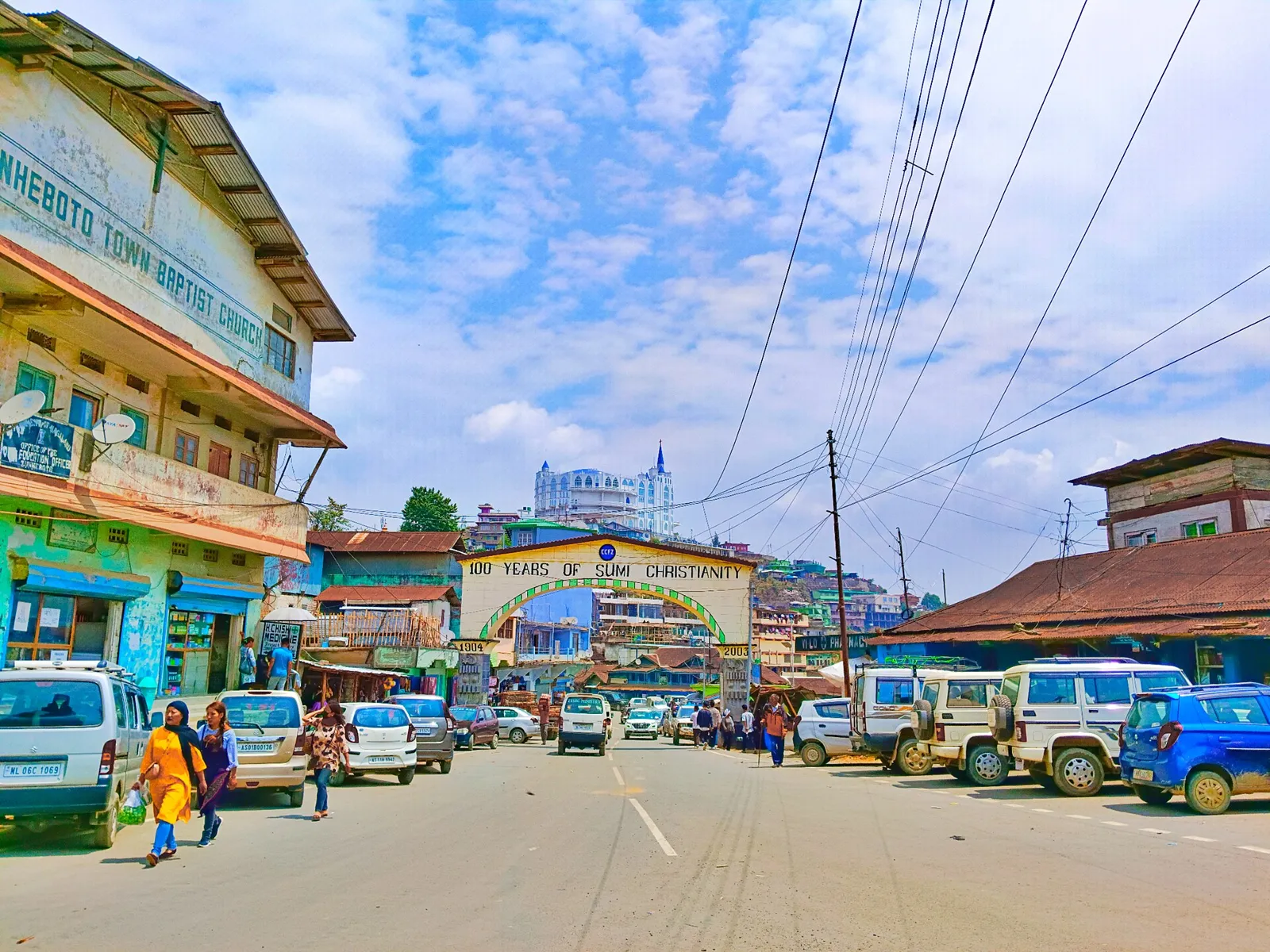
Zünheboto is a Nagaland town in its namesake district, inhabited by Sümi Nagas. Visitors may come to see the Sümi Baptist Church, counted among Asia’s largest Baptist churches.

Famous for

  • Sümi Baptist Church
  • Sümi Naga culture
  • Tuluni and Ahuna festivals
  • Satoi Range landscapes
  • Zünhebo flower name
In the city
1
District
Zunheboto

Why Zünheboto matters

Zünheboto is an important town in Nagaland’s Sümi Naga heartland and the administrative centre of Zünheboto district. Its significance comes from its role as a regional hub for public services, education, worship and everyday trade, as well as its strong connection to Sümi identity and community life. The Sümi Baptist Church is a prominent landmark and a major place of worship for the region.

Visitors come to experience the town’s hill setting, local markets and cultural traditions, and to explore the surrounding countryside, including the Satoi Range. The name Zünheboto combines zünhebo, a flowering shrub found in the area, with to, meaning hilltop: a reference to the plant-covered slopes on which the town stands. The landscape and climate give the town a distinct feel, with cool winters and very rainy summers. Zünheboto is not primarily a resort or a large commercial centre; its appeal lies in its living culture, religious institutions and position as a gateway to the district’s villages and natural surroundings.

Famous for: crafts, trade & products

Zünheboto is best known for its Sümi Naga heritage and religious institutions rather than for a major factory industry or a widely recognised, city-specific craft. The Sümi Baptist Church is a defining institution and an important gathering place. The town also serves as a local centre for government services and trade, with shops and markets catering mainly to residents and people from nearby communities.

Local markets are the practical places to look for everyday goods and regional produce. Depending on the season, visitors may find vegetables, rice, preserved foods and ingredients used in Naga cooking. Handwoven textiles, shawls, baskets and other handmade goods are part of wider Naga craft traditions, but Zünheboto is not especially known as a large-scale textile or craft-production centre. Ask locally about Sümi-made items and their makers rather than expecting a dedicated craft bazaar. There is no well-established city-specific GI-tagged product to seek out. For visitors, the most meaningful purchases are often locally made or grown goods bought directly from small shops and market sellers.

History

Zünheboto grew as a Sümi Naga settlement in a region where community life traditionally centred on villages and their local institutions, rather than on a single royal court. During the colonial period, British administration expanded through the Naga Hills, bringing new political and administrative structures to the area. Christian missions also became influential, and Baptist congregations developed into important centres of worship, education and community organisation.

In the modern era, Zünheboto became a district headquarters and grew as a service centre for surrounding settlements. Nagaland’s formation as a state in 1963 and the development of district administration shaped its contemporary role. Zünheboto district was established in 1973, strengthening the town’s position as a hub for government offices, commerce and public services. The town’s development has remained closely tied to the needs and traditions of Sümi communities, even as roads, institutions and links with other parts of Nagaland have expanded.

Food, festivals & culture

Sümi Naga identity is central to daily life in Zünheboto. Sümi is widely used within the community; Nagamese and English are also useful in public settings. Rice is a staple, often served with meat, leafy greens, chillies and regional ingredients such as bamboo shoot or fermented foods. Smoked and preserved foods are common across Naga cooking, though recipes and preferences vary between households. Visitors can look for local dishes at small eateries and ask about ingredients and preparation.

Tuluni, generally celebrated in July, is an important Sümi festival associated with community gatherings and the agricultural season. Ahuna, usually observed around the post-harvest period in November, is another major Sümi celebration, centred on thanksgiving and the new harvest. Traditional song, dance and communal feasting feature in cultural life, alongside contemporary church and community events. Baptist Christianity is prominent, and the Sümi Baptist Church is a significant place of worship. Visitors should be considerate around services and cultural gatherings and seek permission before photographing people or ceremonies.

Visiting the city

The more comfortable period to visit is generally October to April, when conditions are less rainy; December to February can be cold, especially at night. Summer monsoon months bring heavy rain, which can affect road journeys. The nearest airport is Dimapur Airport, and Dimapur Railway Station is the main railhead for onward travel by road. There is no railway station in Zünheboto.

Road travel is the main way to reach and get around the town. Local taxis and shared vehicles may be available, while walking is practical around the central areas. Explore the town centre, market streets and the surroundings of the Sümi Baptist Church for a sense of everyday life. The town’s ridges and the countryside toward the Satoi Range offer wider landscape interest; ask locally about road and weather conditions before setting out. Allow time for slow journeys and changing mountain weather.

Attractions

Places to visit in Zünheboto

Sights within about 12 km of each other, even when they fall in different districts.

Map

Zünheboto on the map

  1. 1Zünheboto

Nagaland

Other cities to explore