
Ghumoopedia — Explore, Discover, Experience
Sign in
Wokha, near Wokha

City guide · Nagaland

Wokha

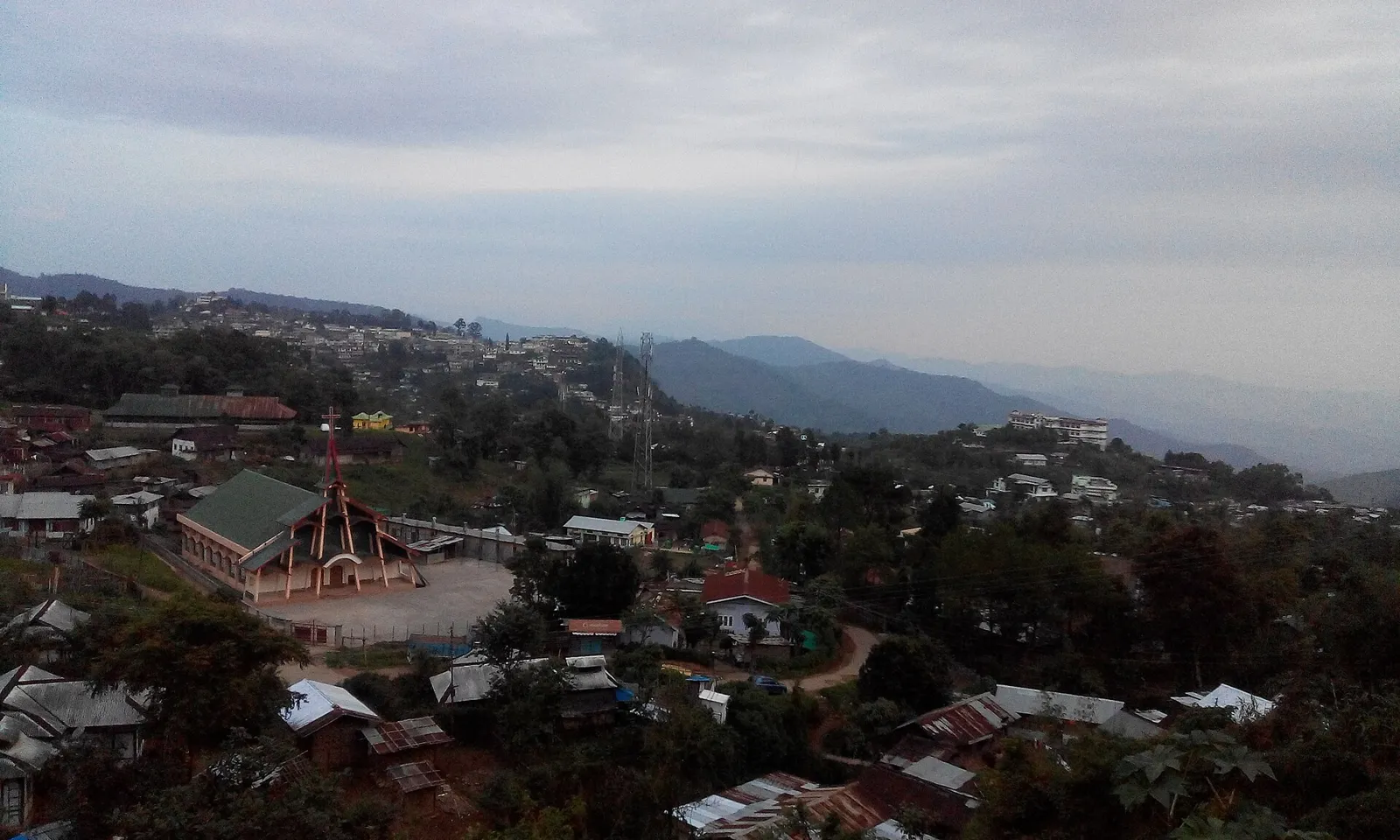
Wokha is the administrative headquarters of Wokha District in Nagaland and an important centre for the Lotha Naga community. Set among green hills about 75 kilometres north of Kohima, it serves as a base for travel through the district and a meeting point for local administration, trade and education.

Famous for

  • Lotha Naga heritage
  • Tokhu Emong festival
  • Wokha oranges
  • Mount Tiyi
  • Doyang Reservoir birdlife
  • Lotha shawl weaving
In the city
1
District
Wokha

Why Wokha matters

Wokha is the administrative headquarters of Wokha District in Nagaland and an important centre for the Lotha Naga community. Set among green hills about 75 kilometres north of Kohima, it serves as a base for travel through the district and a meeting point for local administration, trade and education. Lotha traditions shape the town’s language, celebrations, food and crafts, giving visitors a sense of Nagaland beyond its larger centres.

The surrounding district is a draw for its hill scenery, village life and seasonal produce. Nearby Mount Tiyi is associated with local stories and offers a destination for walks, while Doyang Reservoir is known for its landscapes and the seasonal arrival of Amur falcons. Wokha is also associated with oranges grown in the region and with Tokhu Emong, the Lotha post-harvest festival. Visitors will find a quieter, more locally focused experience here than in the state capital, with the town’s markets and churches offering glimpses of everyday life.

Famous for: crafts, trade & products

Wokha’s best-known local products are linked to Lotha culture and the district’s farming communities. Handwoven shawls and traditional garments are valued for their patterns and cultural significance; bamboo and cane work are also part of the wider craft tradition. Oranges are a familiar seasonal crop, alongside other local fruits and vegetables. These are regional products rather than a large-scale industrial or textile trade, and availability varies with season.

The town bazaar and small shops are the most practical places to look for everyday produce, locally made items and traditional clothing. Ask locally about crafts from nearby villages, since some are made in small quantities and may not be stocked consistently in town. Wokha is not especially known for a major factory industry or a dedicated craft market, and visitors should not assume that every product is available year-round. The area’s identity rests more on Lotha heritage, agriculture and community life than on a single commercial speciality. No particular Wokha product should be treated as GI-tagged without checking current official listings.

History

Wokha became an administrative centre during British rule. In 1876, the British established it as the headquarters of the Naga Hills, then part of Assam. The headquarters moved to Kohima in 1878, but Wokha continued as a subdivision. In 1889, that subdivision was transferred to Mokokchung, changing the town’s administrative role while leaving it an important settlement in the region.

After independence, Wokha became a subdivision under the Naga Hills-Tuensang Area in 1957. It was made a district in 1973, giving it a renewed role as a centre for public administration and services. The town’s growth has since been closely tied to its position as the district headquarters and to road connections with Kohima and other parts of Nagaland. Its history also reflects the wider changes in administration across the Naga Hills, while Lotha community traditions remain central to local identity.

Food, festivals & culture

Lotha Naga culture is central to life in Wokha. Tokhu Emong, generally celebrated in November after the harvest, is the community’s best-known festival. It is a time for feasting, visiting, sharing and cultural performances, with songs and dances reflecting local customs. Nagaland’s Hornbill Festival is held in December near Kohima, but Tokhu Emong is the festival most closely associated with Wokha and the Lotha community.

Rice is a staple, often served with meat, vegetables, fermented foods and bamboo shoot. Smoked pork and other Naga-style dishes can be found in local eateries, though menus vary; there is no single signature sweet for which Wokha is especially known. Lotha is widely spoken locally, alongside Nagamese and English. Church life is prominent, particularly through Baptist congregations, and churches are important community spaces. Visitors can experience local culture most naturally through the town’s markets, community events and respectful participation in festival activities when invited.

Visiting the city

October to April is generally a comfortable time to visit, with cooler, drier conditions than during the monsoon. The rainy season can make road travel slower, so check local conditions before setting out. Dimapur Airport is the nearest airport, and Dimapur Railway Station is the main rail gateway; onward travel to Wokha is by road. Kohima is about 75 kilometres away, though journey times depend on road conditions.

Shared taxis and other road transport connect Wokha with nearby towns, while local taxis are useful for getting around. The town centre and bazaar are good places to begin exploring everyday life and local shops. For scenery and excursions, ask locally about routes to Mount Tiyi and Doyang Reservoir, as these are outside the central town and transport arrangements may vary. Respect local customs when visiting villages and churches.

Attractions

Places to visit in Wokha

Sights within about 12 km of each other, even when they fall in different districts.

Map

Wokha on the map

  1. 1Wokha

Nagaland

Other cities to explore