
Ghumoopedia — Explore, Discover, Experience
Sign in
Mokokchung, near Mokokchung

City guide · Nagaland

Mokokchung

Mokokchung is a municipality in Nagaland and the administrative seat of its district. Visitors may come to learn about its role as a cultural centre for the Ao people and a hub of regional life.

Famous for

  • Ao cultural heritage
  • Moatsu festival
  • Ao handwoven textiles
  • Naga hilltop scenery
  • Local smoked pork
In the city
3
District
Mokokchung

Why Mokokchung matters

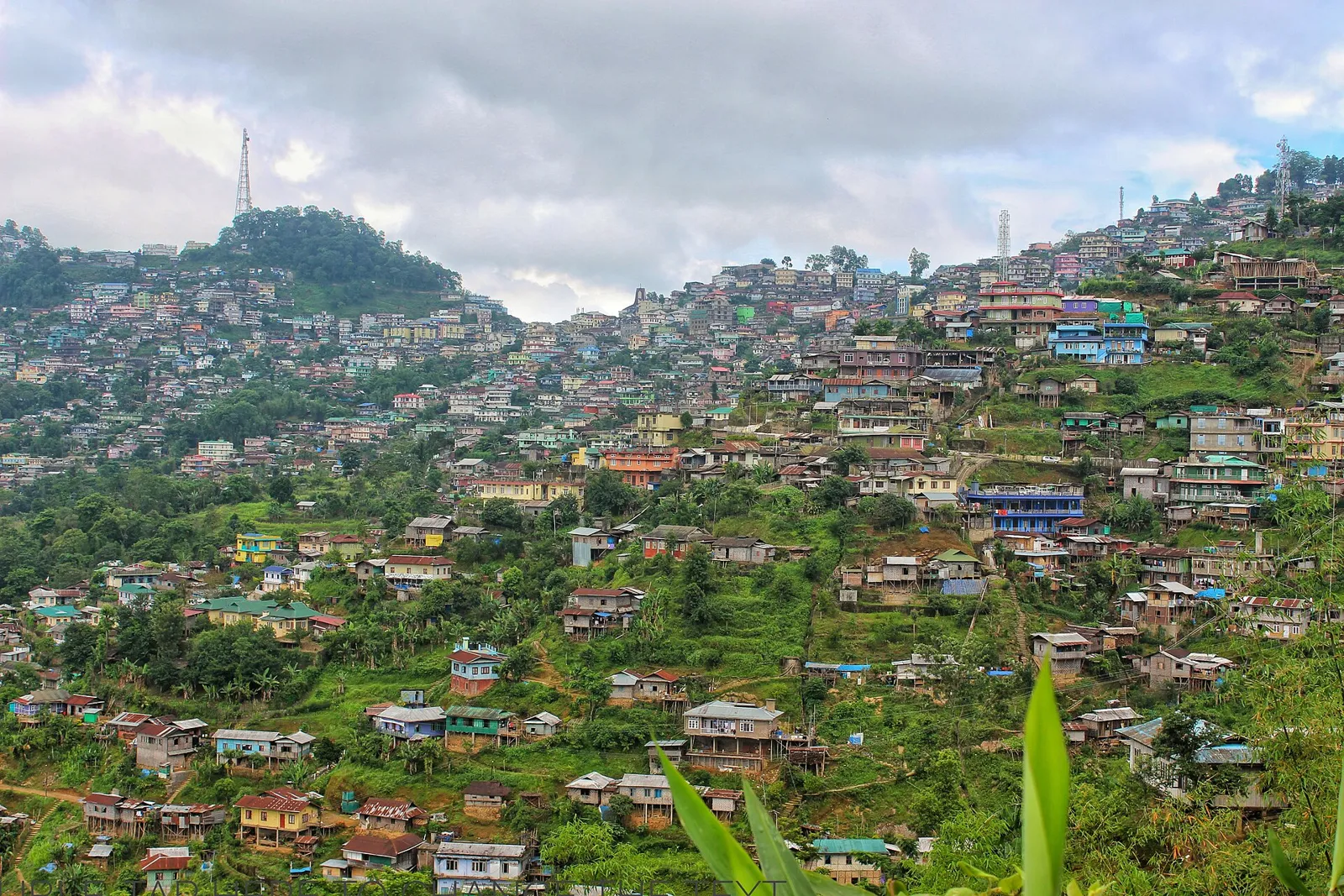
Mokokchung is the administrative headquarters and principal urban centre of Mokokchung District in northern Nagaland. It is widely regarded as the cultural heartland of the Ao people, and offers a base for learning about Ao history, community life and traditions. Its hillside setting, misty monsoon weather and surrounding green ridges give the town a distinctive character, while its shops, schools and public institutions serve residents from across the district.

Visitors come for the town’s cultural connections and as a starting point for nearby Ao villages, where local architecture, stories and customs are closely tied to community identity. The annual Moatsu celebrations are among the best-known expressions of Ao culture. In town, neighbourhoods and viewpoints offer glimpses of everyday life as well as broad views over the hills. Mokokchung is not a large resort destination; its appeal lies in its role as a living regional centre, its welcoming community traditions and the chance to explore this part of Nagaland at a slower pace.
Famous for: crafts, trade & products

Mokokchung is best known for Ao cultural life rather than for a single signature industry or nationally recognised craft market. Ao handwoven shawls and other textiles, beadwork, and bamboo or cane items reflect skills practised across the region. Designs and availability vary, and many pieces are made for community use or sold through local networks rather than formal tourist shops. Ask locally about current makers and places to buy directly, and seek permission before photographing artisans or their work.

The town’s everyday markets are useful places to browse local produce and household goods, and to encounter ingredients used in Naga cooking, including smoked meat, fermented foods, chillies and seasonal greens. Mokokchung also functions as a centre for district administration, education and commerce; these institutions and services are a major part of its regional importance. There is no need to expect a dedicated craft district or a particular GI-tagged product as a defining feature of the town. For a more personal introduction to Ao material culture, visitors can ask community hosts or cultural organisations about local exhibitions, festivals and village visits, where crafts are often better understood in their cultural context.

History

Mokokchung grew as a hill settlement and later became an administrative centre for the surrounding area. In the latter part of the nineteenth century, the British-led Assam Rifles established an outpost, then known as a stockade, in the area now associated with DC Hill. Early town growth gathered around this post as colonial administration extended eastwards into the Naga Hills. The settlement’s position helped it develop into a centre of government and trade.

After India’s independence and the formation of Nagaland as a state in 1963, Mokokchung continued to expand as the headquarters of its district and as a focal point for Ao public and cultural life. The town also carries a painful chapter in modern history. On 27 December 1994, a raid by personnel of the Assam Rifles and the Indian Army led to civilian deaths and extensive destruction of homes, shops and vehicles. Locally remembered as Ayatai Mokokchung, the event remains part of public memory and discussions of Naga political history.

Food, festivals & culture

Ao traditions are central to life in Mokokchung. Moatsu, usually celebrated in May after sowing, is a major Ao festival associated with community gatherings, songs, dances and feasting. Tsungremmong, generally observed in August around the harvest season, is another important celebration. Festival events and customs can vary between communities, so visitors should check locally before planning around them.

Meals commonly centre on rice, accompanied by pork, fish, leafy vegetables and chillies. Smoked meat and fermented ingredients such as axone (fermented soybean) or bamboo shoot feature in Naga cooking; recipes and levels of heat differ from household to household. Ao is widely spoken, alongside Nagamese and English, with other languages heard through the town’s connections across Nagaland. Community singing, contemporary music and traditional dance all have a place in cultural life. Churches, especially Baptist congregations, are prominent in the town; visitors should dress respectfully and ask before attending services or photographing worshippers.

Visiting the city

For clearer skies and more comfortable road travel, October to April is generally a good time to visit. The monsoon months bring rain and frequent mist, which can limit views and slow journeys; carry warm layers for cooler conditions. The nearest airport commonly used for Mokokchung is Jorhat Airport in Assam, while Mariani Junction is a useful nearby railway station. Both require onward road travel, so confirm current connections before setting out.

Taxis and shared road transport are the practical ways to reach the town and travel around it; local advice can help arrange trips to nearby villages. Within Mokokchung, explore the central market area and the older administrative quarter around DC Hill, then take time in neighbourhoods such as Kumlong, Sangtemla, Alempang or Yimyu. Nearby Ao villages, including Ungma, make rewarding excursions for visitors interested in local heritage. Ask residents before entering community spaces or taking photographs.

Attractions

Places to visit in Mokokchung

Sights within about 12 km of each other, even when they fall in different districts.

Map

Mokokchung on the map

  1. 1Mokokchung
  2. 2Mopungchuket
  3. 3Ungma

Nagaland

Other cities to explore