Ghumoopedia — Explore, Discover, Experience
Sign in
Kohima, near Kohima

City guide · Nagaland

Kohima

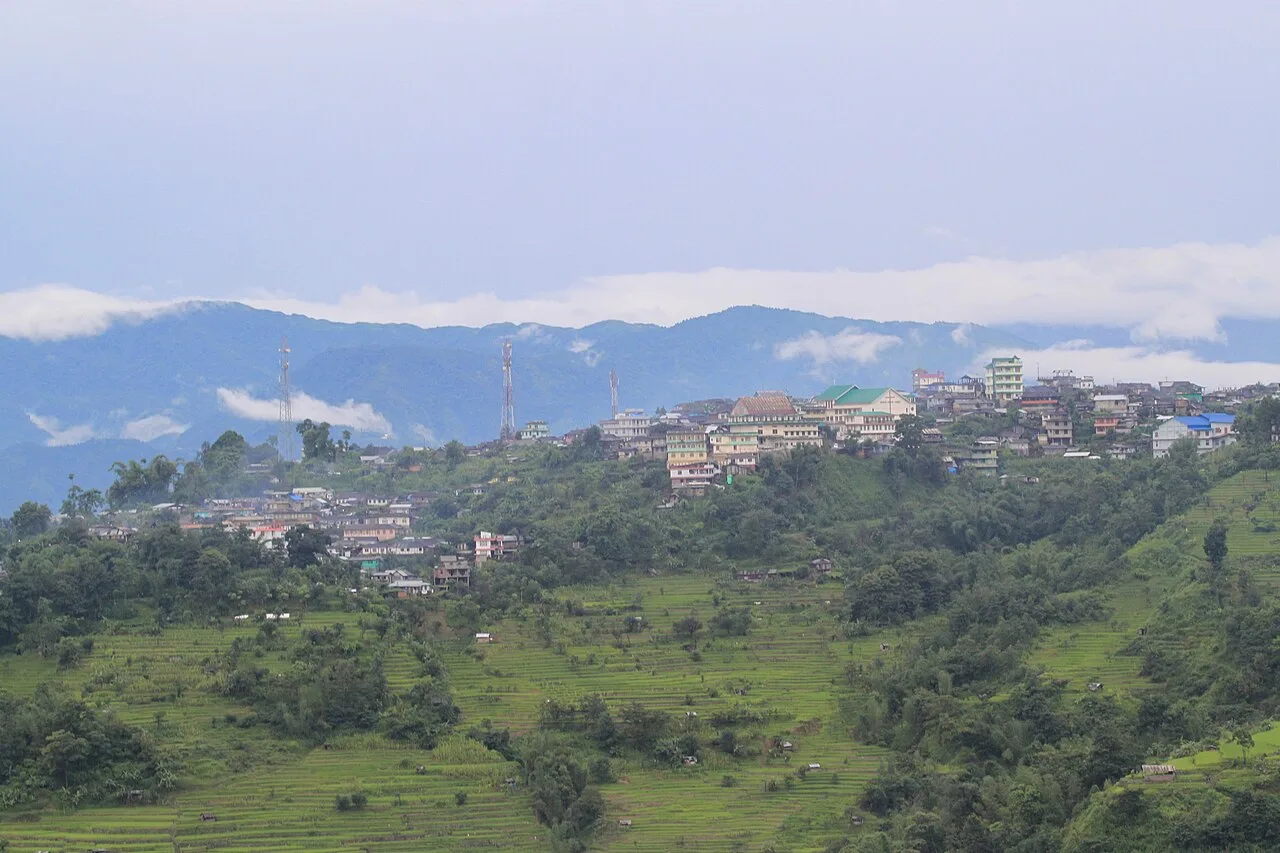
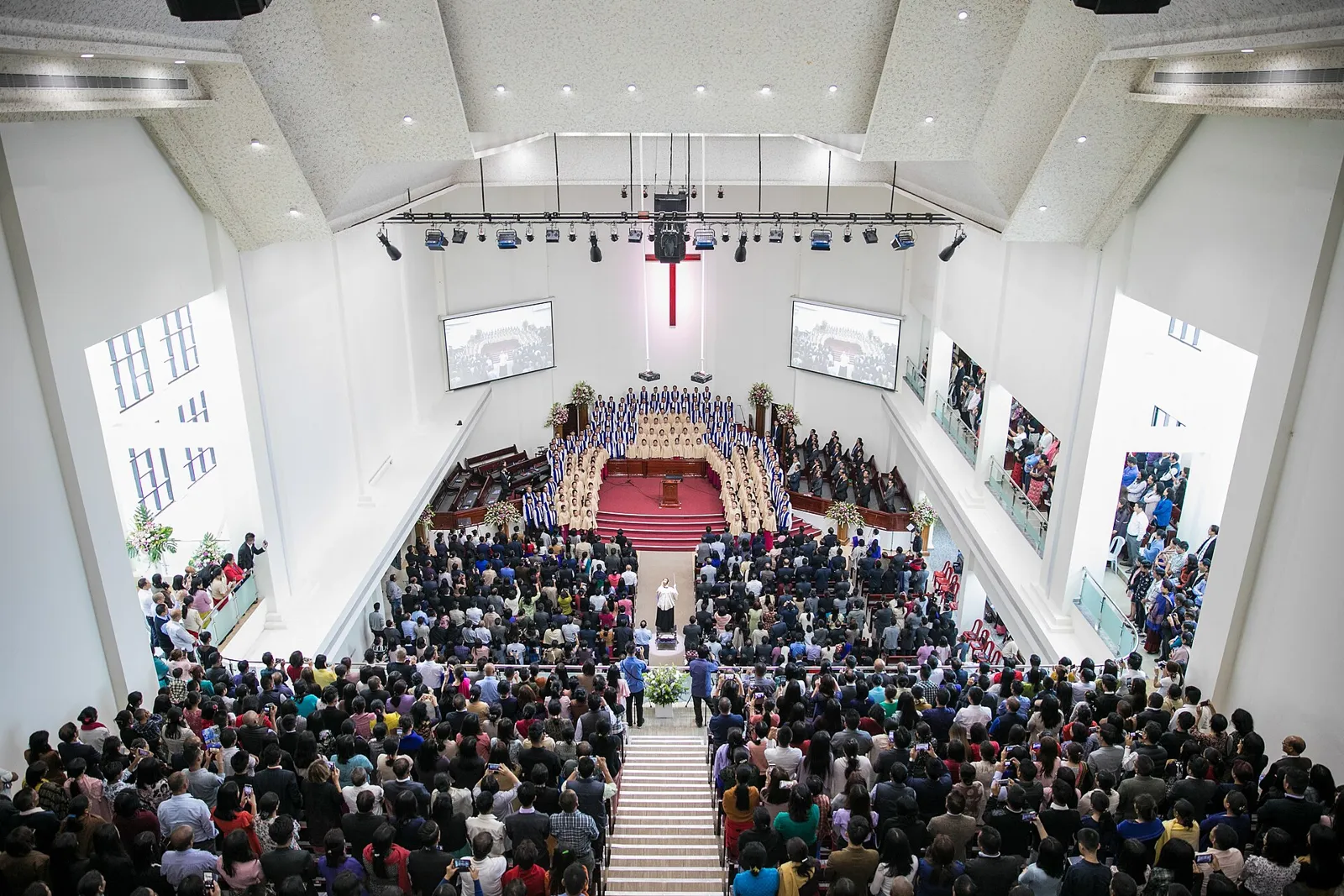
Nagaland’s capital, Kohima draws visitors interested in its Angami heritage and its association with the 1944 Battle of Kohima, a significant episode of the Second World War.

Famous for

  • Battle of Kohima
  • Kohima War Cemetery
  • Hornbill Festival
  • Angami Naga heritage
  • Naga food and crafts
In the city
9
District
Kohima

Why Kohima matters

Kohima is the capital of Nagaland and the state’s principal centre for government, education and regional services. Set among steep, green hills in the south of the state, it is also a gateway to Angami Naga communities and to the wider landscapes of Nagaland. Its hillside setting, lively local markets and distinctive food make the city a rewarding stop for travellers exploring the northeast.

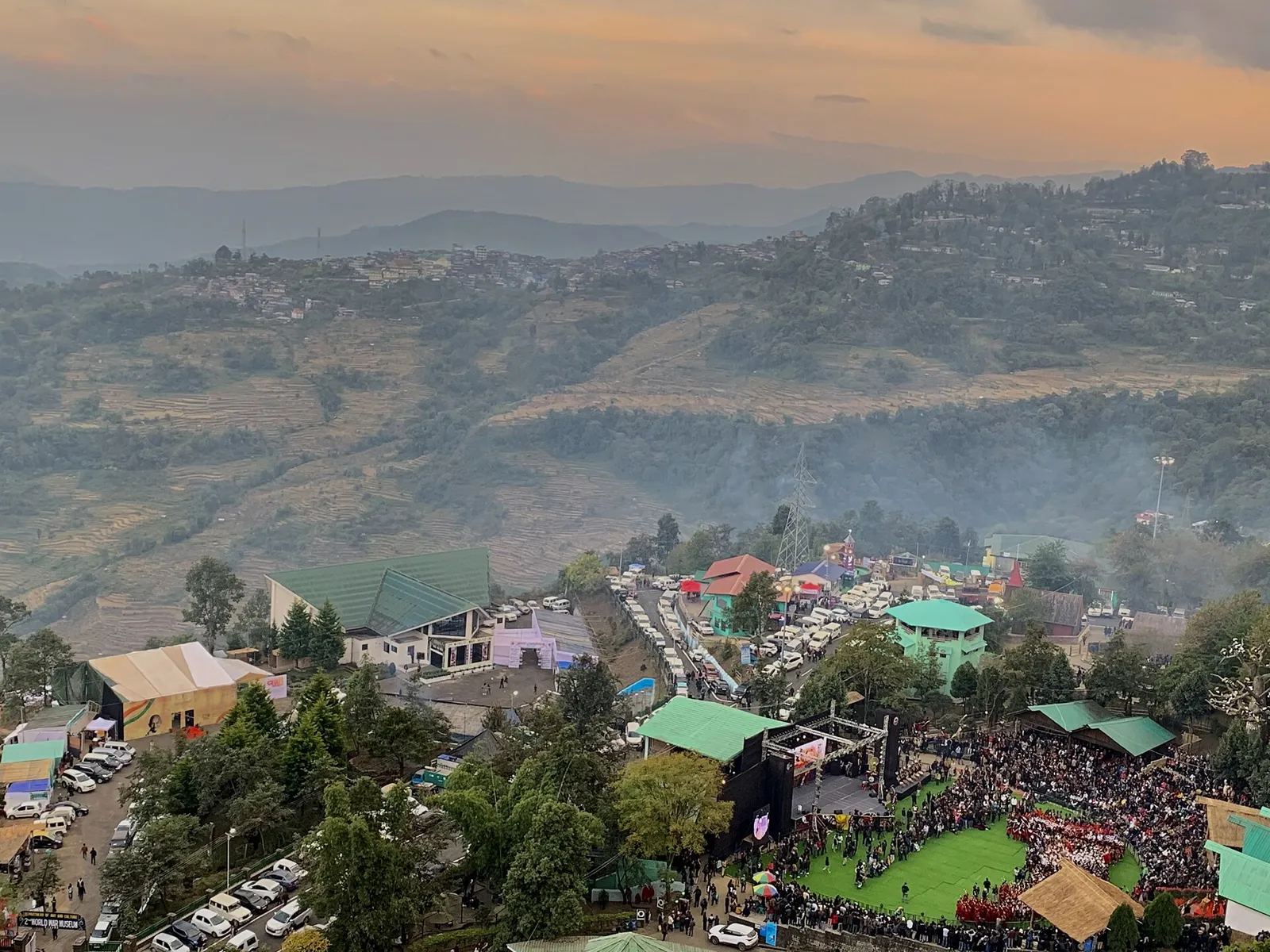
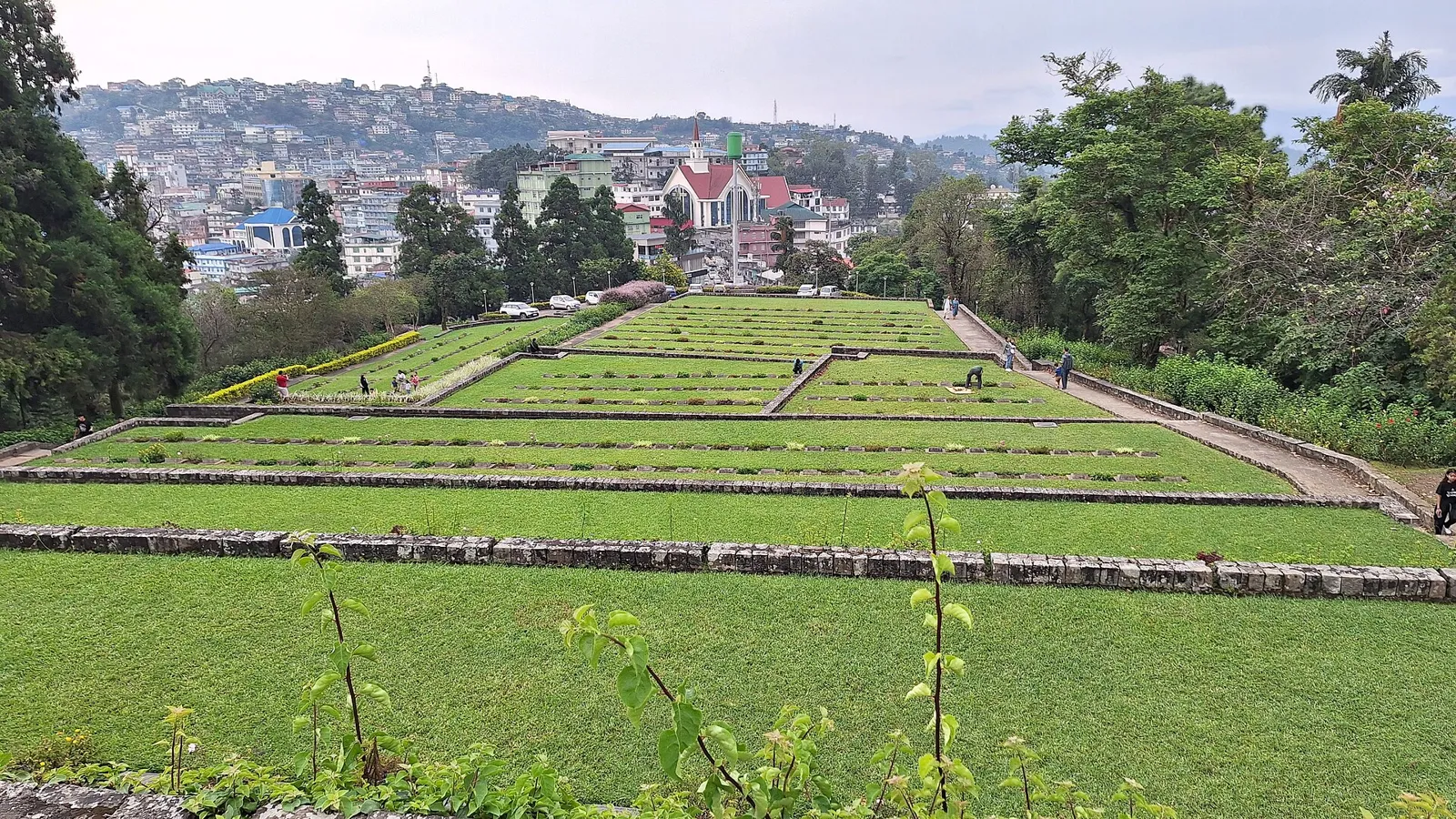
Kohima is internationally remembered for the 1944 Battle of Kohima, a pivotal campaign of the Second World War. The Kohima War Cemetery, on Garrison Hill, commemorates Allied soldiers and marks the site of fierce fighting. Visitors also come for the Hornbill Festival, held at Kisama Heritage Village near the city, where Naga communities present traditional arts, food, music and dance. In Kohima itself, churches, neighbourhoods and cultural institutions offer a glimpse of contemporary Naga life alongside enduring community traditions. The city’s blend of history, living culture and mountain scenery gives it importance well beyond its role as the state capital.
Famous for: crafts, trade & products

Kohima is known more for Naga community traditions and regional produce than for a large textile or manufacturing industry. Handwoven shawls, with patterns and colours associated with different Naga communities, are among the most recognisable crafts. Bamboo and cane work, woodcarving, bead jewellery and other handmade items can be found in local craft shops and at cultural events. Kisama Heritage Village is a particularly good place to encounter artisans and traditional designs, especially during the Hornbill Festival.

Central Kohima’s shops and markets offer everyday goods as well as local ingredients and seasonal produce. Look for smoked and dried foods, fermented soybean products such as axone, bamboo shoot and Naga king chilli. Naga Mircha and Naga tree tomato are distinctive state products, though they are cultivated beyond the city and availability in Kohima varies. Festival stalls and specialist shops are useful places to look for packaged local products and crafts. Kohima is primarily an administrative and cultural centre, rather than a major industrial or textile-production hub; visitors seeking souvenirs should ask locally about current craft outlets and market access.

History

Kohima was originally known as Kewhira, an Angami Naga village. Local oral tradition connects its founding with Tsiera and describes the settlement as having a long history. The name Kewhira is associated with the idea of people gathering and forming a village. The area later became an important colonial administrative centre as British authority expanded into the Naga Hills. In 1878, the British established the headquarters of the Naga Hills District at Kohima.

In 1944, during the Second World War, Japanese forces advanced towards India and fought Allied troops around Kohima. The Battle of Kohima, fought alongside the Battle of Imphal, became a turning point in the Burma campaign. The cemetery on Garrison Hill now commemorates those who died in the fighting. When Nagaland became a state in 1963, Kohima was named its capital. Since then, government offices and civic services have helped shape its modern role, while its neighbourhoods and surrounding villages continue to reflect Angami Naga heritage.

Food, festivals & culture

Rice is the staple of Kohima’s food, commonly served with pork, smoked meat, vegetables and seasonal greens. Local cooking often uses bamboo shoot, fermented soybean known as axone, and chilli, including the fiery Naga king chilli. Dishes vary between households and communities, so market eateries and local restaurants are good places to ask what is in season. The city’s food culture is closely connected to Nagaland’s village and farming traditions.

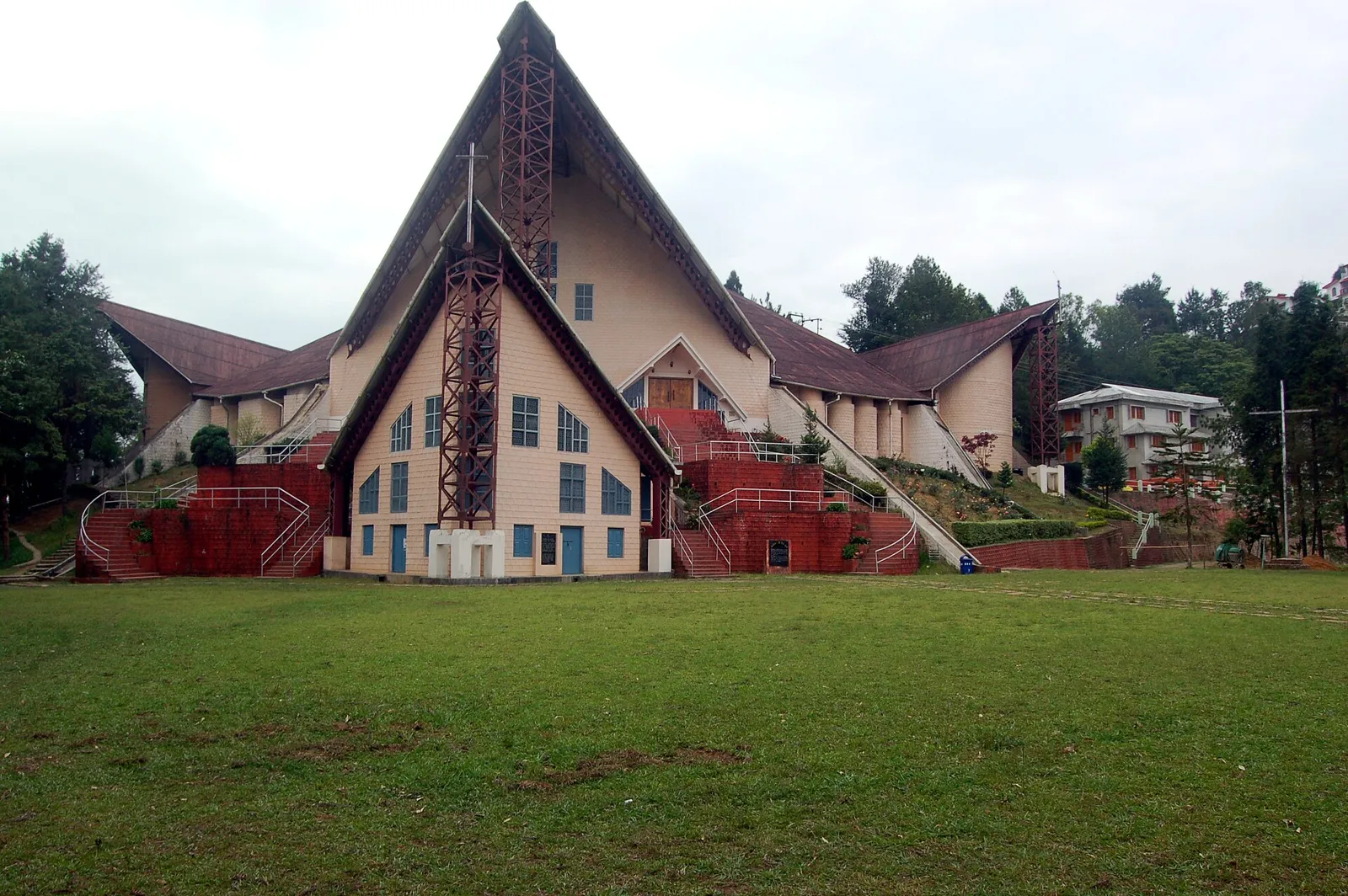
The Hornbill Festival, held at Kisama Heritage Village in early December, brings together performances, crafts, food and cultural displays from communities across Nagaland. The Angami festival Sekrenyi is generally observed in February, with ceremonies and community gatherings. Tenyidie, the language of the Angami, is widely associated with Kohima; English and Nagamese are also used. Traditional songs, dances and contemporary Naga music are part of public celebrations and community life. Christianity is prominent, and churches are important gathering places; the Catholic Cathedral of Mary Help of Christians is a notable landmark in the city.

Visiting the city

October to May is generally a comfortable period to visit, with cooler weather in the winter months; June to September brings much of the monsoon rain. Early December is especially lively during the Hornbill Festival at Kisama Heritage Village, a short drive from central Kohima.

The nearest airport is Dimapur Airport, and the main railway connection is Dimapur Railway Station. From Dimapur, visitors can continue to Kohima by road. Within the city, taxis and shared local vehicles are practical options, though the steep, winding roads can make short distances take time. Explore central Kohima for shops, civic landmarks and churches, and visit Garrison Hill for the Kohima War Cemetery. Kisama offers a closer look at Naga cultural architecture and traditions; nearby viewpoints and neighbourhoods provide changing views across the hills.

Attractions

Places to visit in Kohima

Sights within about 12 km of each other, even when they fall in different districts.

Kohima

Kohima district

Kohima

Nagaland’s capital, Kohima draws visitors interested in its Angami heritage and its association with the 1944 Battle of Kohima, a significant episode of the Second World War.

Dzukou Valley

Kohima district

Dzukou Valley

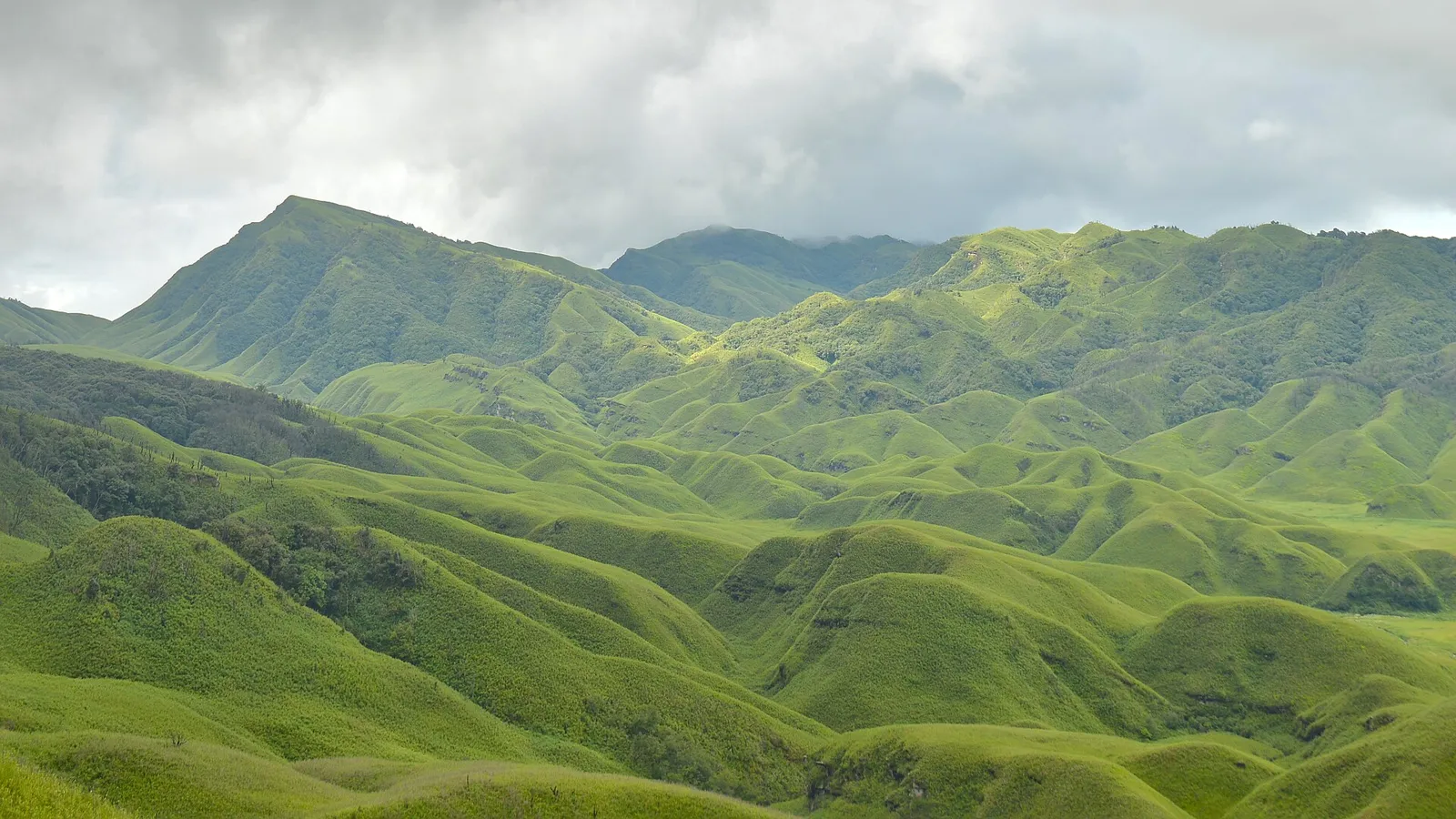
Dzukou Valley is a mountain grassland spanning the Nagaland–Manipur boundary. Visitors come to trek across its rolling meadows and see seasonal flowers and wildlife.

Kohima district

Dzüleke

Dzüleke is a village in Nagaland’s Kohima District. Travellers interested in visiting villages in the state may include it in their plans.

Khonoma

Kohima district

Khonoma

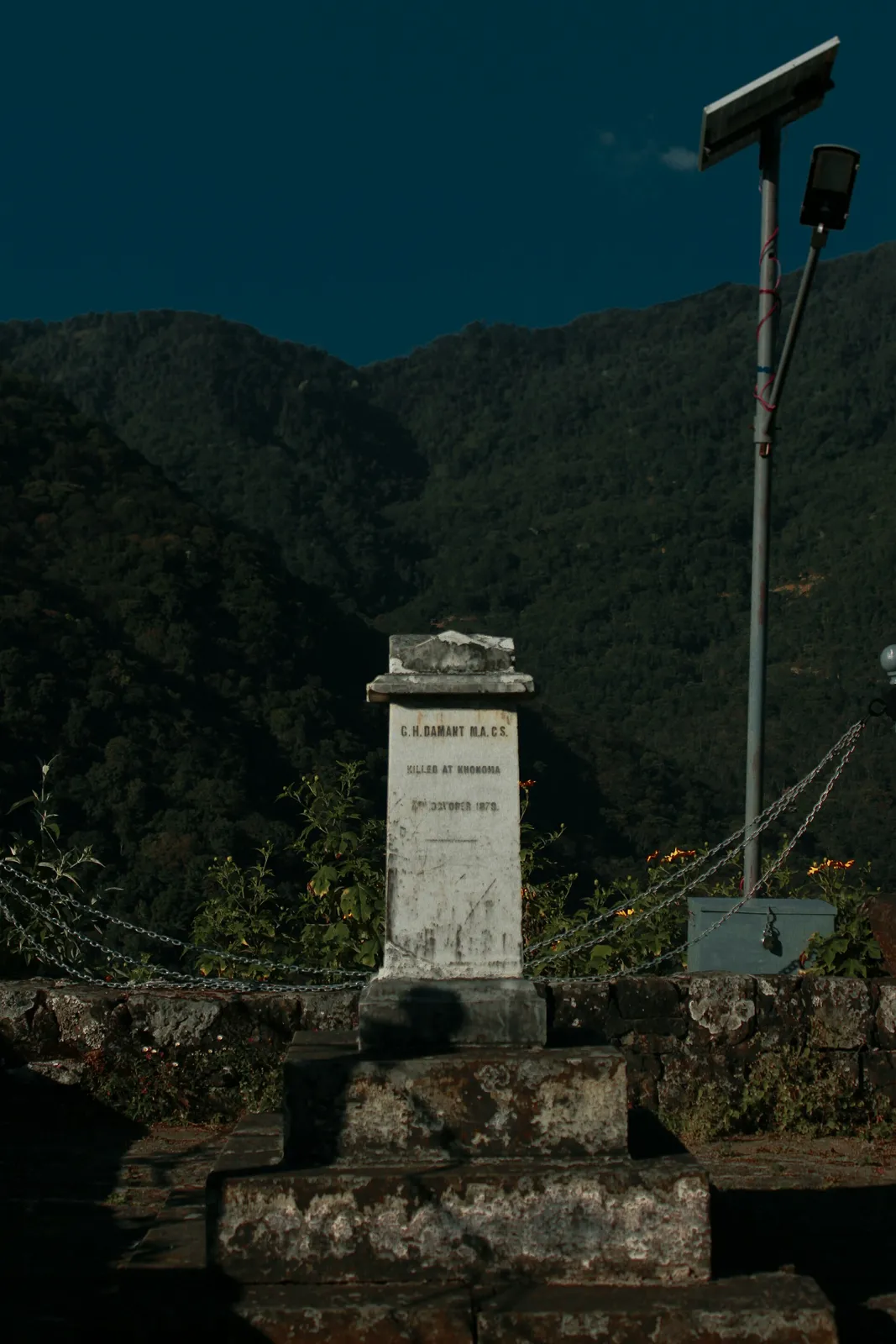
Khonoma is a Western Angami Naga village in Nagaland, roughly 20 km west of Kohima. Visitors know it for its distinction as the first green village in India and Asia.

Kigwema

Kohima district

Kigwema

Kigwema is a settlement in southern Nagaland, within Kohima District. Visitors locating the village can use its position south of Kohima, the state capital, as a reference.

Kisama Heritage Village

Kohima district

Kisama Heritage Village

Kisama Heritage Village, also called Naga Heritage Village, is a cultural site in Kohima district, Nagaland. Visitors come to see morungs representing the state’s 17 ethnic groups and to attend the annual Hornbill Festival.

Kohima War Cemetery

Kohima district

Kohima War Cemetery

Kohima War Cemetery in Nagaland commemorates Allied soldiers who died during the 1944 fighting at Kohima. Visitors come to pay their respects and remember those lost in the Second World War.

Mary Help of Christians Cathedral

Kohima district

Mary Help of Christians Cathedral

This Catholic cathedral is the principal church of Kohima’s diocese in Nagaland. Visitors come to see its Naga-inspired architecture and carved cross, and to reflect on its memorial links to the Battle of Kohima.

Kohima district

Mount Japfü

Mount Japfü is a summit in Nagaland’s Barail Range, within Kohima district and about 15 kilometres south of Kohima. Visitors come to see the peak and its location.

Map

Kohima on the map

  1. 1Kohima
  2. 2Dzukou Valley
  3. 3Dzüleke
  4. 4Khonoma
  5. 5Kigwema
  6. 6Kisama Heritage Village
  7. 7Kohima War Cemetery
  8. 8Mary Help of Christians Cathedral
  9. 9Mount Japfü

Nagaland

Other cities to explore