Ghumoopedia — Explore, Discover, Experience
Sign in
Ruins of Kachari Rajbari, near Chumukedima

City guide · Nagaland

Chumukedima

Chümoukedima is an administrative and growing urban centre in Nagaland, set where the plains around Dimapur meet the rising foothills of the Naga Hills. It serves as the headquarters of Chümoukedima district and is closely connected to Dimapur, making it a useful base for exploring the surrounding towns, villages and countryside.

Famous for

  • Former Samaguting headquarters
  • Chümoukedima Tourist Village
  • Naga Hills viewpoints
  • Nearby seasonal waterfalls
  • District administrative centre

Why Chumukedima matters

Chümoukedima is an administrative and growing urban centre in Nagaland, set where the plains around Dimapur meet the rising foothills of the Naga Hills. It serves as the headquarters of Chümoukedima district and is closely connected to Dimapur, making it a useful base for exploring the surrounding towns, villages and countryside.

The city’s most distinctive visitor attraction is Chümoukedima Tourist Village, on the southern hills, where viewpoints look across the district and towards parts of Assam. Waterfalls in the hill area add to its appeal, particularly when seasonal flows are strong. Chümoukedima also has a notable place in regional history: under the name Samaguting, it was the first headquarters of the Naga Hills District during British rule. Today, visitors come for the landscape, local Naga culture and a quieter foothill setting, while residents and travellers use the town for district services and access to the wider Dimapur region.
Famous for: crafts, trade & products

Chümoukedima is not especially associated with one signature textile, GI-tagged product or manufacturing industry. Its identity is more closely tied to district administration, its position beside Dimapur and the hill country around the town. Local shops and markets serve everyday needs, while the wider Dimapur area offers a broader choice of goods and commercial services.

Visitors may find Naga-made woven items, baskets, beadwork and other handicrafts through local sellers or regional craft outlets, though selection can vary and these products are shared across Nagaland rather than unique to Chümoukedima. Naga shawls and textiles reflect the different designs and traditions of the state’s communities. Ask locally about current sellers and community craft displays; the town centre is a practical place to begin, and Dimapur is nearby for a wider market search. There is no single product market or craft district that defines the city, so travellers looking for a particular item should check availability before making a special trip.

History

The area’s past reflects movement and exchange among Naga communities and neighbouring kingdoms. Historical accounts connect Dimasa migration into the region with settlements in nearby valleys and the Chümoukedima hills; pottery and whetstones have been reported among traces of earlier habitation.

During British rule, officials called the settlement Samaguting. It served as the first headquarters of the Naga Hills District from 1866 to 1875, before the administrative centre moved to Wokha and later to Kohima. The region also lay within the wider Naga Hills setting of the 1944 Japanese offensive during the Second World War.

After the former Dimapur subdivision became a district in 1997, Chümoukedima was designated its headquarters, although administrative arrangements took time to develop. In 2021, Nagaland divided the former Dimapur District into Chümoukedima, Dimapur and Niuland districts. The town now serves as the municipality and administrative centre of its namesake district.

Food, festivals & culture

Food in Chümoukedima reflects the varied Naga communities of the region. Rice is a staple, often served with smoked or fresh meat, fermented foods such as axone, bamboo shoots and seasonal greens. Recipes differ between households and communities. There is no widely recognised city-specific sweet; visitors are more likely to find everyday snacks and simple rice-based treats than a signature confection.

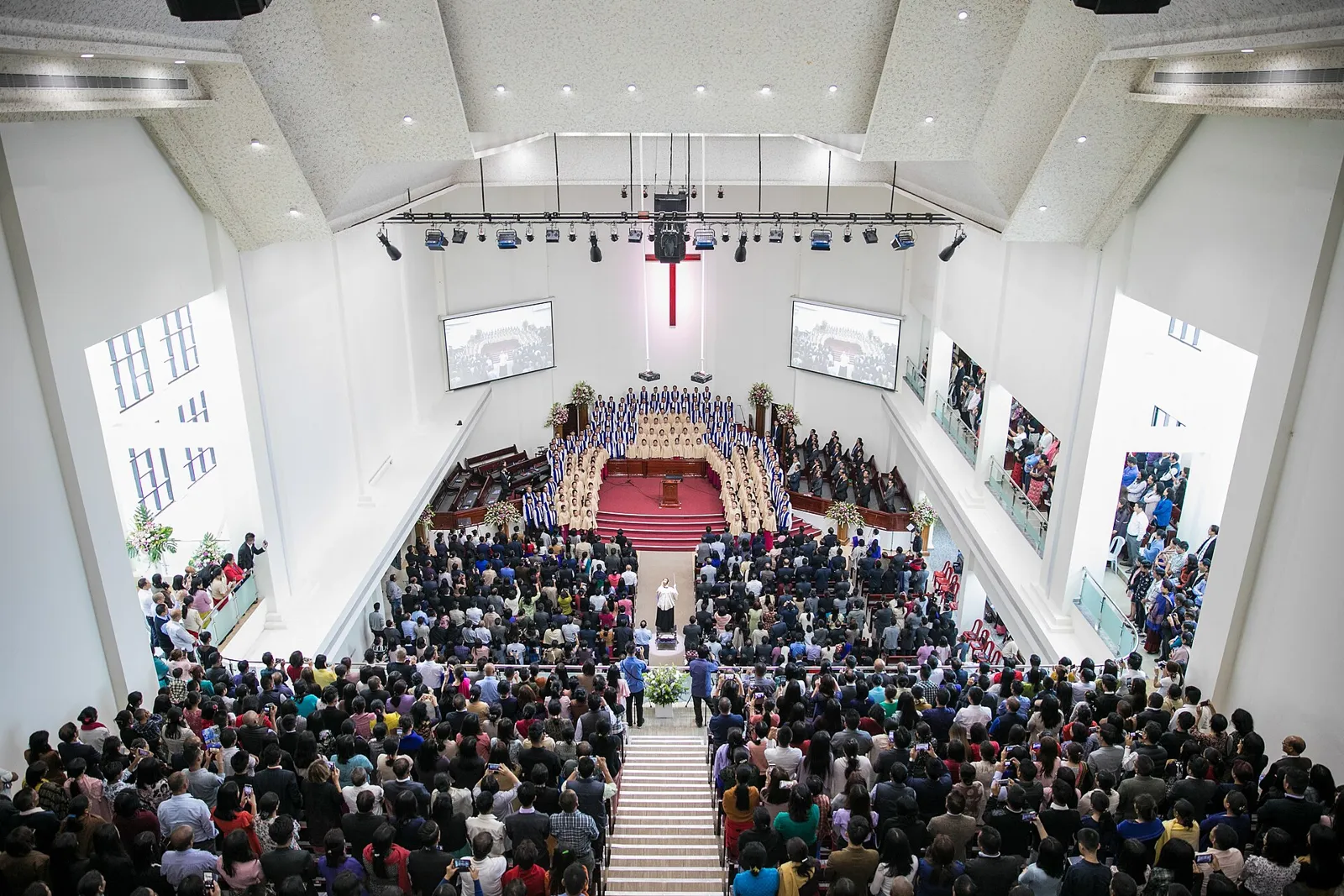
English is used in official settings, while Nagamese is widely useful in everyday communication and Naga languages vary by family and community. Churches are prominent places of worship and community life. Festivals also reflect the wider state: Sekrenyi, associated with Angami communities, is usually observed in February, while the state’s Hornbill Festival takes place in early December at Kisama near Kohima, not in Chümoukedima. Music, dance, traditional dress and community feasts are important parts of Naga celebrations, though the customs and performance styles differ among groups.

Visiting the city

The drier months from about November to April are generally the most comfortable for exploring; monsoon months bring heavy rain, and hill paths or waterfalls may be harder to reach. Dimapur Airport and Dimapur Railway Station are the nearest major air and rail gateways. From there, taxis and road transport connect to Chümoukedima.

Within town, local taxis and shared road transport are practical options; arranging a vehicle can help when visiting the hill viewpoints or nearby villages. Explore the town centre for everyday shops and eateries, then head towards Chümoukedima Tourist Village for broad views over the surrounding districts. Waterfalls in the hills are another option, but access and water conditions vary by season, so ask locally before setting out. The nearby Dimapur urban area offers additional services and shopping.

Trips from the city

Nearest places to visit from Chumukedima

Our closest destination guides, by straight-line distance.

Ruins of Kachari Rajbari

9 km away · Dimapur district

Ruins of Kachari Rajbari

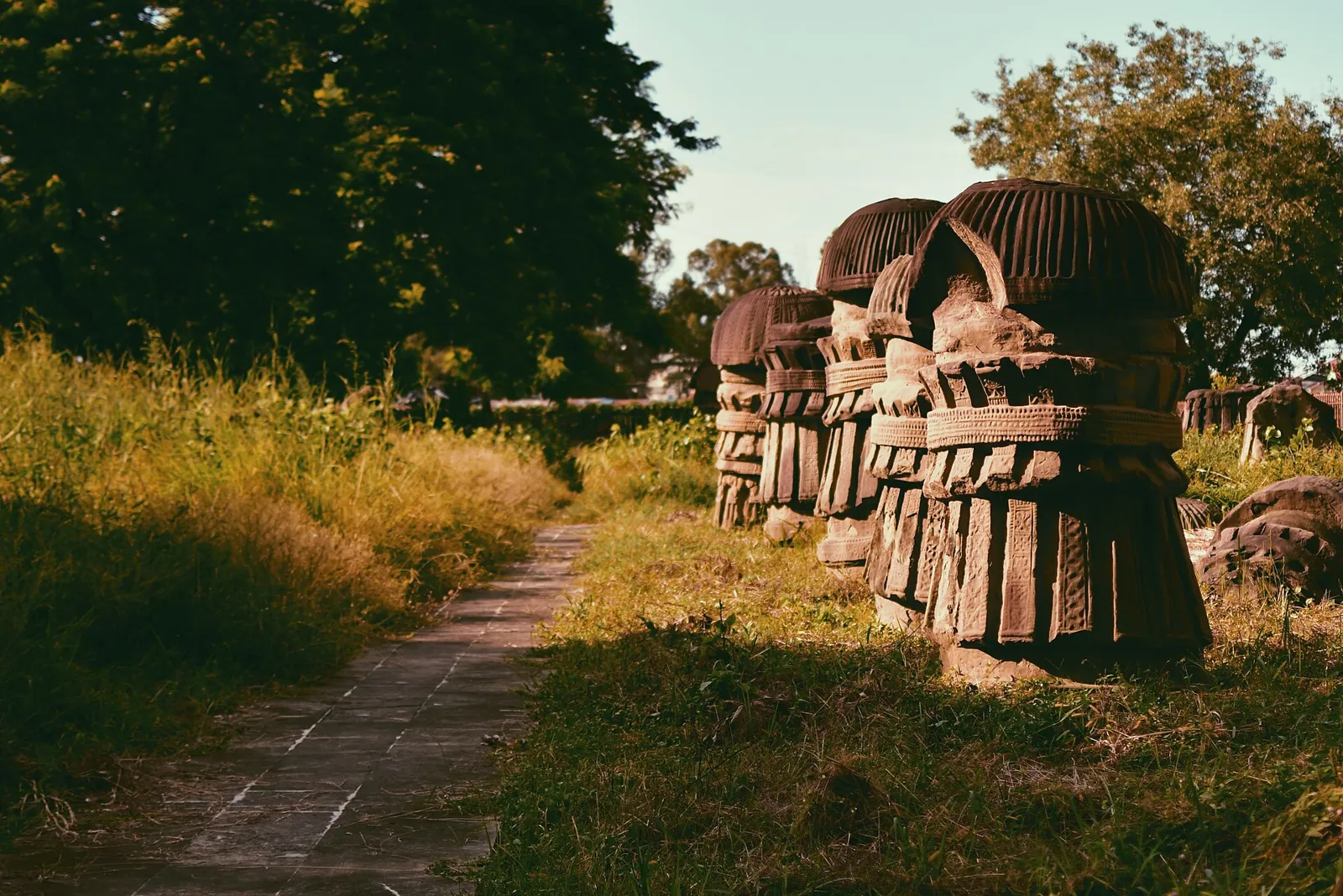
The Ruins of Kachari Rajbari are medieval remains in Dimapur, Nagaland, linked to the Kachari civilisation. Visitors come to see the distinctive mushroom-shaped pillars and learn about their uncertain history and use.

11 km away · Dimapur district

Dimapur

Dimapur is Nagaland’s largest city and a major centre for commerce. Visitors use it as a principal entry point to the state, with rail connections serving the city.

29 km away · Kohima district

Dzüleke

Dzüleke is a village in Nagaland’s Kohima District. Travellers interested in visiting villages in the state may include it in their plans.

Khonoma

32 km away · Kohima district

Khonoma

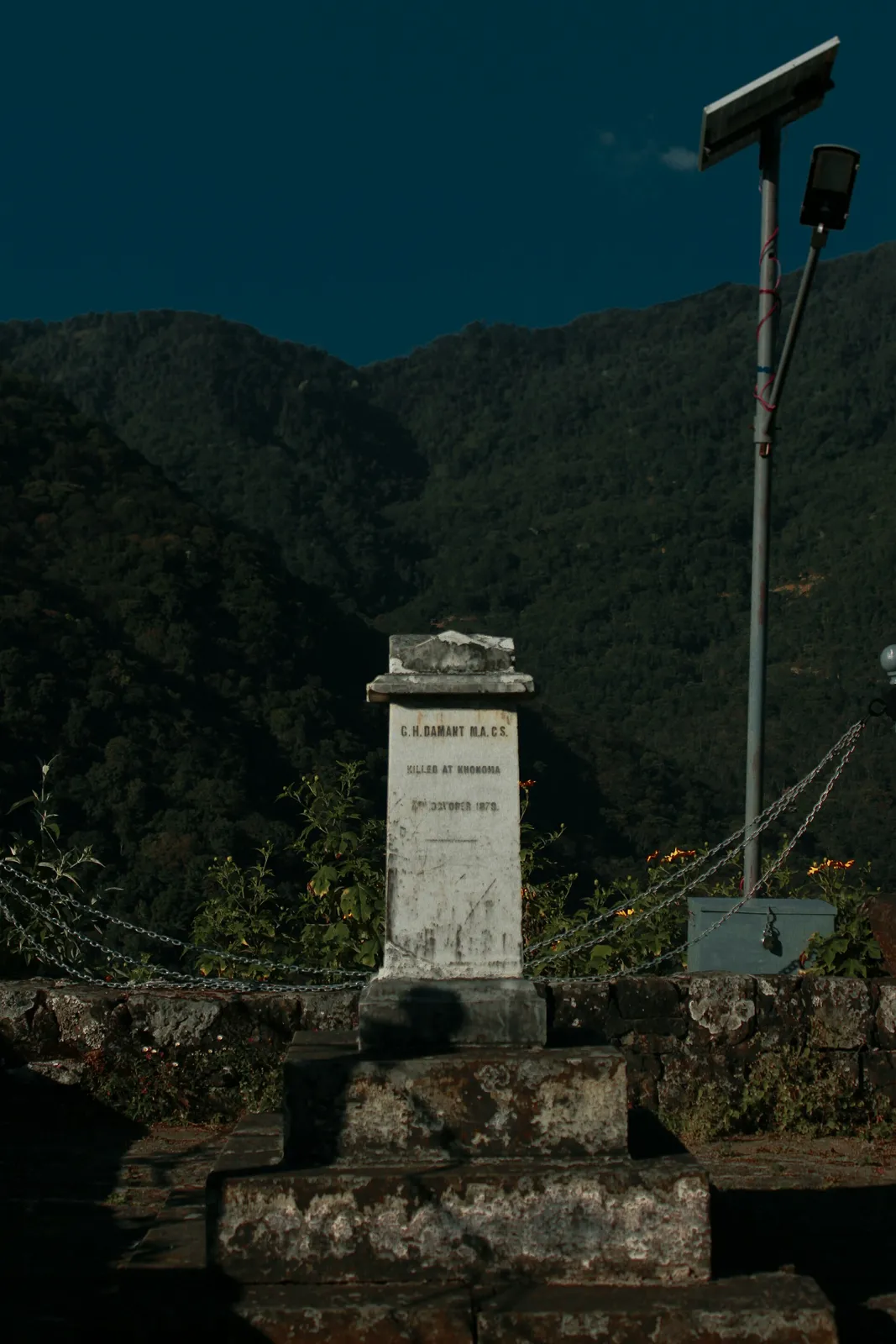
Khonoma is a Western Angami Naga village in Nagaland, roughly 20 km west of Kohima. Visitors know it for its distinction as the first green village in India and Asia.

Kohima

37 km away · Kohima district

Kohima

Nagaland’s capital, Kohima draws visitors interested in its Angami heritage and its association with the 1944 Battle of Kohima, a significant episode of the Second World War.

Kohima War Cemetery

37 km away · Kohima district

Kohima War Cemetery

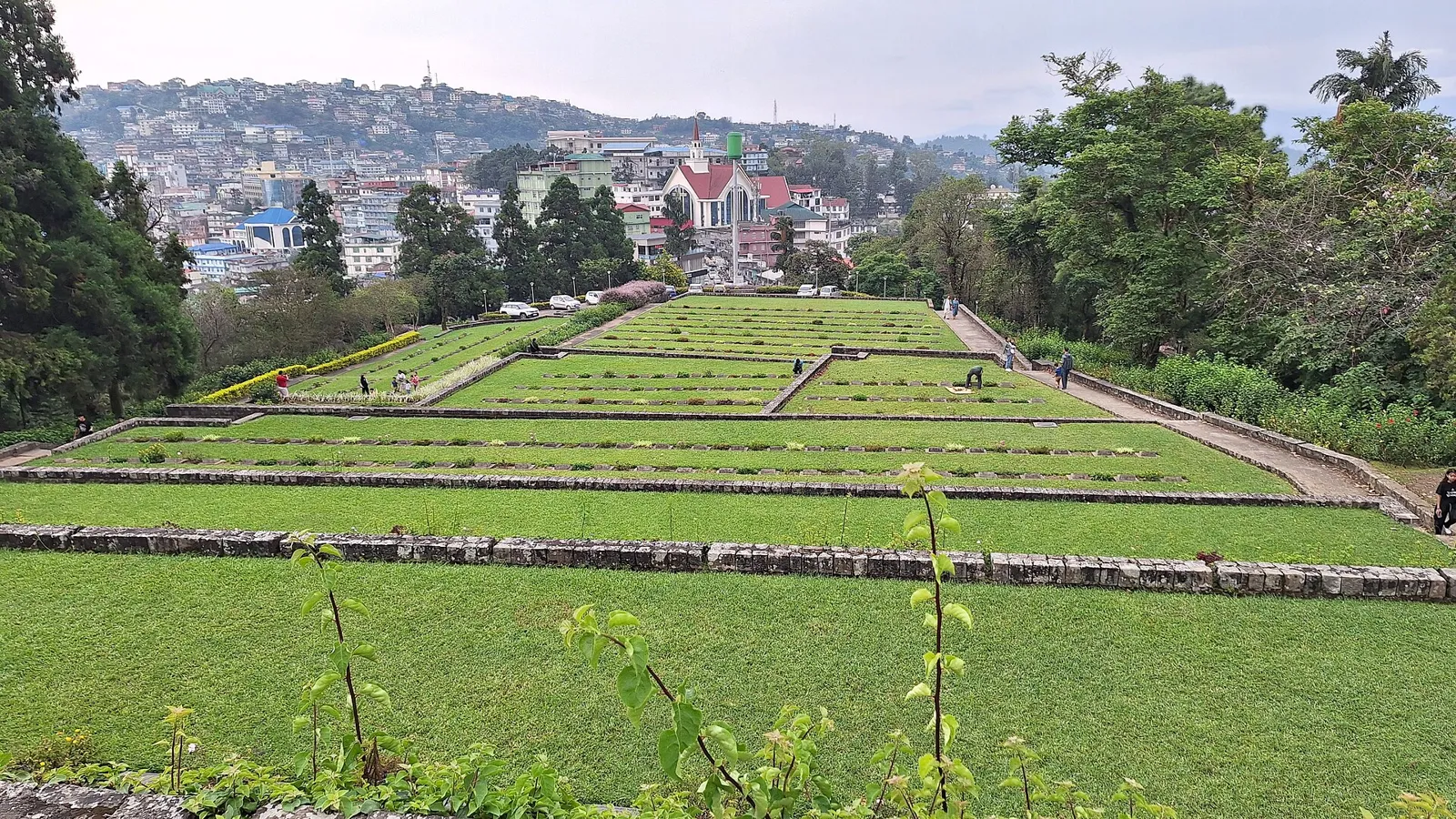
Kohima War Cemetery in Nagaland commemorates Allied soldiers who died during the 1944 fighting at Kohima. Visitors come to pay their respects and remember those lost in the Second World War.

Mary Help of Christians Cathedral

38 km away · Kohima district

Mary Help of Christians Cathedral

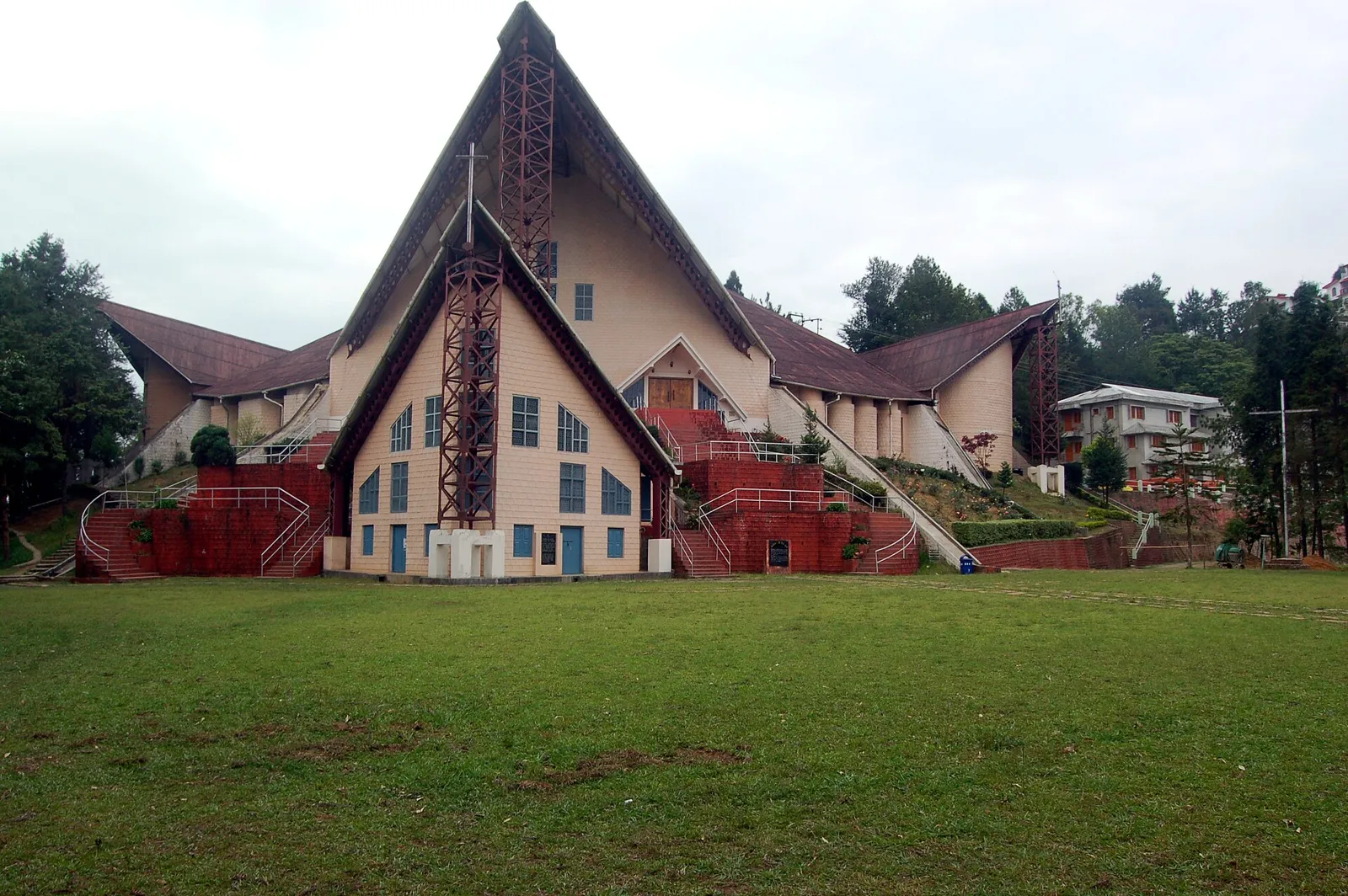
This Catholic cathedral is the principal church of Kohima’s diocese in Nagaland. Visitors come to see its Naga-inspired architecture and carved cross, and to reflect on its memorial links to the Battle of Kohima.

39 km away · Kohima district

Mount Japfü

Mount Japfü is a summit in Nagaland’s Barail Range, within Kohima district and about 15 kilometres south of Kohima. Visitors come to see the peak and its location.

Map

Chumukedima on the map

  1. 1Ruins of Kachari Rajbari
  2. 2Dimapur
  3. 3Dzüleke
  4. 4Khonoma
  5. 5Kohima
  6. 6Kohima War Cemetery
  7. 7Mary Help of Christians Cathedral
  8. 8Mount Japfü

Nagaland

Other cities to explore