Ghumoopedia — Explore, Discover, Experience
Sign in
Mopungchuket, near Tuensang

City guide · Nagaland

Tuensang

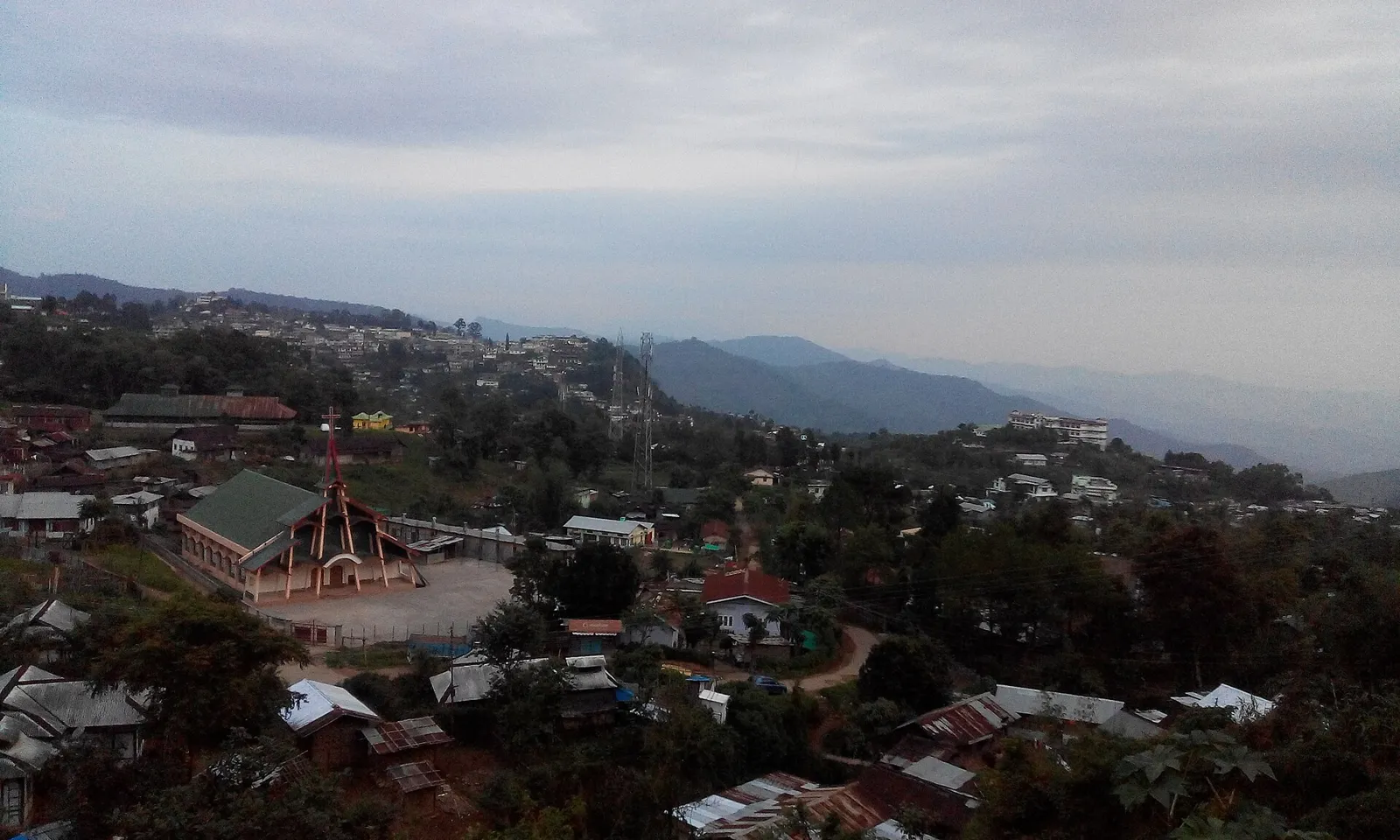
Tuensang is a hill town in eastern Nagaland and the headquarters of Tuensang district. Its importance is both administrative and regional: it serves as a centre for public services and a practical base for travel into the surrounding hills and communities.

Famous for

  • Eastern Nagaland gateway
  • Chang and Sangtam traditions
  • Naga handwoven shawls
  • Bamboo and cane crafts
  • Smoked pork and bamboo shoots

Why Tuensang matters

Tuensang is a hill town in eastern Nagaland and the headquarters of Tuensang district. Its importance is both administrative and regional: it serves as a centre for public services and a practical base for travel into the surrounding hills and communities. The wider area is home to several Naga peoples, including Chang, Sangtam, Yimkhiung and Khiamniungan communities, each with its own traditions and festivals.

Visitors come for the town’s highland setting, its busy local market and the chance to learn about the cultures of eastern Nagaland. Traditional weaving, bamboo and cane work, community celebrations and Naga food are among the region’s distinctive features. Tuensang is not a large resort town, so travel here tends to be quieter and more locally oriented than in Nagaland’s better-known visitor centres. It offers a useful starting point for arranging visits to nearby settlements, with local advice important for road conditions and community customs.
Famous for: crafts, trade & products

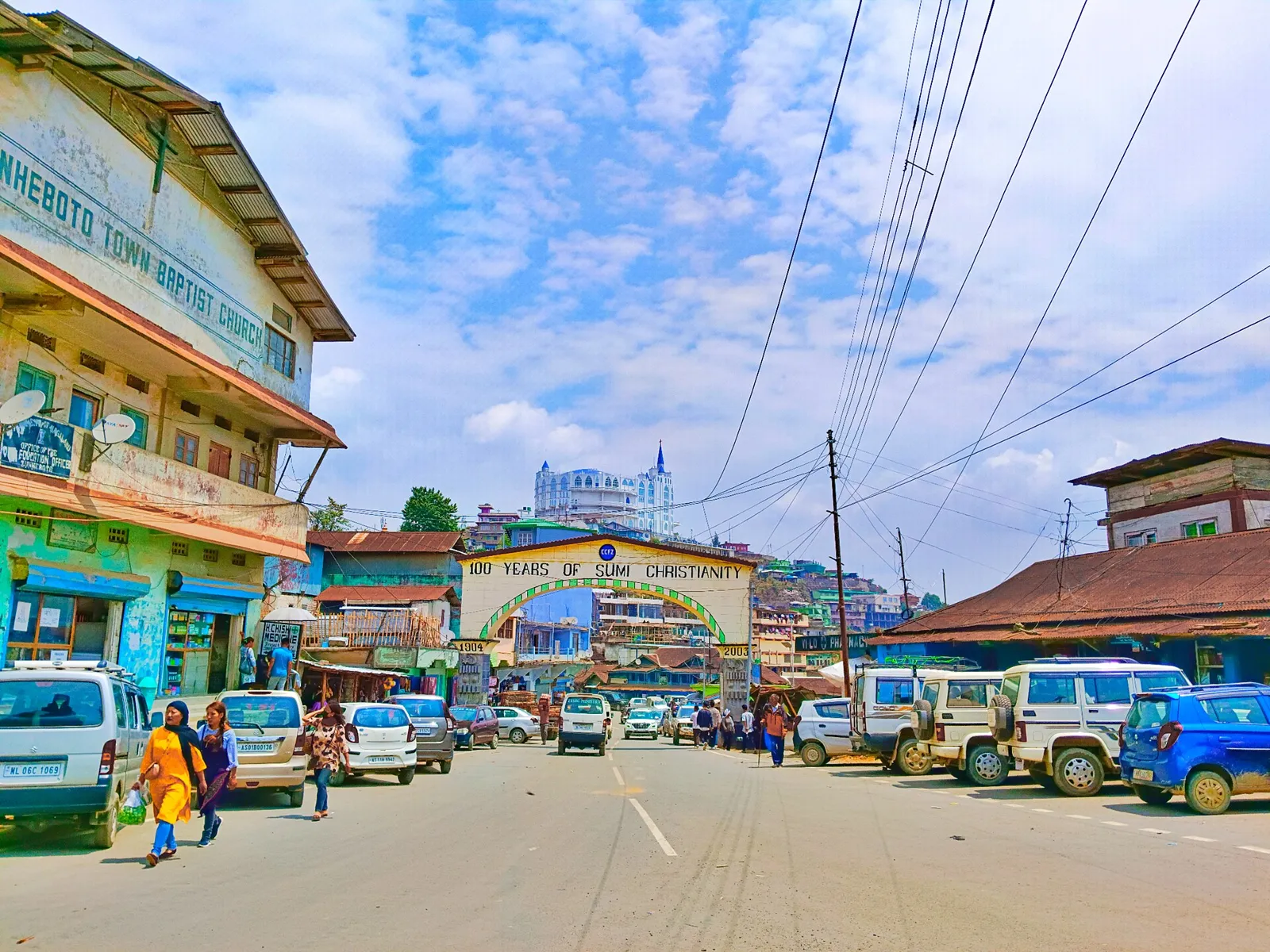
Tuensang is associated with Naga woven shawls and wraps, beadwork, and useful bamboo and cane items such as baskets and household wares. Designs and techniques differ between communities, so the most meaningful place to encounter these crafts is often a local market, a community celebration or a visit arranged with an artisan. The central market is a practical place to look for locally made goods and seasonal produce; availability can vary, and visitors may need local help to identify handmade work.

The town is not especially known for a separate saree tradition, a major manufacturing industry or a signature town-specific GI-tagged product. Nagaland has GI-recognised foods, including Naga Mircha, Naga Tree Tomato and Naga Cucumber, but these are associated with the state rather than uniquely with Tuensang; seasonal produce may appear in local shops and markets. Smoked meat, fermented ingredients and vegetables are part of the region’s food culture. For crafts, asking at the market or through local community and tourism contacts is more reliable than expecting a dedicated craft district or permanent showroom.

History

The Tuensang area historically encompassed a much larger part of what is now eastern Nagaland, including territories that later became separate districts. British authority in the region was limited for many years; in 1902 the area came under nominal control and was administered as a tribal area. Tuensang town was established in 1947 as an administrative centre, and a separate Tuensang Administrative Circle was created in 1948.

After India’s independence, the area passed through several administrative arrangements. It became part of the North-East Frontier Agency and, in 1957, was joined with the Naga Hills District in a new administrative unit. The formation of Nagaland as a state in 1963 brought another change in governance, while later district reorganisation divided the broader eastern region into smaller units. Tuensang remains a district headquarters, and its role as a centre for administration and services continues to shape the town’s growth.

Food, festivals & culture

Food in Tuensang reflects the wider Naga tradition of rice served with meat, vegetables and leafy greens. Smoked pork, bamboo shoots, fermented soybean and local chillies are common ingredients, alongside seasonal produce. Recipes vary between households and communities. There is no single famous local sweet; visitors may find simple rice-based snacks and seasonal fruit rather than a signature dessert.

The town brings together people from several communities, and festivals are an important expression of identity. Chang communities observe Naknyülüm, generally in July; Sangtam communities celebrate Mongmong in September; Yimkhiung communities mark Tsokum around October; and Khiamniungan communities celebrate Miu, usually in May. Dates and public events can vary by village and year. English and Nagamese are useful for general communication, while Naga languages are spoken within communities. Folk songs, dances and community music feature at celebrations. Churches, particularly Baptist congregations, are prominent places of worship, alongside the varied customary traditions of the region.

Visiting the city

October to April is generally the most comfortable period to visit, with cooler conditions in the hills; monsoon months can bring heavy rain and difficult road travel. The nearest airport is Dimapur Airport, and the main railway connection is Dimapur Railway Station. From there, onward travel is by road, commonly using shared or hired vehicles; local taxis can help with trips around town and nearby settlements.

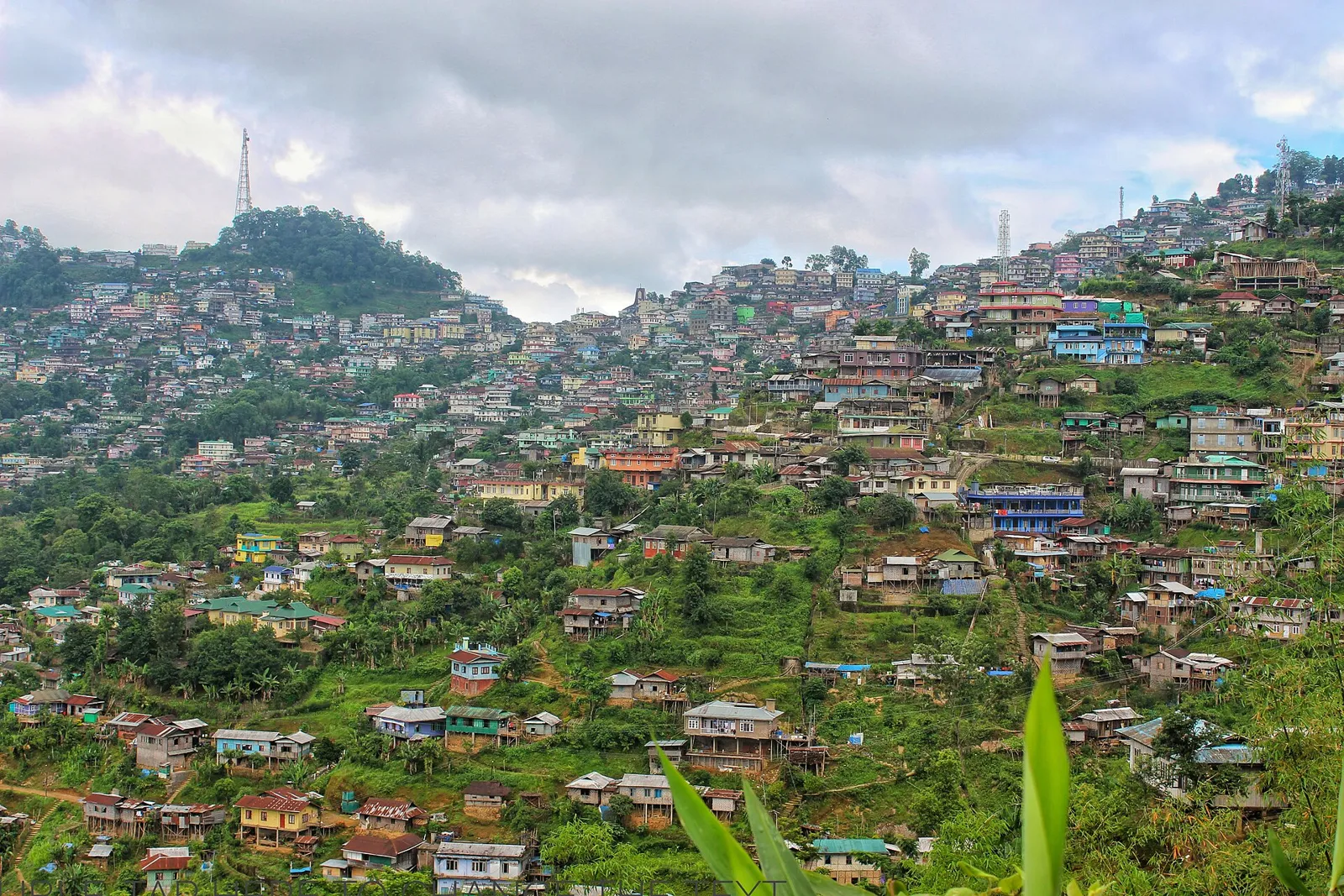
Start with the town centre and central market to get a feel for daily life and look for local produce or crafts. Churches and surrounding hill neighbourhoods offer a quieter view of the town. Tuensang is also a base for exploring nearby communities, but arrange village visits with local guidance and check road conditions before setting out. Travel times can vary considerably with weather and roadwork.

Trips from the city

Nearest places to visit from Tuensang

Our closest destination guides, by straight-line distance.

30 km away · Mokokchung district

Ungma

Ungma is an Ao Naga village in Mokokchung district, Nagaland, known as the Ao region’s most populous village and for its connection to the community’s early settlement history, which draws cultural interest.

Mopungchuket

32 km away · Mokokchung district

Mopungchuket

Mopungchuket is an Ao Naga village near Mokokchung, known for its heritage, the Jina and Etiben legend, cultural landmarks and nature trails.

Mokokchung

33 km away · Mokokchung district

Mokokchung

Mokokchung is a municipality in Nagaland and the administrative seat of its district. Visitors may come to learn about its role as a cultural centre for the Ao people and a hub of regional life.

Zünheboto

41 km away · Zunheboto district

Zünheboto

Zünheboto is a Nagaland town in its namesake district, inhabited by Sümi Nagas. Visitors may come to see the Sümi Baptist Church, counted among Asia’s largest Baptist churches.

51 km away · Kiphire district

Fakim Wildlife Sanctuary

Nagaland’s Kiphire district contains Fakim Wildlife Sanctuary, a protected reserve near the India–Myanmar border. Visitors may explore the area, with Fakim village serving as its gateway.

54 km away · Mon district

Mon

Mon is a town in Nagaland’s Mon district. Visitors can visit it as a town in the state, though no particular attractions or activities are identified here.

Wokha

58 km away · Wokha district

Wokha

Wokha is a municipal town in Nagaland and the administrative centre of Wokha district. Visitors may come to learn about its Lotha Naga community and district role.

59 km away · Mon district

Lungwa

Lungwa, also called Longwa, is a Konyak Naga village spanning India and Myanmar. Visitors are drawn to its cross-border setting and the Angh’s home, which stands in both countries.

Map

Tuensang on the map

  1. 1Ungma
  2. 2Mopungchuket
  3. 3Mokokchung
  4. 4Zünheboto
  5. 5Fakim Wildlife Sanctuary
  6. 6Mon
  7. 7Wokha
  8. 8Lungwa

Nagaland

Other cities to explore