
Ghumoopedia — Explore, Discover, Experience
Sign in
Pfütsero, near Pfütsero

City guide · Nagaland

Pfütsero

Pfütsero is a town in Nagaland’s Phek District, known for its fruit trade, including kiwi, avocado and persimmon transported along National Highway 29.

Famous for

  • Kiwi and avocado trade
  • Persimmon cultivation
  • Chakhesang highland culture
  • Khezha and Chokri communities
  • Regional fruit markets
In the city
1
District
Phek

Why Pfütsero matters

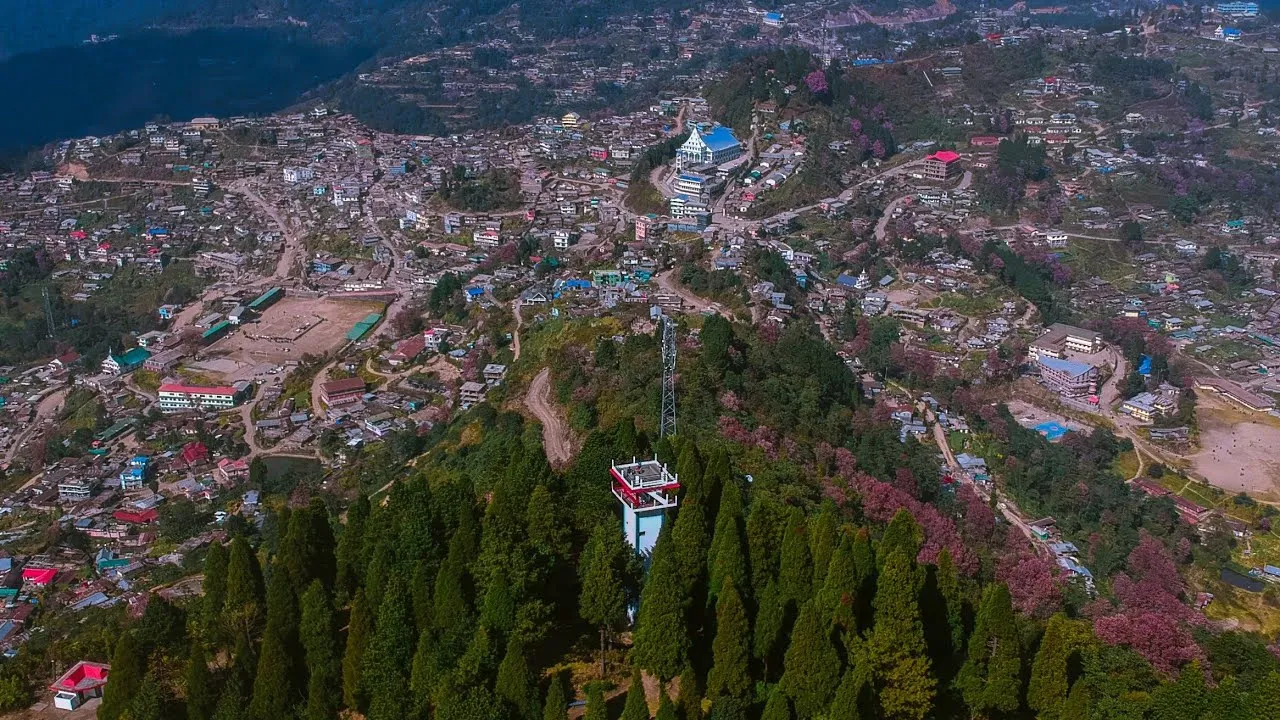
Pfutsero is a highland town in Phek district, Nagaland, and an important centre for nearby communities and village markets. Its cool upland setting and views across the surrounding hills give it a different feel from the state’s warmer lowland towns. Visitors come for the landscape, local culture and a glimpse of everyday life in the Chakhesang region.

The town is especially associated with the cultivation and trade of kiwi, avocado and persimmon. Produce from the surrounding area moves through Pfutsero’s markets and onward by road, including along National Highway 29, making the town a practical commercial link as well as a place to visit. Khezha and Chokri communities are prominent in its social life, alongside the wider mix of people found in Nagaland’s towns. Pfutsero is best approached as a modest regional centre rather than a resort: its appeal lies in its highland atmosphere, seasonal fruit and access to nearby settlements and countryside.

Famous for: crafts, trade & products

Pfutsero’s best-known trade is fresh produce, particularly kiwi, avocado and persimmon grown in the surrounding highlands. The town’s market is the most practical place to look for seasonal fruit and locally traded goods; availability changes with the harvest. Road connections, including National Highway 29, help move produce to other parts of Nagaland. There is no widely established city-specific GI-tagged product associated with Pfutsero.

Visitors may also come across Naga handwoven textiles, shawls and locally made cane or bamboo goods in the town and wider region. These are part of a broader craft tradition rather than a single mass-produced Pfutsero industry, so selection can vary. The central bazaar and small shops are the natural places to ask about locally made items and produce. For a more specific purchase, it is useful to ask shopkeepers or local hosts which villages and makers are currently supplying the market. Pfutsero’s commercial identity rests chiefly on agricultural trade, not on a large textile or manufacturing sector.

History

Pfutsero’s development is closely tied to the village-based society of the surrounding Chakhesang region. Khezha and Chokri communities have strong roots in the area, where local affairs traditionally centred on village institutions and customary practices rather than a single royal court. Oral histories and traditions remain important to understanding the region, while detailed written accounts of the town’s early growth are limited.

During the British period, colonial administration expanded across the Naga Hills, but the available record does not support a detailed town-specific chronology for Pfutsero. In modern times, roads, district administration and market activity have helped it grow as a service and trading centre for surrounding settlements. Its role strengthened with the movement of agricultural produce, especially fruit, to wider markets. Today, Pfutsero’s growth is linked to its position in Phek district and its road connections, while community life and village ties continue to shape its character.

Food, festivals & culture

Food in Pfutsero reflects the wider Naga kitchen: rice served with vegetables, leafy greens, smoked meat, fermented foods and ingredients such as bamboo shoot. Chilli and locally available produce feature in home cooking. Kiwi, avocado and persimmon are notable seasonal crops, though they are fruit rather than a distinct local cuisine. There is no single town-specific sweet that is widely identified with Pfutsero.

Khezha and Chokri languages are part of daily life, with Nagamese and English also useful for communication. Chakhesang festivals, including Sükrünye and Tsükhenye, are observed in the wider region in the winter and spring seasons; customs and dates can vary between communities and villages. Festival gatherings may include traditional songs, dances and community feasts. Church life is prominent, and churches are important places for worship and community events. Visitors should be considerate when attending services or celebrations and follow local guidance on photography and participation.

Visiting the city

The drier months, roughly October to April, are generally the most comfortable for road travel and exploring the hills. Monsoon rain can make journeys slower, while winter brings chilly conditions, so pack layers. The nearest airport and main railway station are both in Dimapur; onward travel to Pfutsero is by road, with journey times depending on conditions.

Shared vehicles and local taxis are common options for getting around, though services may be limited compared with larger towns. The central bazaar is a good starting point for fruit, shops and everyday town life. Visitors can also explore nearby villages and the surrounding highland scenery with local advice, arranging transport and asking permission before entering private or community spaces. Check current road conditions before setting out.

Attractions

Places to visit in Pfütsero

Sights within about 12 km of each other, even when they fall in different districts.

Map

Pfütsero on the map

  1. 1Pfütsero

Nagaland

Other cities to explore