
District · Nagaland
Zunheboto
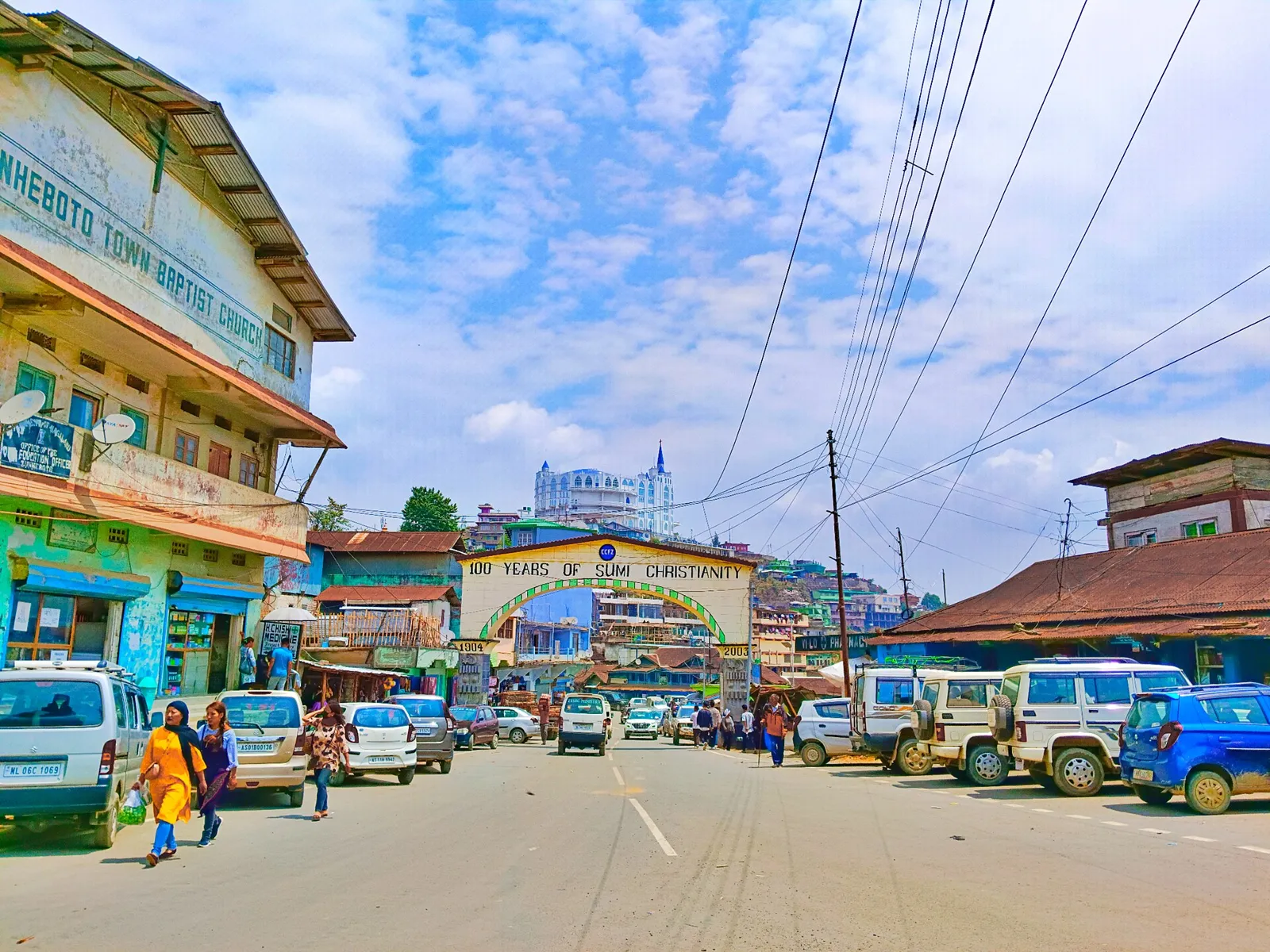
Zünheboto offers a view of Nagaland’s hilly interior and the village life of a district where Sumi Naga culture is prominent.
Zünheboto district lies in Nagaland’s hilly interior, where forested ridges, valleys and settlements shape a landscape best explored by road. The district headquarters, Zünheboto town, serves as a centre for surrounding villages. The Sumi Naga community is prominent here, and Sumi language and cultural traditions are an important part of local life. The district was established in 1973, after being separated from Mokokchung district. Agriculture and village life remain central to its character, alongside the town’s role as an administrative and trading hub. The Satoi Range is a notable natural area in the district; travel beyond the main town can involve winding roads and limited services.
Zünheboto offers a view of Nagaland’s hilly interior and the village life of a district where Sumi Naga culture is prominent. Its headquarters, Zünheboto town, is an administrative and trading centre for surrounding settlements, while the Satoi Range is a notable natural area. Travellers come for the region’s forested ridges, local traditions and quieter journeys beyond the better-known routes of the state. The district is best approached at an unhurried pace: road journeys can be winding, and services become less predictable away from the main town. It can suit visitors interested in community life and landscapes rather than a packed sightseeing itinerary.
The history of Zünheboto is closely connected with Sumi Naga communities and their village-based social life. Community histories and traditions have been passed on through oral accounts, customary practices and local institutions; the district should not be understood through the model of a single centralised kingdom or dynasty. British colonial administration extended into the Naga Hills during the nineteenth century, bringing changes to governance and contact with surrounding regions. The area later formed part of the wider administrative units that preceded the state of Nagaland. Nagaland became a state of India in 1963. Zünheboto district was established in 1973, when it was separated from Mokokchung district, and Zünheboto town became its headquarters. Since then, the town has developed as a centre for administration, trade and services for nearby villages. Agriculture and village life remain important to the district’s character, alongside changes in education, transport and public administration. For more detailed local histories, village accounts and community sources can offer perspectives that broad state-level timelines do not capture.
Food in Zünheboto reflects wider Naga culinary traditions. Smoked pork with bamboo shoot, axone (fermented soybean), rice, seasonal greens and relishes made with king chilli are familiar regional foods. Galho, a soft rice porridge cooked with vegetables and sometimes meat, is another dish found across parts of Nagaland. Recipes and ingredients vary between households and communities, so ask what has been prepared that day; smaller eateries may offer a limited menu. Pork, beef, fish and fermented ingredients are common in the region. Vegetarian meals can often be arranged in town, but explain dietary needs clearly and check ingredients.
Craft traditions associated with Nagaland include handwoven textiles, cane and bamboo work, basketry and wood carving. These practices are found across the region, with designs and techniques varying among communities; they should not be treated as exclusive to Zünheboto district. Weaving is traditionally an important skill among Naga women, and textiles may carry patterns linked to community identity and customary dress. Bamboo and cane are used for practical household objects and baskets. Availability of locally made work can vary between the town and villages, so ask locally about makers and the meaning or origin of particular designs.
Tuluni, a major Sumi festival associated with the season of the paddy crop, is usually observed in July. Ahuna, a post-harvest festival of the Sumi community, is generally celebrated in November. Both are occasions for community gatherings, traditional food and cultural observances, though practices vary between villages. Visitors should be respectful and seek local guidance before attending community events. These festivals can bring more visitors to town and villages, so accommodation choices may be more limited; confirm arrangements ahead of travel, especially if visiting during a local celebration.
Elsewhere in Nagaland
The district lies among Nagaland’s forested hills, with ridges, valleys and settlements connected by winding roads. The Satoi Range is a notable natural area, while streams and smaller waterways form part of the local landscape. Steep slopes and changing elevation shape both settlement patterns and travel: journeys that look short on a map may take longer by road. Outside Zünheboto town, routes can be less direct and services are limited, so visitors should plan village outings with local advice and allow flexibility for road conditions.
Zünheboto has a seasonal hill climate. Summer is generally mild to warm, while the monsoon months bring frequent rain, damp conditions and the possibility of slower or disrupted road travel. Winter is cooler, particularly in the mornings and evenings, and can feel cold in exposed or higher areas. October to November and the period from February into April are often practical times to visit, although conditions vary from year to year. Pack layers, a light rain jacket, sturdy footwear and clothing suited to cool evenings. During the monsoon, carry rain protection and leave extra time for journeys; check local conditions before setting out.
The nearest operating airport by straight-line distance is Dimapur Airport, and the nearest principal railway station is Furkating Junction near Golaghat. These are map-based proximities, not estimates of road distance: routes through Nagaland’s hills are winding and journeys can take considerably longer. Guwahati is a major regional air and rail hub for onward travel. Zünheboto is reached by road, with connections from other Nagaland towns; shared taxis and hired vehicles are practical options, while services and road conditions can vary. Local transport within the district may be limited outside the main town, so plan onward village visits in advance. Check current services locally before travelling.
Road travel is the main way to move around Zünheboto district. Zünheboto town is the most practical base for reaching surrounding settlements, but roads are hilly and travel times can vary with weather and maintenance. Shared vehicles may operate on commonly used routes, while hired taxis or other private vehicles are useful for village visits; availability outside town can be limited. Local bus services may be less frequent than in larger centres, and visitors should ask locally about current options. Arrange onward transport in advance where possible, and avoid relying on a return vehicle being readily available in remote areas.
2 days: Zünheboto as a base; sleep in Zünheboto each night, with time for locally arranged nearby outings. 3 days: Zünheboto as a base; sleep in Zünheboto each night and allow an extra day for a slower village visit. 4 days: Zünheboto as a base; sleep in Zünheboto each night, keeping the itinerary flexible for local outings and road conditions.
Zünheboto town is the most practical base for a short district visit, with basic hotels and guesthouses generally the most straightforward options. It also provides access to local services and transport arrangements. For village visits, homestays may be possible by prior arrangement, but availability and facilities can vary, so confirm directly through local contacts before travelling. Do not assume that accommodation or meals will be available in smaller settlements. For longer circuits, staying in town and making planned day trips is often more reliable than changing bases.
Hilly roads may be narrow, winding or affected by rain, so allow extra time and use a locally experienced driver for unfamiliar routes. Check weather and road conditions before travelling, particularly during the monsoon, and carry water and any personal medicines; treat or filter water when its safety is uncertain. Mobile coverage and access to services can be limited outside town. Respect local customs and ask permission before photographing people or community events. Indian visitors from outside Nagaland generally require an Inner Line Permit; confirm current permit requirements through official sources before travel. Check separately with official authorities for any other applicable permissions.
- Wokhaabout 27 km
- Mokokchungabout 34 km
- Phekabout 48 km
- Kiphireabout 54 km
- Kohimaabout 61 km
- Dimapurabout 80 km
- Jorhat · Assamabout 83 km
- Monabout 96 km
Straight-line distance between the centres of each district's destinations; road distance is longer.
All districts of Nagaland
Q: How many days should I spend in Zünheboto district? A: Two or three days is a reasonable starting point, with more time useful if you plan village visits or want to travel slowly. Q: When is the best time to visit? A: October to November and February to April are often practical periods; monsoon travel can be slower because of rain. Q: What is the best base for exploring the district? A: Zünheboto town is the most practical base for services and arranging local transport. Q: How do I get to Zünheboto? A: Travel overland from other Nagaland towns; Dimapur Airport and Furkating Junction are nearby regional arrival points by map proximity, but hill-road journeys take longer. Check current connections locally. Q: Is the district suitable for families or elderly travellers? A: It can be, if the itinerary is kept flexible. Winding roads, limited services outside town and uneven access may make some outings tiring; discuss mobility needs and transport arrangements in advance.
This page draws on our 1 destination guides for Zunheboto and is updated as our team checks it.
Be the first to share photos, stories, advice or a helpful contact for Zunheboto.
Loading…