
District · Nagaland
Kohima
Kohima district is a useful introduction to Nagaland’s capital region, bringing together state institutions, Angami Naga village life and hill-country excursions.
Kohima district brings together Nagaland’s hill landscapes, Angami Naga village life and the institutions of the state capital. Kohima town is a base for exploring nearby settlements and cultural sites, including Khonoma, a Western Angami village, and Kisama Heritage Village, set on slopes between Kigwema and Phesama. To the south, Mount Japfü belongs to the Barail Range, while Dzukou Valley extends across the Nagaland–Manipur border. The district also carries an important Second World War legacy: Kohima War Cemetery commemorates those who died in the fighting at Kohima in 1944. Mary Help of Christians Cathedral adds another dimension to a district shaped by community traditions, Christianity and its role in modern Nagaland.
Kohima district is a useful introduction to Nagaland’s capital region, bringing together state institutions, Angami Naga village life and hill-country excursions. Kohima town is the main base for visiting Khonoma, Kisama Heritage Village and trekking approaches to Dzukou Valley and Mount Japfü. The district is especially known for its Second World War history, commemorated at Kohima War Cemetery, and for the Hornbill Festival held at Kisama. Mary Help of Christians Cathedral reflects the importance of Christianity in modern Nagaland. Visitors can combine cultural sites and town experiences with rural stays and outdoor travel, while allowing extra time for winding mountain roads.
Angami Naga communities have long lived in the hills around Kohima, with village societies and customary institutions shaping local life. British colonial administration expanded into the Naga Hills in the late nineteenth century, following armed encounters that included the campaign against Khonoma in 1879–80. Kohima became an important administrative centre. During the Second World War, Japanese forces advanced into the region in 1944; the fighting and siege at Kohima formed part of the wider campaign in northeast India. Kohima War Cemetery commemorates Allied personnel who died in the battle. After independence, the area was administered within the Naga Hills district of Assam, before Nagaland became a separate state in 1963, with Kohima as its capital. District boundaries and administrative arrangements have changed over time, including the creation of newer districts in the region. The area’s modern identity reflects both Angami traditions and the growth of state institutions, churches and towns around the capital.
10 destination guides · 9 on the map
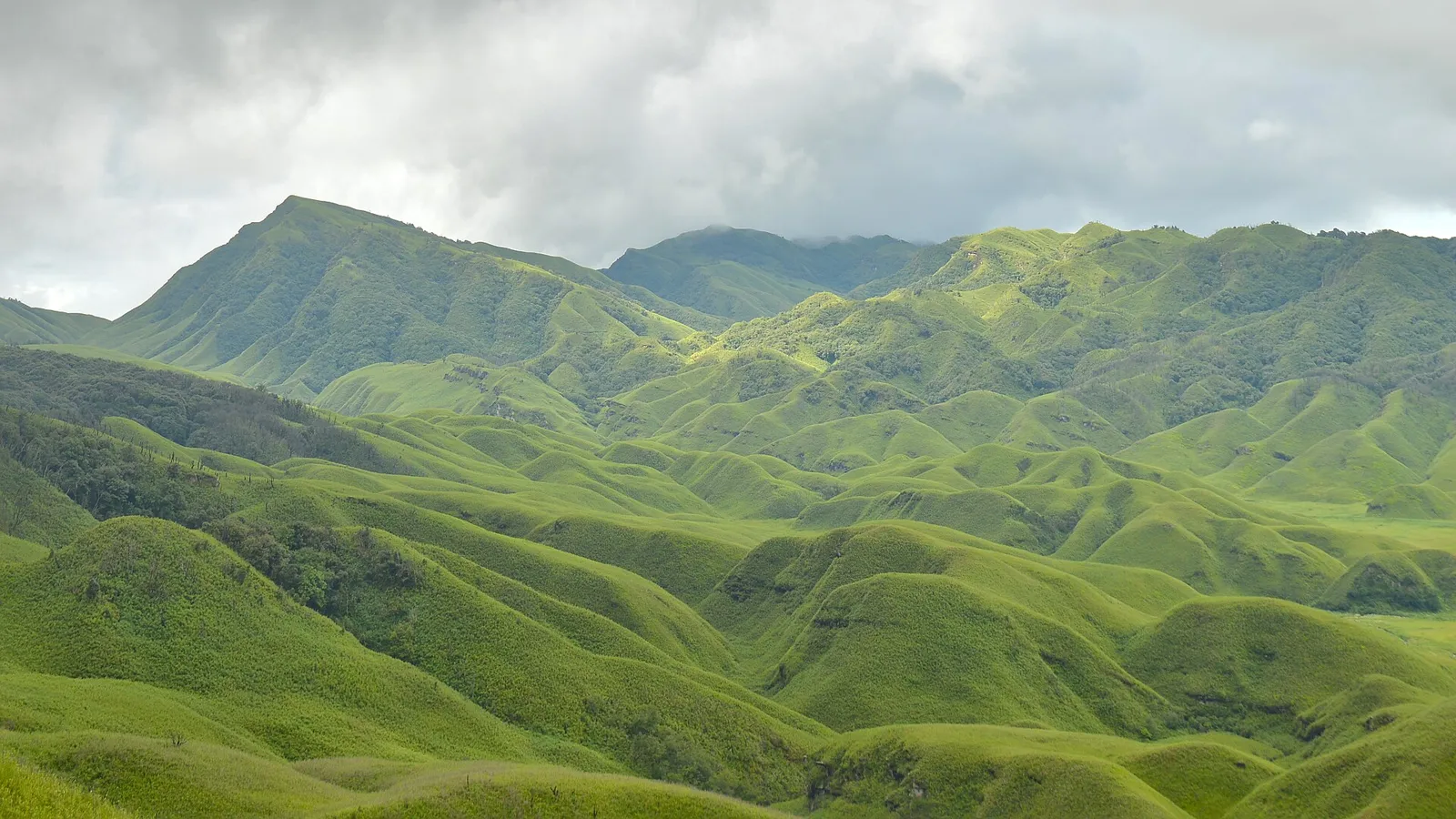
Dzukou Valley
Dzukou Valley is a mountain grassland spanning the Nagaland–Manipur boundary. Visitors come to trek across its rolling meadows and see seasonal flowers and wildlife.
Dzüleke
Dzüleke is a village in Nagaland’s Kohima District. Travellers interested in visiting villages in the state may include it in their plans.
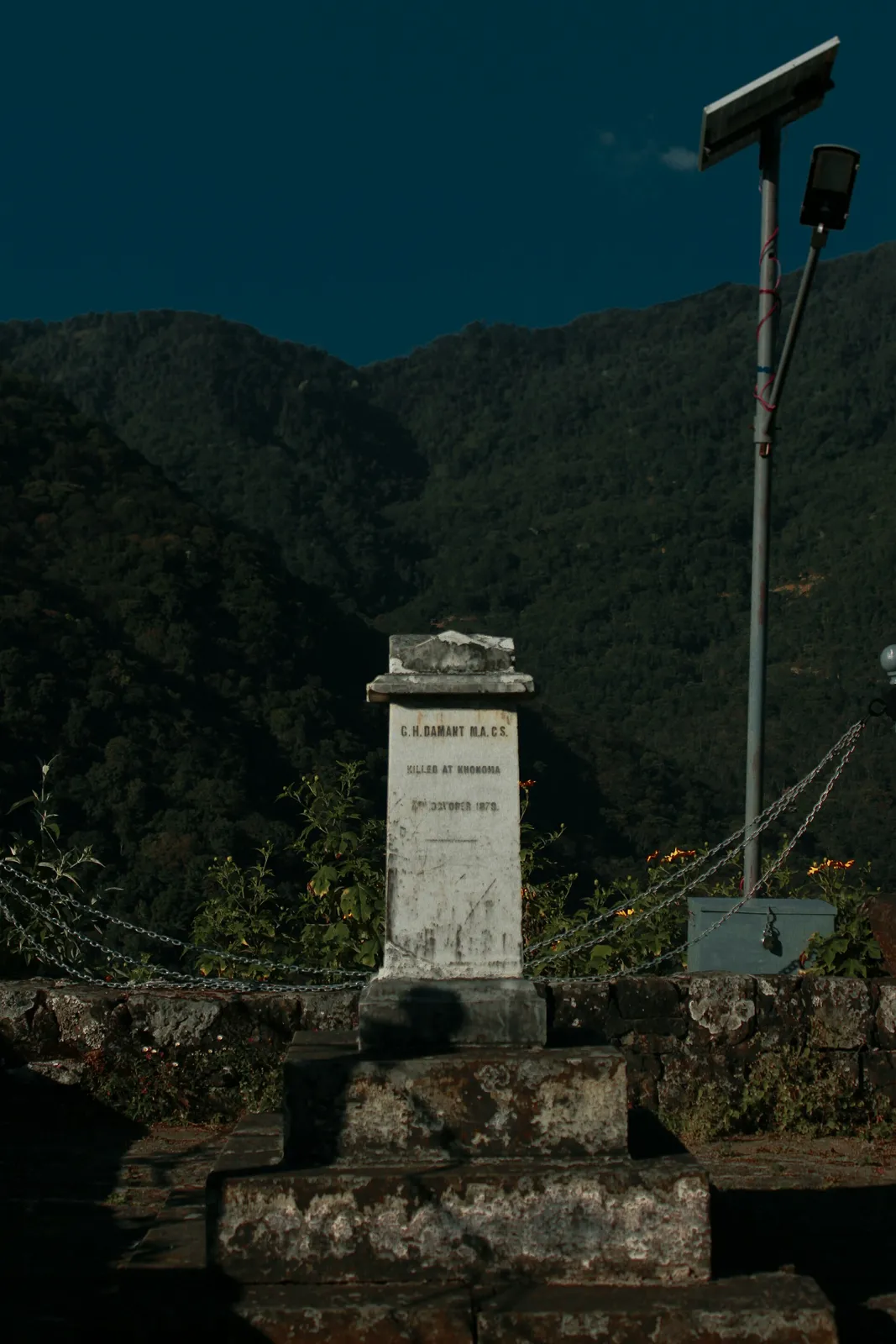
Khonoma
Khonoma is a Western Angami Naga village in Nagaland, roughly 20 km west of Kohima. Visitors know it for its distinction as the first green village in India and Asia.
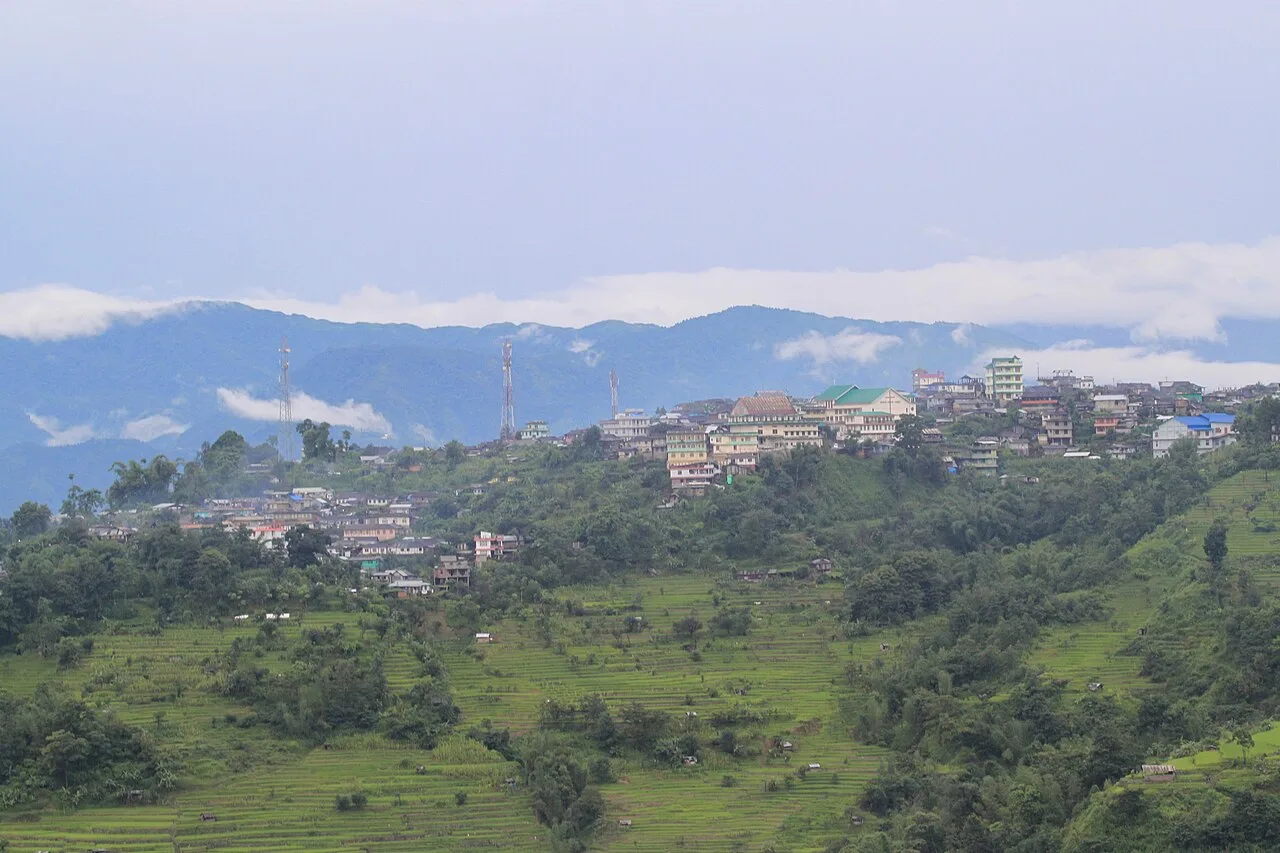
Kigwema
Kigwema is a settlement in southern Nagaland, within Kohima District. Visitors locating the village can use its position south of Kohima, the state capital, as a reference.
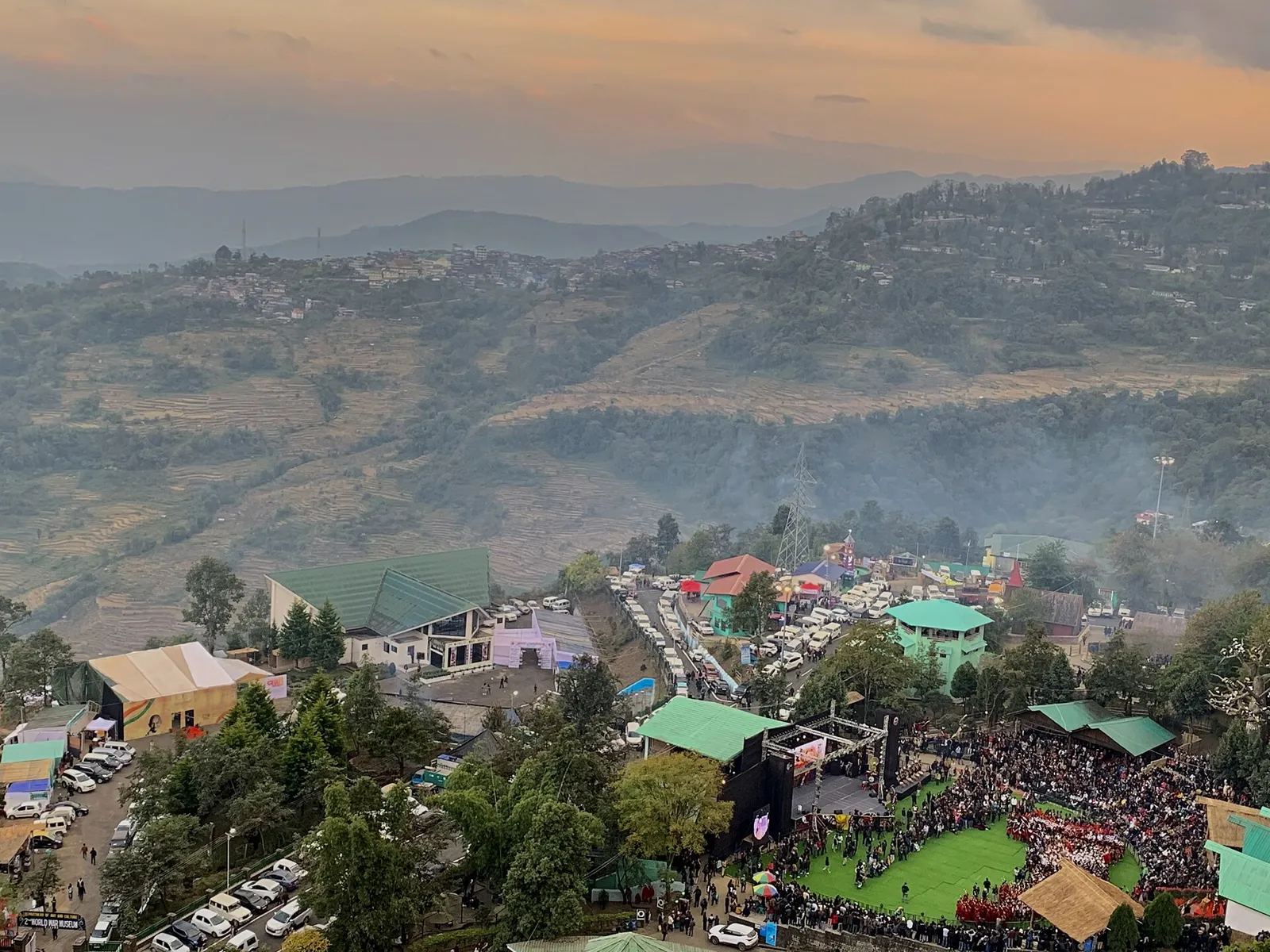
Kisama Heritage Village
Kisama Heritage Village, also called Naga Heritage Village, is a cultural site in Kohima district, Nagaland. Visitors come to see morungs representing the state’s 17 ethnic groups and to attend the annual Hornbill Festival.
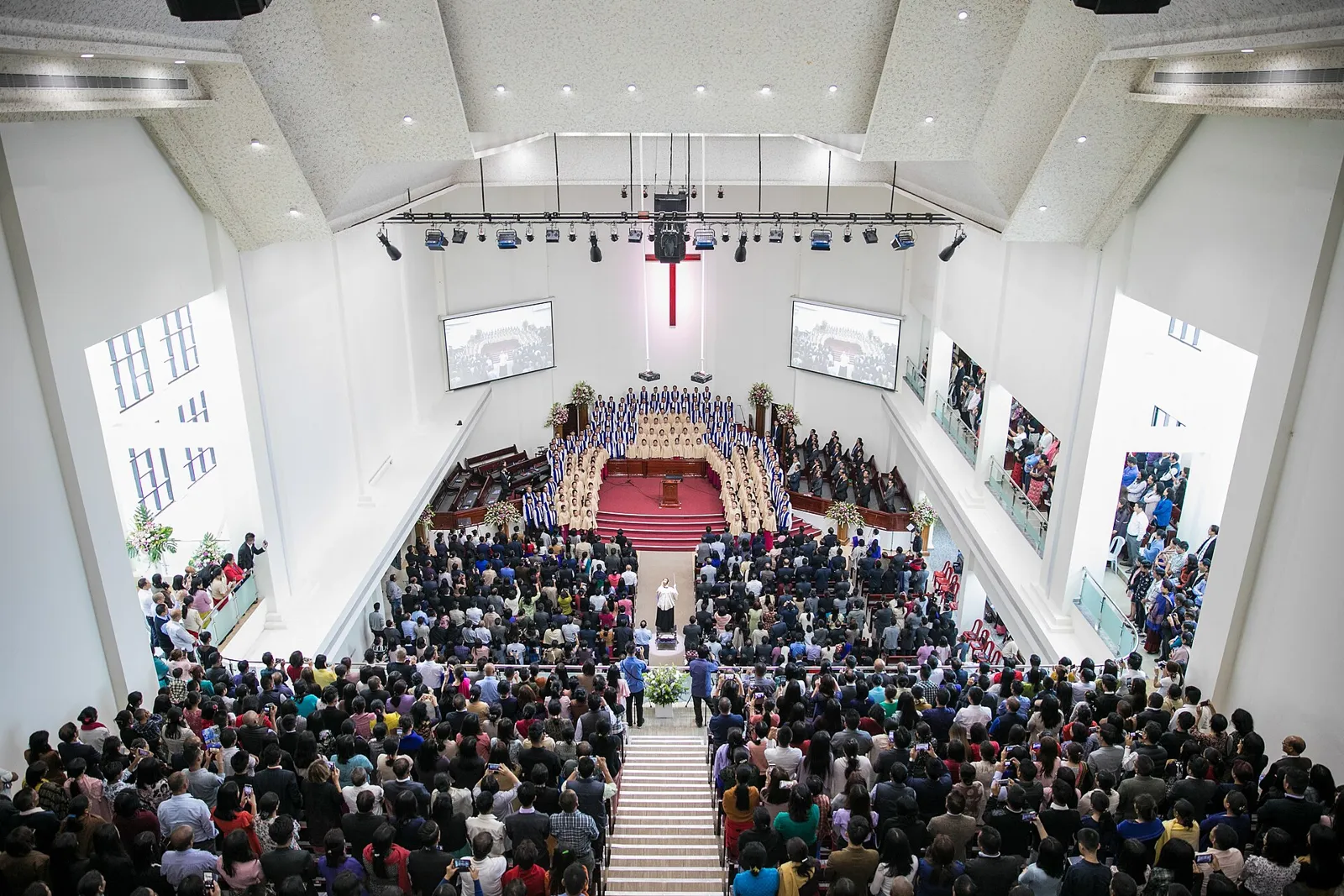
Kohima
Nagaland’s capital, Kohima draws visitors interested in its Angami heritage and its association with the 1944 Battle of Kohima, a significant episode of the Second World War.
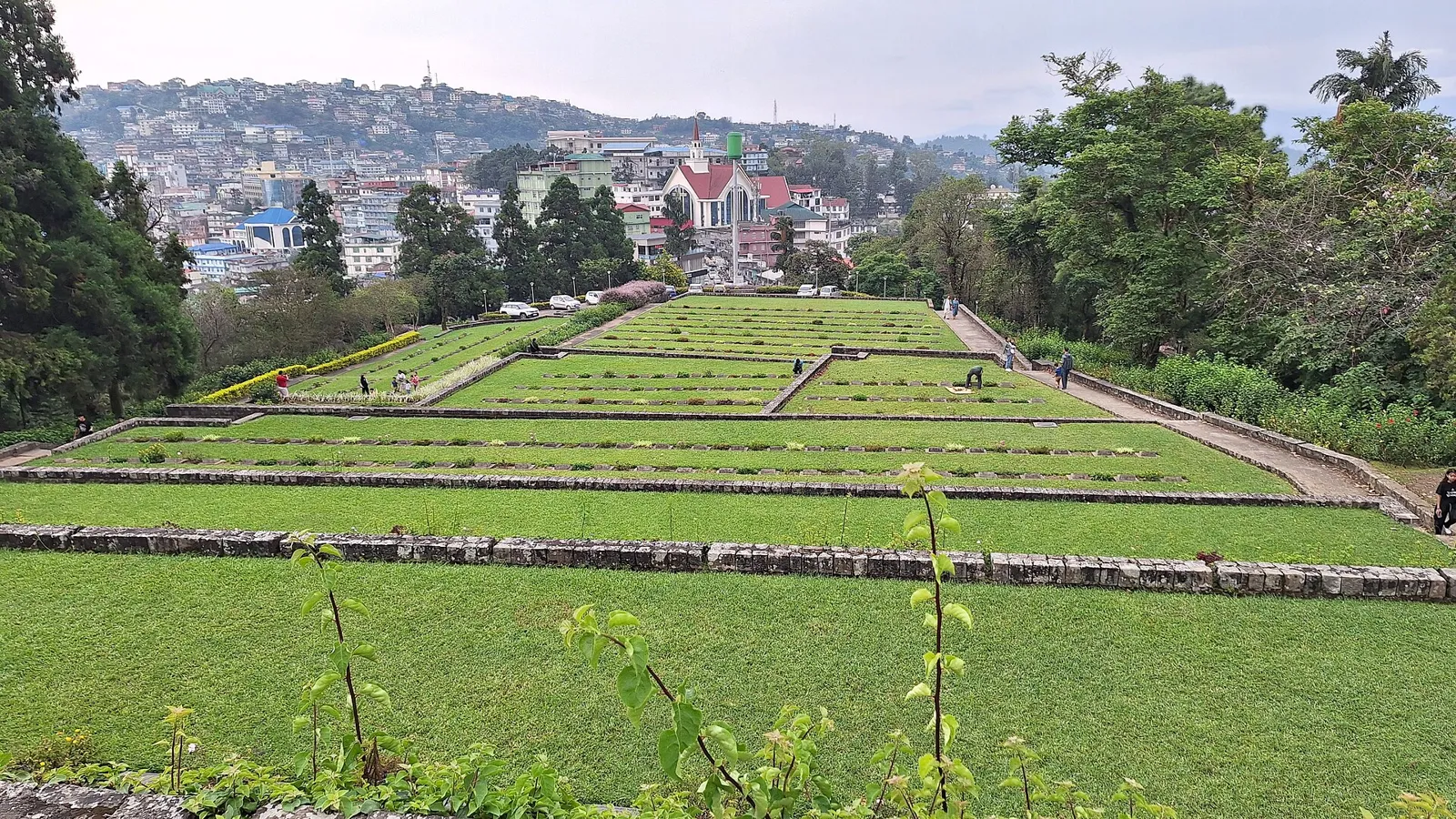
Kohima War Cemetery
Kohima War Cemetery in Nagaland commemorates Allied soldiers who died during the 1944 fighting at Kohima. Visitors come to pay their respects and remember those lost in the Second World War.
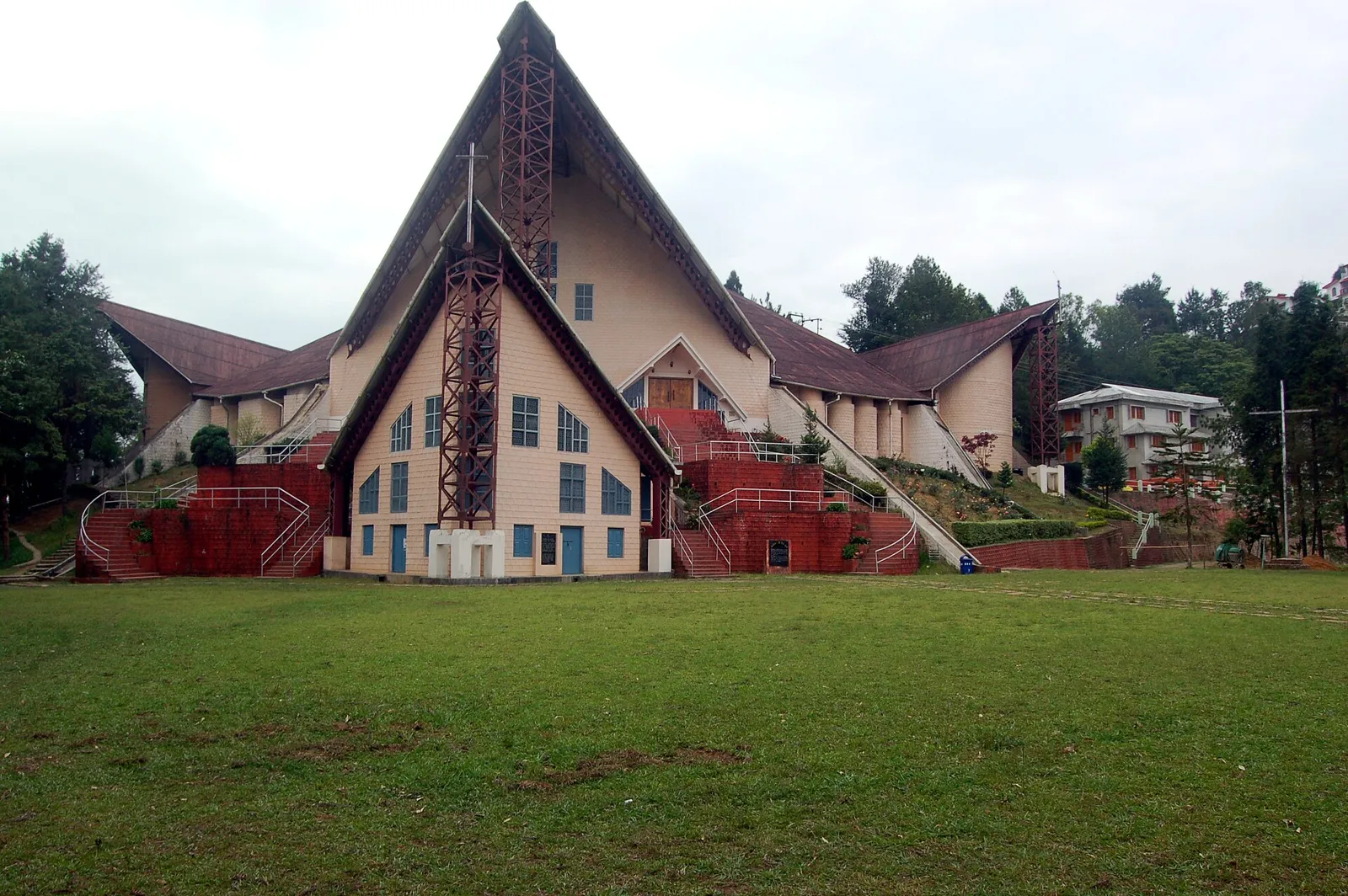
Mary Help of Christians Cathedral
This Catholic cathedral is the principal church of Kohima’s diocese in Nagaland. Visitors come to see its Naga-inspired architecture and carved cross, and to reflect on its memorial links to the Battle of Kohima.
Mount Japfü
Mount Japfü is a summit in Nagaland’s Barail Range, within Kohima district and about 15 kilometres south of Kohima. Visitors come to see the peak and its location.
Food in Kohima draws on Angami traditions and the wider cuisines of Nagaland. Smoked pork with bamboo shoot, seasonal greens and fiery king chilli, or raja mircha, relishes are familiar regional flavours. Axone, a fermented soybean ingredient used in Naga cooking, adds a distinctive aroma, while galho is a comforting rice-based porridge whose ingredients vary. Small eateries may prepare only a limited daily menu, so ask what is fresh. Vegetarian travellers should clarify whether dishes contain meat, fish or meat stock rather than assuming vegetables are cooked separately. Carry water and food for remote walks.
Kohima offers an introduction to the wider craft traditions of Nagaland, particularly handwoven textiles, basketry, bamboo and cane work, woodcarving and bead ornaments. Naga shawls and woven cloth often carry patterns associated with particular communities; their meanings should not be treated as interchangeable or merely decorative. Baskets and bamboo objects reflect practical skills developed for everyday household and agricultural use. When shopping, ask where an item was made and who produced it. Buying directly from makers or clearly identified local outlets can help support regional craftsmanship.
The Hornbill Festival, held at Kisama in December, brings performances, crafts, food and cultural events from communities across Nagaland. It is a regional festival rather than a celebration confined to Kohima district, and it can make accommodation and road transport around Kohima busier; reserve rooms ahead if travelling then. Angami communities observe Sekrenyi, generally in February, with customary rites and community gatherings. Village celebrations vary, and visitors should ask locally about access and etiquette. Festival periods can offer a fuller cultural programme but may also mean crowded venues and slower journeys.
In this district
Kohima district is mountainous, with steep ridges, forested slopes and settlements linked by winding roads. Mount Japfü rises south of Kohima, while Dzukou Valley lies across the Nagaland–Manipur border at high elevation. Cultivated plots and village landscapes sit alongside patches of forest, and views can change quickly with cloud and rain. The terrain makes even nearby visits slower than a map may suggest. Trekking routes include steep, sometimes muddy sections, so journeys to village sites and trailheads need flexible schedules and suitable footwear.
Kohima has a hill climate with a warm, wet monsoon season, generally from around June into September, and cooler, drier conditions in winter. Spring and autumn are often pleasant for village visits and walking, while October to April is commonly the most convenient period for travel; December can be busy during the Hornbill Festival. Monsoon rain may bring slippery trails, mist and road disruption, while winter evenings and high-altitude treks can feel cold. Pack layers, a waterproof jacket and sturdy shoes. For Dzukou or Mount Japfü, carry warm clothing even when Kohima town feels mild.
Dimapur Airport is the main air gateway for Kohima, and Dimapur railway station is a principal railhead for onward travel by road. Guwahati is another major regional hub for longer journeys. The road from Dimapur provides the main approach to Kohima; hill conditions and weather can affect journey times. Nagaland State Transport buses and shared taxis serve key routes, while hired vehicles are useful for village visits and reaching trekking approaches. Confirm return transport before leaving town, especially for less frequented destinations, and check current services locally.
Kohima town is the main hub for road travel within the district. Shared taxis and local vehicles connect parts of town and nearby settlements, while hired taxis or other arranged vehicles are useful for Khonoma, Kisama and trekking approaches. Local bus and shared-vehicle services vary by route and day, so confirm return options before setting out. Roads are narrow and winding, and rain or fog can slow journeys. For Dzukou Valley and Mount Japfü, arrange transport to the appropriate trail approach and check locally about the return journey; do not assume a vehicle will be waiting.
2 days: Kohima → Kohima War Cemetery → Mary Help of Christians Cathedral → Kisama Heritage Village; sleep in Kohima. 3 days: Kohima → Khonoma → Kohima → Kisama Heritage Village; sleep in Khonoma on night one and Kohima on night two. 4 days: Kohima → Kisama Heritage Village → Dzukou Valley → Mount Japfü → Touphema; sleep in Kohima, near the Dzukou Valley approach, Kohima and Touphema, respectively. Confirm local access and overnight arrangements before departure.
Kohima is the most practical base for the cemetery, cathedral, Kisama and road journeys to nearby sights. It has hotels, guesthouses and some homestays, with the widest choice in the district. Khonoma can suit travellers wanting a village stay; homestays and community-run accommodation may be available, but arrange ahead. Touphema is another village-stay option, while trekking nights near Dzukou depend on current facilities and conditions. Government accommodation may be available in some places, but availability varies. Dharamshalas are not a standard option to rely on; confirm lodging directly, especially during festival periods.
Expect steep paths, uneven steps and winding roads; use sturdy footwear and allow extra time, particularly in rain or fog. Monsoon weather can make trails slippery and affect road travel. Use treated or sealed drinking water, and carry essentials when walking outside town. Wildlife is part of the wider hill environment, so keep distance from animals and follow local guidance. Mobile coverage may be patchy in valleys and villages. Indian citizens travelling from outside Nagaland generally need an Inner Line Permit; requirements can change, so confirm through official sources before travel. Foreign visitors should also verify current registration or permit rules officially.
- Phekabout 45 km
- Dimapurabout 49 km
- Wokhaabout 56 km
- Zunhebotoabout 61 km
- Ukhrul · Manipurabout 64 km
- Perenabout 66 km
- Mokokchungabout 89 km
- Imphal West · Manipurabout 92 km
Straight-line distance between the centres of each district's destinations; road distance is longer.
All districts of Nagaland
Q: How many days should I spend in Kohima district? A: Two days can cover Kohima town and Kisama; allow three or four days for Khonoma, village stays or a trek. Q: When is the best time to visit? A: October to April is generally convenient, with December bringing the Hornbill Festival and larger crowds. Q: What is the best base for exploring? A: Kohima is the most practical base for transport, accommodation and many district sights. Q: How do I get to Kohima? A: Travel by road from Dimapur, the main air and rail gateway for onward journeys to Kohima. Q: Is Kohima suitable for families or elderly travellers? A: Kohima town and cultural sites can suit many visitors, but steep terrain, stairs and long road journeys may be challenging; assess mobility needs and choose outings accordingly.
This page draws on our 10 destination guides for Kohima and is updated as our team checks it.
Be the first to share photos, stories, advice or a helpful contact for Kohima.
Loading…