
District · Assam
Jorhat
Jorhat offers a view of Upper Assam where tea-growing countryside, a historic town and a small, protected forest refuge sit within the Brahmaputra valley.
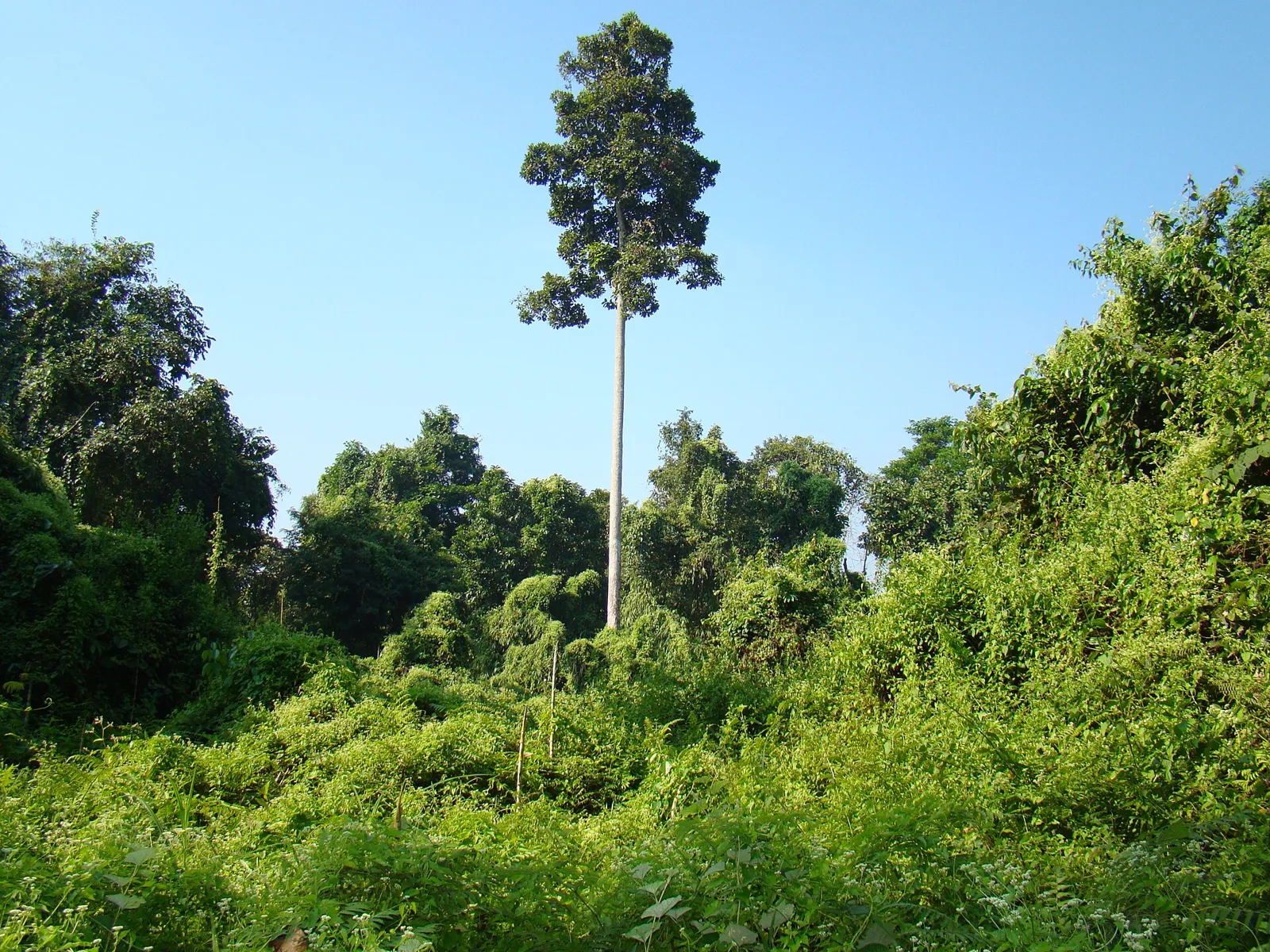
Jorhat district lies in Upper Assam’s Brahmaputra valley, where tea gardens, cultivated plains, villages and patches of forest shape the landscape. Jorhat town became an important seat of the Ahom kingdom in the late eighteenth century and later developed as a centre of the tea industry. Today, its educational and research institutions contribute to its character alongside markets and tea-related activity. Outside town, Hoollongapar Gibbon Sanctuary protects an isolated evergreen forest fragment known for hoolock gibbons and other primates. The contrast between this small forest refuge and the surrounding settled countryside is striking. Jorhat makes a useful base for exploring this part of Assam, combining urban conveniences with access to tea-growing landscapes and wildlife.
Jorhat offers a view of Upper Assam where tea-growing countryside, a historic town and a small, protected forest refuge sit within the Brahmaputra valley. The district is known for its tea industry, educational and research institutions, and the Hoollongapar Gibbon Sanctuary, noted for hoolock gibbons and other primates. Jorhat town is a practical base for exploring the area, with markets and urban services alongside access to villages and tea gardens. Travellers can combine a town visit with a sanctuary excursion, while gaining a sense of how settled plains and working landscapes shape this part of Assam.
The Jorhat area formed part of the Ahom kingdom, which ruled much of the Brahmaputra valley for centuries. Jorhat grew as an important centre in the late eighteenth century, when markets developed here and the Ahom court’s influence shifted within the kingdom. The Moamoria uprising and subsequent political upheaval weakened Ahom rule; Burmese invasions followed in the early nineteenth century. After the First Anglo-Burmese War, the 1826 Treaty of Yandabo brought Assam under British control. Tea cultivation and the associated commercial economy expanded during the colonial period, helping shape Jorhat’s towns, transport links and surrounding countryside. The area was administered within the colonial and later Sibsagar district before Jorhat became a separate district in 1983. In more recent decades, education, research and agricultural institutions have added to the district’s role in Upper Assam. District boundaries have since changed, including the creation of Majuli district from territory formerly administered as part of Jorhat.
2 destination guides
Hoollongapar Gibbon Sanctuary
Hoollongapar Gibbon Sanctuary is an evergreen forest reserve in Assam’s Jorhat district, visited for its distinctive primates, including hoolock gibbons and Bengal slow lorises.

Jorhat
Jorhat is an Assam city known for the Jorhat Gymkhana Club, home to Asia’s oldest golf course, and its location beside the Bhogdoi River.
Food in Jorhat draws on the wider traditions of Assam, with rice central to everyday meals. Look for masor tenga, a light, tangy fish curry, and aloo pitika, mashed potato seasoned with ingredients such as mustard oil, onion and chilli. Khar dishes and duck cooked with ash gourd are also associated with Assamese cooking. Pitha rice cakes are especially linked with festive occasions, including Bihu, while Assam tea is an everyday accompaniment. Menus vary across communities, and some include pork or fermented ingredients. Vegetarian travellers should explain their preferences clearly. Small eateries may serve only a limited daily selection; carry water and snacks when visiting the sanctuary.
Jorhat shares in Assam’s strong household weaving traditions, particularly cotton and silk textiles used for everyday clothing, ceremonies and gifts. The gamosa and mekhela chador are familiar examples of the wider Assamese textile tradition, often decorated with woven borders and motifs. Assam is also known for muga, eri and pat silk, though these should not be treated as exclusive products of Jorhat. Bamboo and cane work across the region supplies baskets, mats and useful household objects. When shopping, ask where an item was made, which fibre it uses and whether it is handwoven rather than assuming every locally sold textile was produced nearby.
Bihu is widely celebrated in Jorhat and across Assam: Rongali Bihu in spring, Kati Bihu in autumn and Bhogali Bihu in winter. The celebrations bring music, dance, community gatherings and seasonal foods, with public events sometimes making central areas busier. Mising communities in the wider region observe Ali-Aye-Ligang, usually in February, while Durga Puja is marked in town and villages in autumn. Festival periods can increase demand for rooms and local transport, especially around popular gatherings. Check locally for event schedules, as observances vary between communities and places.
Elsewhere in Assam
Jorhat lies on the low, mostly level plains of the Brahmaputra valley. Cultivated fields, villages and tea gardens form much of the countryside, while the Bhogdoi River runs through the town. Hoollongapar Gibbon Sanctuary protects an isolated patch of evergreen forest amid this settled landscape. There are no major hill routes within the district; travel is mainly across plains by road, though local conditions can change during heavy rain or flooding. Tea-estate roads and village routes may be narrower than the main roads, so allow time for journeys beyond town.
Jorhat has a humid, monsoon-influenced climate. Summer and the pre-monsoon period are generally warm and can bring showers; the main monsoon months bring frequent rain, waterlogged roads and possible disruption. Winter is usually cooler and comparatively drier, making November to February a comfortable period for town visits and outdoor excursions. The post-monsoon months can also suit travel, though conditions vary year to year. Pack light clothing, a rain jacket or umbrella, and shoes suitable for wet or uneven paths. In winter, bring a light warm layer, and carry sun and insect protection for time outdoors.
Jorhat Airport, also known as Rowriah Airport, serves the town; check available flights before planning around it. Jorhat Town railway station provides rail access, while Mariani Junction is another important station for reaching the district and Hoollongapar Gibbon Sanctuary. Guwahati is a major regional gateway, with onward journeys possible by rail or road. Roads connect Jorhat with other Upper Assam towns, and buses and shared vehicles serve major routes. Within town, auto-rickshaws and taxis are practical options. For the sanctuary, arrange the final road transfer and return journey in advance rather than relying on transport at the entrance. Check current services locally.
Jorhat town is the main local transport hub, with road links to nearby towns and tea-growing areas. Buses and shared vehicles serve major routes, while auto-rickshaws and taxis are useful for getting around town. A taxi or pre-arranged vehicle is generally the practical choice for Hoollongapar Gibbon Sanctuary, especially for the return journey; do not assume transport will be available at the entrance. Village and estate roads can be slower than main roads, and monsoon conditions may affect journeys. Confirm onward transport locally, particularly for travel outside town.
2 days: Jorhat, then Hoollongapar Gibbon Sanctuary; sleep in Jorhat after day one. 3 days: Jorhat, Hoollongapar Gibbon Sanctuary, then Jorhat; sleep in Jorhat on both nights.
Jorhat town is the most practical base for both a town-focused visit and a trip to Hoollongapar Gibbon Sanctuary. It has a wider choice of hotels and guesthouses, with some homestays in and around town. Staying centrally can make local transport and meals easier to arrange; choose accommodation with help organising the sanctuary transfer. Options become more limited outside the town, so visitors planning to stay in villages should arrange lodging ahead. Check directly for current availability and facilities, particularly during festival periods.
Rain can make roads slippery or waterlogged, and journeys may take longer during the monsoon; check local conditions before setting out. Use a planned return ride from Hoollongapar Gibbon Sanctuary and follow staff instructions. Keep a respectful distance from wildlife and do not feed or approach animals. Carry drinking water and use reliably treated or sealed water; insect protection is useful outdoors. Mobile connectivity can be weaker away from town, so share plans and keep essential details accessible offline. Confirm sanctuary access rules and any required permissions with official sources before visiting; no general Inner Line Permit requirement is known for this district.
- Majuliabout 29 km
- Sivasagarabout 41 km
- Mokokchung · Nagalandabout 51 km
- Charaideoabout 62 km
- Wokha · Nagalandabout 70 km
- Papum Pare · Arunachal Pradeshabout 78 km
- Mon · Nagalandabout 82 km
- Zunheboto · Nagalandabout 83 km
Straight-line distance between the centres of each district's destinations; road distance is longer.
Q: How many days should I spend in Jorhat district? A: Two days can cover Jorhat and a sanctuary visit; three days allow a more relaxed pace. Q: When is the best time to visit? A: November to February is generally comfortable and comparatively dry; monsoon travel can be disrupted by rain. Q: What is the best base for exploring? A: Jorhat town is the most convenient base for local services and a trip to Hoollongapar Gibbon Sanctuary. Q: How do I get to Jorhat? A: Jorhat Airport serves the town, and rail and road connections are available; check current services before travelling. Q: Is Jorhat suitable for families or elderly travellers? A: Yes, with a flexible pace and transport arranged in advance; sanctuary paths and wet-weather road conditions may not suit everyone.
This page draws on our 2 destination guides for Jorhat and is updated as our team checks it.
Be the first to share photos, stories, advice or a helpful contact for Jorhat.
Loading…