
District · Assam
Sonitpur
Sonitpur offers a mix of cultural heritage, riverside scenery and forest landscapes in north-central Assam.
Sonitpur lies on the north bank of the Brahmaputra in central Assam, stretching from riverine plains and wetlands towards the forested foothills of the eastern Himalayas. Tezpur, its best-known town, is a regional centre with temples, parks and archaeological remains; the carved doorway at Da Parbatia is an important example of early temple art in Assam. The district also includes Nameri National Park, where forests and rivers shape a quieter, nature-focused side of the region. Tezpur is associated with the legend of Usha and Aniruddha, while its temples and historic sites reflect a longer, varied past. Sonitpur’s character brings together Assamese town life, rural communities, tea-growing areas and access to the foothills.
Sonitpur offers a mix of cultural heritage, riverside scenery and forest landscapes in north-central Assam. Tezpur, the district’s principal urban centre, is known for sites associated with local legends and history, including Mahabhairav Temple, Agnigarh and Dah Parvatiya. Nameri National Park gives travellers access to foothill forest and wildlife habitat near the eastern Himalayas. The district is a useful stop for exploring the north bank of the Brahmaputra and Assam’s transition from river plains to Himalayan foothills. Its appeal lies in combining a compact Tezpur heritage visit with time in a protected natural landscape.
Tezpur is associated in local tradition with the ancient kingdom of Sonitpur and the legend of Bana, his daughter Usha and Aniruddha. These stories are part of regional cultural memory; archaeological remains such as the carved temple doorway at Dah Parbatia provide material evidence of an early historic past. The area later came under the influence of regional powers, including the Ahoms, whose kingdom expanded across much of Assam over several centuries. After the Treaty of Yandabo in 1826, the British established control over Assam and developed Tezpur as an administrative centre in the Brahmaputra valley. Sonitpur district was created in 1983 from the former Darrang district. District boundaries have since changed, including the creation of Biswanath district from parts of Sonitpur. Tezpur remains the district’s main town and a centre for administration, education and travel.
4 destination guides · 3 on the map
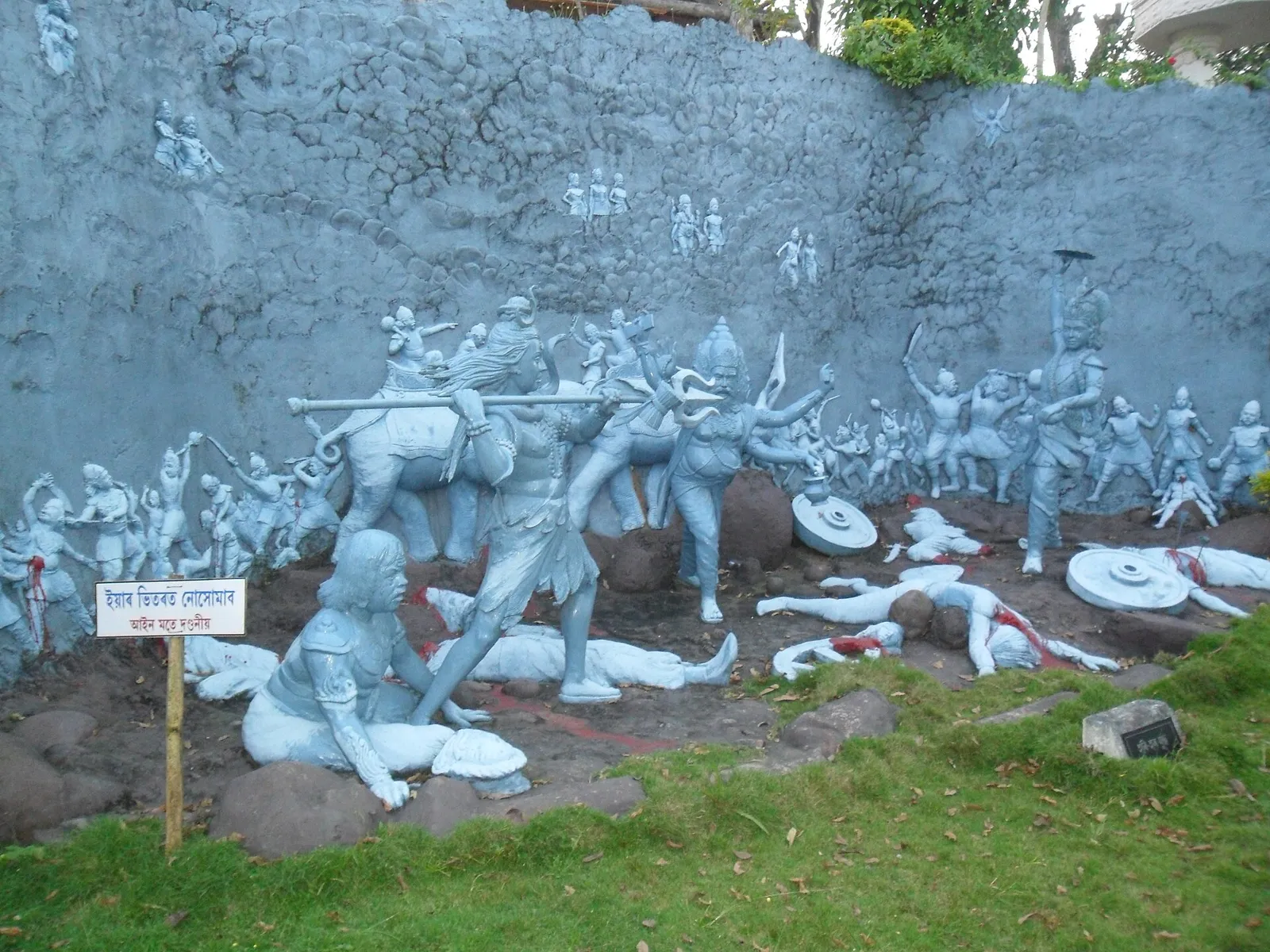
Agnigarh
Agnigarh is a hillock in Tezpur, Sonitpur district, Assam, linked to a Hindu-scriptural tale of Banasura and Usha; visitors are drawn by this mythological association.
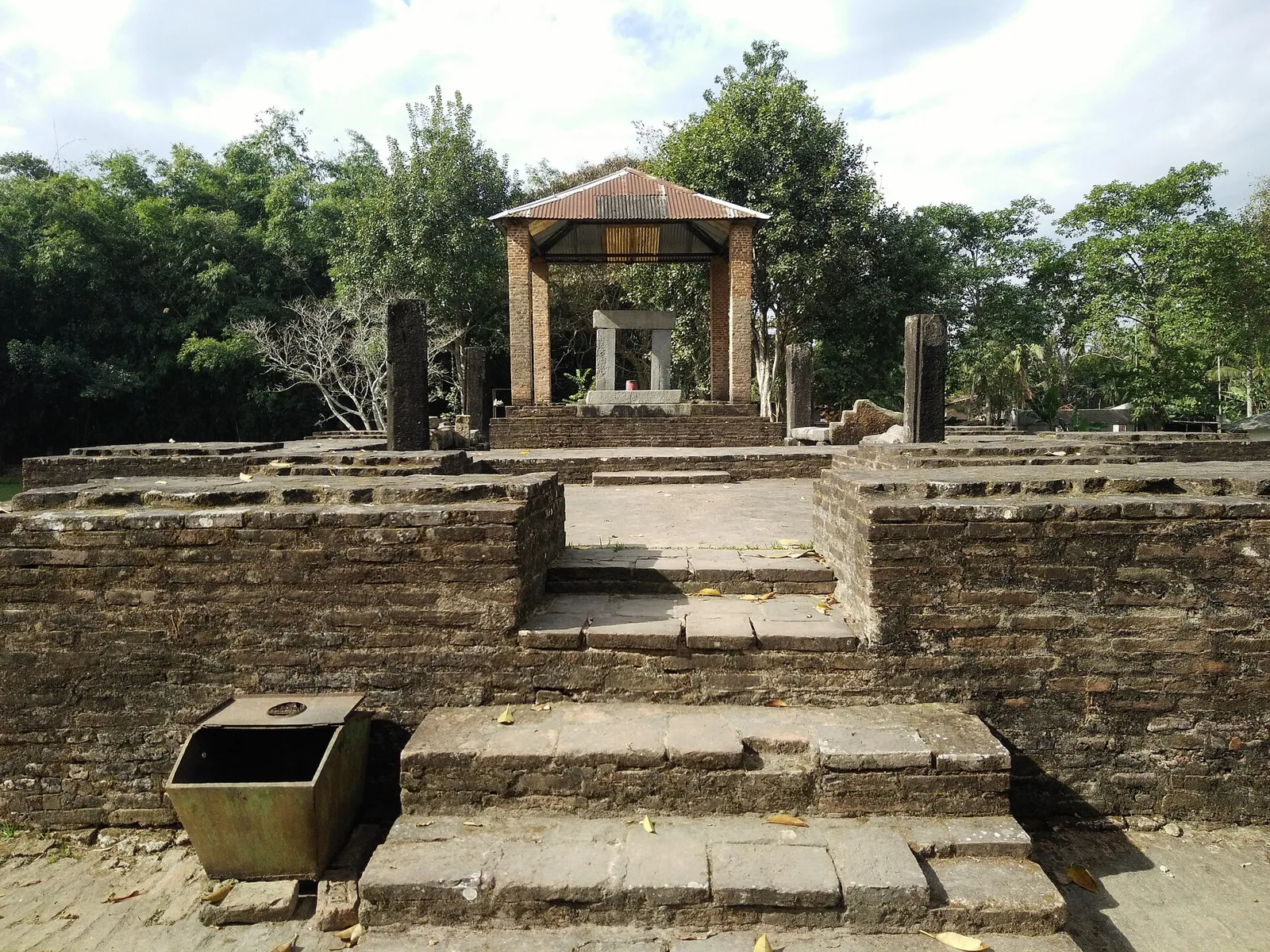
Dah Parvatiya
Dah Parvatiya is an archaeological site near western Tezpur in Assam, visited for its carved sixth-century temple doorway and the remains of a later Ahom-period Shiva shrine.
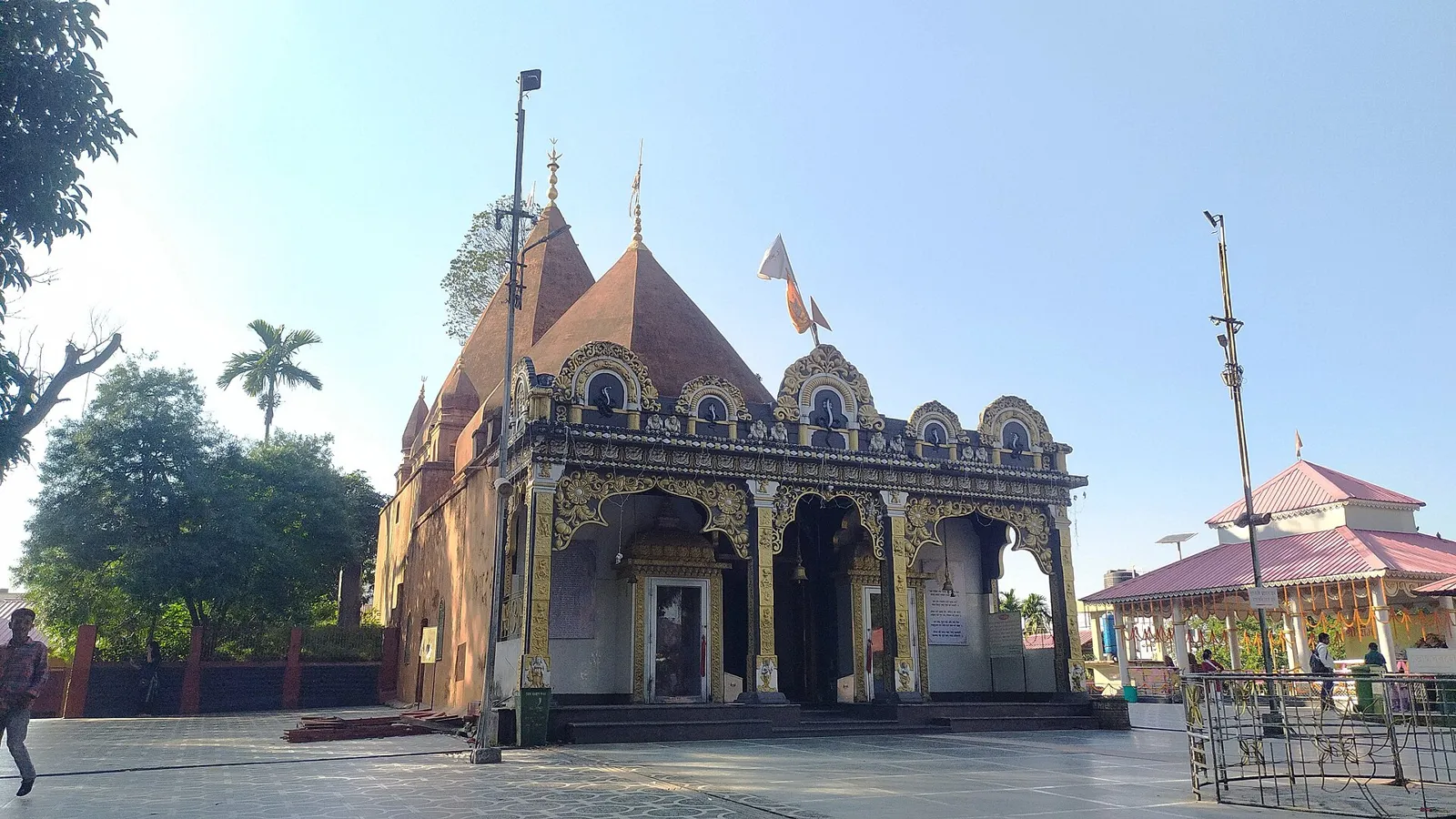
Mahabhairav Temple
Mahabhairav Temple is a Shiva shrine on a hill in Tezpur, Assam. Worshippers visit for its rituals and the Maha Shivaratri observance, which includes offerings to the deity.
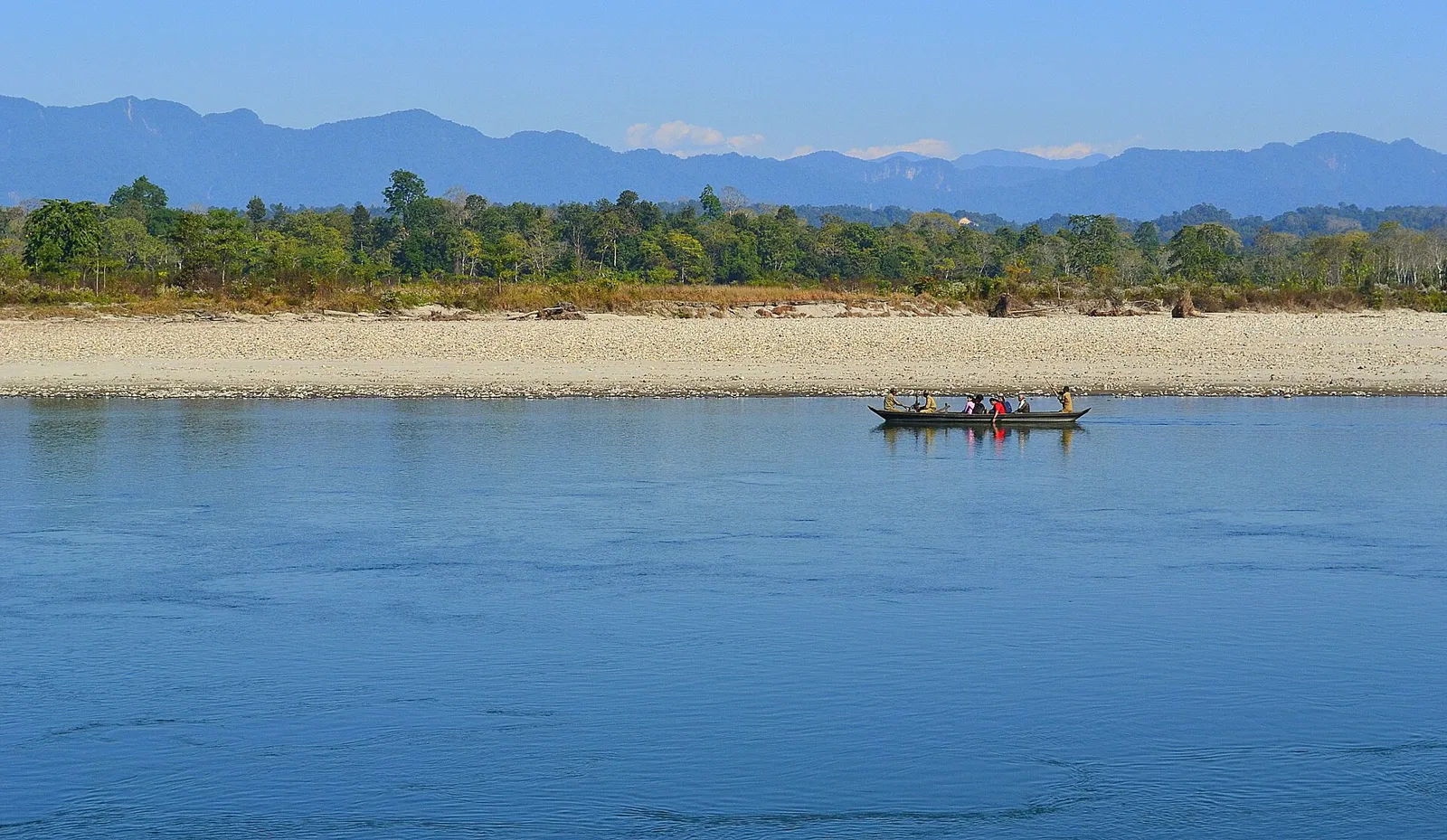
Nameri National Park
Nameri National Park is a protected area in Assam’s Sonitpur district, near the eastern Himalayan foothills. Visitors come for its wildlife, protected landscape and rivers.
Rice is central to everyday meals in Sonitpur and across Assam. Regional dishes include masor tenga, a sour, often fish-based curry; khar, a distinctive alkaline preparation; and aloo pitika, mashed potato seasoned with local ingredients. Duck cooked with ash gourd and seasonal pitha rice cakes may also be found, alongside Assam tea. Food varies between communities and households, and ingredients such as fish, pork and fermented foods are part of some local traditions, not universal preferences. Small eateries may offer a limited daily menu, so ask what is freshly prepared. Vegetarian travellers can explain their needs; rice, dal and vegetables are often available in towns.
Handloom weaving is an important tradition across Assam, and Sonitpur visitors may encounter textiles such as gamusa cloth and mekhela chador. Assam is also known more broadly for silk weaving, including muga and eri silk; availability and production vary by place, so these should be understood as regional traditions rather than crafts exclusive to Sonitpur. Bamboo and cane are used across the state for household objects, baskets and other practical goods. In Tezpur and nearby towns, local markets and cultural events can offer a chance to see regional textiles and handmade items.
Bihu is celebrated across Sonitpur, with Rongali Bihu in spring especially prominent; community events and family gatherings can make town centres busier. Durga Puja brings neighbourhood celebrations and increased activity around Tezpur. Mahashivratri is observed at Mahabhairav Temple and may draw worshippers and visitors, particularly during the festival period. These are regional and local observances rather than events with a single district-wide calendar. Crowds and demand for rooms can rise around major festival days and school holidays, so travellers seeking a particular stay should check availability ahead of time.
Elsewhere in Assam
The district extends from the Brahmaputra valley and its floodplain towards the forested foothills of the eastern Himalayas. The Jia-Bharali River, also known as the Kameng upstream, is a prominent watercourse, while smaller streams and wetlands shape parts of the lowland landscape. Nameri National Park protects foothill forest and riverine habitat. Tezpur and nearby heritage sites are reached through settled plains, whereas travel to forest areas involves more rural roads and can be affected by seasonal conditions. The shift from town and farmland to wooded foothills makes road journeys an important part of visiting Sonitpur.
Sonitpur has a humid subtropical climate. Summers, broadly from spring into early monsoon, are warm and can feel humid. The monsoon season brings frequent rain, swollen streams and the possibility of local road disruption. Winter is generally cooler and drier, making outdoor sightseeing and forest visits more comfortable. October to March is often a convenient period to visit, though conditions vary and winter mornings can be misty. Pack light, breathable clothing for warmer days, a light layer for evenings, comfortable walking shoes and rain protection if travelling near the monsoon. For Nameri, carry practical outdoor clothing and follow current park guidance.
Tezpur is the district’s main travel hub. Dekargaon railway station, serving Tezpur, is the nearest principal rail station for the town and nearby attractions. Tezpur Airport (Salonibari) is the local airport; flight options may be limited, so many visitors plan connections through Guwahati, the region’s main air and rail hub. Roads link Tezpur with Guwahati and other Assam towns, and buses, including Assam State Transport Corporation services and private coaches, serve regional routes. Taxis and local auto-rickshaws can help with town journeys; arrange transport ahead for sites farther out, including Nameri. Check current services locally before travelling.
Tezpur is the main base for moving around the district, with road connections to nearby settlements and the route towards Nameri. Local buses, shared vehicles and auto-rickshaws may serve town and regional routes, while taxis or hired cars offer more flexibility for combining sights in one day. Public transport can be less frequent for rural destinations, so confirm onward options locally and allow extra time. Access within Nameri and activities around the park are subject to local arrangements; check with authorised operators or park staff. River levels and monsoon weather can affect road journeys, especially in low-lying areas.
2 days: Mahabhairav Temple → Dah Parvatiya → Agnigarh; sleep in Tezpur on the night between sightseeing days. 3 days: Mahabhairav Temple → Dah Parvatiya → Agnigarh → Nameri National Park; sleep in Tezpur on night one and near Nameri on night two. 4 days: Mahabhairav Temple → Dah Parvatiya → Agnigarh → Nameri National Park; sleep in Tezpur on nights one and two, then near Nameri on night three.
Tezpur is the most practical base for Mahabhairav Temple, Dah Parvatiya and Agnigarh, with a range of hotels and guesthouses and some homestay options. For Nameri National Park, stay near the park in locally available lodges, camps or other accommodation, and confirm access and arrangements before travelling. A Tezpur stay suits visitors relying on town services, while an overnight near Nameri reduces the need for a long return journey after a park visit. Government accommodation may be available in the wider region, but availability and booking arrangements should be checked directly.
Use care on rural roads, particularly in heavy monsoon rain, when surfaces, streams and visibility can change quickly. In Nameri, remain with authorised guides or staff, follow park rules and keep a safe distance from wildlife; do not enter forest areas independently. Carry drinking water and use treated or sealed water if unsure about local supplies. Mobile connectivity can be limited outside Tezpur and in forested areas, so plan meetings and transport in advance. Crowds may build around festivals. Check current road, weather and park-access conditions before setting out, and confirm any required park permissions or visitor arrangements with official sources.
- Darrangabout 47 km
- Pakke-Kessang · Arunachal Pradeshabout 50 km
- Golaghatabout 55 km
- Udalguriabout 73 km
- West Kameng · Arunachal Pradeshabout 73 km
- Morigaonabout 85 km
- Papum Pare · Arunachal Pradeshabout 96 km
- Kamrup Metropolitanabout 120 km
Straight-line distance between the centres of each district's destinations; road distance is longer.
Q: How many days should I spend in Sonitpur? A: Two days can cover Tezpur’s listed heritage sights; allow three or four days if you also want to visit Nameri National Park. Q: When is the best time to visit? A: October to March is generally comfortable for sightseeing, while monsoon travel can be affected by rain and road conditions. Q: What is the best base for visiting the district? A: Tezpur is the most convenient base for the town sights; stay near Nameri for a visit to the park. Q: How do I get to Sonitpur? A: Tezpur is the district’s main travel hub and is connected by road; travellers can also use rail or air connections in the wider region and continue by road. Q: Is Sonitpur suitable for families or elderly travellers? A: Tezpur’s town sights can suit many visitors, but walking surfaces and steps vary; Nameri involves outdoor conditions, so choose activities and transport to match individual mobility.
This page draws on our 4 destination guides for Sonitpur and is updated as our team checks it.
Be the first to share photos, stories, advice or a helpful contact for Sonitpur.
Loading…