
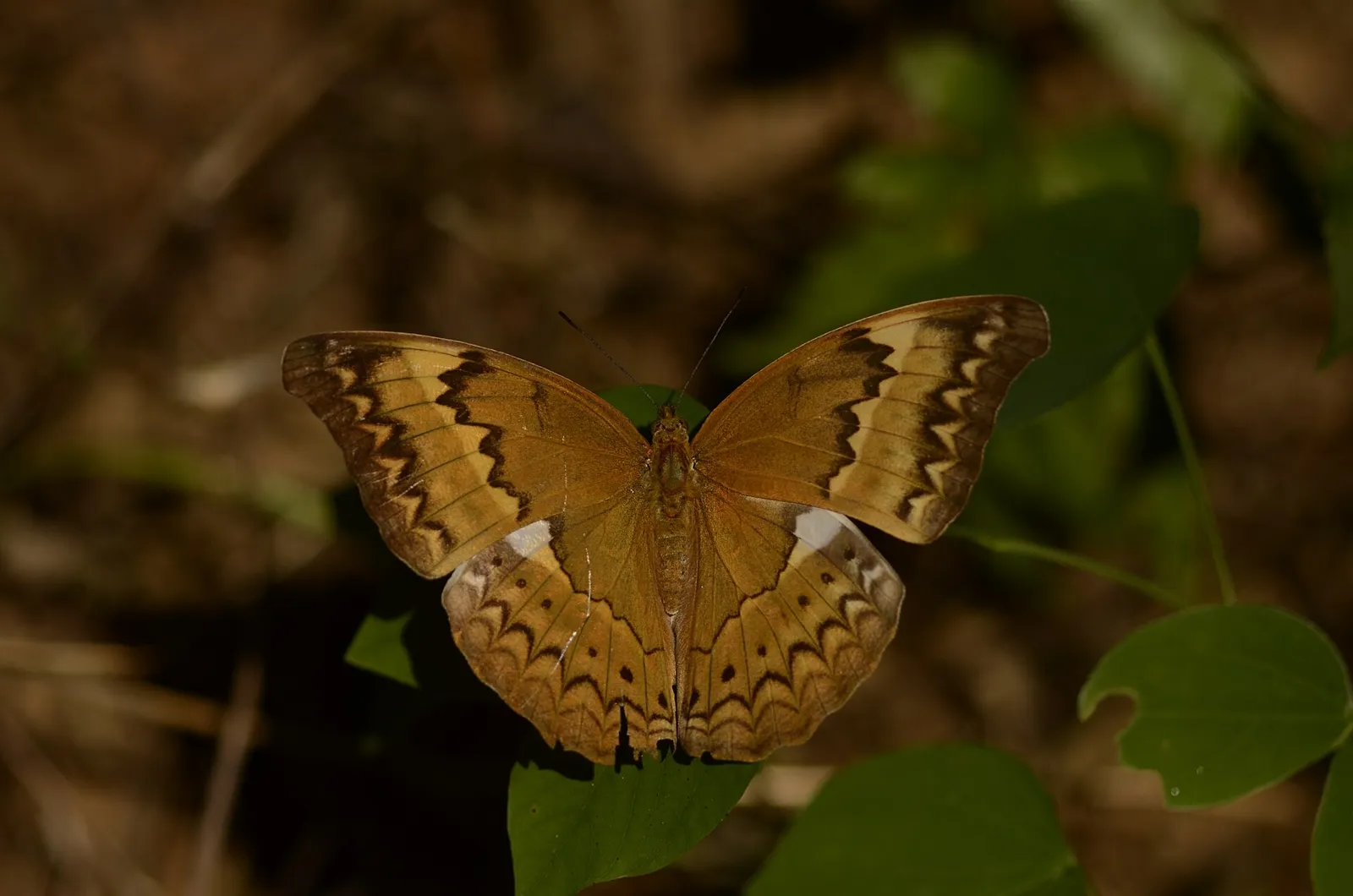
District · Arunachal Pradesh
Pakke-Kessang
Pakke-Kessang offers a quieter foothill experience in eastern Arunachal Pradesh, with Nyishi cultural life, forested hills and a sense of how settlements meet the Eastern Himalaya.
Pakke-Kessang lies in western Arunachal Pradesh, where wooded foothills rise toward the Eastern Himalaya and streams cut through forested valleys. Much of the district is rural, with scattered settlements linked by winding roads and a strong connection to the surrounding landscape. Nyishi people form an important part of the region’s cultural life, alongside other communities of Arunachal Pradesh. The district was created in 2018 from areas that had been part of East Kameng. Its character is shaped by village life, hills and forests rather than large towns. Pakke Tiger Reserve is a prominent conservation destination in the wider area; check local administrative and access information when planning a visit.
Pakke-Kessang offers a quieter foothill experience in eastern Arunachal Pradesh, with Nyishi cultural life, forested hills and a sense of how settlements meet the Eastern Himalaya. It is also a useful base for exploring the wider Pakke landscape. Pakke Tiger Reserve, the district’s listed wildlife attraction, is administratively in neighbouring East Kameng district, so visitors should check routes and entry arrangements before setting out. The district suits travellers interested in rural landscapes, forest-edge communities and slower road journeys rather than a schedule packed with developed tourist facilities.
The area’s history is closely connected with Nyishi communities, whose villages and customary institutions have shaped local life over generations. The region was not defined by a single large dynasty or kingdom; social and political ties were organised chiefly through village and clan relationships, alongside contact and exchange with neighbouring foothill and hill communities. British administration expanded into the eastern Himalayan frontier during the colonial period, but this was a frontier region rather than a centre of established colonial settlement. After independence, the area formed part of the North-East Frontier Agency, administered by the Government of India. Arunachal Pradesh became a Union Territory in 1972 and a state in 1987. Pakke-Kessang was later separated from East Kameng district as part of Arunachal Pradesh’s district reorganisation and inaugurated as a district in 2018. Its administrative identity is therefore recent, while its communities and cultural traditions have much older roots.
Food traditions here reflect the wider cuisine of Arunachal Pradesh and the Northeast, with rice served alongside seasonal vegetables, local greens, bamboo-shoot preparations and smoked meat. Thukpa and momos are familiar options in the region, while fermented ingredients and pungent pickles such as pika pila may also feature. Apong, a rice beer, is associated with many community festivals, though customs vary. Small eateries may prepare only a limited menu each day, so it is useful to ask what is fresh. Pork, beef, fish and fermented foods are common in tribal cuisines; vegetarian travellers should explain their requirements clearly.
Craft traditions associated with Nyishi communities and the wider region include handwoven textiles, cane and bamboo work, baskets and practical household objects. Beadwork and ornaments may also form part of traditional dress and ceremonial life. Designs, materials and techniques vary between communities and villages, so these are regional traditions rather than crafts exclusive to Pakke-Kessang. In smaller settlements, craft items may be made for local use and not regularly offered for sale. Ask permission before photographing artisans or their work, and buy directly from makers where possible.
Nyokum Yullo, associated with Nyishi communities, is generally celebrated in February and is among the region’s most visible community festivals. Village-level observances and other cultural gatherings take place at different times, with practices varying between communities. Celebrations can bring residents and visitors together at local centres, but their effect on accommodation is usually local rather than district-wide. Rooms and transport options are limited in many places, so travellers hoping to attend a particular event should check with local authorities or hosts and arrange their stay in advance.
Pakke-Kessang lies in the eastern Himalayan foothills, where wooded ridges, valleys and rural settlements shape the journey. Rivers and streams drain the hills, while forest cover is prominent in the wider Pakke region. Roads follow valley floors and climb or curve through hilly terrain, so trips between settlements can take longer than the map suggests, especially during wet weather. The district’s forest-edge setting also means that visitors should respect local land use and wildlife guidance. Pakke Tiger Reserve is in neighbouring East Kameng district, despite its place in this district’s travel list.
The district has a humid foothill climate, with warm conditions in summer, a wet monsoon season and cooler, generally drier weather in winter. Monsoon rain can make roads slower and occasionally disrupt travel, while winter tends to offer more comfortable conditions for road journeys and outdoor visits. The months from October to April are generally a practical period to plan a visit, though conditions vary from year to year. Pack light layers, rain protection in any season, sturdy footwear and clothing suitable for changing weather. Check local road and weather conditions before travelling, particularly during the monsoon.
There is no major airport or railway station in Pakke-Kessang district. Tezpur Airport (Salonibari) and Bhalukpong railway station are nearby regional points named in travel information for the area, but onward journeys are by road. Guwahati is a major air and rail hub for longer-distance travel. Routes from Assam enter Arunachal Pradesh through Bhalukpong, then continue on winding hill roads; road conditions and journey times can vary, especially during the monsoon. Shared vehicles and taxis may serve larger settlements, while local transport can be limited. Arrange the final leg in advance and check current services locally.
Travel within Pakke-Kessang is primarily by road. Lemmi, the district headquarters, and settlements such as Seijosa are linked by hilly roads, but services may be infrequent and onward connections can be limited. Shared jeeps and local buses may operate on some routes; private taxis or a vehicle arranged in advance offer more flexibility, particularly for reaching forest-edge areas. Do not assume an auto-rickshaw network or regular public transport between every settlement. Confirm current road conditions and transport locally, and allow extra time for rain, bends and slower sections.
2 days: Pakke Tiger Reserve; sleep in Seijosa after day 1. 3 days: Pakke Tiger Reserve; sleep in Seijosa after days 1 and 2, then return on day 3.
Seijosa is the most practical base for a visit focused on Pakke Tiger Reserve, while Lemmi is useful for district-level travel and services. Accommodation in the district is limited and is more likely to consist of basic guesthouses, homestays or government facilities than a broad range of hotels. Forest-related accommodation, where available, may require advance arrangements. Options can be sparse outside the main settlements, so confirm availability with local hosts or relevant authorities before travelling. Do not rely on finding a room on arrival, especially during community events.
Hilly roads can be narrow, winding and slow, and monsoon rain may affect surfaces or cause delays. Use a local driver familiar with the route and avoid rushing after dark. In forest areas, follow official wildlife guidance, keep a safe distance from animals and do not walk beyond permitted areas. Carry drinking water and basic medicines; medical facilities and mobile connectivity can be limited outside settlements. Indian visitors need an Inner Line Permit to enter Arunachal Pradesh; foreign visitors should check the applicable permit rules. Confirm current entry requirements and any reserve permissions with official sources before travel.
- West Kamengabout 45 km
- Sonitpur · Assamabout 50 km
- Golaghat · Assamabout 67 km
- Papum Pareabout 75 km
- Udalguri · Assamabout 77 km
- Darrang · Assamabout 79 km
- Lower Subansiriabout 111 km
- Tawangabout 112 km
Straight-line distance between the centres of each district's destinations; road distance is longer.
Q: How many days should I spend in Pakke-Kessang? A: Two days can suit a focused visit to Pakke Tiger Reserve; allow three days for a slower road-based trip. Q: When is the best time to visit? A: October to April is generally more practical for travel, while monsoon rain can slow road journeys. Q: Where is the best base? A: Seijosa is practical for the reserve; Lemmi is useful for district-level travel and services. Q: How do I get to the district? A: Travel by road from other Arunachal foothill centres, then arrange local transport for onward journeys; check current connections before setting out. Q: Is the district suitable for families or elderly travellers? A: It can suit travellers comfortable with long, bumpy road journeys and limited facilities; plan rest stops, medicines and accommodation ahead.
This page draws on our 1 destination guides for Pakke-Kessang and is updated as our team checks it.
Be the first to share photos, stories, advice or a helpful contact for Pakke-Kessang.
Loading…