
District · Arunachal Pradesh
Lohit
Lohit offers a view of eastern Arunachal Pradesh where river plains, forested Mishmi Hills and communities with distinct cultural traditions meet.
Lohit district lies in eastern Arunachal Pradesh, where the Mishmi Hills meet the river valleys and lowlands adjoining Assam. The Lohit River shapes its landscape, with forested slopes giving way to cultivated land and settlements around Tezu, the district headquarters. Mishmi communities are an important part of the area's cultural identity, alongside other communities connected through trade and migration. Parshuram Kund, associated in Hindu tradition with the sage Parashurama, is a major pilgrimage destination, especially around Makar Sankranti. Together, Tezu and the kund offer contrasting introductions to the district: an administrative town serving surrounding settlements, and a sacred riverside landscape drawing visitors from beyond the region.
Lohit offers a view of eastern Arunachal Pradesh where river plains, forested Mishmi Hills and communities with distinct cultural traditions meet. The district is best known to many visitors for Parshuram Kund, a Hindu pilgrimage site on the Lohit River associated with the sage Parashurama and especially busy around Makar Sankranti. Tezu, the district headquarters, provides an administrative and travel base for nearby settlements and the pilgrimage landscape. The district’s position beside Assam also reflects long-standing connections between hill communities and the adjoining plains. Visitors should allow time for road travel and check current access conditions before setting out.
The region’s history includes the distinct traditions of Mishmi communities in the hills and the river valleys, as well as longstanding links with the plains of Assam. Trade and political contact connected the lower valleys with neighbouring Assamese polities, including the Ahom kingdom, while upland communities retained their own social and cultural institutions. Parshuram Kund’s religious importance belongs to Hindu tradition and pilgrimage, rather than to a single documented political period. British administration expanded into the northeastern frontier after the Treaty of Yandabo in 1826, though control and administration of the hills developed gradually. After independence, the area was administered within the North-East Frontier Agency (NEFA), including as part of the Lohit Frontier Division. Lohit became a district in 1980. NEFA became the Union Territory of Arunachal Pradesh in 1972, and Arunachal Pradesh attained statehood in 1987. The district’s boundaries later changed as new districts were formed: Anjaw was separated in 2004 and Namsai in 2014. Tezu became the headquarters of the reduced district.
2 destination guides
Parshuram Kund
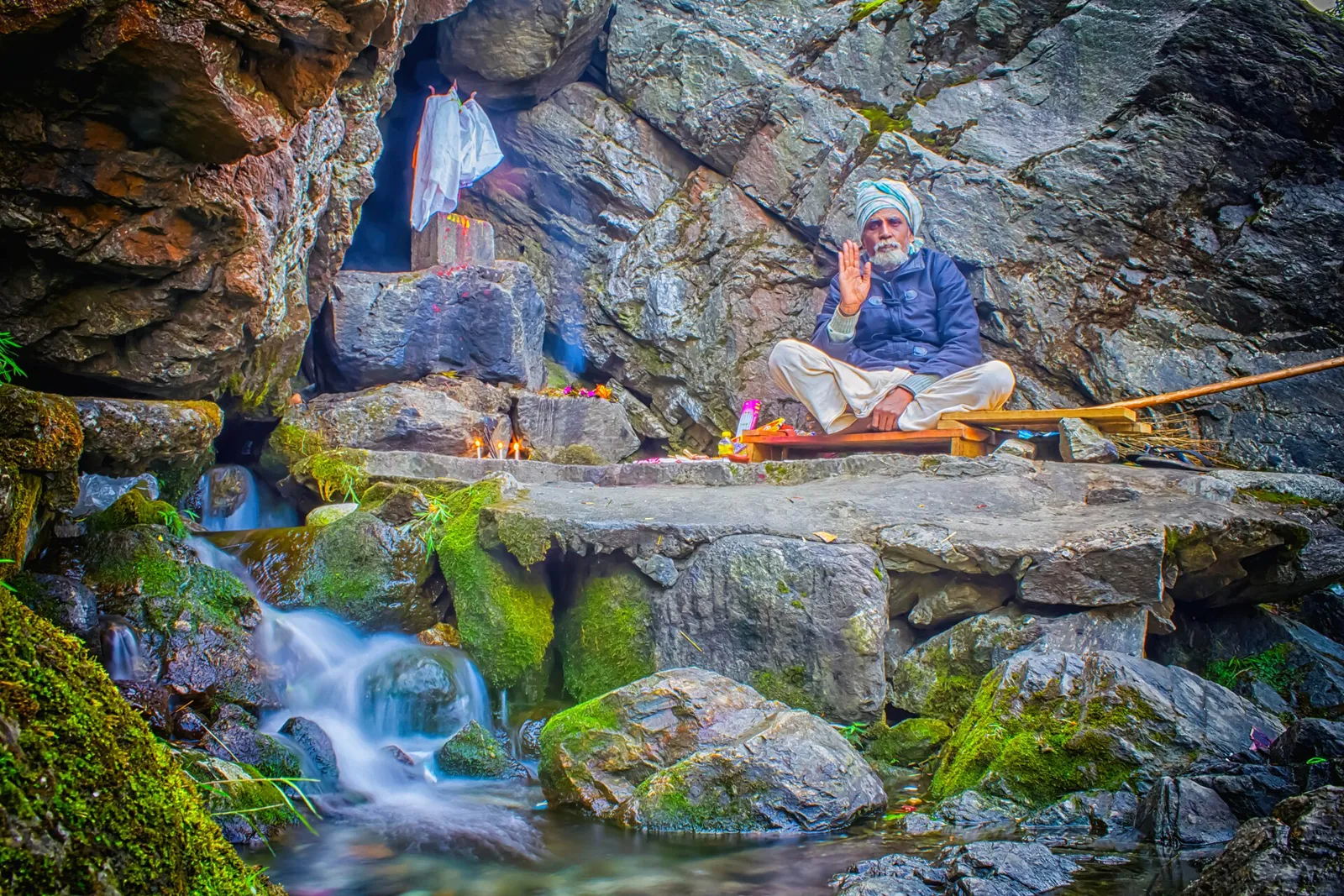
Parshuram Kund is a Hindu pilgrimage destination in Arunachal Pradesh’s Lohit district, associated with sage Parashurama; visitors gather there for ritual bathing during Makar Sankranti.
Tezu
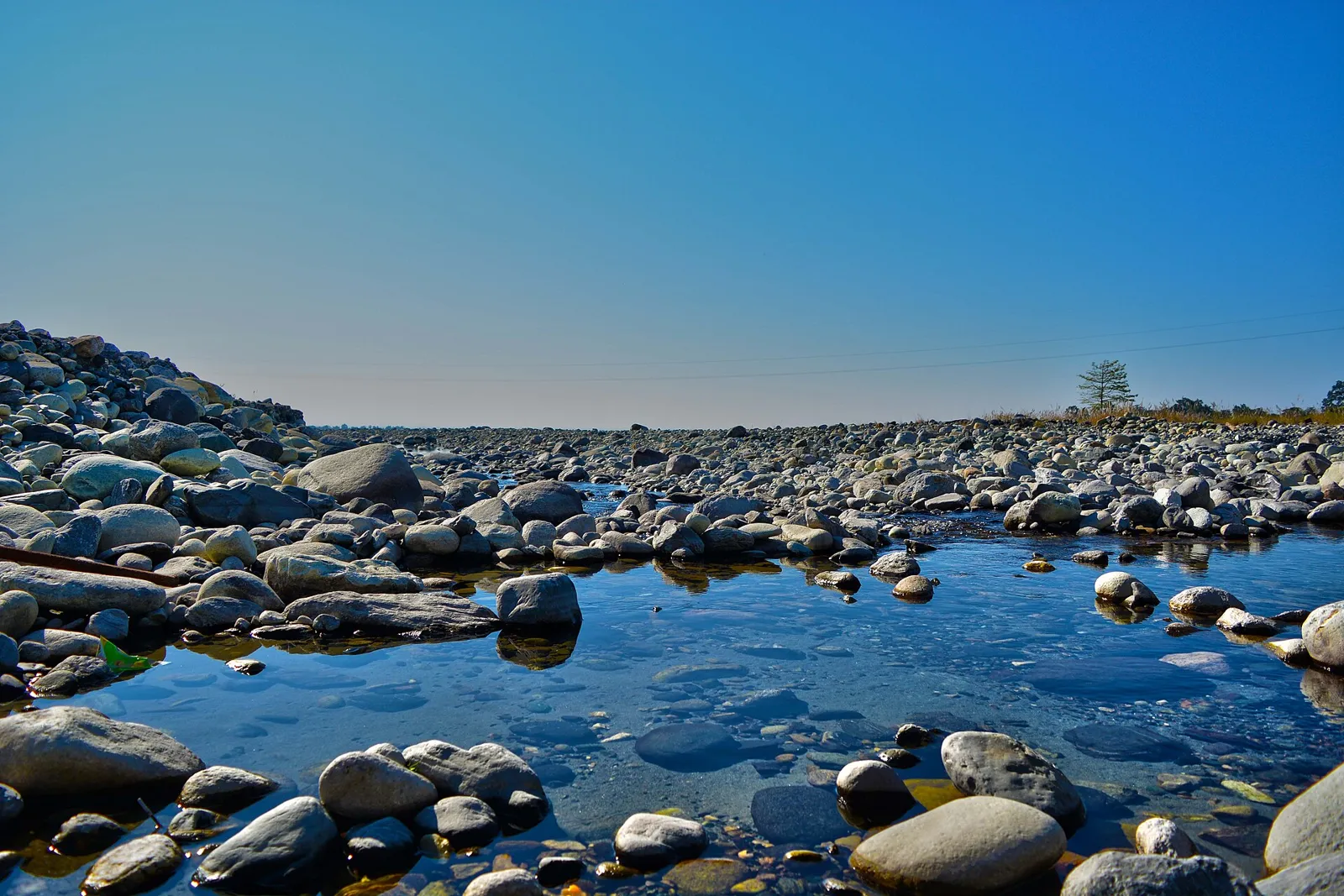
Located in Arunachal Pradesh, Tezu is a census town and the administrative centre of Lohit district. Its plains, forests and river landscapes draw interest, while the town also provides a transport link to Anjaw district.
Food in Lohit reflects the wider traditions of eastern Arunachal Pradesh, with rice, local greens, bamboo shoots, fish and meat featuring in everyday meals. Smoked foods and fermented ingredients are common in regional tribal cooking, though recipes vary between communities and households. Rice beer is part of many community celebrations across Arunachal Pradesh. In Tezu, travellers may also find familiar regional favourites such as momos and thukpa. Small eateries often prepare only a limited daily menu, so ask what is fresh. Vegetarians should clarify whether dishes contain meat stock, fish or fermented animal ingredients.
Mishmi textile traditions are an important reference point for crafts in the Lohit region. Handwoven garments and accessories often feature stripes and geometric patterning, with designs and ways of wearing them varying among communities. Cane and bamboo work, including baskets and useful household objects, belongs to the wider craft heritage of Arunachal Pradesh. Bead ornaments also feature in regional dress traditions. In Tezu, ask locally about community-made textiles and craft sellers; check who made an item rather than assuming every souvenir on sale was produced within the district.
The most prominent visitor event is the Parshuram Kund Mela around Makar Sankranti in January, when pilgrims gather for ritual bathing and the area becomes much busier; accommodation and road capacity can be under pressure. Tamladu, associated particularly with Idu Mishmi communities, is generally observed in February. Other communities in the wider region celebrate their own seasonal festivals, whose observance varies by locality and calendar. Festival dates can shift or be announced locally, so check current information and arrange a stay in advance if travelling during a major gathering.
The Lohit River runs through the district’s valleys and lower, cultivated areas, while forested slopes rise towards the Mishmi Hills. Around Tezu, settlements and farmland occupy more accessible lowlands; roads towards Parshuram Kund lead into a landscape increasingly shaped by foothills and river terrain. The combination of plains, hills and heavy seasonal rain can make journeys slower than a map suggests. River crossings, winding roads and changing conditions mean visitors should leave room in their plans and check local advice before travelling.
Conditions vary between the warmer, more humid lowlands and the cooler hill areas. Summer is generally warm, and the monsoon, usually from around June into September, brings heavy rain that can disrupt roads and travel. Winter is comparatively cool, especially in the mornings and evenings. October to April is often the more practical period to visit, with drier conditions outside the main monsoon; January is especially busy around the Parshuram Kund pilgrimage. Pack light layers, a waterproof jacket, sturdy footwear and protection from sun and insects. Check forecasts and road reports close to departure.
Tezu Airport is the district's closest air gateway, but confirm whether flights suit your travel dates. Ledo in Assam is a nearby railway option; practical onward connections matter more than straight-line proximity. Guwahati is a major regional rail and air hub. Road approaches run through Assam towards Tezu, with onward road travel to Parshuram Kund. Buses, shared vehicles and hired taxis may serve these routes, depending on availability. Allow flexibility for rain, road damage and slow hill journeys. Indian visitors generally need an Inner Line Permit for Arunachal Pradesh; foreign visitors should verify applicable entry requirements. Check current services locally.
Road travel is the main way to move around Lohit. Tezu is the district’s principal base, and road journeys connect it with surrounding settlements and Parshuram Kund. Local buses and shared vehicles may operate on some routes, while hired taxis offer more flexibility; availability can vary, so confirm locally before relying on a connection. Auto-rickshaws may be useful for short trips within Tezu. Roads can be slow or affected by rain, and services may be limited outside town. There is no need to plan around boat transport for the listed destinations.
2 days: Tezu (sleep in Tezu); Parshuram Kund (return to sleep in Tezu). 3 days: Tezu (sleep in Tezu); Parshuram Kund (return to sleep in Tezu); Tezu (sleep in Tezu).
Tezu is the most practical base for both listed destinations, with hotels and guesthouses and some homestay options. It also offers better access to everyday services than smaller settlements. For a visit focused on Parshuram Kund, staying in Tezu and travelling to the site is a straightforward plan; accommodation near the pilgrimage area may be limited or seasonal, particularly during the Makar Sankranti gathering. Government lodges or pilgrim facilities may be available in the wider area, but confirm access and availability before relying on them.
Allow extra time for winding roads, rain damage and changing river or hill conditions, and check locally before setting out. During the Parshuram Kund gathering, expect crowds and busy roads. Use treated or sealed drinking water and carry essential medicines; medical facilities are more limited outside Tezu. Mobile connectivity can be patchy beyond town. Keep a safe distance from wildlife and do not enter rivers or unfamiliar water without local guidance. Indian visitors generally need an Inner Line Permit for Arunachal Pradesh; foreign visitors should verify applicable Protected Area Permit and other entry requirements with official sources before travel.
- Namsaiabout 32 km
- Lower Dibang Valleyabout 44 km
- Changlangabout 46 km
- Anjawabout 82 km
- Tinsukia · Assamabout 85 km
- East Siangabout 94 km
- Dibang Valleyabout 106 km
- Upper Siangabout 157 km
Straight-line distance between the centres of each district's destinations; road distance is longer.
Q: How many days should I spend in Lohit? A: Two days can cover Tezu and a visit to Parshuram Kund; three days gives more room for road delays and a slower visit. Q: When is the best time to visit? A: October to April is often the more practical season. January brings the Parshuram Kund pilgrimage crowds, while monsoon travel can be disrupted by rain. Q: What is the best base for visiting the district? A: Tezu is the most practical base for the listed destinations and has the widest choice of services and accommodation. Q: How do I get to Lohit? A: Tezu Airport may have suitable flights depending on the season and schedule. Ledo in Assam is a nearby rail option, while Guwahati is a major regional hub; onward travel to Tezu is by road. Q: Is Lohit suitable for families or elderly travellers? A: It can suit travellers who are comfortable with long, sometimes slow road journeys. Families and older visitors should plan rest stops, check road conditions and consider mobility needs at the pilgrimage site.
This page draws on our 2 destination guides for Lohit and is updated as our team checks it.
Be the first to share photos, stories, advice or a helpful contact for Lohit.
Loading…