
District · Arunachal Pradesh
Namsai
Namsai offers a different perspective on Arunachal Pradesh: a low-lying eastern district of river plains, farms and forest-edge settlements rather than high mountain scenery.
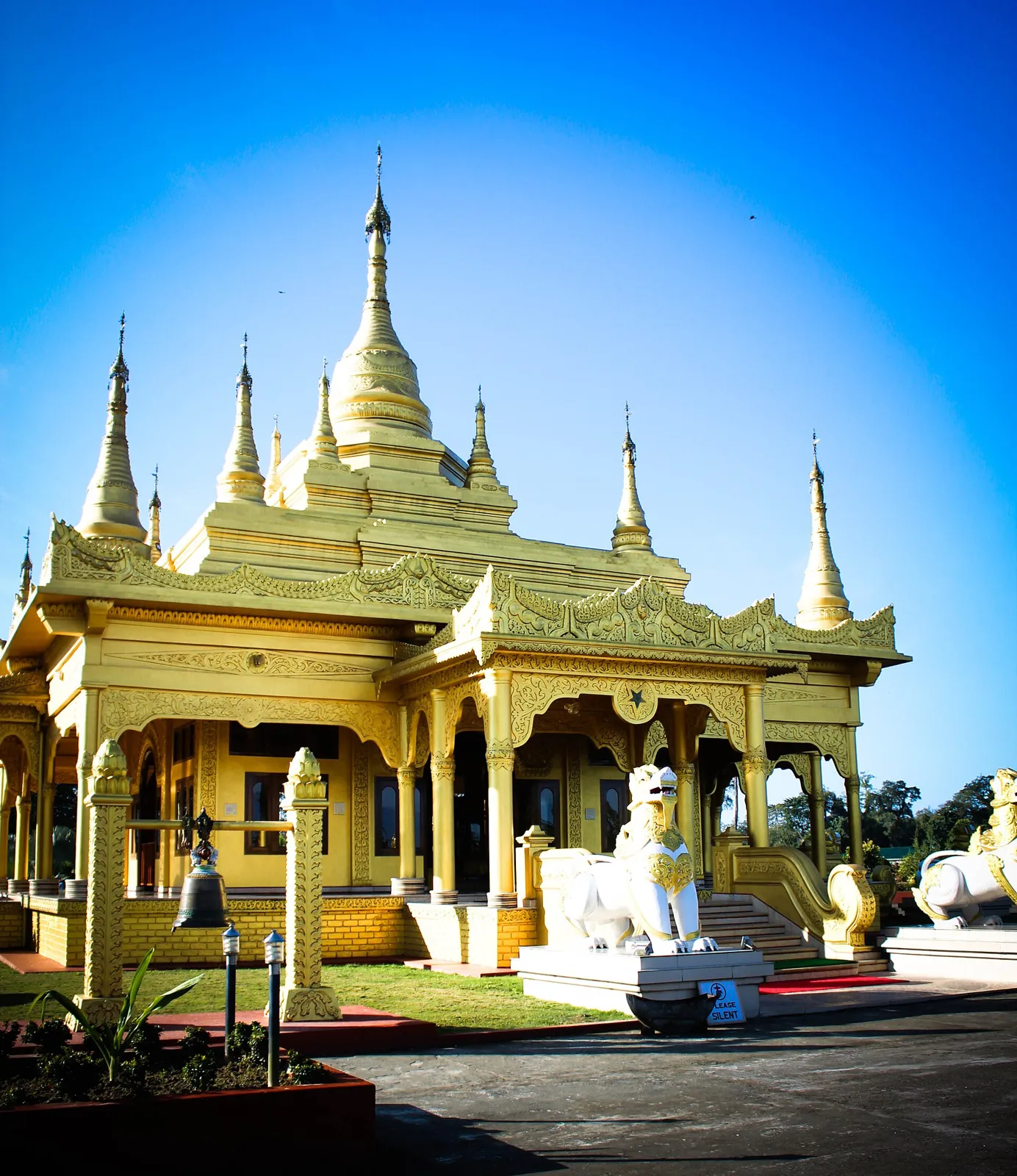
Namsai lies in the low-lying eastern foothills of Arunachal Pradesh, where river plains, paddy fields and pockets of forest create a gentler landscape than the state's high mountain districts. Created from Lohit district in 2014, it has a strong Tai-Khamti cultural presence, alongside Singpho and other communities. Buddhist monasteries are important centres of religious and community life. The best-known landmark is the Golden Pagoda, or Kongmu Kham, a Burmese-style Buddhist temple opened in 2010. Its architecture offers an introduction to the area's Theravada Buddhist heritage. Beyond this prominent monument, Namsai's character is shaped by farming settlements, local markets and close connections with neighbouring Assam.
Namsai offers a different perspective on Arunachal Pradesh: a low-lying eastern district of river plains, farms and forest-edge settlements rather than high mountain scenery. It is especially known for the Golden Pagoda, or Kongmu Kham, a Burmese-style Theravada Buddhist temple opened in 2010. The district has a strong Tai-Khamti cultural presence, alongside Singpho and other communities, and monasteries are part of local religious and community life. Its position near Assam also makes it a useful stop on an eastern Arunachal road journey. Visitors can combine a visit to the pagoda with time in Namsai town and the surrounding rural landscape.
The Namsai region is home to Tai-Khamti and Singpho communities, whose histories connect the eastern Himalayan foothills with areas to the east and the plains of Assam. Tai-Khamti settlement in this part of the region is generally associated with migrations from the east over several centuries; community traditions and Buddhist institutions remain important to local identity. The area also formed part of a wider frontier zone where communities maintained their own social and political structures while interacting with neighbouring Assamese kingdoms and settlements. British control over Assam followed the Treaty of Yandabo in 1826, after which colonial administration gradually extended into the northeastern frontier. The region remained remote, and administrative boundaries changed over time. After Indian independence, it was administered within the evolving territory of the North-East Frontier Agency, later Arunachal Pradesh. Namsai was part of Lohit district until it became a separate district in 2014. The Golden Pagoda, opened in 2010, is a modern landmark rather than an ancient monument.
Rice anchors meals in Namsai, with vegetables, leafy greens, fish and meat featuring in the food traditions of its communities. Bamboo shoots, smoked ingredients and fermented flavours are part of the wider Arunachal food landscape, though preparations vary between households and communities. Tai-Khamti and Singpho food traditions are worth exploring through locally recommended eateries rather than assuming a standard tourist menu. Momos and thukpa may also be available, but are not specifically Namsai specialities. Small eateries often prepare limited daily menus. Vegetarian travellers should ask about meat stock, fish and fermented ingredients, and explain whether eggs are acceptable.
Cane and bamboo work, basketry and handwoven textiles belong to the wider craft traditions of eastern Arunachal Pradesh. Around Namsai, Tai-Khamti clothing and woven fabrics are expressions of community identity, while Buddhist monasteries provide opportunities to observe religious imagery, ornament and architectural decoration. The Golden Pagoda is particularly useful for appreciating Burmese-style Buddhist aesthetics, though it is a place of worship rather than a craft showroom. Ask locally about practising weavers or artisan groups, and seek permission before photographing people, workshops or religious objects.
Sangken, the Tai-Khamti water festival and New Year observance, is celebrated in the spring, usually around April. Buddhist communities also mark religious occasions through monastery ceremonies during the year; the timing of local observances can vary. These events offer a chance to see community traditions, but visitors should be respectful around worship and ask before photographing ceremonies. Festival periods may bring more visitors to local religious sites and busier town services, though Namsai does not generally require the same room planning as a major festival destination. Confirm local dates and accommodation availability before travelling.
Namsai occupies low-lying country in Arunachal Pradesh's eastern foothills, with open river plains, paddy fields, settlements and patches of forest. The landscape is gentler than that of the state's high mountain districts, but rivers and seasonal streams shape local routes and rural life. Roads connect the town and surrounding settlements, while journeys beyond the district can involve longer drives through neighbouring Assam or other parts of Arunachal Pradesh. In the monsoon, wet conditions can slow travel and affect some roads. Forest-edge areas and agricultural land are part of the district's everyday scenery.
Namsai has a humid climate, with warm to hot conditions before and during the monsoon. The main rains generally fall from around June into September, when downpours can make road journeys slower. Winter is usually drier and more comfortable for exploring, though mornings and evenings can feel cool. October to April is generally the most convenient period to visit, with the cooler months especially pleasant for outdoor sightseeing. Pack light clothing for daytime, a light layer for evenings, comfortable shoes and sun protection. During the rainy season, bring waterproof clothing and allow flexibility in travel plans.
Tezu Airport is a nearby air gateway, while Dibrugarh in Assam is another option for planning an onward road journey. Ledo is a nearby railway station; Tinsukia is also worth considering for rail connections and access by road. Namsai is approached through eastern Assam, with road links towards Tinsukia and neighbouring Arunachal towns. Airport and station proximity on a map does not reliably indicate driving time. Taxis and shared vehicles are useful for onward travel, but availability varies; arrange local sightseeing transport in advance where possible. Indian visitors generally require an Arunachal Pradesh Inner Line Permit. Check current services locally.
Namsai town is the practical hub for reaching the Golden Pagoda and nearby settlements. Local roads connect the town with communities across the district and link onward towards Tinsukia and other parts of eastern Arunachal Pradesh. Shared vehicles and local buses may operate on common routes, but services can be limited or irregular; taxis are useful for flexible sightseeing. Auto-rickshaws may be available for short town journeys. Arrange a vehicle ahead for visits outside the main town, and confirm the return plan locally. There is no need to rely on boat transport for the usual district sightseeing route.
2 days: Namsai town; visit Golden Pagoda; sleep in Namsai on both nights. 3 days: Namsai town; visit Golden Pagoda at an unhurried pace; sleep in Namsai each night.
Namsai town is the most practical base for visiting the Golden Pagoda and arranging local transport. It is also convenient for travellers making a short stop on a route through eastern Arunachal Pradesh. Accommodation is generally town-based, with hotels and guesthouses the most straightforward options; homestays or government accommodation may be available, but should be confirmed in advance. Choices can be more limited than in larger regional centres, so book ahead during festival periods or when travelling in a group.
Check road conditions before setting out, especially during the monsoon, when heavy rain may slow journeys or affect local routes. Use a local driver for unfamiliar rural roads and avoid rushing after dark. Carry drinking water and use sealed or properly treated water; take routine precautions against insects and heat. Mobile connectivity can vary outside town, so share plans and keep offline directions available. Be respectful at monasteries and ask before taking photographs. Indian visitors generally need an Arunachal Pradesh Inner Line Permit; foreign visitors should check the applicable permit requirements. Confirm current rules through official sources before travel.
- Lohitabout 32 km
- Lower Dibang Valleyabout 42 km
- Changlangabout 45 km
- Tinsukia · Assamabout 54 km
- East Siangabout 71 km
- Dibang Valleyabout 114 km
- Anjawabout 114 km
- Lower Siangabout 126 km
Straight-line distance between the centres of each district's destinations; road distance is longer.
Q: How many days should I spend in Namsai? A: Two days is enough for a relaxed visit centred on the Golden Pagoda; allow more time if Namsai is part of a longer regional road journey. Q: When is the best time to visit? A: October to April is generally the most comfortable period, while monsoon travel can be slower because of rain. Q: Where is the best base? A: Namsai town is the most practical base for the Golden Pagoda and local transport. Q: How do I get to Namsai? A: Tezu Airport and rail stations around Ledo or Tinsukia can be considered for onward road travel. Check current services and arrange local transport in advance. Q: Is Namsai suitable for families or elderly travellers? A: The low-lying setting and road access can suit many visitors, but transport may be limited and walking surfaces at sights can vary. Plan rest breaks and confirm accessibility needs locally.
This page draws on our 1 destination guides for Namsai and is updated as our team checks it.
Be the first to share photos, stories, advice or a helpful contact for Namsai.
Loading…