Ghumoopedia — Explore, Discover, Experience
Sign in
Anini, Arunachal Pradesh

State · Northeast India

Arunachal Pradesh

India's easternmost state: Himalayan monasteries, river valleys and many distinct communities.

Capital
Itanagar
Districts
16
Destinations
35

Overview

Understanding Arunachal Pradesh

Culture

Home to communities such as the Monpa, Apatani and Adi.

Food

  • Thukpa
  • Pika pila

Festivals

  • Losar
  • Ziro Festival of Music
  • Solung

Experiences here

  • Mountain
  • Tribal
  • Spiritual
  • Wildlife
  • Festivals

Verified by the Ghumoopedia editorial team on 21 Nov 2026. Written and reviewed by Ghumoopedia's editors. Timings, fees and permits can change, so check them with the managing authority shortly before you travel.

The complete guide

Arunachal Pradesh: a traveller's guide

Why visit

Arunachal Pradesh is a journey into a varied Himalayan borderland: Buddhist monasteries and high passes in the west, forested river valleys through the centre, and remote eastern settlements where sunrise reaches India early. Its appeal lies not in one landmark but in the contrasts between places such as Tawang, Ziro, Pasighat, Roing and Anini. Travellers can visit Tawang Monastery and Sela Pass, explore the archaeological remains at Malinithan or Bhismaknagar, or seek out wildlife and birdlife in protected forests such as Namdapha National Park, Pakke Tiger Reserve and Eaglenest Wildlife Sanctuary.

The state suits travellers who enjoy slow, scenic journeys and are comfortable with changing road conditions and simple facilities outside larger towns. It offers cultural travel, trekking, birdwatching, river-valley exploration and opportunities to learn about communities including the Monpa, Apatani and Adi. Mechuka, Mayodia Pass and Dong reward those willing to travel farther, while Itanagar and Bomdila make useful gateways to different regions. Distances can be substantial, so a visit is best planned around a few areas rather than an ambitious circuit. Local guidance and respectful curiosity make the journey richer.
Landscape & climate

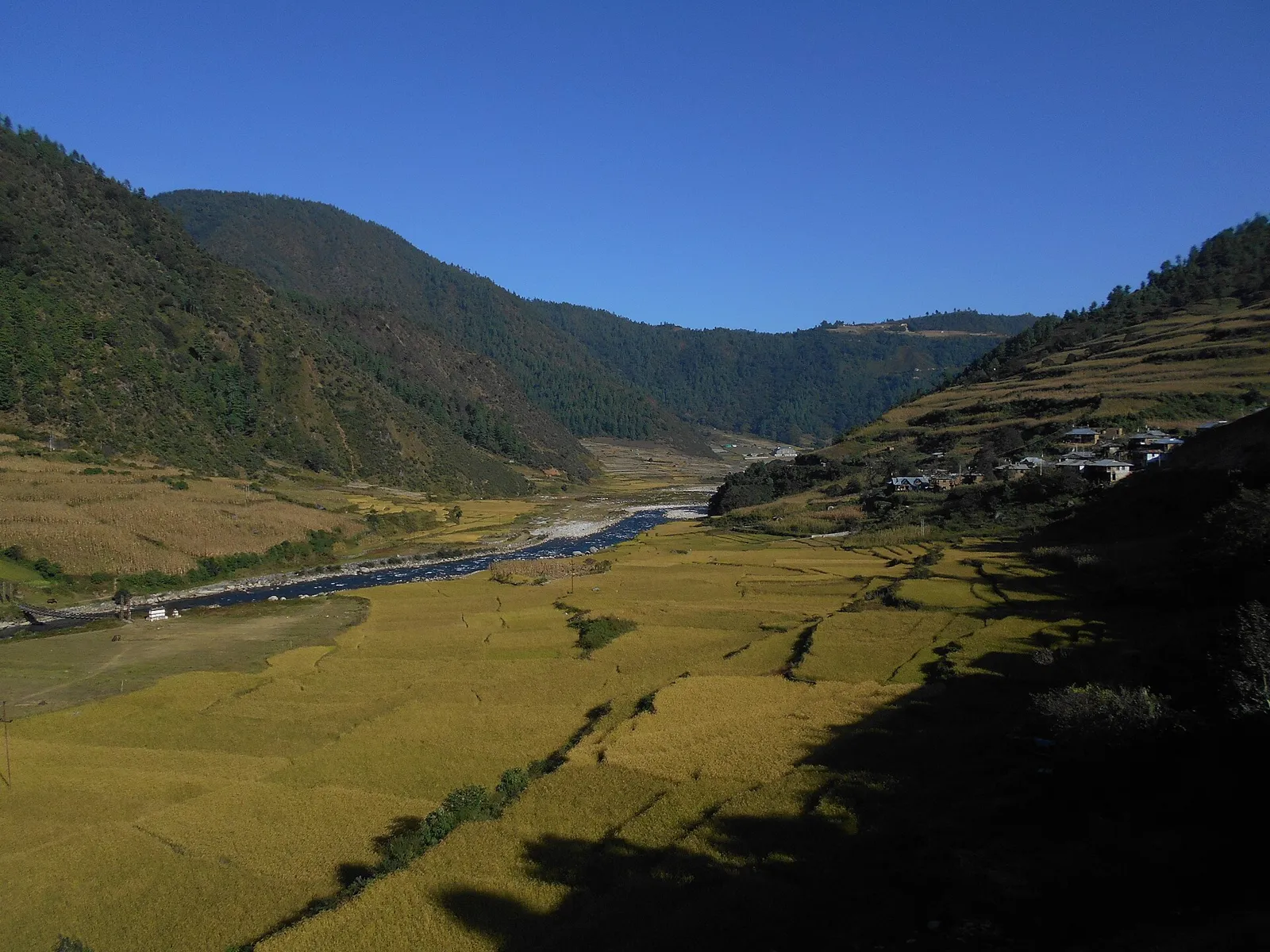
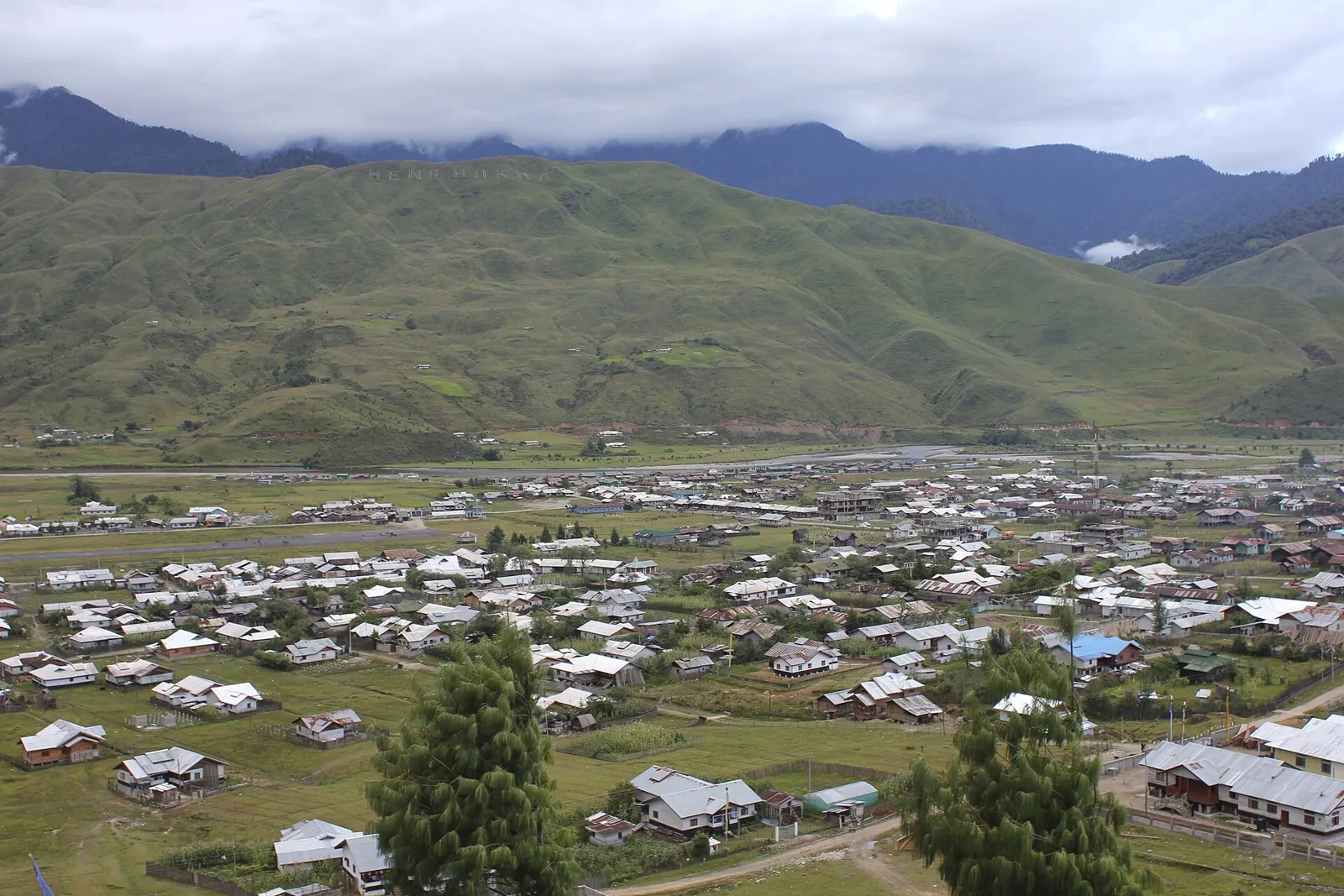
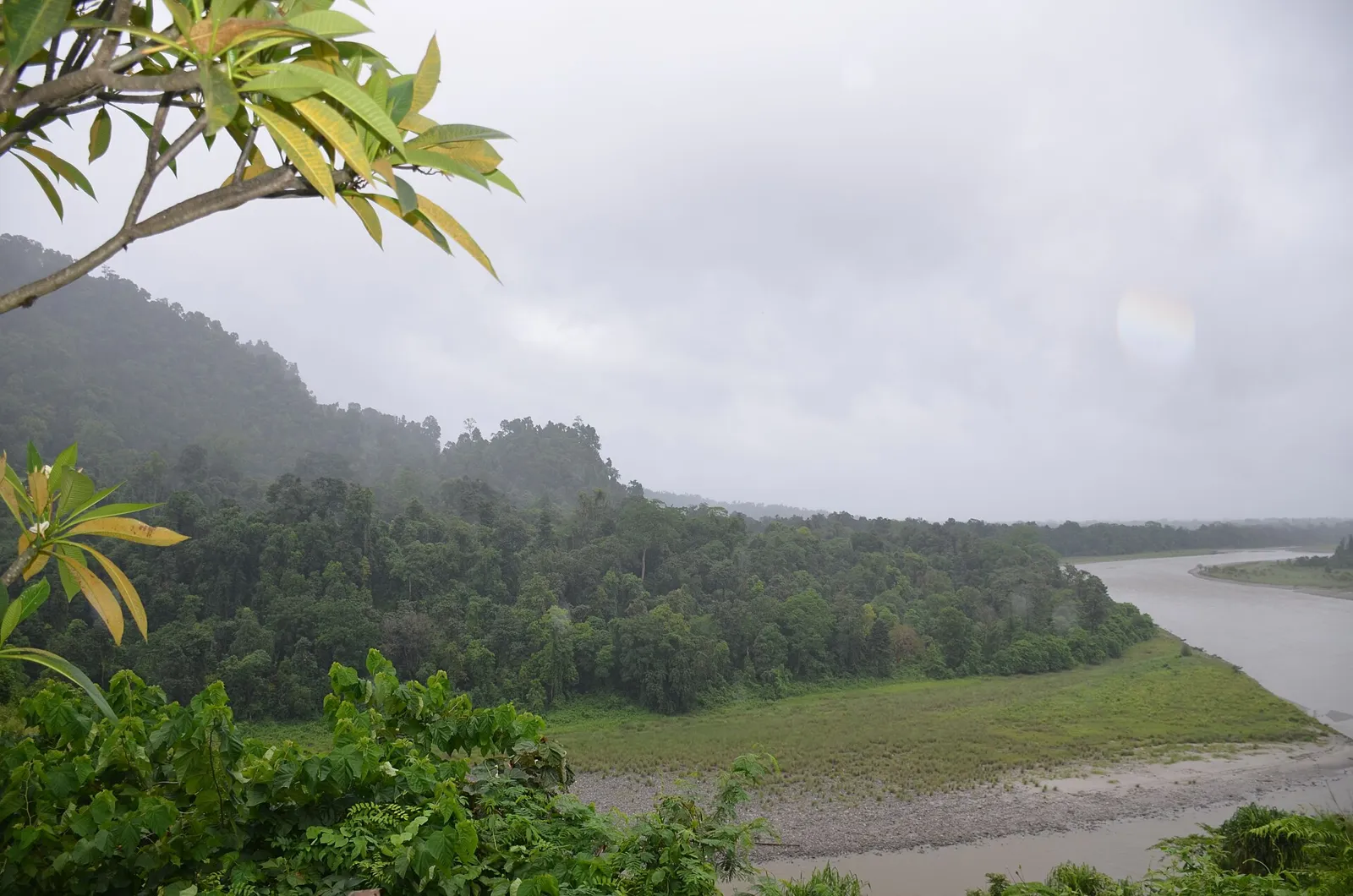
Arunachal Pradesh rises from humid foothills in the south to the high Himalaya along its northern edge. In the west, Tawang and West Kameng have alpine ridges, deep valleys and high passes including Sela and Bum La; Dirang and Bomdila sit among forested mountain slopes. Central areas around Ziro and the Subansiri valleys combine cultivated plateaus, pine-covered hills and river gorges. Farther east, the Lohit and Anjaw region climbs towards the eastern Himalaya, while the Dibang Valley is known for remote, steep terrain. The state has no coastline: its defining features are mountains, forests and rivers.

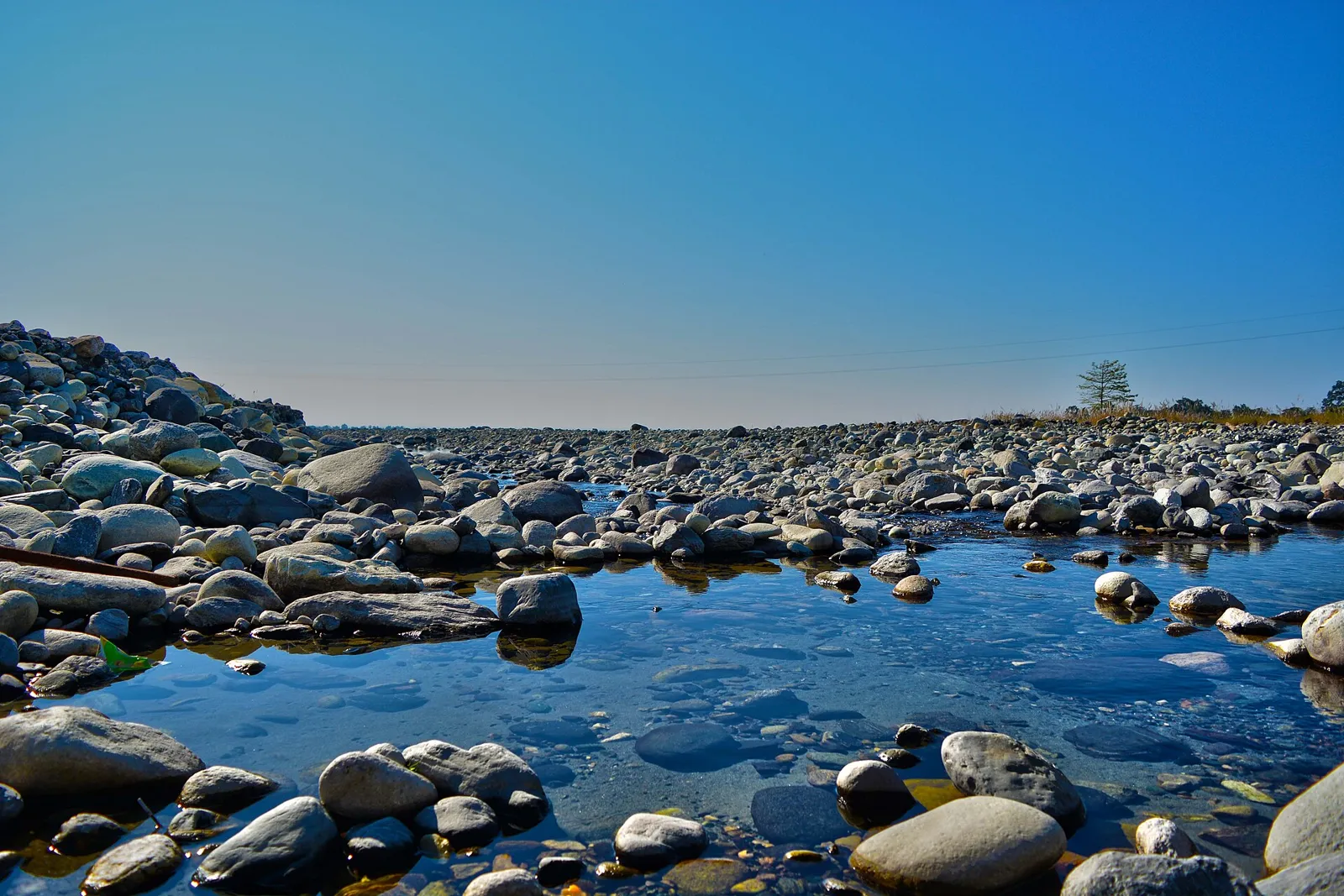
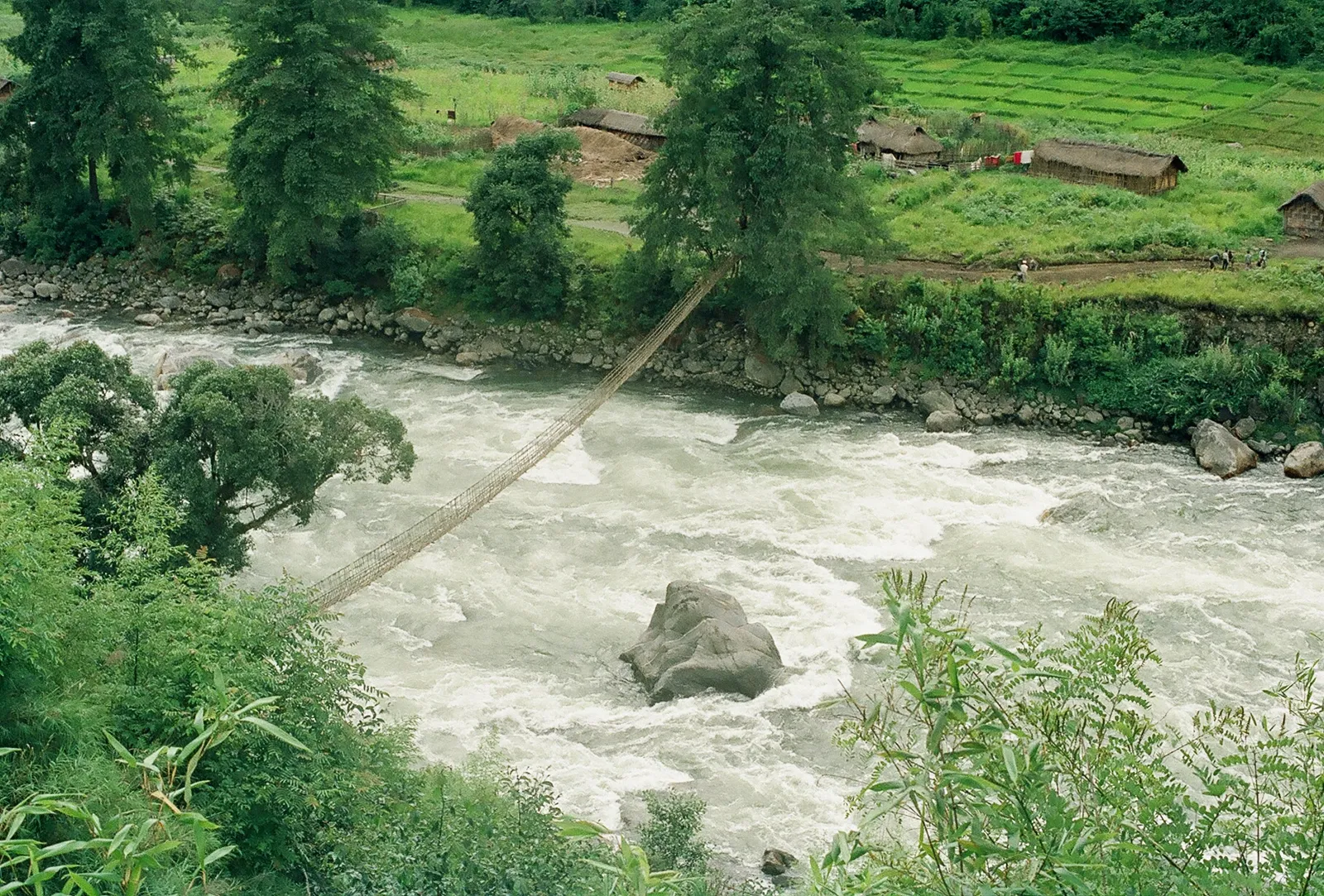
The Siang, which becomes the Brahmaputra farther downstream, and the Subansiri, Lohit, Dibang, Kameng and Noa-Dihing drain the region. Tropical and subtropical forests in lower elevations give way to temperate woodland, conifers and alpine vegetation at higher altitudes. Protected areas such as Mouling National Park, Namdapha and Talle Valley Wildlife Sanctuary conserve exceptionally diverse habitats. Climate changes sharply with elevation: foothills can be warm and humid, while high settlements and passes are cold, with snow possible in winter. The monsoon, generally from June into September, brings heavy rain, landslides and swollen rivers. Spring and autumn often bring clearer travel conditions, but weather can change quickly in the mountains.

History & heritage

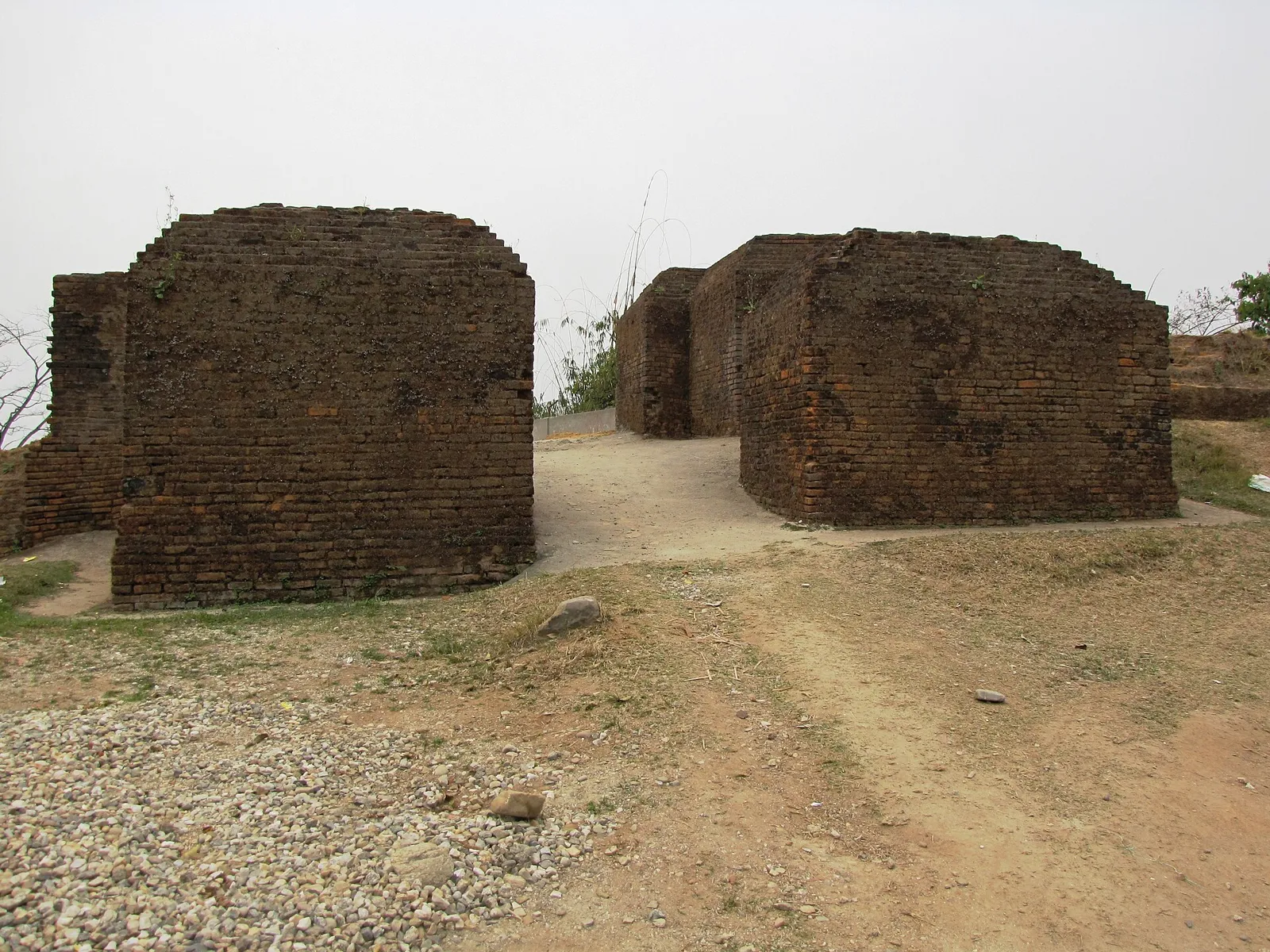
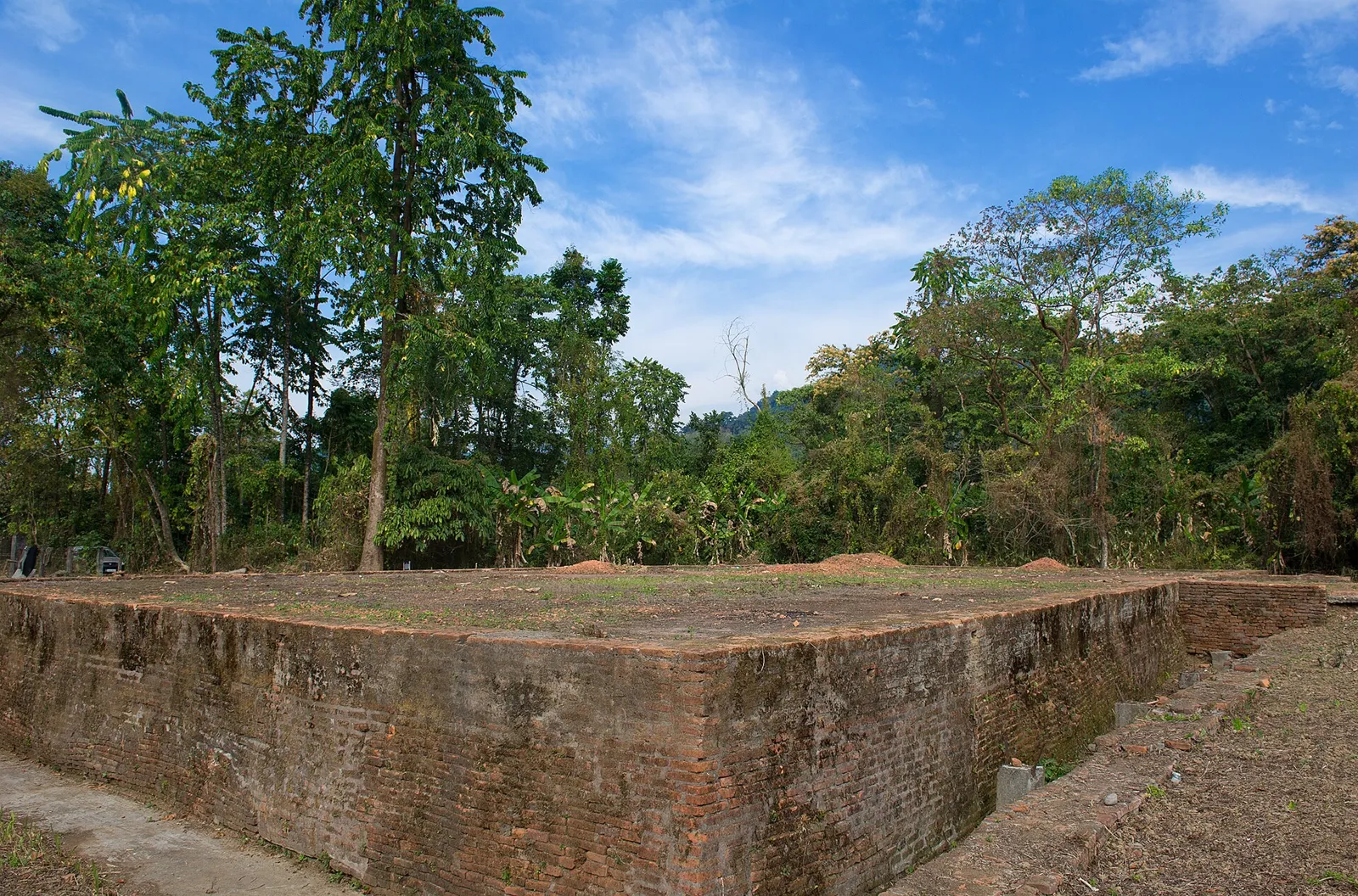
Arunachal Pradesh has a layered past shaped by local communities, Himalayan religious networks and connections with the plains of Assam and the wider eastern region. Much of its history is preserved through oral traditions, customary institutions and community-held knowledge rather than a single continuous royal chronicle. Archaeological remains offer glimpses of earlier political and religious centres. Bhismaknagar in the eastern part of the state is an important fortified archaeological site, while Malinithan preserves the remains of an early medieval temple complex. Ita Fort, in present-day Itanagar, is a notable brick fort whose precise date and origins are discussed by historians. These sites point to changing links between the hills and neighbouring lowlands over many centuries.

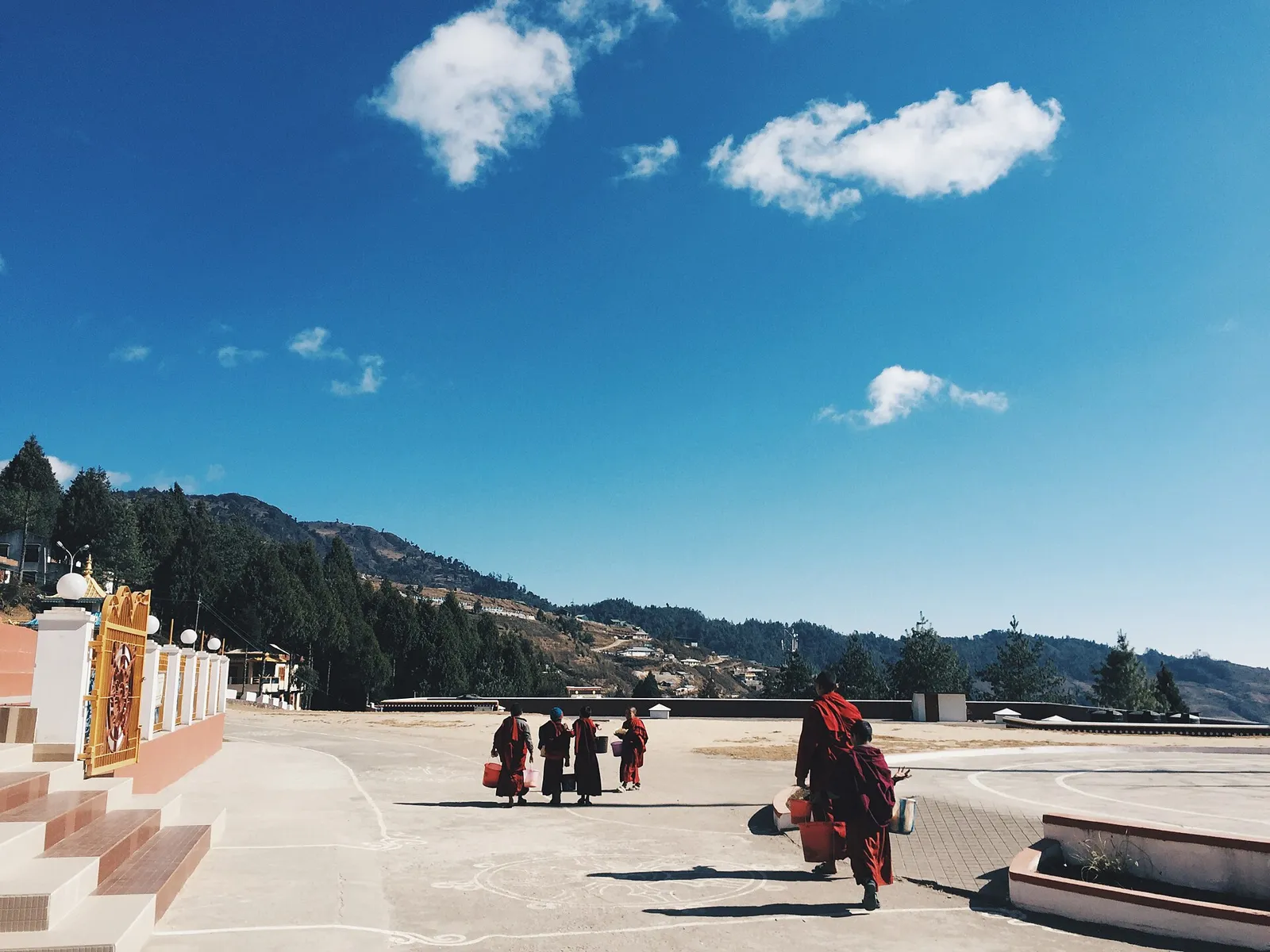
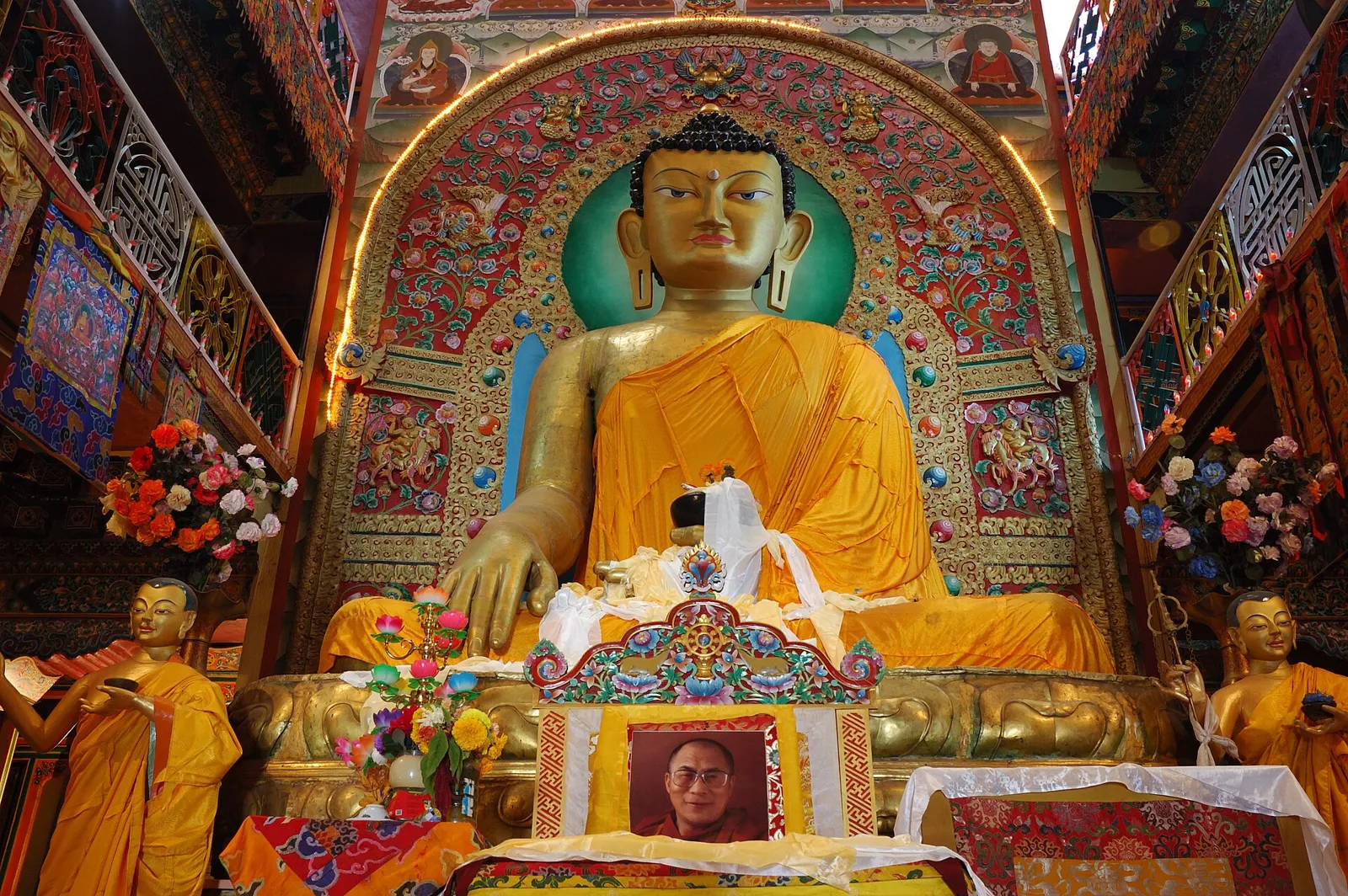
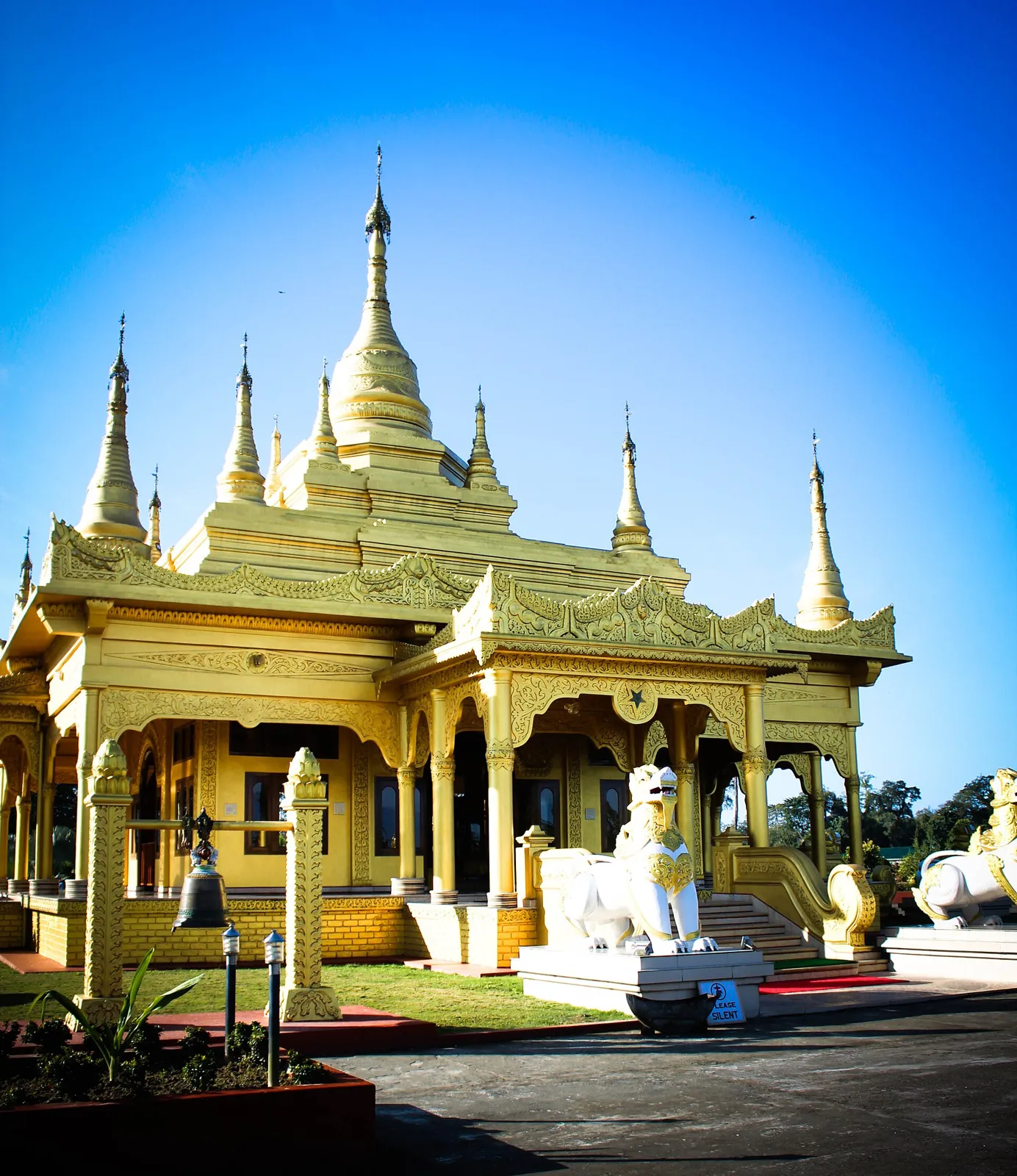
Tibetan Buddhism became especially influential in the western highlands. Tawang Monastery, established in the late seventeenth century, grew into a major centre of the Gelug tradition. Urgelling Monastery is associated with the birth of the Sixth Dalai Lama, Tsangyang Gyatso, in the seventeenth century. In the east, the Tai-Khamti community maintains cultural and religious connections with Buddhist traditions also found across the region; the Golden Pagoda at Namsai reflects this heritage. The histories of the Adi, Apatani, Monpa and other communities are also carried in distinct languages, migration accounts, customary law and ceremonial practice.

British influence expanded through the nineteenth and early twentieth centuries as colonial administrations sought to manage the Himalayan frontier, often through changing boundaries and limited forms of administration. After independence, the area was administered as the North-East Frontier Agency, or NEFA. The 1962 India-China war brought the frontier and its difficult mountain routes into sharp focus, and the region’s administration was subsequently reorganised. NEFA became the Union Territory of Arunachal Pradesh in 1972; it attained statehood in 1987. This modern history sits alongside, rather than replacing, the older community histories and living institutions that continue to shape the state.

Culture, people & festivals

Arunachal Pradesh is home to many communities, and no single language or custom represents the whole state. Monpa communities are prominent in the western highlands; Apatani communities are closely associated with the Ziro plateau; and Adi communities live across parts of the Siang region. Nyishi, Mishmi, Khamti, Wancho, Nocte and other communities add to this diversity. Languages include several Tibeto-Burman languages, alongside Tibetan-related varieties and Tai-Khamti; Hindi and English are also used as shared languages in many settings. Religious life includes Tibetan Buddhist traditions, Donyi-Polo practices, Christianity, Hinduism and other beliefs, often with strong local forms and community institutions.

Festivals bring together ritual, food, music and social exchange, though dates and observances vary by locality and calendar. Monpa communities celebrate Losar, the Tibetan New Year, usually in February or March. The Apatani festival Dree is commonly observed in July, while the Adi festival Solung is generally held in September. Nyokum, associated especially with Nyishi communities, is usually celebrated in February; Mopin among Galo communities is often in April. Ziro Festival of Music, usually held in September, is a contemporary outdoor event that brings performers and visitors to the Ziro area. Traditional group singing, ceremonial dances, drums and other instruments remain important at community gatherings, alongside newer music scenes. Visitors should ask before photographing ceremonies or people and follow local guidance.

Food & flavours

Rice is a staple across much of Arunachal Pradesh, served with seasonal greens, vegetables, fish or meat. Cooking often makes use of local ingredients such as bamboo shoots, chillies, herbs and fermented foods, though recipes differ between communities and households. Thukpa, a warming noodle soup associated with Himalayan food traditions, is especially familiar in the western highlands. Monpa meals may also include zan, a thick porridge, and khapse, a fried pastry often prepared for Losar. In the Ziro region, Apatani cooking includes distinctive fermented ingredients; pika pila is a pungent pickle traditionally made with bamboo shoot and, in some preparations, pork fat. Lukter, smoked meat with chilli, is another regional speciality encountered in parts of the state.

Apong, a fermented rice beer made in several community traditions, may be served at social and ceremonial occasions; ingredients and methods vary, and it is not a universal everyday drink. Food in the eastern districts reflects their own community histories and neighbouring influences, including Tai-Khamti Buddhist food traditions around Namsai. Visitors may find simple meals in smaller settlements, with menus depending on season and supply. Ask how a dish is prepared if you have dietary restrictions, since meat, fermented ingredients or chilli may not be obvious from its name. Local oranges are a seasonal treat, while tea and familiar Indian dishes are more readily found in larger towns.

Crafts, textiles & what to buy

Handloom weaving is among the most visible craft traditions in Arunachal Pradesh. Textiles differ by community in their patterns, colours and use: Monpa, Apatani, Adi, Mishmi and other weavers make distinctive garments, wraps, shawls and accessories. Designs can carry local meanings, so it is worth asking the maker or seller about a piece rather than treating all motifs as interchangeable. Bamboo and cane are worked into baskets, household objects and practical carrying gear, while wood carving, masks and traditional ornaments are produced in some areas. Availability varies considerably outside district centres and community markets.

Monpa handmade paper, produced using traditional techniques associated with the Tawang region, is a recognised heritage craft and a Geographical Indication product. Arunachal orange and Adi Kekir, a traditional ginger associated with Adi-growing areas, are also GI-tagged products; yak churpi is another GI-recognised speciality from high-altitude pastoral regions. These food products are best bought in season or through reputable local sellers. In Itanagar, Bomdila, Tawang, Ziro and other larger centres, visitors may find textiles, baskets and small craft items, though the range is not guaranteed. Buy directly from makers where possible, ask whether a textile is handwoven, and avoid purchasing wildlife products or objects made from protected species.

Getting there & getting around

Donyi Polo Airport at Hollongi serves Itanagar and is the state’s principal airport. Travellers also use airports in neighbouring Assam, particularly Lilabari near North Lakhimpur and Dibrugarh, depending on their destination and available connections; Tezpur can be useful for some western approaches. Naharlagun railway station, close to Itanagar, is a key rail gateway. Harmuti and North Lakhimpur in Assam are other useful junctions, while Dibrugarh serves journeys towards the eastern districts. Check current services before building an itinerary, as connections and onward transport can vary.

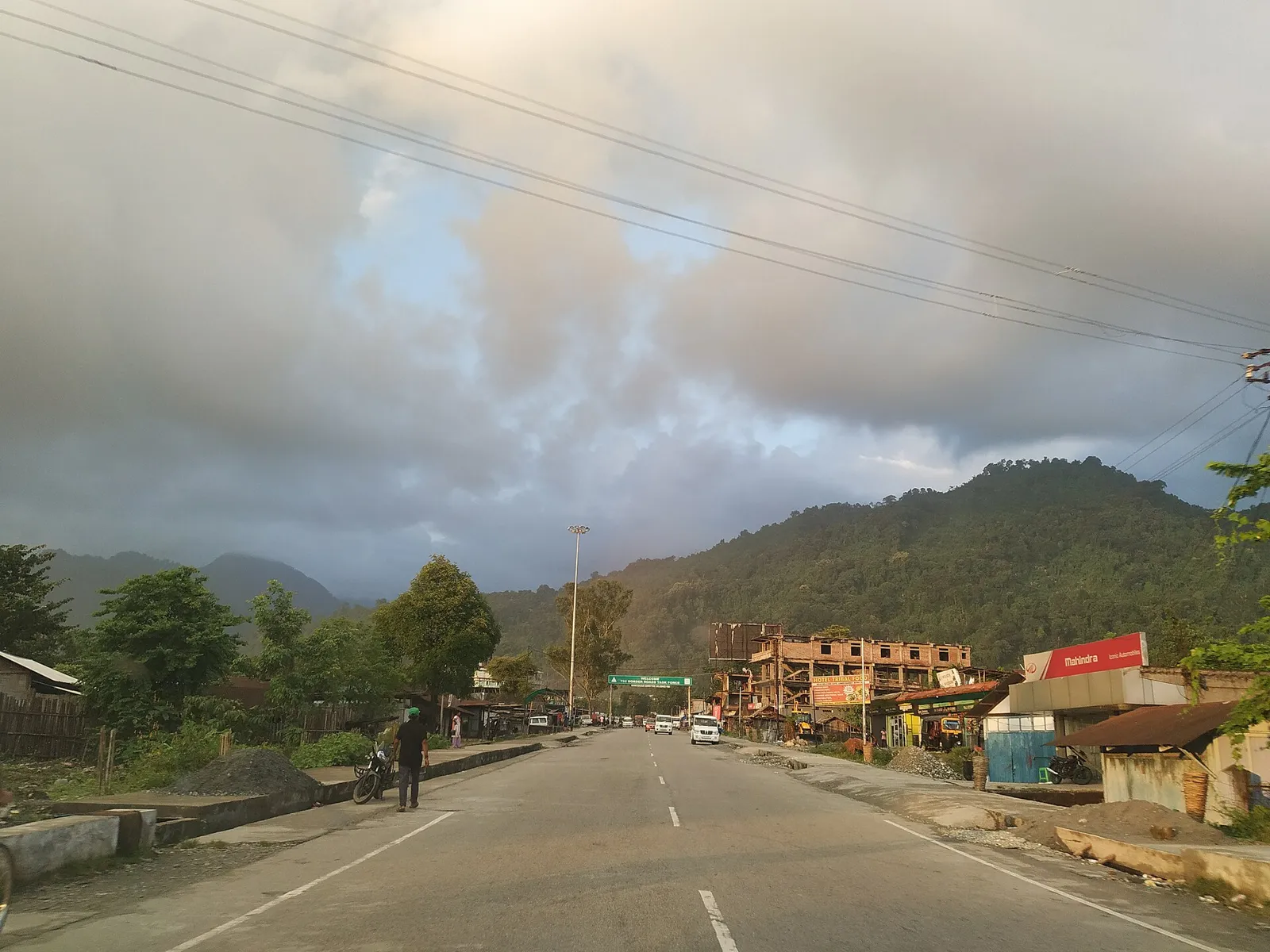
Road travel is central to visiting the state. The Trans-Arunachal Highway, designated NH 13, links several important towns, while approach roads from Assam connect to places such as Bhalukpong, Itanagar and Pasighat. Routes towards Tawang, Ziro, Mechuka, Anini and Dong involve long mountain drives; road surfaces, journey times and access can be affected by weather, maintenance and landslides. Shared sumos, local taxis and hired vehicles are common ways to travel between towns, with walking useful within settlements. Public transport is less frequent in remote areas, so arrange onward transport in advance and allow spare days. Some border and high-altitude areas have additional access requirements; confirm current permits and route rules through official sources before departure.

When to go & travel tips

For Tawang, West Kameng and other high western routes, spring and autumn often offer a good balance of access and clearer views; winter can bring severe cold and snow closures. Ziro and central valleys are attractive in spring and autumn, while the September music festival is a popular draw. Eastern destinations such as Roing, Tezu and Namdapha are generally easier to explore outside the heaviest monsoon period, though local conditions differ. June to September is rainy across much of the state, so check road reports and keep flexible plans. Pack layers, rain protection, sturdy footwear and any personal medicines; mountain temperatures can drop even when lower valleys are warm.

Indian visitors from outside Arunachal Pradesh generally need an Inner Line Permit, while foreign visitors should check the applicable protected-area permit rules. Requirements can change, and access rules may differ by destination, so confirm through official government channels before travel. Carry identification and follow instructions at checkpoints. Ask before photographing people, homes, monasteries, ceremonies or military facilities; dress modestly at religious sites and remove footwear where requested. Take local advice on altitude, rivers and remote walks, avoid travelling after dark on unfamiliar mountain roads, and do not assume mobile coverage or medical facilities will be available. Pack out litter and respect community and wildlife protections.

Highlights

Where to begin

City by city

Cities & hubs of Arunachal Pradesh

Every sight is grouped under its city — places within about 12 km together, day trips within 40 km alongside — even across district lines. Open a city to see its attractions.

See every city, town and village of Arunachal Pradesh

More cities of Arunachal Pradesh

Away from the cities — 5 more places by district

Anjaw

Lower Siang

Papum Pare

Tawang

District discovery

Arunachal Pradesh: 16 districts covered

Open a district to see its destinations and neighbours. More districts are added as our team writes them.

16 of 16 districts have destination guides

Destinations

Every guide in this state

Open a district to see its cities and towns, villages and places to see.

Anjaw1 place

Villages

Changlang2 places

Cities & towns

Dibang Valley1 place

Cities & towns

East Siang1 place

Cities & towns

Lohit2 places

Cities & towns

Places to see

Lower Dibang Valley3 places

Cities & towns

Lower Siang1 place

Places to see

Lower Subansiri2 places
Namsai1 place

Places to see

Pakke-Kessang1 place

Places to see

Papum Pare4 places
Shi Yomi1 place

Places to see

Tawang8 places
Upper Siang1 place
Upper Subansiri1 place

Cities & towns

West Kameng5 places

Festivals & fairs

The calendar here

Full calendar

Festivals of Arunachal Pradesh through the year

Usual season and where each is best known. Exact dates follow local calendars — linked festivals have dated guides.

  • Losar and TorgyaMonpa festivals in Tawang and West Kameng districts.
  • MopinAprilGalo community, West Siang district.
  • SolungSeptemberAdi community, Siang districts.
  • NyokumFebruaryNyishi community, Papum Pare and nearby.
  • RehFebruaryIdu Mishmi, Lower Dibang Valley.
  • DreeJulyApatani community, Lower Subansiri (Ziro).
  • SangkenAprilKhamti community, Namsai district.
  • PongtuTangsa community, Changlang district.
  • Ziro Festival of MusicSeptemberZiro.
From travellers and locals

Be the first to share photos, stories, advice or a helpful contact for Arunachal Pradesh.

Loading…