
Ghumoopedia — Explore, Discover, Experience
Sign in
Golden Pagoda, near Namsai

City guide · Arunachal Pradesh

Namsai

Namsai is the administrative headquarters of Namsai district in eastern Arunachal Pradesh and an important service and market centre for surrounding communities. Its position near the Nao-Dihing River and on road links between the state and Assam has helped it grow from a small settlement into a developing township.

Famous for

  • Golden Pagoda
  • Tai Khamti heritage
  • Buddhist festivals
  • Nao-Dihing bridge
  • Local tea and produce
In the city
0
Nearby
1
District
Namsai
Plan a trip

Why Namsai matters

Namsai is the administrative headquarters of Namsai district in eastern Arunachal Pradesh and an important service and market centre for surrounding communities. Its position near the Nao-Dihing River and on road links between the state and Assam has helped it grow from a small settlement into a developing township. Tinsukia, a major railhead in Assam, is a practical gateway for many visitors travelling here by road.

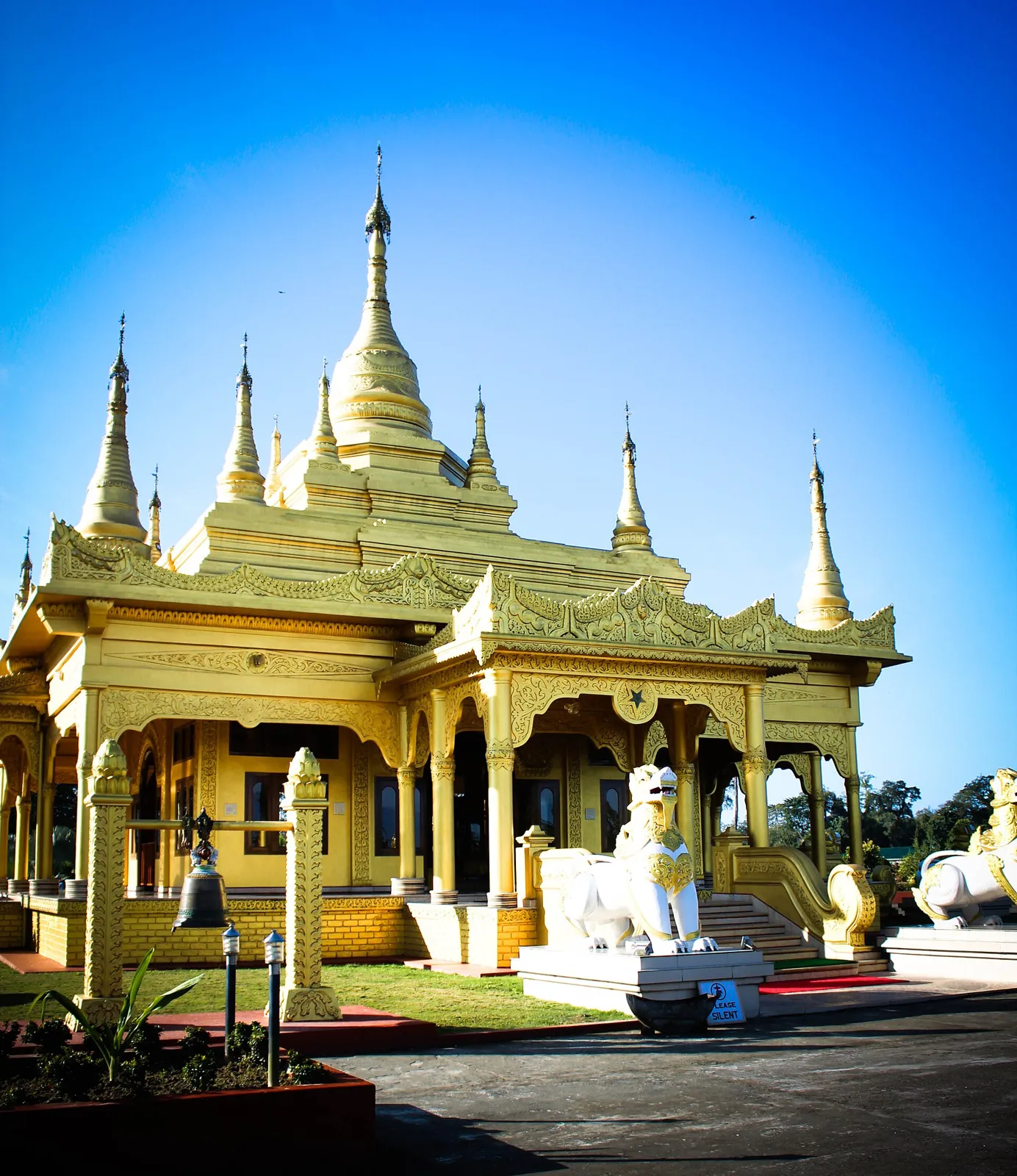
The city’s best-known landmark is the Golden Pagoda, also called Kongmu Kham, a Buddhist temple complex that draws visitors interested in architecture and Tai Khamti heritage. The area’s cultural life also reflects its Buddhist communities and the traditions of the Tai Khamti and other local peoples. Visitors come for the pagoda, regional festivals and a quieter introduction to eastern Arunachal. Namsai is also a useful base for exploring nearby settlements and the river landscape. Its role as a district headquarters, combined with improving road connections and an active local market, makes it significant beyond its religious and cultural attractions.

Famous for: crafts, trade & products

Namsai is better known for its cultural heritage and local commerce than for a major textile or industrial sector. Tai Khamti weaving, including traditional garments, and bamboo and cane work reflect skills found in the wider region. These items may be encountered through local artisans, community events and town shops, though selection can vary. Namsai is not widely identified with a signature saree or a specific GI-tagged product.

The town market serves residents from nearby villages and is a practical place to look for locally grown rice, seasonal vegetables, fruit, fish and ingredients such as bamboo shoots. Tea and agricultural produce are part of the wider district economy, but availability and origin vary by seller. Rather than a dedicated tourist bazaar, Namsai’s ordinary markets offer the clearest glimpse of everyday trade. Visitors interested in crafts can ask locally about artisan groups or festival stalls, where traditional work may be easier to find. The Golden Pagoda and nearby religious institutions are cultural landmarks, not commercial craft centres.

History

Namsai’s history is closely connected to the Tai Khamti and other communities of the eastern Arunachal region, as well as to routes linking settlements in the hills with the Assam plains. The area’s identity has been shaped by local traditions, Buddhist institutions and patterns of exchange across this frontier region. During the colonial period, British administration expanded across parts of the region, bringing changes to governance and contact with the plains; the town’s modern growth, however, is more directly associated with post-independence administration and transport.

Namsai was formerly part of Lohit district. It became the headquarters of the separate Namsai district when the district was formed in 2014, strengthening its role as a centre for public services and regional commerce. Road access also contributed to its development. A bridge across the Nao-Dihing River, inaugurated in 2002, improved movement into the township and connected communities on either side. The town continues to grow as roads link it more closely with Assam and other parts of Arunachal Pradesh.

Food, festivals & culture

Namsai’s cultural life is strongly influenced by Tai Khamti Buddhist traditions, alongside those of other communities in the district. Sangken, usually celebrated in April, is a Buddhist water festival marked by visits to monasteries and ceremonial sprinkling of water. Poi Pee Mau, the Tai Khamti New Year celebration, is generally observed around the turn of the year. Festival programmes may include community gatherings, traditional dress, music and dance. The Golden Pagoda at Tengapani is a prominent place of Buddhist worship and an important setting for religious visits.

Local food draws on rice, fish, vegetables, herbs and bamboo shoots. Sticky rice and noodle soups, including versions of khaw suey, are enjoyed in the region; recipes vary between households. Assamese and Hindi are widely useful for visitors, while Tai Khamti and other local languages are part of community life; English is also used in official settings. Traditional performances may feature drums and dances associated with Tai Khamti celebrations. Visitors should treat temples and ceremonies respectfully and follow local guidance on dress and photography.

Visiting the city

The cooler, relatively dry months from October to April are generally the most comfortable time to visit; monsoon rain can make road travel slower. Dibrugarh Airport in Assam is a practical airport gateway, while Tinsukia Junction in Assam is the main railway station commonly used for onward road travel. Tezu Airport is another regional option, though flight availability may be limited.

Local travel is mainly by road, using hired cars, shared vehicles and local transport. The town centre is useful for shops and services, while Tengapani is worth visiting for the Golden Pagoda. The Nao-Dihing River and its bridge offer a sense of the area’s geography, and nearby settlements such as Chongkham can be explored by road. Check local conditions before setting out, especially during the rainy season, and allow time for journeys beyond town.

Short trips

Around Namsai

Within about 40 km — easy half-day or day trips from the city.

Map

Namsai on the map

  1. 1Golden Pagoda

Arunachal Pradesh

Other cities to explore