
Ghumoopedia — Explore, Discover, Experience
Sign in
Bomdila, near Bomdila

City guide · Arunachal Pradesh

Bomdila

Bomdila is the administrative centre of West Kameng district in Arunachal Pradesh and one of the state’s constituencies. Its history as a Sela Sub Agency capital and connection with the 1962 fighting may interest visitors.

Famous for

  • Buddhist monasteries
  • Himalayan mountain views
  • Monpa carpets and crafts
  • Losar celebrations
  • 1962 frontier history
In the city
2
Nearby
1
District
West Kameng

Why Bomdila matters

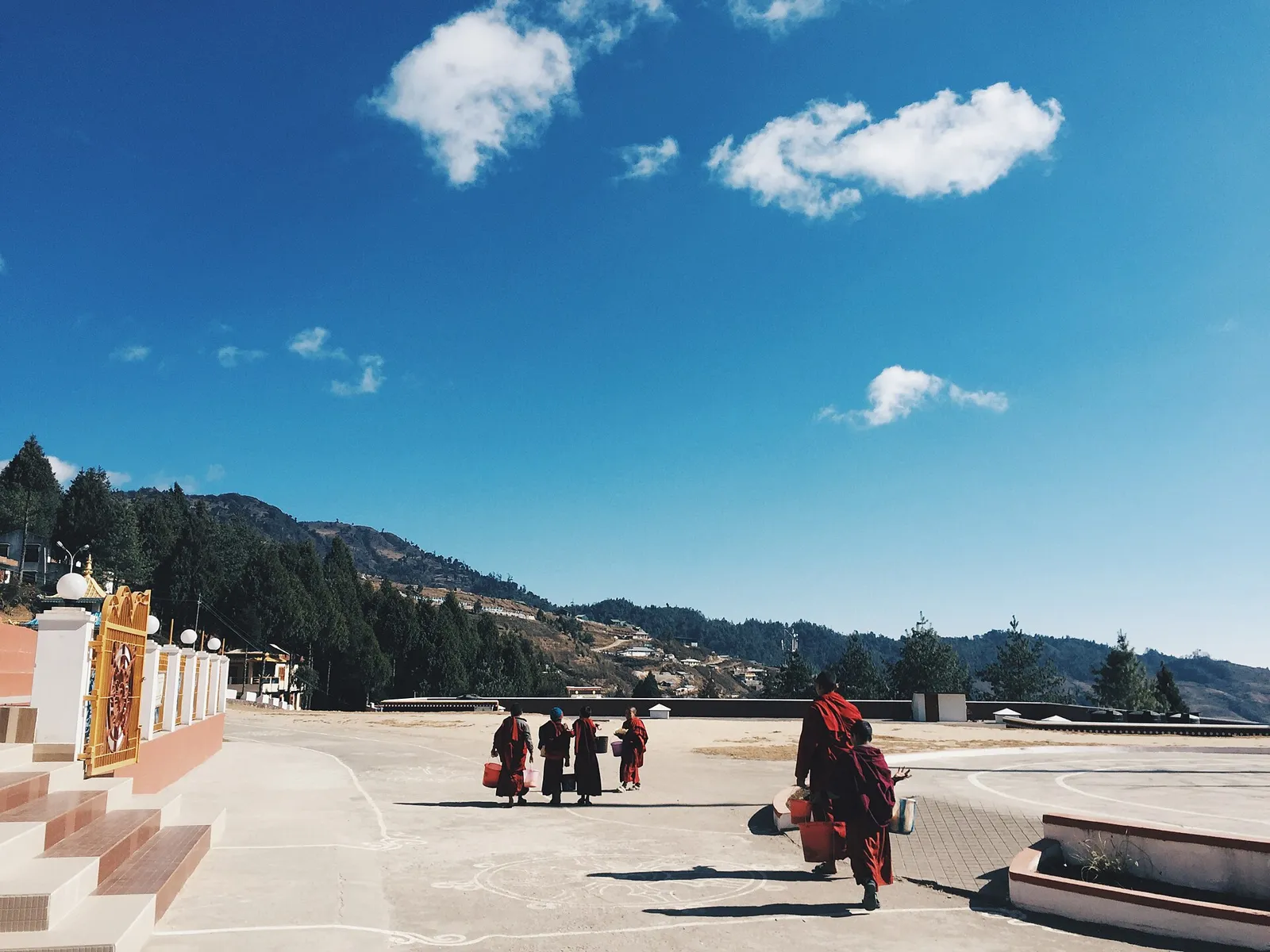
Bomdila is the administrative headquarters of West Kameng district and an important service and travel centre in western Arunachal Pradesh. Set high in the Eastern Himalaya, it is a common stop on the road between Assam, Dirang and Tawang. Visitors come for its mountain scenery, monasteries, local markets and a closer look at the traditions of Monpa and other communities of the region.

The town’s identity is shaped by both its frontier setting and its Buddhist heritage. Monasteries and viewpoints offer places to pause, while nearby valleys and mountain routes make Bomdila a useful base for exploring West Kameng. Its shops and craft outlets provide a glimpse of local weaving, carpets and woodwork, though the town is better known as a regional centre and visitor stop than as a large manufacturing hub. Bomdila also holds an important place in the history of the 1962 India-China conflict, linking its present-day role with the strategic history of the Himalayan frontier.
Famous for: crafts, trade & products

Bomdila is associated with Monpa weaving, especially woollen carpets, as well as traditional masks, wood carving and other handcrafted items. Designs and techniques reflect the Buddhist and community traditions of the surrounding region. Visitors can look for carpets, woven goods and small craft pieces in the town market and at local handicraft outlets. Availability and selection vary, and it is sensible to ask about the maker and materials when buying.

Bomdila is not widely identified with a particular GI-tagged product, major textile industry or large-scale trade. Its market mainly serves residents and travellers, with everyday goods alongside locally made crafts and regional produce. The town’s monasteries and cultural institutions are also part of its local identity, rather than commercial attractions alone. For a broader range of regional crafts, travellers can enquire locally about cooperative or government-supported craft outlets. Food shops and small eateries offer a practical way to sample local dishes, while the market is a good place to see what is seasonally available from nearby communities.

History

The hills around Bomdila have long been home to Monpa and neighbouring communities, whose cultural and religious traditions continue to shape the area. Unlike an old royal capital or colonial trading town, Bomdila developed as a modern administrative centre. In the colonial period, the wider frontier region was governed through changing arrangements, but the town’s major institutional growth came after India’s independence.

In the early 1950s, Major Ralengnao R. Khathing led the establishment of Bomdila as the centre of the Sela Sub Agency. The headquarters of the Political Officer was moved there from Charduar in February 1954, and Bomdila became the agency capital that month. The town later became the headquarters of West Kameng district and grew around government services, roads and regional trade. Its location also gave it strategic importance. Bomdila is associated with the fighting during the 1962 India-China war, part of the wider campaign around Se La and the Himalayan frontier.

Food, festivals & culture

Food in Bomdila reflects the cool mountain climate and the traditions of communities in West Kameng. Visitors may find dishes such as thukpa and momos, along with Monpa preparations including zan, a thick staple often served with vegetables or meat. Butter tea is part of the region’s food culture. Menus vary between homes and eateries, so local recommendations are useful for finding community-style cooking.

Losar, the Tibetan and Monpa New Year, is generally celebrated in late winter or early spring, with prayers, family gatherings and festive observances. Buddhist ceremonies and monastery events are important throughout the year; dates can vary by local calendar. Monpa and Sherdukpen are among the languages of the district, while Hindi and English are also used in public life. Buddhist monasteries are prominent places of worship, and their prayer halls, ritual art and community gatherings offer insight into local religious life. Traditional music, masked performances and dances are most visible during festivals and special events.

Visiting the city

Autumn and spring are generally comfortable times to visit, with clearer conditions than during the rainy season. Winters are cold, and monsoon months can bring cloud, rain and road disruption, so check local conditions before travelling. Tezpur Airport, also known as Salonibari Airport, is the nearest airport commonly used for the journey. Bhalukpong provides nearby rail access; Rangapara North Junction is a larger railhead in Assam.

Road travel is the main way to reach Bomdila. Taxis and shared vehicles connect it with towns along the Assam–Arunachal route, while local taxis are useful for moving around. Explore the town market, its monasteries and nearby viewpoints; the Upper and Lower Gompa areas are among the principal cultural stops. Allow extra time for mountain roads and changing weather.

Attractions

Places to visit in Bomdila

Sights within about 12 km of each other, even when they fall in different districts.

Short trips

Around Bomdila

Within about 40 km — easy half-day or day trips from the city.

Map

Bomdila on the map

  1. 1Bomdila
  2. 2Sessa Orchid Sanctuary
  3. 3Eaglenest Wildlife Sanctuary

Arunachal Pradesh

Other cities to explore