
Ghumoopedia — Explore, Discover, Experience
Sign in
Tezu, near Tezu

City guide · Arunachal Pradesh

Tezu

Located in Arunachal Pradesh, Tezu is a census town and the administrative centre of Lohit district. Its plains, forests and river landscapes draw interest, while the town also provides a transport link to Anjaw district.

Famous for

  • Lohit River setting
  • Mishmi Hills gateway
  • Mishmi cultural traditions
  • Mustard, ginger and oranges
  • Parshuram Kund pilgrimage route
In the city
1
Nearby
1
District
Lohit
Plan a tripHotels near Tezu

Why Tezu matters

Tezu is the headquarters of Lohit district and an important service and transport centre in eastern Arunachal Pradesh. Set beside the Lohit River, with the Mishmi Hills rising nearby, it links the lowland routes from Assam with settlements farther into the state. Travellers often use the town as a base or stop on journeys towards Wakro, Anjaw district and the Parshuram Kund pilgrimage site, which lies in the wider region.

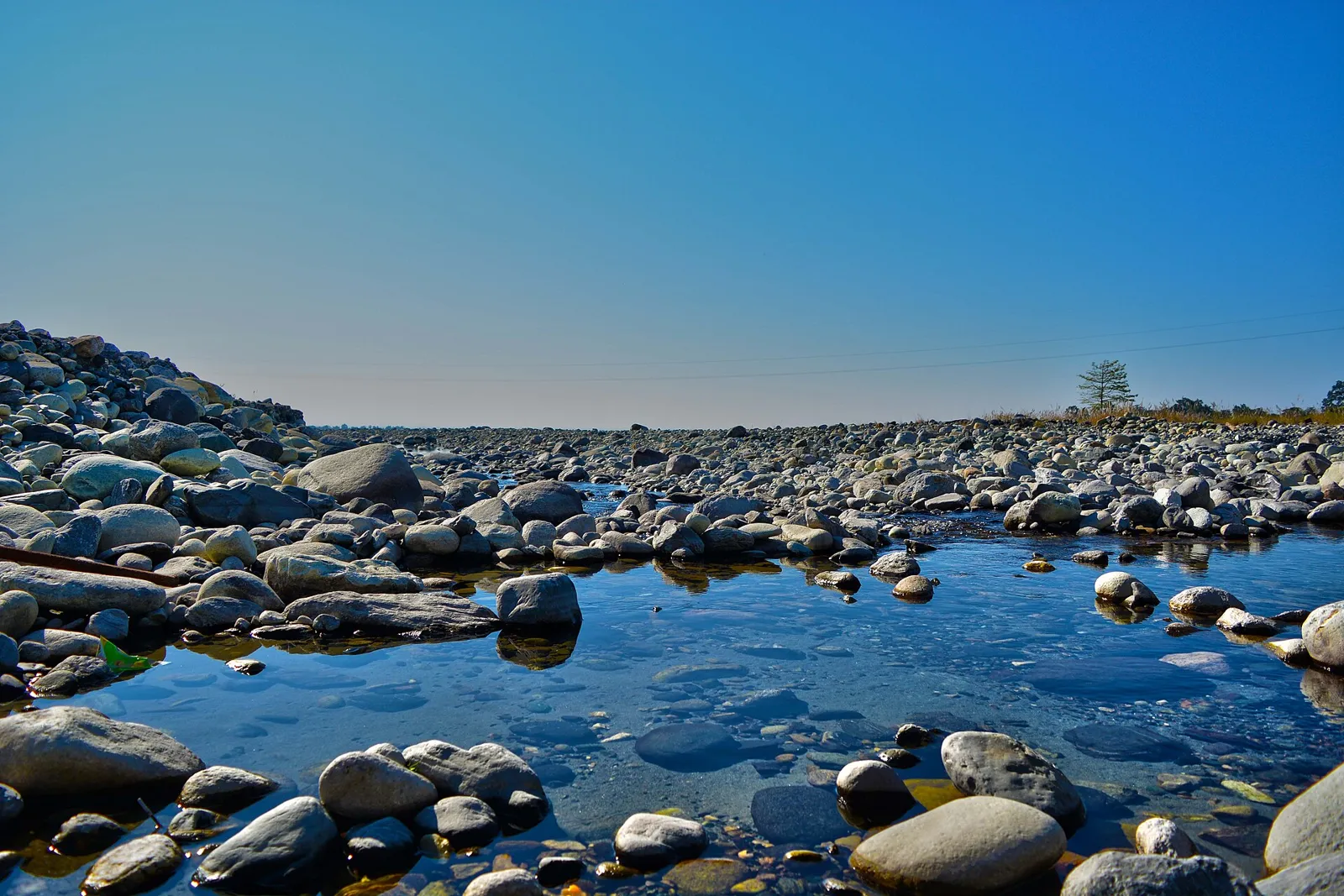
The surrounding landscape shifts between river plains, forested foothills and steep mountain country. This setting, along with the cultural life of Mishmi communities, gives Tezu an appeal distinct from a conventional hill resort. The town is also a local market and administrative hub, serving residents and visitors moving through a remote part of Arunachal Pradesh. Nearby farms grow mustard, ginger and oranges, while roads and bridges have strengthened links with Assam. Tezu’s importance today comes from this combination of regional access, public services, local trade and proximity to the eastern Himalayan landscape.
Famous for: crafts, trade & products

Tezu is better known as a regional market and agricultural centre than for a single textile, craft or manufactured product. Mustard, ginger and oranges are among the crops grown in the surrounding area, and seasonal produce can be found through local traders and markets. The town’s shops and market area are practical places to look for everyday goods and locally sourced food, though the range of farm produce changes with the season.

Mishmi communities have distinctive weaving and craft traditions, including handwoven clothing and work with natural materials such as cane and bamboo. These traditions are part of the region’s cultural identity, but particular items may not be consistently available in Tezu’s shops; asking locally about community events or artisan sellers is a better approach than expecting a formal craft market. Tezu is not especially associated with a widely recognised GI-tagged product or a large textile industry. Its strongest links are to the produce and services of the Lohit region, and to the movement of goods between Assam and settlements in eastern Arunachal Pradesh.

History

The history of Tezu is closely connected to the Mishmi communities whose ancestral lands include the surrounding valleys and hills. Long before the town became a district headquarters, river corridors and mountain paths connected local settlements and supported exchange across the region. The area’s remoteness and difficult terrain shaped both patterns of settlement and outside contact.

During the colonial period, British administration extended into the eastern Himalayan frontier, although governance and access remained limited in many upland areas. In the decades after independence, roads, public services and government offices helped Tezu develop into a more established town. Its role grew as an administrative centre for Lohit district and as a staging point for travel towards Anjaw and other eastern areas. More recent road improvements, including bridges linking Arunachal Pradesh with Assam, have made journeys and movement of supplies easier. The airport at Tezu is another part of this modern expansion, reinforcing the town’s role as a regional gateway.

Food, festivals & culture

Everyday food in Tezu reflects the varied communities of Arunachal Pradesh and nearby Assam. Rice is a staple, commonly served with fish or meat, seasonal vegetables and leafy greens; bamboo shoot and local herbs may also feature in meals. Tea and familiar Indian snacks are easy to find around the town, while food options vary between small local eateries and market stalls. There is no single sweet strongly identified with Tezu.

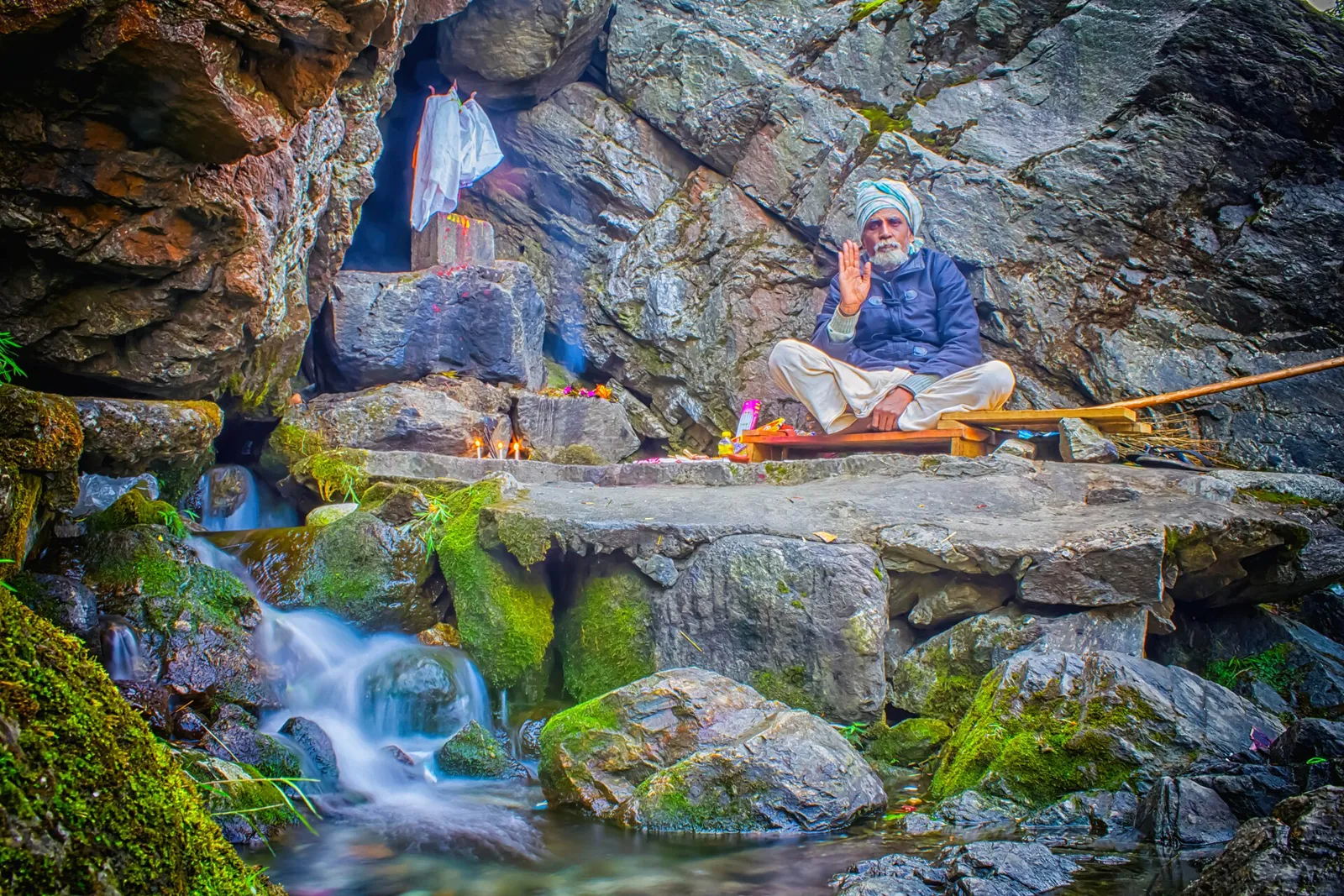
Mishmi traditions are an important part of the area’s cultural life. Reh, celebrated by Idu Mishmi communities, is generally observed in February, while Tamladu is another significant Mishmi festival, commonly held in February. Community gatherings may include traditional songs, dance and ceremonial dress. Hindi and Assamese are useful for everyday communication, alongside English and local Mishmi languages. Hindu temples and Buddhist places of worship serve residents and visitors; Parshuram Kund, an important Hindu pilgrimage destination in the wider Lohit region, draws pilgrims especially around Makar Sankranti in January.

Visiting the city

The drier months, broadly from October to April, are usually the most comfortable for exploring Tezu and travelling on nearby roads. Monsoon rain can make journeys slower, so check local road conditions before setting out for hill areas. Tezu Airport is the nearest airport; for more flight options, travellers may use Dibrugarh Airport near Mohanbari. The nearest major railhead is New Tinsukia railway station in Assam.

Within Tezu, local taxis and other road transport are useful for getting around. The town centre and market area offer a glimpse of daily life, while the Lohit riverbank is a natural place to appreciate the setting. Tezu also works as a base for road trips towards Wakro, Parshuram Kund and the Mishmi Hills. Distances and journey times can be affected by weather and road conditions.

Attractions

Places to visit in Tezu

Sights within about 12 km of each other, even when they fall in different districts.

Short trips

Around Tezu

Within about 40 km — easy half-day or day trips from the city.

Map

Tezu on the map

  1. 1Tezu
  2. 2Parshuram Kund

Arunachal Pradesh

Other cities to explore