
Ghumoopedia — Explore, Discover, Experience
Sign in
Itanagar, near Itanagar

City guide · Arunachal Pradesh

Itanagar

Itanagar is Arunachal Pradesh’s capital and largest town, and a centre for state administration. Visitors come for cultural, educational and recreational activities in the city and its surrounding urban area.

Famous for

  • Ita Fort
  • Arunachal Pradesh’s capital
  • Tribal handloom weaving
  • Bamboo and cane crafts
  • Nyokum festival
In the city
3
District
Papum Pare

Why Itanagar matters

Itanagar is the capital of Arunachal Pradesh and the state’s main centre of government, education, commerce and everyday urban life. Together with neighbouring Naharlagun, it forms the Itanagar Capital Complex, linking government offices and institutions with busy markets and services. Its role as a regional hub makes the city a common starting point for journeys into the surrounding hills and other parts of the state.

Visitors come for a mix of history, local culture and green scenery. Ita Fort, a medieval brick stronghold in the city, gives Itanagar its name and is one of its most distinctive historic sites. The State Museum offers an introduction to the region’s communities and material culture, while the Buddhist Gompa and nearby Ganga Lake provide quieter stops. Itanagar is also known for the presence of communities including the Nyishi, Adi, Apatani, Tagin and Galo, whose weaving, crafts and festivals reflect the cultural diversity of Arunachal Pradesh.
Famous for: crafts, trade & products

Itanagar is better known for living craft traditions than for a single signature textile or GI-tagged product. Weavers from Arunachal Pradesh’s communities make garments and fabrics such as the Nyishi galuk shirt and gale skirt, along with shawls, bags and other woven goods. Designs and techniques vary between communities, so visitors may find different styles represented in the same market. Bamboo and cane work, wood carving, pottery, carpets and traditional ornaments are also made in the region.

Local markets in Itanagar and neighbouring Naharlagun are practical places to look for woven items, household crafts, produce and everyday goods; availability and provenance can vary, so ask sellers about the maker and community tradition. Government emporiums and craft outlets may also carry regional handloom and handicrafts. The city’s economy includes agriculture, horticulture and small-scale craft production, with products such as ginger, cardamom, bamboo and seasonal fruit reflecting the region’s varied terrain. Itanagar is primarily an administrative and service centre rather than a major manufacturing or wholesale-trade city, and no single product defines its markets.

History

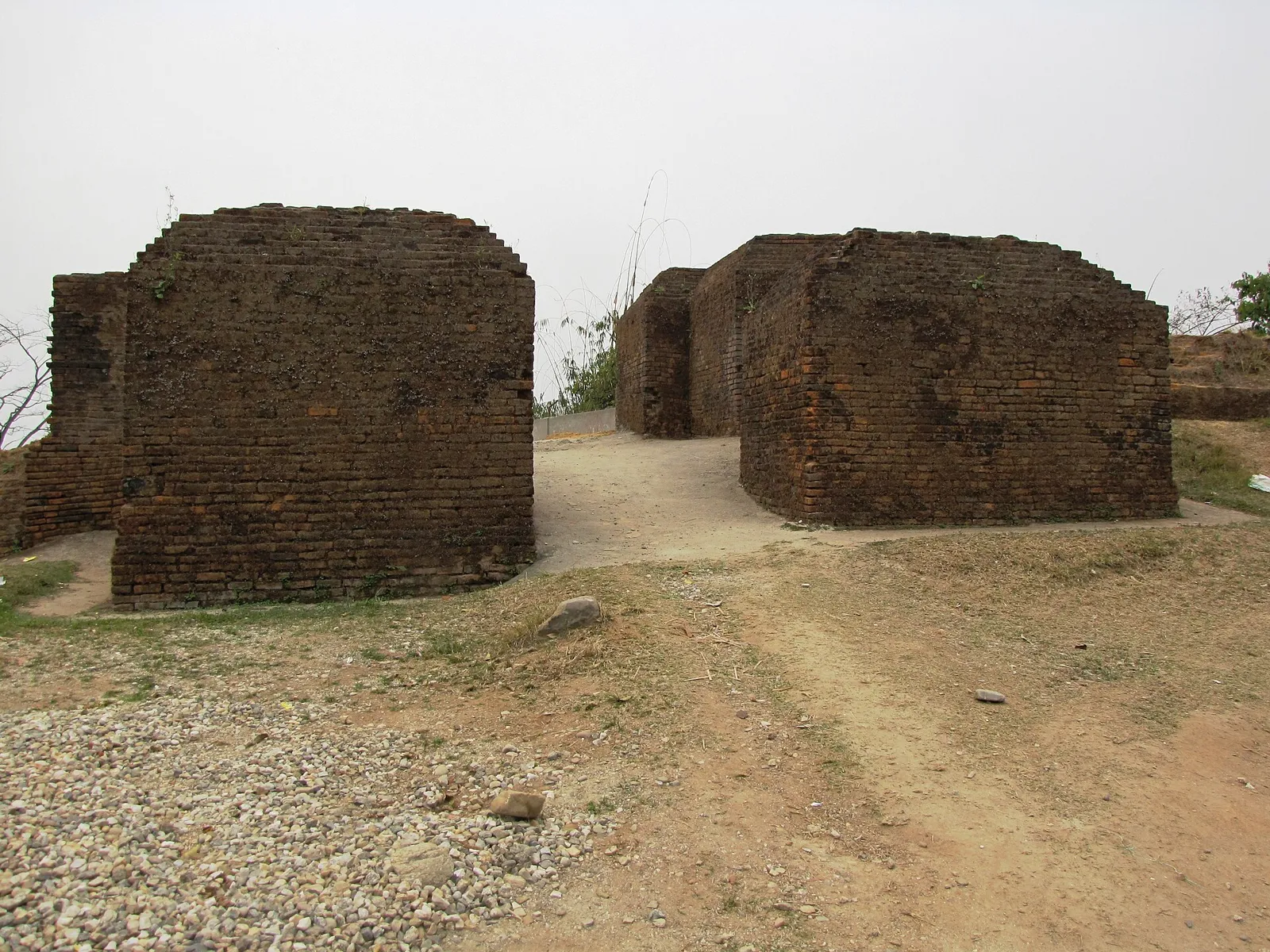
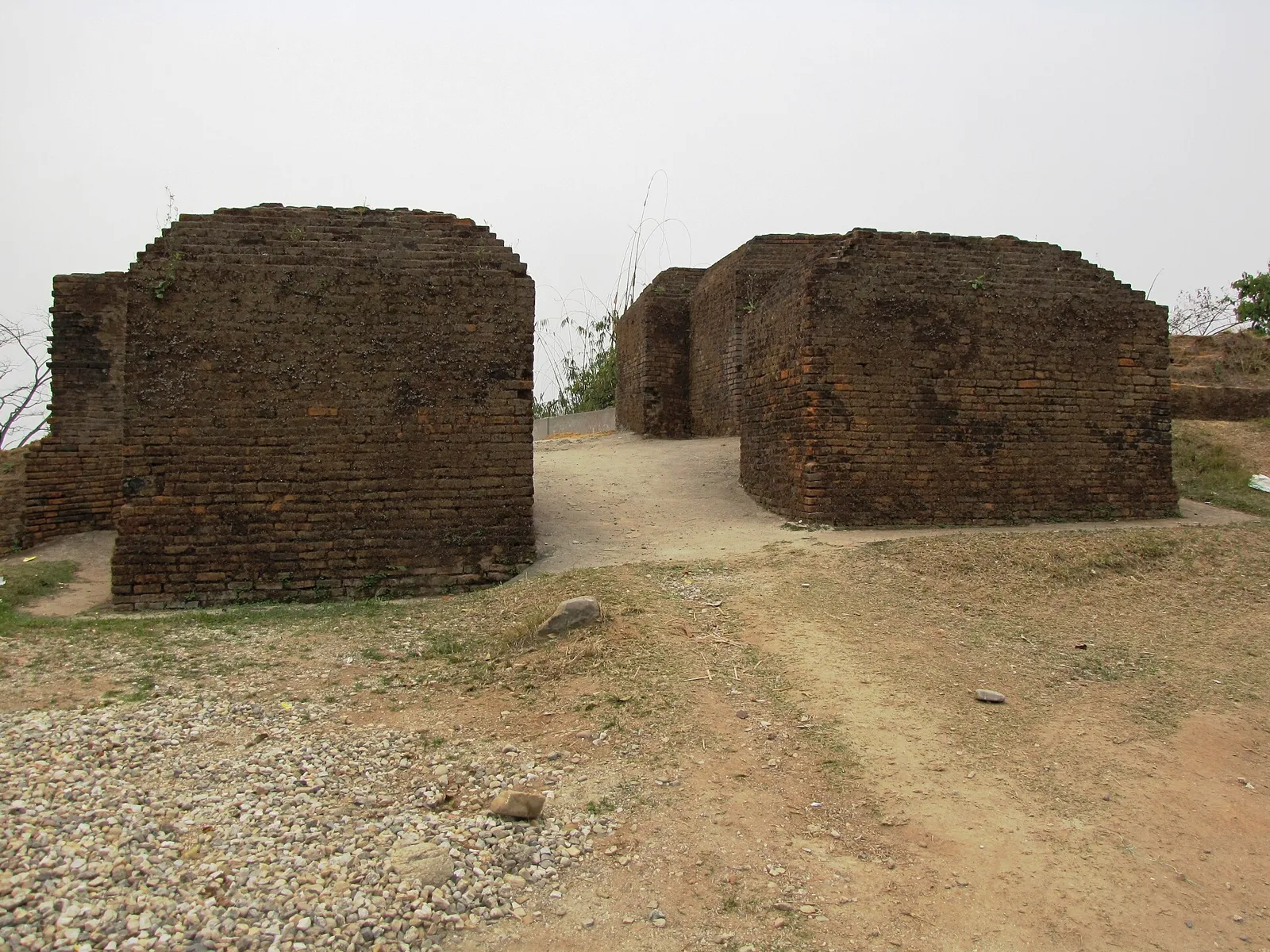
The oldest prominent chapter in Itanagar’s history is represented by Ita Fort, a brick fortification built in the 14th or 15th century. Its irregular ramparts and archaeological remains make it an important medieval site in Arunachal Pradesh. The fort is often associated with the Chutia, or Sutiya, rulers, though its precise history is not fully settled. The city’s name comes from ita, meaning brick.

The modern capital took shape in the 1970s, when the North-East Frontier Agency (NEFA) established its administrative centre here. The foundation stone of the new capital was laid by President V. V. Giri in 1974. Nabam Runghi is widely credited with advocating for the site and drawing attention to the fort’s historical significance. NEFA became the Union Territory of Arunachal Pradesh in 1972, and the state attained statehood in 1987. Itanagar subsequently grew as the seat of the state government, legislative assembly and key regional institutions, expanding alongside Naharlagun.

Food, festivals & culture

Food in Itanagar reflects the many communities of Arunachal Pradesh. Rice is a staple, often served with boiled greens, smoked or dried meat, fish and preparations flavoured with bamboo shoot or local herbs. Nyishi pika pila, a pungent condiment traditionally made with bamboo shoot and pork fat, is one regional speciality. Meals and ingredients vary across communities; seasonal fruit and locally grown produce also feature. There is no single city-specific sweet that defines Itanagar, though shops and eateries offer familiar Indian snacks and desserts.

Nyokum, celebrated by the Nyishi in February, is a major local festival, while other communities mark occasions such as the Adi Solung in September and the Apatani Dree in July. Festivals bring traditional singing, dancing and community gatherings. Nyishi, Adi, Apatani and other local languages are spoken, alongside widely used Hindi and English. Donyi-Polo traditions coexist with Christianity, Buddhism and Hinduism. The Buddhist Gompa, churches and Hindu places of worship serve the city’s diverse communities.

Visiting the city

October to April is generally the most comfortable period to visit, with milder, drier weather than the humid, rainy summer months. The nearest airport is Donyi Polo Airport at Hollongi, south of the city. Naharlagun railway station, in the adjoining town, is the main rail gateway for Itanagar. Taxis and shared vehicles connect the airport, station, city and nearby settlements; local taxis are useful for getting between scattered sights.

Explore central Itanagar for Ita Fort, the State Museum and the Buddhist Gompa. Ganga Lake, also known as Gyakar Sinyi, is a popular green excursion near the city. Naharlagun offers additional markets and services, and the wider Capital Complex is worth considering as one connected urban area rather than a single compact centre. Roads can be slow in wet weather, so allow flexibility for local travel.

Attractions

Places to visit in Itanagar

Sights within about 12 km of each other, even when they fall in different districts.

Map

Itanagar on the map

  1. 1Itanagar
  2. 2Ita Fort
  3. 3Itanagar Wildlife Sanctuary

Arunachal Pradesh

Other cities to explore